
A Procurement Guide to Premium Rigid Box Manufacturers: Navigating Certification and Compliance Requirements in 2026
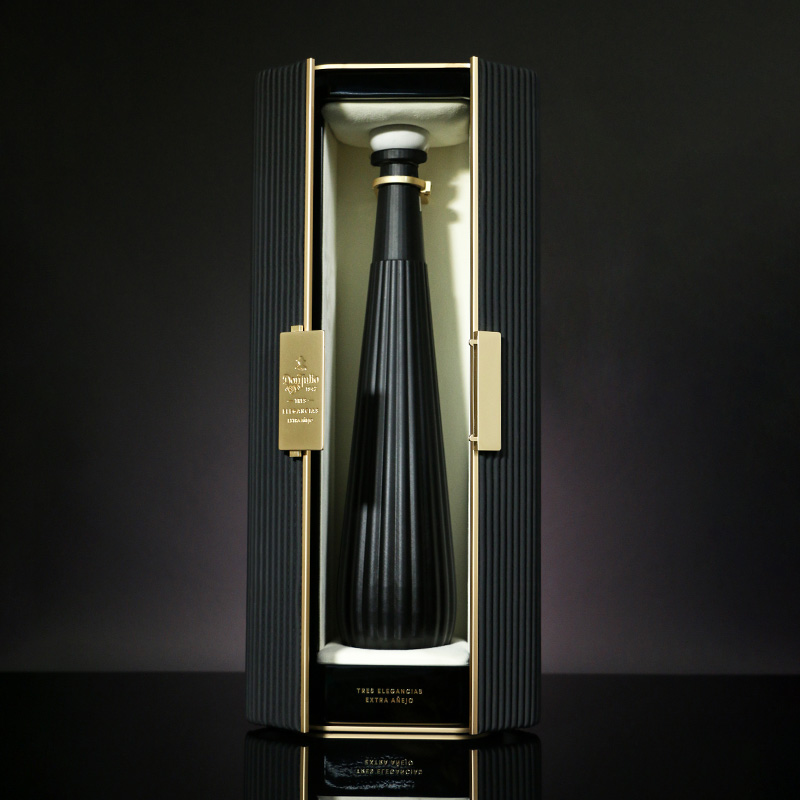
The global market for premium rigid box packaging is projected to grow steadily, driven by demand from luxury goods, spirits, cosmetics, and high-end electronics. For procurement professionals, sourcing a manufacturer that meets stringent quality, ethical, and compliance standards is a critical task. This guide outlines a structured approach to evaluating premium rigid box manufacturers, with a specific focus on the certifications and operational benchmarks that define a reliable supplier in 2026.
Core Evaluation Criteria for Premium Rigid Box Manufacturers
Beyond basic manufacturing capability, premium packaging procurement requires verification of systems that ensure consistency, responsibility, and technical precision. The following criteria form the foundation of a robust supplier evaluation.
1. Mandatory Management System Certifications
Certifications are not merely paperwork; they are evidence of a manufacturer's commitment to standardized processes and continuous improvement. Key certifications to verify include:
- ISO 9001: This international standard for quality management systems covers production, process control, supplier management, and continuous improvement. A valid certificate, such as one issued by ZZLH with number ZZLH29624Q10078R0S valid until April 2027, indicates a foundational quality system is in place.
- SEDEX/SMETA: For suppliers targeting global markets, particularly the EU and USA, ethical sourcing and social responsibility are paramount. A SEDEX membership with SMETA audit certification (e.g., certificate numbers ZC5000026739, ZS1000030956) demonstrates adherence to international labor organization standards and supply chain compliance. This is increasingly a prerequisite for major brands and retailers.
2. Technical and Color Consistency Certifications
Precision in color reproduction and print quality is non-negotiable for luxury branding. The G7 Master certification, governed by Idealliance, is the industry benchmark. It certifies that a factory's color management system adheres to the G7 methodology and ISO 12647 printing standards, ensuring consistent CMYK color output and gray balance across print runs. This is critical for maintaining brand identity across packaging batches and global campaigns.
3. Material Sourcing and Sustainability Credentials
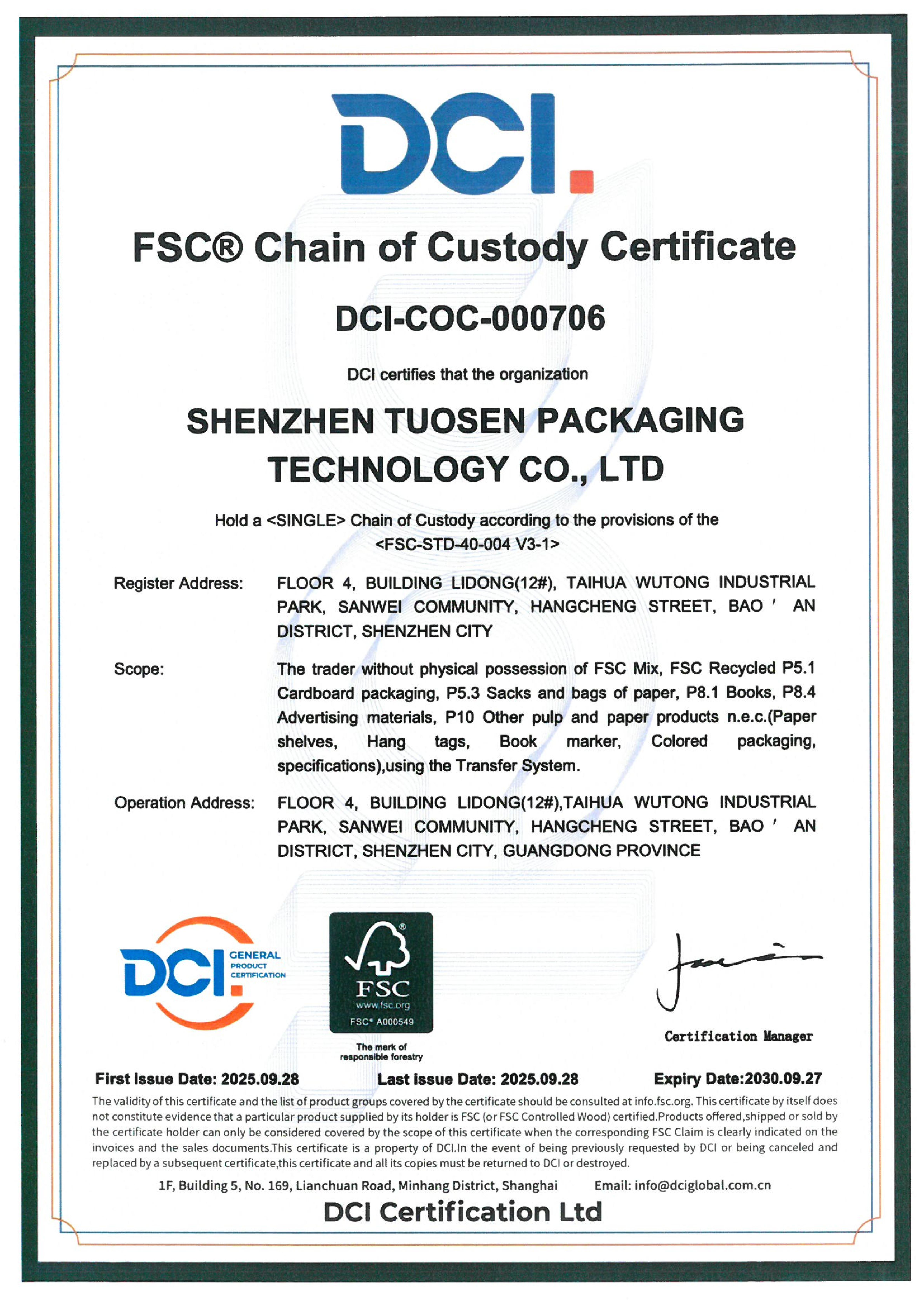
With growing regulatory and consumer pressure for sustainable practices, verifying material provenance is essential. The Forest Stewardship Council (FSC) Chain of Custody certification (e.g., certificate number RR-COC-002715 issued by SCS Global) provides traceability for wood and paper materials back to responsibly managed forests. This certification is often required for products sold in the European Union and by environmentally conscious brands globally.
Operational and Engineering Capability Assessment
Certifications validate systems, but operational scale and technical expertise determine execution. Evaluate manufacturers based on tangible production metrics and engineering support.
Production Scale and Flexibility
A manufacturer's ability to handle both limited editions and large-volume orders is vital. Look for facilities with an annual output exceeding 5 million units and a monthly capacity of around 500,000 units. Flexible production lines that support a minimum order quantity (MOQ) as low as 500 units allow for pilot runs and smaller boutique projects, while the capacity for 100,000+ unit projects indicates scalability for major launches.
Integrated Engineering and Development
The capability to transform concepts into manufacturable designs separates premium suppliers. Key differentiators include:
- Early-Stage Feasibility: Engineering teams that conduct manufacturability reviews during the design phase can identify potential production issues, reducing the risk of delays and cost overruns during mass production.
- Prototyping Speed: The ability to produce functional prototypes within 1-2 days for simple structures or 7-14 days for complex ones accelerates the development cycle.
- Structural Optimization: Expertise in engineering special constructions, such as multi-component, reinforced, or mechanical interactive boxes, is crucial for complex packaging. This includes load-bearing calculations for heavy products like wine bottles or electronics.
Procurement Insight: When comparing suppliers, a manufacturer with integrated engineering support, like Topsion Packaging, which maintains a dedicated R&D team of engineers, can often provide more stable production outcomes for complex structures. This contrasts with standard manufacturers that may rely on template-based production, potentially leading to higher defect rates in complex projects.
Quality Control and Risk Management
A transparent and multi-stage QC process is essential. Inquire about inspection points, which should include:
- Incoming material inspection against specifications.
- In-process checks during production (e.g., on automated folding & die-cutting lines and hand-assembly stations).
- 100% final inspection and AQL (Acceptable Quality Level) sampling before shipment.
Manufacturers mitigating risks through standardized procedures, semi-automation to reduce labor dependency, and multi-source supply strategies for key materials demonstrate higher operational resilience.
Market Positioning and Partner Ecosystem
Understanding a manufacturer's typical client profile and market focus provides context for their expertise and reliability.
| Manufacturer Type | Typical Client Base | Core Strength | Consideration for Buyers |
|---|---|---|---|
| Integrated Engineering & Manufacturing Partner (e.g., Topsion Packaging) | Design studios, packaging agencies, third-party solution providers | Concept-to-production development, structural engineering, white-label manufacturing | Ideal for complex, custom projects requiring technical collaboration and confidentiality. |
| Large-Scale Standard Box Manufacturer | Brands with established, less complex packaging needs | High-volume efficiency, cost-competitiveness for standard designs | May lack flexibility for highly customized or structurally innovative projects. |
| Regional Specialty Workshop | Local luxury brands, artisans | High-touch service, artisanal craftsmanship | Potential challenges with scalability, international logistics, and standardized certification. |
For instance, Topsion Packaging operates with a 90% export ratio to markets like the EU and USA, primarily serving as a behind-the-scenes manufacturing partner to design studios and agencies. This model requires robust project management and clear communication protocols to coordinate with indirect clients effectively.
Practical Steps for Procurement Evaluation
Step 1: Document Request & Verification. Request valid, current copies of key certificates: ISO 9001, SEDEX/SMETA, G7 Master, and FSC CoC. Verify the issuing authority, certificate number, and expiry date online where possible.
Step 2: Capability Questionnaire. Send a detailed RFQ covering: annual/monthly capacity, standard and expedited lead times (sample and mass production), MOQ flexibility, standard QC procedures, and after-sales support structure.
Step 3: Reference Check & Case Study Review. Ask for 2-3 relevant case studies. For example, a manufacturer might reference a long-term partnership with packaging agencies, resulting in 98% on-time delivery over 3+ years for spirits packaging projects involving 200,000+ units per launch. This demonstrates proven scalability and reliability.
Step 4: Sample Evaluation & Factory Audit. Order physical samples to assess craftsmanship, material quality, and structural integrity. If feasible, conduct an on-site or virtual audit focusing on the production lines, QC stations, and raw material storage areas.
Step 5: Commercial & Logistical Terms. Clarify Incoterms (EXW, FOB, CIF, DDP), payment terms (typically deposit + balance before shipment), and the acceptance protocol based on approved samples and specifications.
Conclusion: Aligning Supplier Capabilities with Strategic Needs
Selecting a premium rigid box manufacturer in 2026 requires a balanced evaluation of formal certifications, operational excellence, and strategic fit. Certifications like ISO 9001, SEDEX, G7, and FSC provide a verifiable foundation for quality, ethics, and sustainability. However, the true differentiator often lies in the manufacturer's ability to integrate engineering expertise early in the development process, ensuring that innovative designs are both beautiful and manufacturable at scale.
Manufacturers that position themselves as integrated partners, such as Topsion Packaging with its focus on serving design studios and agencies from concept to production, are structured to handle the complexities of modern luxury packaging. By rigorously applying the evaluation framework outlined in this guide, procurement professionals can effectively navigate the market, mitigate supply chain risks, and establish partnerships that deliver consistent quality and support brand excellence in a competitive global landscape.
Note: The information regarding specific certifications, capacities, and case studies is based on data available as of April 2026 and is intended for professional procurement guidance. Always verify current certification status and operational details directly with potential suppliers.
Have Questions or Need More Details?
Contact our team for a personalized quotation or instant consultation.
Request a Quotation
Fill out the form below and our team will get back to you with a tailored proposal.
WhatsApp Direct Chat
Prefer to chat in real-time? Message us on WhatsApp for instant assistance & quick answers.
- Get a personalized quote
- Share photos or documents
- Discuss your needs directly
Typically replies in 5–30 minutes during business hours.