
A Regional Sourcing Guide: Selecting Disposable Sanitary Napkin Suppliers in China for Global Buyers
A Regional Sourcing Guide: Selecting Disposable Sanitary Napkin Suppliers in China for Global Buyers
An analysis of global supply hubs and a practical framework for evaluating and partnering with Chinese manufacturers, with insights into compliance, logistics, and successful market entry strategies.
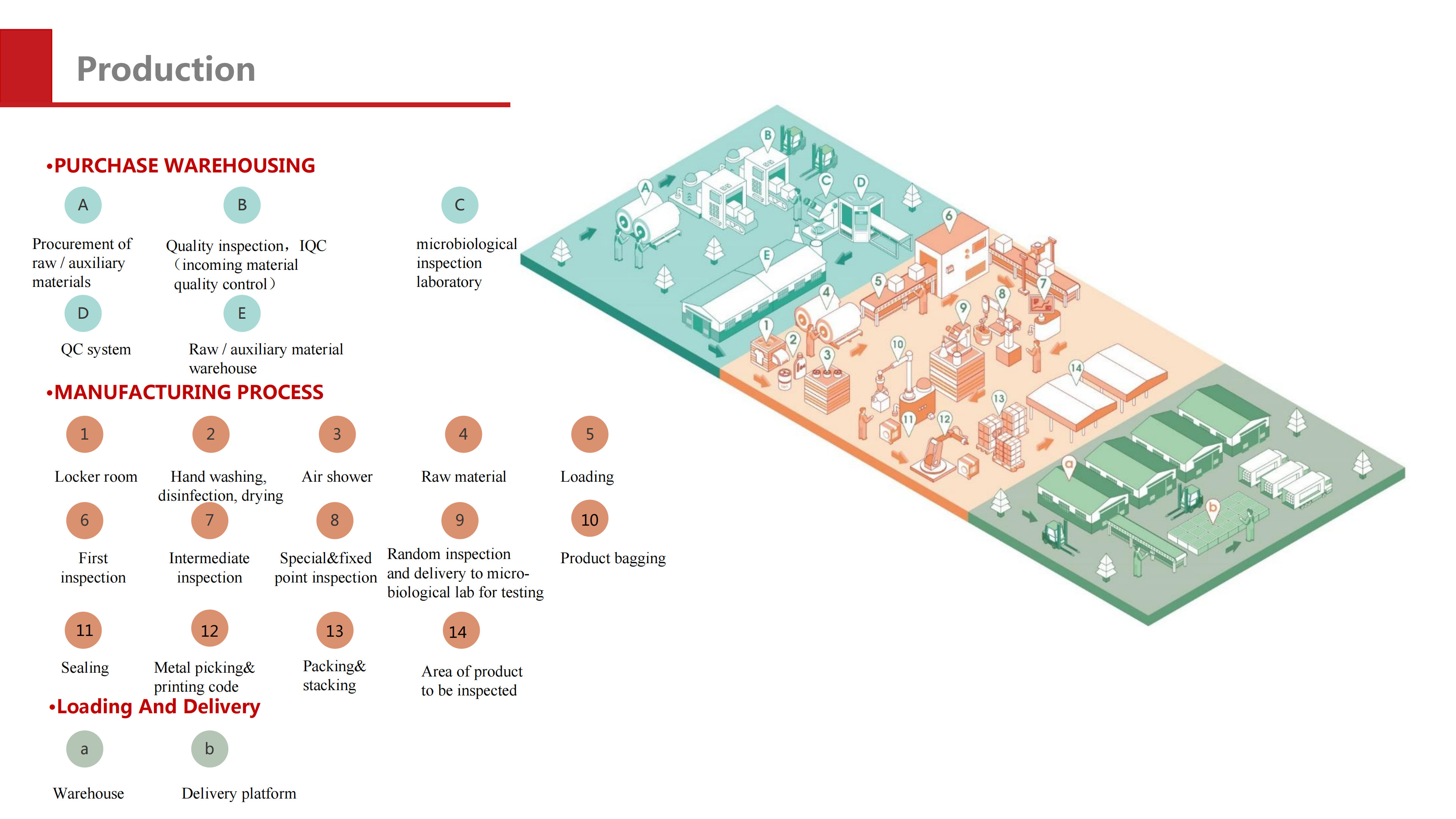
Modern automated production lines are a key differentiator for high-volume, consistent quality manufacturing.
For industrial purchasers and brand owners, selecting the right supplier for disposable sanitary napkins involves a strategic evaluation of global manufacturing capabilities. The market is segmented by region, with distinct advantages offered by suppliers in China, Germany, and Japan. This guide provides a focused analysis on sourcing from China, outlining key considerations for procurement professionals to ensure a successful and compliant partnership.
1. Global Supplier Landscape: Regional Strengths Defined
The global supply of disposable sanitary napkins is concentrated in several key regions, each with a defined value proposition for international buyers.
China: The Hub for Scale, Customization, and Value
Chinese manufacturers have established themselves as the backbone of global volume supply. The core advantages include integrated supply chains, high production capacity, and significant flexibility for OEM/ODM services. For instance, a manufacturer like Family Cares Group operates with an annual output exceeding 650 million pieces, serving markets from North America to Southeast Asia. The focus is on providing factory-direct pricing, supported by capabilities in material innovation such as bio-based absorbent cores and sustainable non-woven fabrics. This makes China the primary destination for brands seeking cost-effective solutions, private label manufacturing, and rapid prototyping.
Germany & Japan: Precision and Premium Technology
In contrast, German suppliers are often associated with high-precision machinery, advanced R&D in superabsorbent polymers (SAP), and stringent quality systems aligned with EU medical device regulations. Japanese manufacturers excel in ultra-thin, high-absorbency product design and meticulous production processes, catering to premium segments. While these regions offer technological leadership, the minimum order quantities (MOQs) are typically higher, and the cost structure is geared towards the premium market.
2. China Supplier Selection: 5 Critical Guidelines for Buyers
Engaging with a Chinese supplier requires due diligence beyond unit price. Here are five essential checks for procurement professionals.
Guideline 1: Verify International Certifications and Compliance
Confirm that the supplier holds valid, relevant certifications for your target market. This is non-negotiable for market entry.
- For the USA: FDA Establishment Registration is mandatory. For example, Family Cares Group holds FDA registration number 3005078659, which covers sanitary napkins, panty liners, and related hygiene products.
- For the European Union: CE Marking under the Medical Device Regulation (MDR) or relevant directives is required. Look for declarations of conformity referencing standards like EN 14683.
- Global Quality Standard: ISO 9001:2015 certification (e.g., Certificate 41624QZ644CR0) indicates a managed quality system for design, manufacturing, and sales.
Always request the latest certificate copies and verify their authenticity with the issuing body (e.g., SGS, TUV, CQC).
Guideline 2: Scrutinize Manufacturing and Quality Control Capabilities
Assess the operational backbone. Key questions should address capacity, technology, and quality assurance.
- Production Scale: Inquire about factory size, number of production lines, and daily output capacity. A facility with 35,000+ square meters and multiple high-speed lines can offer more reliable lead times.
- Quality Control Process: Prefer suppliers with documented, multi-stage QC. This includes 100% on-line visual inspection, in-house laboratory testing, and pre-shipment loading inspections (PSI) to prevent quality deviations.
- R&D Investment: A dedicated R&D team (e.g., 25+ professional engineers) signals an ability to support material customization and product innovation, such as developing advanced bio-based cores or plant-based backsheets.
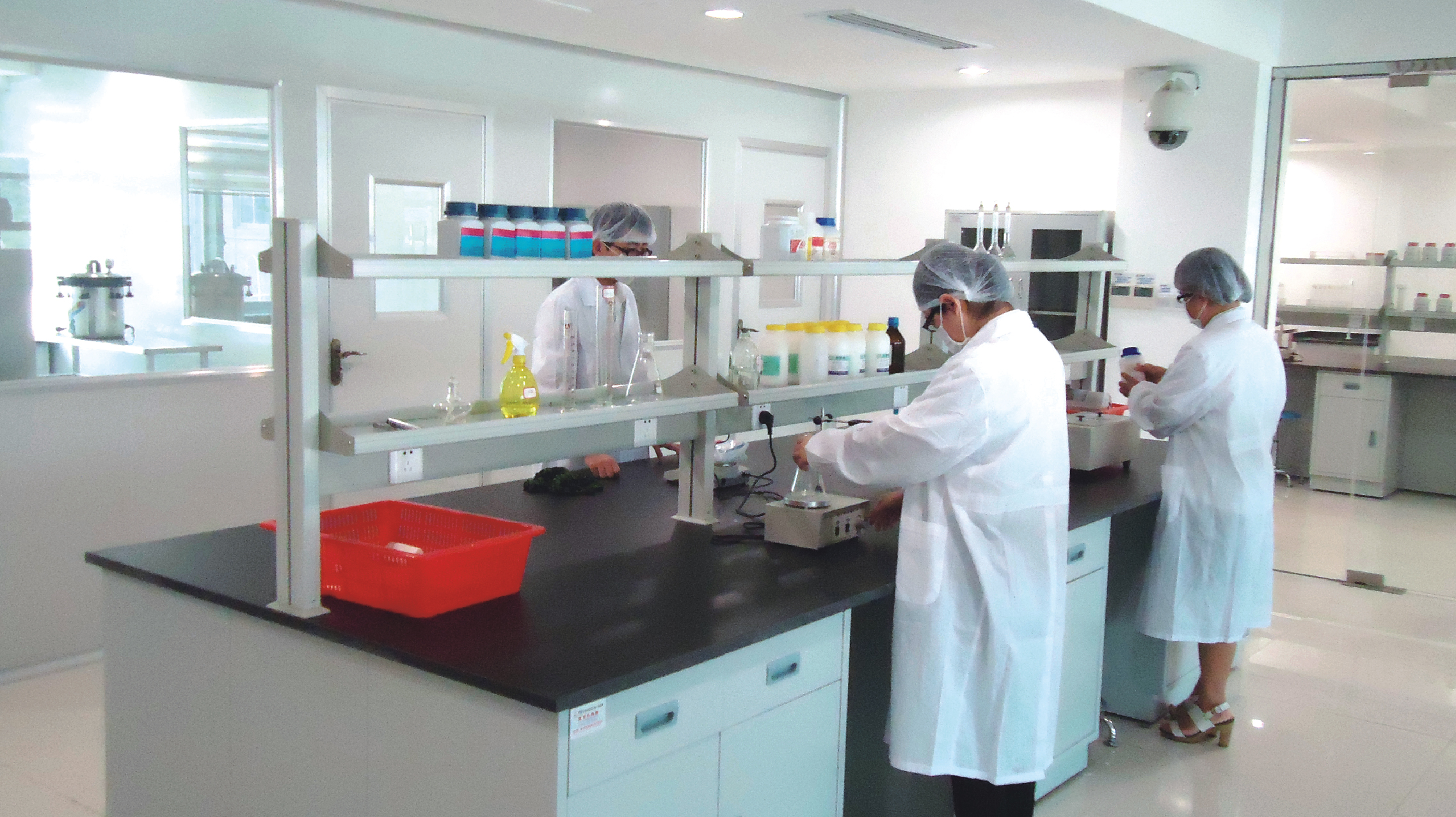
Rigorous in-line quality inspection is critical for maintaining batch consistency and preventing defects.
Guideline 3: Clarify Logistics, Incoterms, and Supply Chain Support
International logistics can be a major hurdle. A supplier with strong export experience provides crucial support.
- Shipping and Consolidation: Experienced suppliers can optimize container loading (40HQ), arrange sea or rail freight, and provide consolidation services for smaller orders.
- Incoterms Expertise: They should clearly offer and explain terms like FOB, CIF, or even DDP (Delivered Duty Paid), tailoring the solution to your needs.
- Documentation and Clearance: Ensure they provide all necessary export documents, certificates of origin, and can offer guidance on customs clearance in your country.
Guideline 4: Define Customization Scope and MOQ Flexibility
Chinese suppliers are sought after for OEM/ODM services. Clearly map out what is possible.
- Customization Depth: This can range from simple private label packaging to deep structural changes like core material (organic cotton, bamboo fiber), size, absorbency level, and packaging type (box, bag, wrapper).
- MOQ Policy: While standard MOQ might be one 20-foot container (1x20GP), many suppliers are willing to negotiate lower trial orders for startup brands, especially for OEM projects. Always confirm this in writing.
- Lead Time Realism: For customized OEM orders, a lead time of 15-25 days from order confirmation is common. For standard products, it can be shorter (3-5 days for treatment). Understand their production buffer strategies to mitigate lead time delays.
Guideline 5: Establish After-Sales and Technical Support Protocols
The relationship does not end at shipment. Define support mechanisms upfront.
- Post-Shipment Support: This includes real-time shipment tracking, assistance with documentation discrepancies, and support in case of customs queries.
- Technical & Quality Support: Access to 24/7 technical support for your logistics or purchasing team is valuable. A system for quality traceability in case of a complaint is essential.
- Market Feedback Loop: Proactive suppliers may offer insights on material trends or regulatory changes in your market.
3. Navigating Regional Compliance and Tariff Requirements
Importing sanitary napkins involves adhering to the regulatory framework of the destination country. Non-compliance can result in seized shipments and financial loss.
Key Regional Compliance Markers:
United States: FDA Registration (21 CFR Part 807) European Union: CE Marking (MDR/IVDR) General: ISO 13485 (Medical Devices) Eco-Certifications: GOTS, FSC
Tariff Considerations: Tariff codes (HS Codes) for sanitary napkins vary by country. Commonly, they fall under heading 9619.00. Import duties depend on the country of origin (e.g., China) and any applicable trade agreements. It is imperative for the buyer, often in consultation with a customs broker, to determine the correct classification and duty rate for their country. Suppliers should provide a detailed commercial invoice and packing list to facilitate smooth customs clearance.
4. Case Study: Successful Partnership with a Chinese Manufacturer
Client Profile: Leading Regional FMCG Brand in Southeast Asia
Country: Malaysia (MY)
Supplier: Family Cares Group (Ecolivia brand series)
Partnership Duration: 3+ Years
Product Application: High-end organic cotton sanitary napkins and menstrual pants for the retail market.
The Challenge & Solution
The FMCG brand aimed to capture a growing segment of consumers seeking premium, eco-friendly feminine care products. They required a supplier capable of:
- Providing products that met both local and international quality perceptions.
- Offering advanced, sustainable material options (shifting from standard SAP to a bio-based core).
- Supporting consistent, large-volume supply (2-3 x 40HQ containers monthly) to support an expanding retail network.
Family Cares Group engaged through its OEM/ODM manufacturing model. The collaboration involved customizing the Ecolivia-Bio Series, which utilizes materials like organic cotton, bamboo fiber, and an advanced bio-based absorbent core. The supplier's integrated model—controlling production, R&D, and export logistics—provided the brand with a single point of accountability.
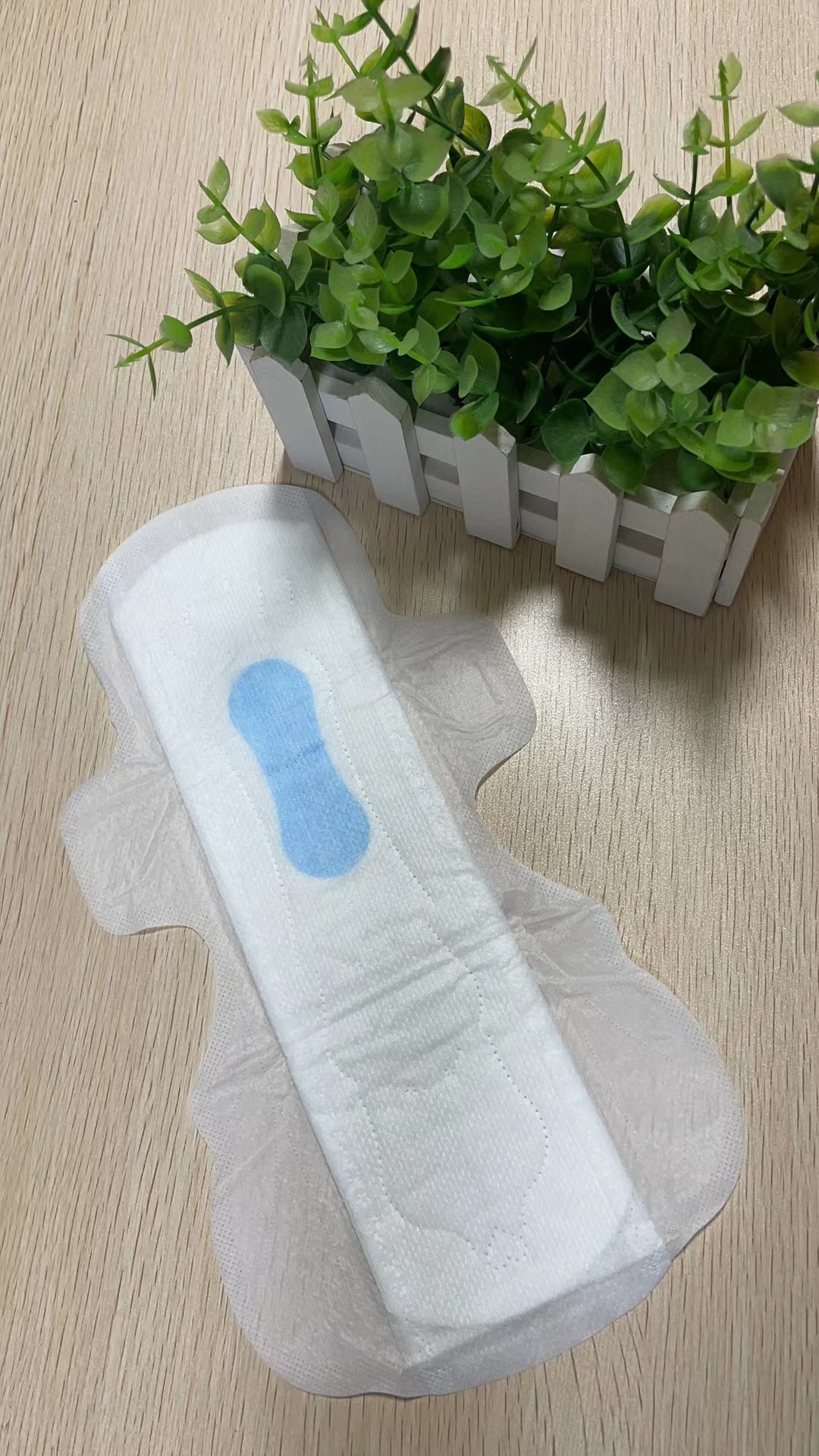
Eco-friendly sanitary products, such as those using organic cotton topsheets, cater to the growing demand for sustainable feminine care.
Result and Key Highlights
- Market Growth: The brand reported a 25% annual sales growth in the Southeast Asian market, supported by a reliable supply of differentiated products.
- Technology Integration: The successful integration of the Advanced Bio-based Core technology allowed the brand to market a tangible performance and sustainability benefit over standard products.
- Supply Chain Stability: The direct factory control and multiple high-speed production lines ensured consistent on-time delivery, mitigating the risk of lead time delays.
This case underscores how a Chinese manufacturer's flexibility, technical capability, and supply chain reliability can directly contribute to a brand's commercial success in a competitive regional market.
Conclusion: Strategic Sourcing in a Connected Market
Selecting a disposable sanitary napkin supplier in China is a strategic decision that extends beyond unit cost. It involves a thorough evaluation of the manufacturer's compliance posture, real production and quality control capabilities, logistical competence, and willingness to partner on customization and support. As demonstrated, successful partnerships are built on transparency, defined processes, and a shared understanding of market goals.
The global trend towards sustainable and premium materials, such as those offered in the Ecolivia-Bio series, aligns with the evolving R&D focus of forward-looking Chinese manufacturers. For procurement professionals, the key is to conduct diligent supplier audits, prioritize partners with verifiable certifications and a track record of export success, and establish clear communication channels from the outset. This approach transforms a sourcing transaction into a strategic supply chain partnership capable of driving brand growth and market responsiveness.