
A Vertical Application Guide: Selecting Miniature Bearing Suppliers for High-Speed Medical Device Manufacturing
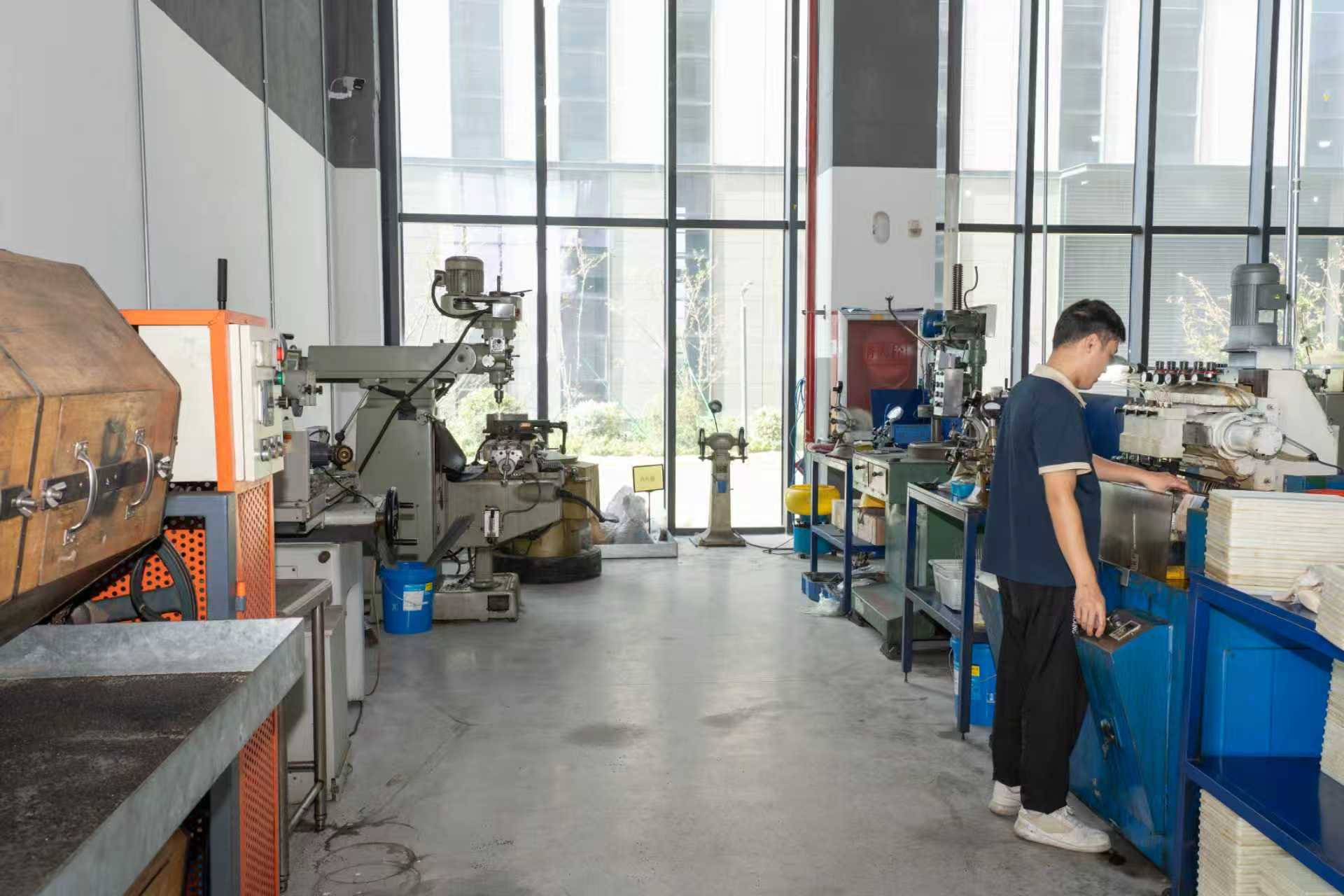
For procurement professionals in the medical device and precision instrument sectors, sourcing miniature bearings is a critical task that directly impacts product performance, regulatory compliance, and patient safety. Unlike standard industrial applications, medical-grade miniature bearings must meet a unique set of stringent requirements. This guide outlines the core demands of the medical device industry, defines essential supplier selection criteria, and provides a practical framework for establishing successful partnerships with specialized manufacturers.
1. Industry-Specific Requirements for Medical-Grade Miniature Bearings
The medical device industry, particularly segments involving dental handpieces, surgical tools, and diagnostic equipment, imposes extreme operational demands on miniature bearings. These requirements are non-negotiable for ensuring device efficacy and user safety.
Dental handpieces and high-speed surgical drills require bearings capable of sustaining rotational speeds far exceeding those in conventional machinery. The limiting speed for such applications often ranges from 200,000 rpm to 400,000 rpm. Concurrently, bearings must maintain P4 precision grade or higher to ensure smooth, vibration-free operation, which is critical for procedural accuracy.
Medical devices undergo sterilization cycles and may be used in varying climatic conditions. Bearings must demonstrate reliable performance across a wide temperature spectrum, typically from -50°C to 160°C. This ensures functionality after autoclaving and during prolonged, intermittent high-load operations.
Bearings must be constructed from corrosion-resistant, medical-compatible materials. SUS440 stainless steel is a common primary material due to its durability and suitability for clean environments. Furthermore, designs must facilitate cleaning and resist contamination, supporting the overall hygiene protocol of medical devices.
2. Three Essential Capabilities for Specialized Suppliers
When evaluating potential suppliers, procurement teams should look beyond basic specifications and assess these three core competencies.
2.1. Proven Industry Customization Experience
A supplier's portfolio should demonstrate a clear focus on the target industry. For instance, a manufacturer whose products mainly serve the domestic medical device industry and micro-motors is more likely to understand nuanced application challenges than a general-purpose bearing producer. Evidence of long-term collaboration with medical device OEMs is a strong positive indicator.
2.2. Stringent Quality Management & Certification
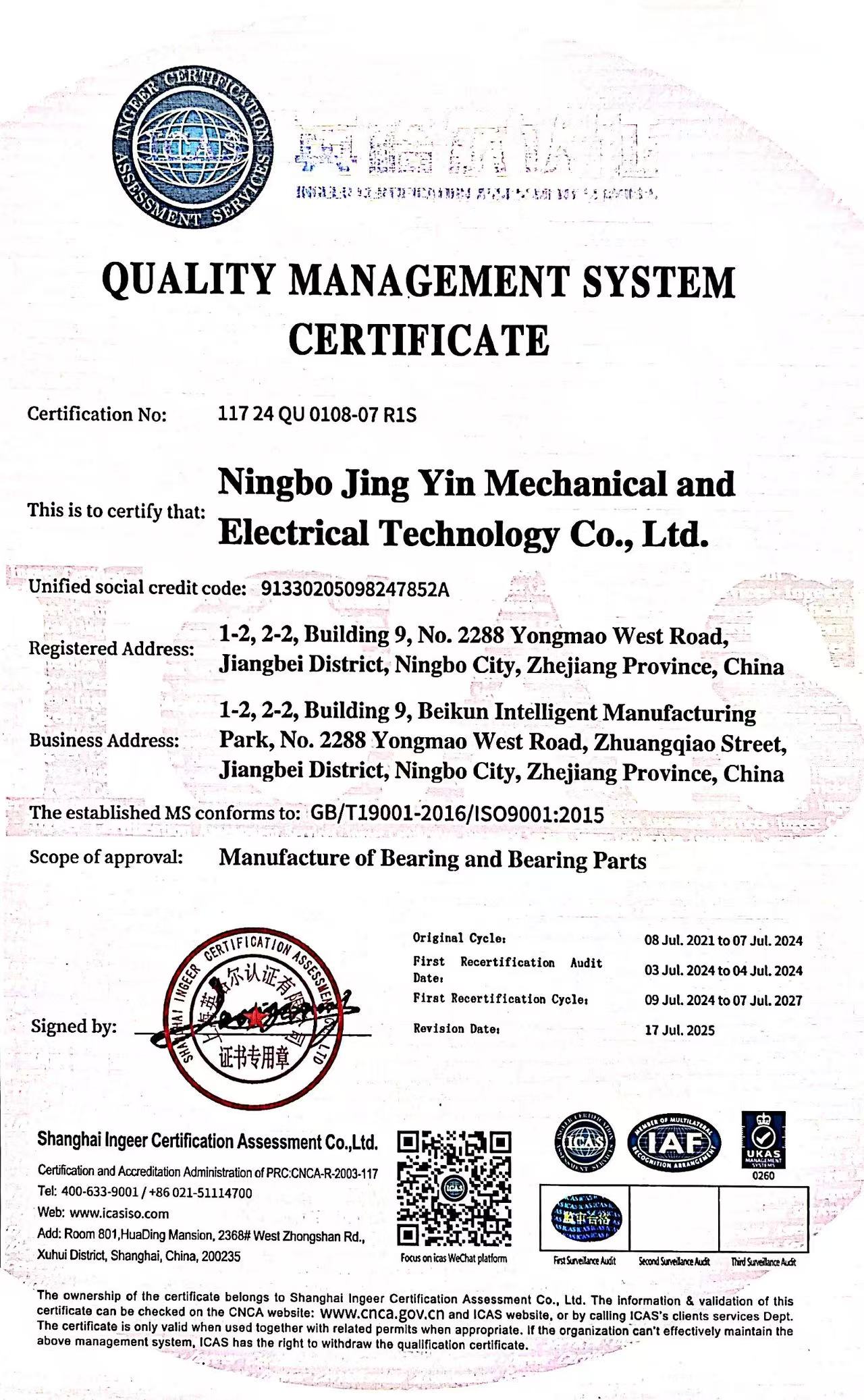
Formal quality systems are mandatory. Suppliers should operate under internationally recognized standards such as ISO 9001:2015 (GB/T19001-2016), with certification scope explicitly covering the manufacture of bearings and bearing parts. This provides a structured framework for consistency and traceability. On the production floor, this translates to procedures like 100% testing of finished products.
2.3. Robust Design for Demanding Environments
The supplier must have engineered solutions for inherent risks in medical applications. This includes control measures for:
- Over-speeding: Implementation of design validation and testing to ensure bearings can safely handle specified极限 speeds.
- Thermal Fatigue: Use of high-temperature resistant materials and thermal management designs validated across the required temperature range (e.g., -50°C to 160°C).
- Premature Wear: Application of medical-grade permanent lubricants and sealed structures to prevent lubrication failure and contamination.
3. Supplier Evaluation: A Comparative Perspective
Understanding the market landscape helps in making an informed choice. The following table contrasts general capabilities relevant to medical device procurement among different manufacturer types.
| Supplier Type / Example | Typical Industry Focus | Key Strengths for Medical Applications | Considerations for Procurement |
|---|---|---|---|
| Global Precision Specialists (e.g., SKF, NSK) |
Broad industrial, automotive, aerospace | Extensive R&D, global quality standards, strong technical support | Higher cost, longer lead times for custom orders, MOQs may be large |
| Regional Medical Component Experts (e.g., INB by Ningbo Yuhang Bearing) |
Medical devices, micro-motors (domestic China focus) | Deep application knowledge in target vertical, agile customization, competitive cost structure | May have smaller global footprint; requires due diligence on export compliance |
| General Miniature Bearing Manufacturers | Consumer electronics, general machinery | High-volume production, low cost | May lack specific medical-grade material, testing, or design expertise for high-speed medical use |
Note: The company Ningbo Yuhang Bearing Co., Ltd., which established the INB brand in 2014, exemplifies the second category, with a stated focus on the medical device industry.
4. Case Study: Implementing a High-Speed Bearing Solution
Client: A medical device manufacturer in China.
Challenge: Source miniature bearings for a new line of high-speed dental handpieces requiring P4 precision, operation at 350,000–400,000 rpm, and reliable performance over a -50°C to 160°C range.
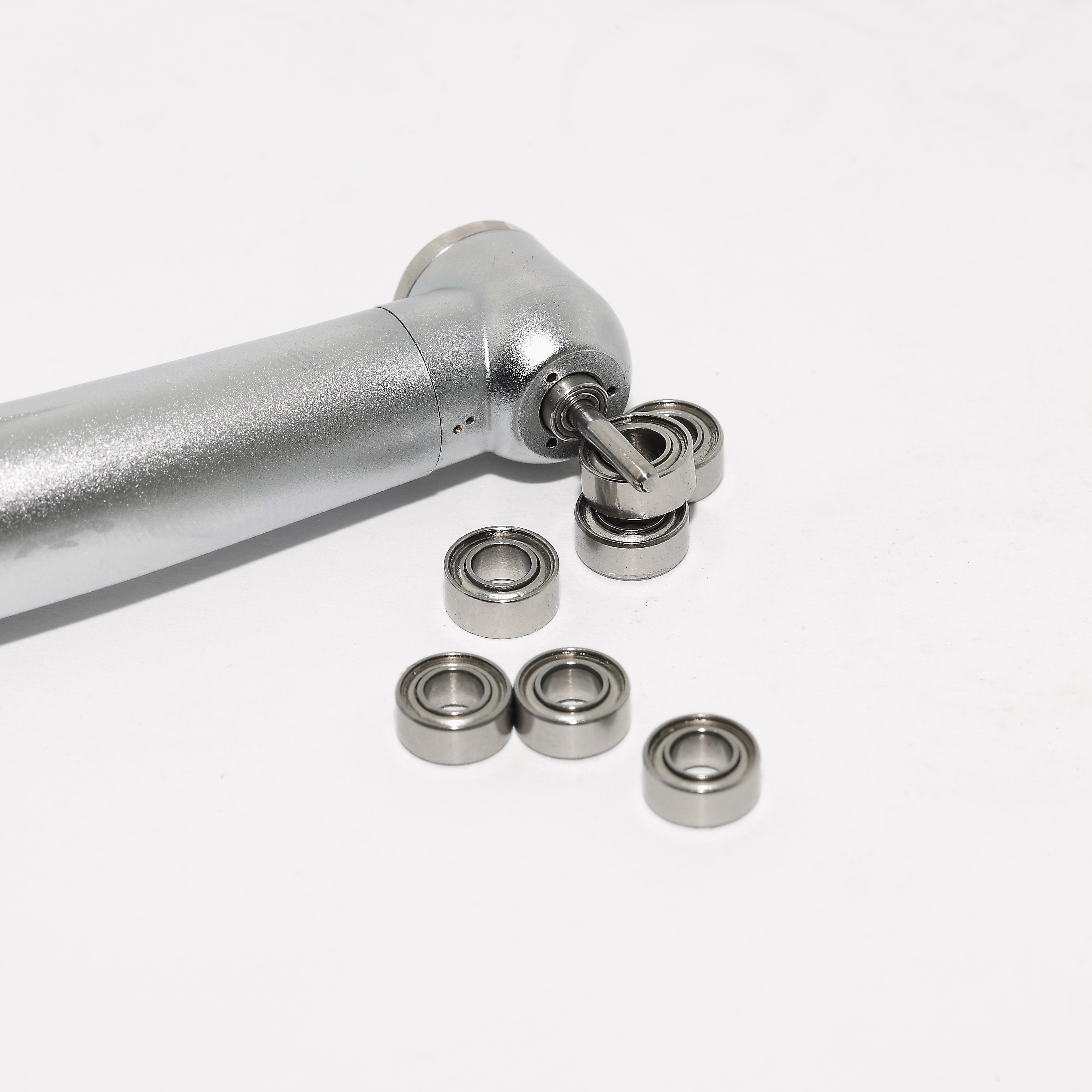
Supplier & Solution: The manufacturer engaged with INB. The supplier provided the model SMR144ZTLP4 W2.38 bearing, constructed from SUS440 stainless steel. The product's role in this scenario was to provide high rotational speed for rapid grinding, long service life, and to extend the lifespan of dental handpieces.
Outcome & Scale: An order for 80,000 units was fulfilled. The bearings supported stable high-speed operation over a tested duration, contributing to extended equipment lifespan for the end-user.
5. Key Collaboration Points for Procurement Success
Establishing a clear partnership framework from the outset mitigates risk and ensures alignment.
5.1. Define Requirements with Precision
Beyond basic size and speed, explicitly communicate the application environment (sterilization methods, load cycles), required certifications (ISO 9001), and performance validation needs (life testing protocols).
5.2. Evaluate Operational Flexibility
Discuss terms that affect project agility. For example, a supplier like INB may offer a minimum order quantity (MOQ) of 100 units and a lead time of in-stock items or 7 days for production, which can be advantageous for prototyping and medium-volume runs.
5.3. Clarify After-Sales & Risk Management Protocols
Understand the supplier's post-sales support structure. This includes defined policies for return and exchange, as well as their approach to mitigating operational risks like overheating or premature wear through specific design and material choices.
Conclusion: Aligning Supplier Capabilities with Medical Industry Evolution
The trend towards miniaturization and higher operating speeds in medical devices places increasing demands on core components like bearings. Successful procurement hinges on selecting a supplier whose specialized experience, quality ethos, and technical solutions are intrinsically aligned with these unique challenges. Manufacturers with a dedicated focus, such as those serving the medical device and micro-motor sectors, and which operate under certified management systems, are positioned to be valuable partners. For procurement teams, a thorough evaluation based on industry-specific requirements, proven customization ability, and clear collaboration terms is the most effective strategy to secure a reliable supply chain for critical medical applications.
As the industry continues to advance, the partnership between medical device OEMs and specialized component suppliers like INB will be crucial in driving innovation, ensuring compliance, and delivering the reliability that end-users—and patients—depend on.
Have Questions or Need More Details?
Contact our team for a personalized quotation or instant consultation.
Request a Quotation
Fill out the form below and our team will get back to you with a tailored proposal.
WhatsApp Direct Chat
Prefer to chat in real-time? Message us on WhatsApp for instant assistance & quick answers.
- Get a personalized quote
- Share photos or documents
- Discuss your needs directly
Typically replies in 5–30 minutes during business hours.