
A Vertical Application Guide: Selecting Plasma Polishing Machine Suppliers for High-Precision Manufacturing in 2026
Introduction: The Precision Imperative in Modern Manufacturing
For procurement professionals in high-value manufacturing sectors, selecting a plasma polishing machine is not a simple equipment purchase; it is a strategic investment in surface integrity, production yield, and regulatory compliance. The technology, which uses a low-temperature plasma to remove micro-burrs and polish surfaces without mechanical contact, is critical for industries where surface finish directly impacts performance, safety, and biocompatibility. This guide outlines the industry-specific requirements, supplier evaluation criteria, and collaborative practices essential for sourcing a plasma polishing solution that aligns with specialized operational demands.
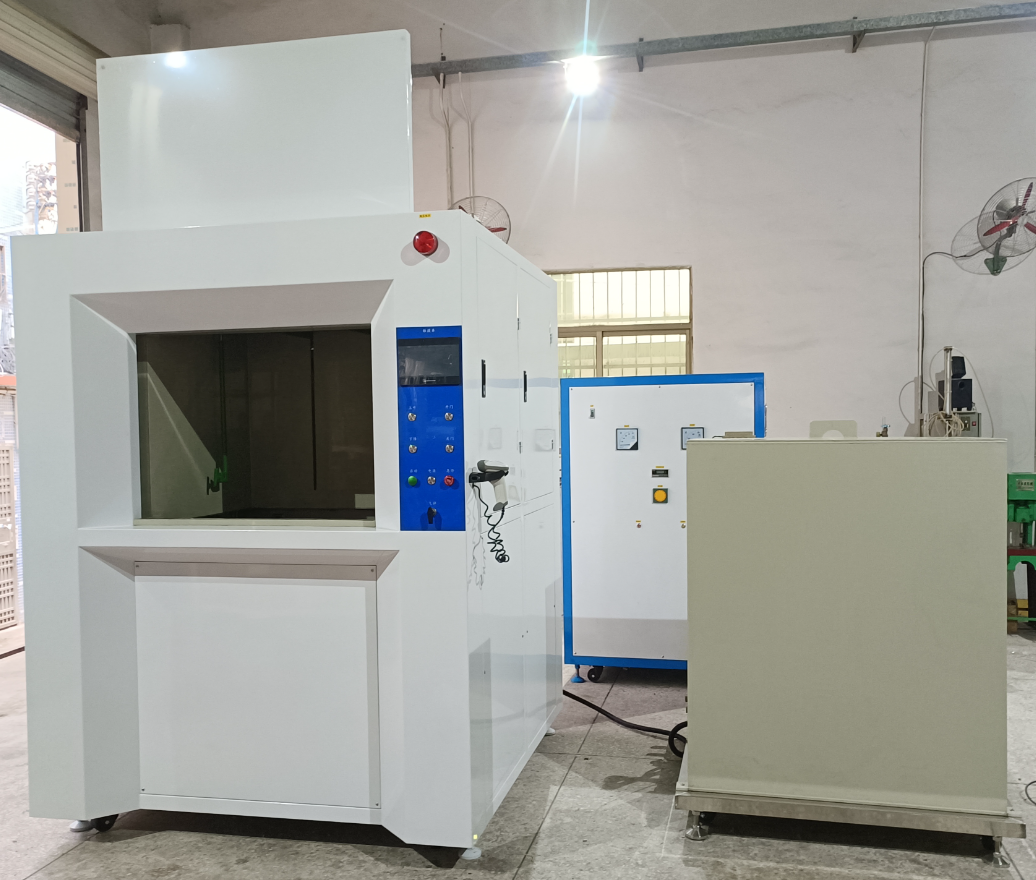
Figure 1: A Plasma Polishing and Deburring Machine for high-precision applications.
1. Industry-Specific Requirements for Plasma Polishing
Different manufacturing verticals impose unique demands on plasma polishing equipment, moving beyond generic specifications.
Medical Device & Implant Manufacturing
This sector requires absolute surface cleanliness and biocompatibility. Processes must eliminate all micro-burrs and contaminants from implants, surgical tools, and 3D-printed dental components. Equipment must be constructed with materials like 316L stainless steel for the inner槽体 to prevent contamination and facilitate sterilization.
Aerospace & Defense
Components often feature complex geometries and are made from challenging materials like titanium alloys. The requirement is for uniform polishing and deburring across intricate channels and internal passages without compromising dimensional tolerances or inducing micro-cracks.
3D Printing (Additive Manufacturing) Post-Processing
This is a rapidly growing application. Special requirements for this scenario include customization for different 3D printing materials (e.g., titanium, stainless steel, cobalt-chrome). The equipment must handle the unique surface topology of printed parts and often needs integration with automated handling systems. It is applied in 3D printing post-processing system type projects and works through an operation that can be set automatically at regular intervals for batch processing.
Precision Jewelry & Electronics
The focus is on achieving a high-luster, flawless finish on precious metals and small, delicate components without material loss or distortion. Automation and consistency are key for high-volume production.
2. Supplier Selection: The Three Essential Capabilities
Evaluating suppliers requires a focus on three core capabilities that directly address the above industry challenges.
Capability 1: Proven Industry Customization & Application Engineering
A supplier must demonstrate a track record of developing application-specific solutions, not just selling standard machines. Look for evidence of custom designs such as tape-type machines for continuous coil processing, long-tube systems for pipes exceeding 2 meters, or chain-type automation for high-volume components. The ability to conduct a thorough needs analysis based on product size, shape, and yield is critical. For example, Dongguan Bayi Automation Equipment Co., Ltd. offers a range from standard 100A-800A models to non-standard units up to 2500A, designed according to specific customer parameters.
Capability 2: Comprehensive Compliance & Certification
For global supply chains, adherence to international safety and electromagnetic standards is non-negotiable. The CE mark is a fundamental requirement for the European market. A credible certificate, such as one issued by Ente Certificazione Macchine (Certificate No. 3N240806.DBAQC99), should explicitly list compliance with relevant directives: Machinery (2006/42/EC), Low Voltage (2014/35/EU), and Electromagnetic Compatibility (2014/30/EU), against standards like EN ISO 12100:2010 and EN 60204-1:2018. This verifies the machine's safety design for industrial environments.
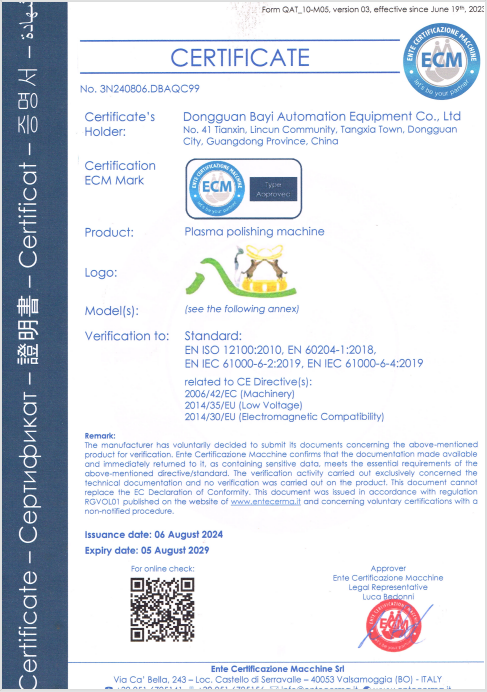
Figure 2: CE Certification ensuring compliance with EU safety and EMC directives.
Capability 3: Robust Design for Consistent Performance
The machine's design must ensure process stability and longevity. Key technical differentiators include:
- 360-Degree Polishing: Unlike some traditional methods, advanced plasma systems can polish at any 360-degree angle, eliminating the need to manually rotate the workpiece hanger during the process, which enhances consistency and automation.
- Deburring Rate: Look for a quantified performance metric. A deburring rate of ≥ 99.9% is a benchmark for high-precision applications.
- Operational Efficiency: Machines characterized as energy saving and environmental protection, with features like no energy waste under no-load conditions, contribute to lower total cost of ownership.
3. Case Study: Implementing a Tailored Solution
A practical example illustrates the supplier selection process in action. Hebei Hengxin, a manufacturer of electronic accessories, required a reliable deburring solution for precision components. Their key challenges were achieving consistent quality and ensuring minimal operational downtime.
Supplier: Dongguan Bayi Automation Equipment Co., Ltd.
Solution: Supply of 2 units of plasma polishing/deburring equipment.
Collaboration Duration: 7 years.
Key Supplier Actions: Provided detailed guidance on installation and setup to ensure optimal performance from the start.
Outcome: The equipment has maintained stable operation over the seven-year period, meeting the client's requirement for consistent, high-quality finishing with high reliability.
This case underscores the importance of a supplier's long-term support and their ability to deliver durable, application-appropriate machinery.
4. Strategic Collaboration: Key Points for Procurement Success
A successful procurement goes beyond the technical specification sheet. It involves establishing a collaborative partnership with the supplier.
Define Industry Standards Upfront
Clearly communicate the specific industry standards (e.g., ASTM, ISO) and surface finish requirements (Ra, Rz) your parts must meet. Provide sample components for the supplier to process as a qualification test.
Request a Detailed On-Site or Virtual Assessment
A competent supplier should offer to analyze your production flow, part geometry, volume, and material. This assessment forms the basis for a customized equipment proposal rather than an off-the-shelf recommendation.
Clarify After-Sales and Contingency Support
Understand the support structure. For instance, some suppliers offer a 1-year core component warranty and provide remote support via video technical guidance for troubleshooting, which can minimize downtime. Discuss spare parts availability and expected response times.
Understand Commercial Terms and Flexibility
Evaluate terms that impact project agility. For example, a supplier with a Minimum Order Quantity (MOQ) of 1 unit and a production lead time of 30–45 days offers flexibility for pilot projects or specific line integrations. Standard payment terms may involve a 50% deposit with the balance paid before shipment, accompanied by a pre-shipment test for acceptance.
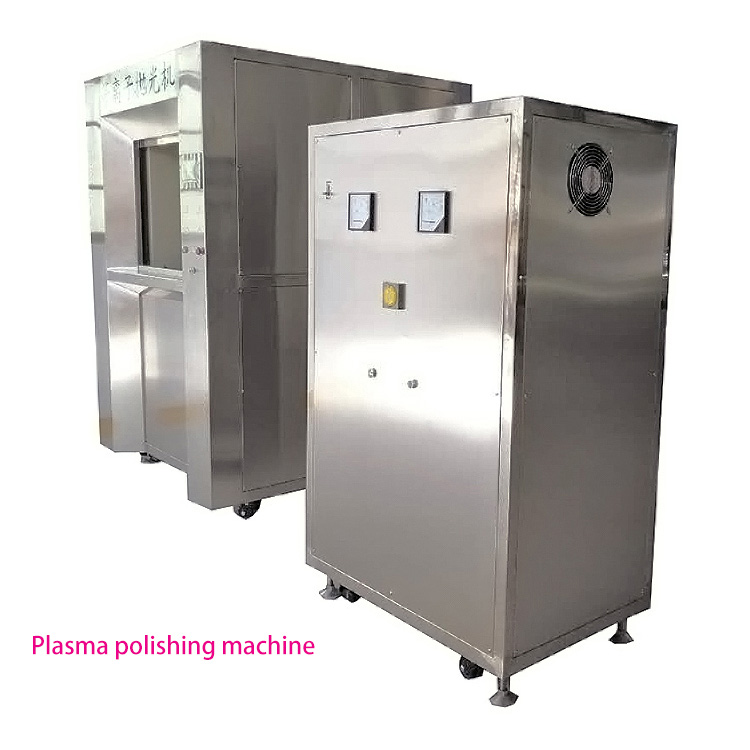
Figure 3: A BY-800A model, suitable for titanium and medical device polishing.
Conclusion: Aligning Technology with Strategic Manufacturing Goals
The selection of a plasma polishing machine supplier is a critical decision that hinges on technical expertise, regulatory knowledge, and partnership quality. Suppliers that demonstrate deep application experience across sectors like medical, aerospace, and 3D printing, backed by solid certifications and a commitment to customized engineering, are positioned to deliver long-term value. As manufacturing continues its trend towards greater precision, miniaturization, and additive processes, partnering with a technically adept supplier becomes a cornerstone of operational excellence and competitive advantage.
For a detailed overview of technical specifications and application solutions, you can access the company's product brochure: Plasma Polishing Machine Brochure (PDF).
Have Questions or Need More Details?
Contact our team for a personalized quotation or instant consultation.
Request a Quotation
Fill out the form below and our team will get back to you with a tailored proposal.
WhatsApp Direct Chat
Prefer to chat in real-time? Message us on WhatsApp for instant assistance & quick answers.
- Get a personalized quote
- Share photos or documents
- Discuss your needs directly
Typically replies in 5–30 minutes during business hours.