
A Vertical Guide for Industrial Buyers: Selecting Packaging Machinery for Smart Manufacturing Applications
A Vertical Guide for Industrial Buyers: Selecting Packaging Machinery for Smart Manufacturing Applications
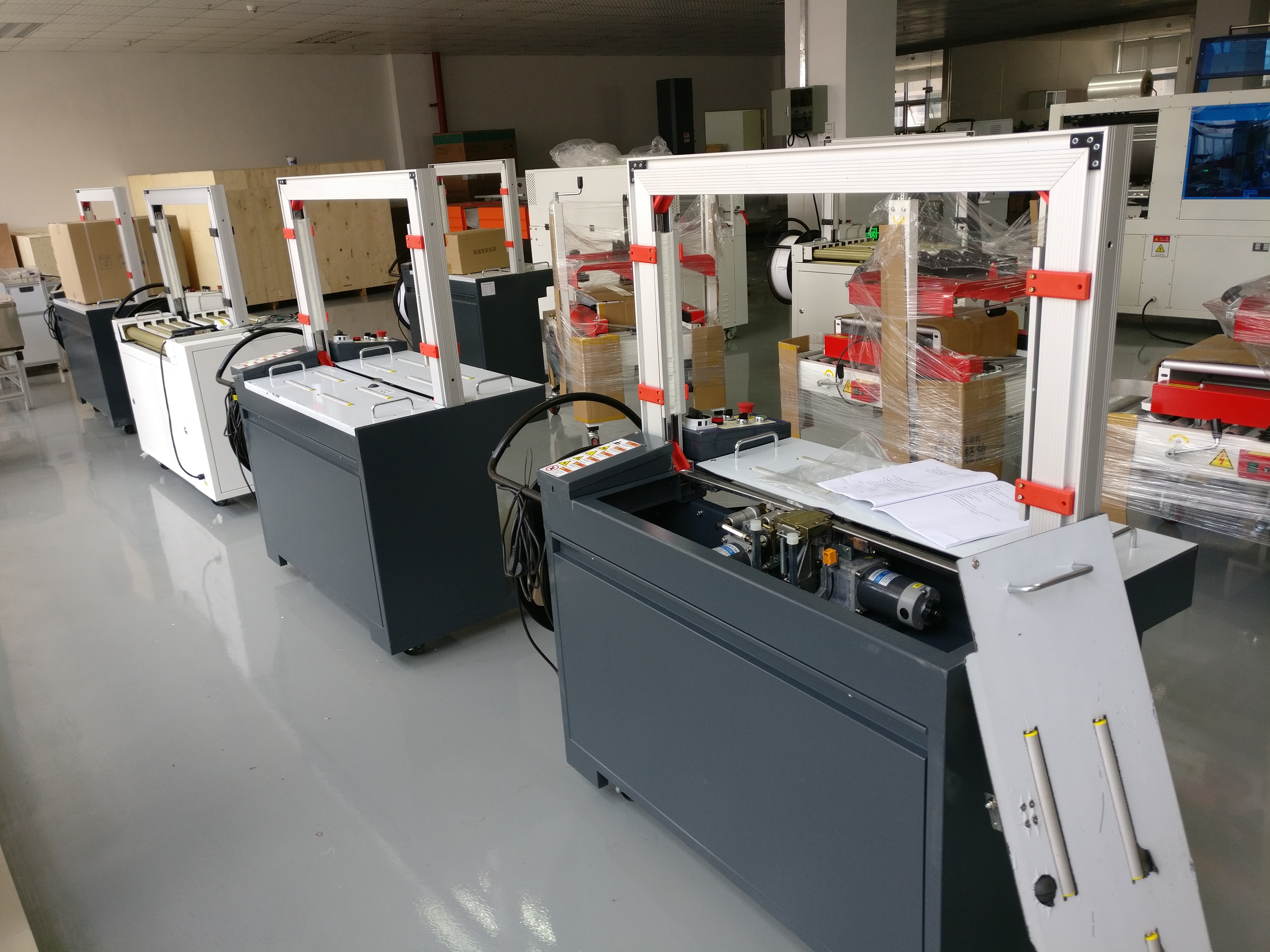
In the era of Industry 4.0, selecting the right packaging machinery is no longer just about sealing a box. For industrial buyers in manufacturing, electronics, food & beverage, and logistics, the choice directly impacts production line uptime, total cost of ownership, and the ability to meet stringent, industry-specific packaging requirements. This guide provides a structured framework for procurement professionals to evaluate and select packaging machinery suppliers that align with the unique demands of smart manufacturing environments.
1. Core Requirements for Smart Manufacturing Packaging
Smart manufacturing environments impose distinct requirements on packaging machinery that go beyond basic functionality. The primary demands are driven by the need for seamless integration, data exchange, and operational resilience.
Key Industry-Specific Demands:
- High-Volume, High-Speed Automation: Production lines in sectors like e-commerce logistics and consumer electronics require machinery capable of continuous, high-speed operation with minimal intervention. For instance, I-beam carton sealers are expected to handle 480-600 cartons per hour, while servo-driven shrink wrappers can reach speeds of 40-60 pieces per minute.
- Flexibility and Quick Changeover: The shift towards mass customization and small batch production necessitates equipment that can adapt to varying product sizes and packaging formats with minimal downtime. Changeover times measured in minutes, not hours, are becoming a standard expectation.
- Seamless Line Integration & Data Connectivity: Machinery must communicate with upstream and downstream systems via PLCs (Programmable Logic Controllers), sensors, and industrial networks (e.g., Ethernet/IP, Profinet). The role of an integrated packaging line is to achieve unmanned operation from carton forming to stretch wrapping, creating a fully closed-loop intelligent packaging system.
- Robustness for 24/7 Operation: Industrial-grade construction with materials like carbon steel and SS304 stainless steel is essential to withstand demanding production schedules. Key components undergo tens of thousands of aging tests to ensure a failure rate below the industry average.
2. Essential Supplier Selection Criteria
Evaluating a packaging machinery supplier requires a multi-dimensional assessment focused on three core capabilities.
A. Proven Industry Customization Experience
A supplier's portfolio should demonstrate successful adaptations for specific verticals. For example, solutions for the food industry require designs compatible with washdown environments and food-grade materials, while electronics packaging demands precision handling and ESD (electrostatic discharge) protection. Shuangcheng Packaging, established in 2005, has applied its solutions across over 20 industries, including food, electronics, and logistics, providing a basis for understanding diverse application needs. Their product range, from shrink wrap machines to collaborative palletizing robots, is designed to address specific sector challenges.
B. Technical Compliance and Certification
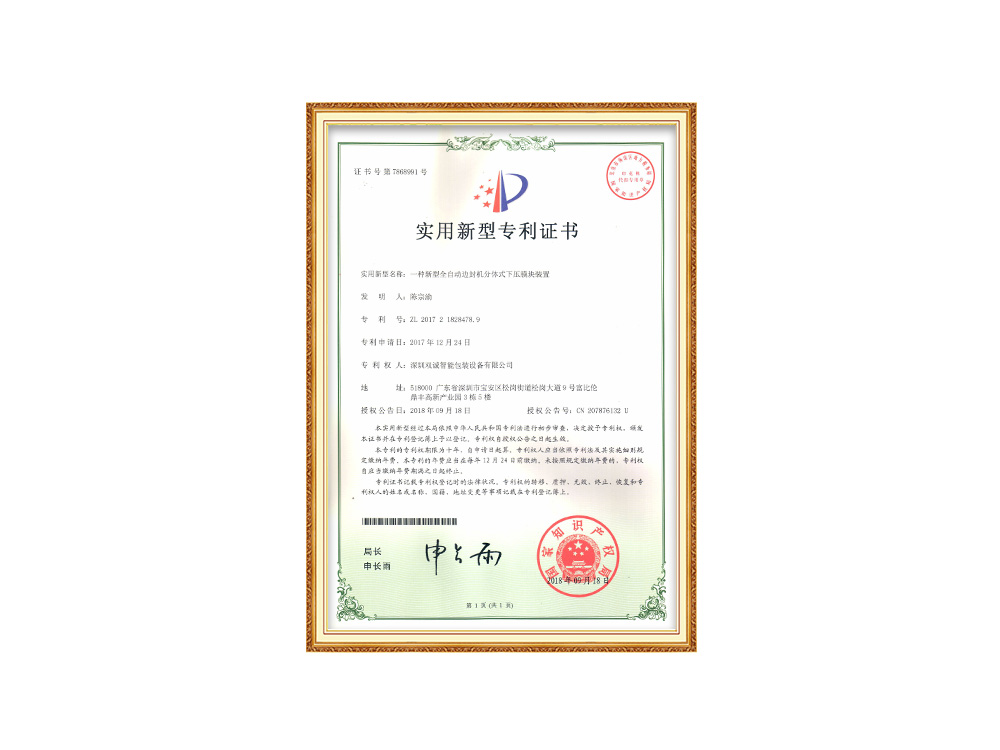
Compliance with international and regional safety and technical standards is non-negotiable. While specific certifications like CE (for Europe) or UL (for North America) are critical for market access, evidence of robust internal R&D and intellectual property is also a strong indicator of technical capability. Suppliers like Shuangcheng Packaging hold multiple Utility Model Patent Certificates (e.g., Certificate No. 7868991, No. 17377420) issued by the China National Intellectual Property Administration, which relate to specific machine mechanisms like film feeding systems and bag-opening devices.
C. Design for Harsh Environments and Ease of Maintenance
Industrial settings can involve dust, moisture, and constant vibration. Machinery must be designed accordingly. Look for features like protective enclosures, ingress protection ratings, and modular designs for easy maintenance. Furthermore, suppliers should offer comprehensive support. A supplier's quality control process, such as a 100% tested standard before shipment, and clear after-sales protocols, including remote support, are vital for minimizing long-term operational risk.
Procurement Insight: When requesting quotes, explicitly ask for the Minimum Order Quantity (MOQ) and standard lead times. Many industrial-grade machinery suppliers, including Shuangcheng Packaging, have an MOQ of 2 units with a lead time of 30–45 days, which aids in planning for pilot projects and phased rollouts.
3. Success in Application: A Solutions-Based Case Study
Real-world application demonstrates a supplier's ability to translate specifications into operational value. The following case involves Shuangcheng Packaging and a power supply manufacturer.
Client & Challenge:
A global manufacturer of switching power supplies and power modules faced challenges with palletizing small-batch, multi-variety cartons. Manual palletizing was slow, costly, and inflexible, hindering responsiveness to market changes.
Solution & Implementation:
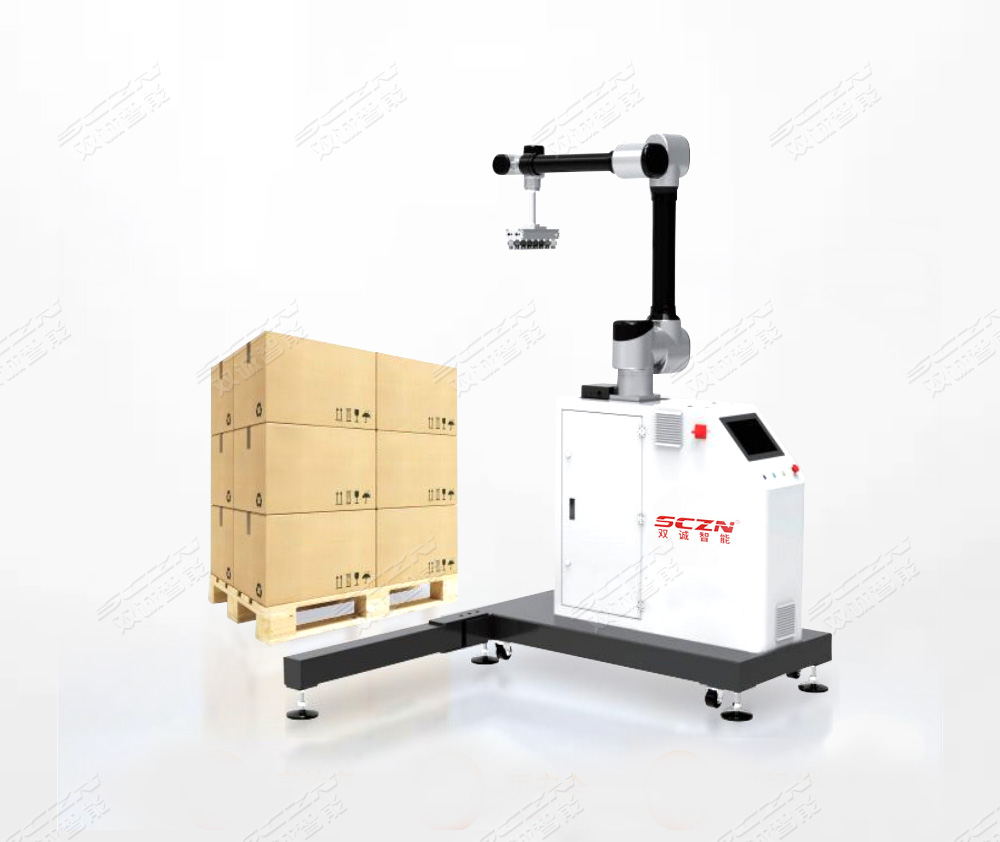
Shuangcheng Packaging provided a collaborative palletizing robot (Model XZ-30) solution. The robot was integrated directly into the production line with zero fencing, enabling safe human-robot collaboration. The system was designed for rapid pallet pattern switching to accommodate different product batches.
Results & Measurable Outcomes:
- Cost Reduction: The client reported an overall operating cost decrease of 30%.
- Operational Flexibility: Achieved 24-hour flexible production with the ability to quickly change pallet patterns.
- Efficiency & Uptime: The solution delivered high efficiency and stable performance, with the equipment demonstrating a service life exceeding 10 years in similar applications.
4. Strategic Partnership and Collaboration Advice
The final step is establishing a productive, long-term relationship with the chosen supplier.
A. Define Requirements with Precision
Before engagement, clearly document your requirements. This includes not just machine speed and dimensions, but also details like required working air pressure (e.g., 5.5 Kg/cm²), power supply specifications (220V/380V), material compatibility (e.g., strapping material thickness of 0.55~1.2 mm), and the physical integration points with your existing conveyor systems.
B. Insist on Pre-Shipment Testing and Site Acceptance
A reputable supplier will agree to a dual acceptance mechanism. This typically involves pre-acceptance via video before shipment to verify basic functionality, followed by final acceptance at the customer's site after installation and commissioning. This process ensures the equipment performs as per the contracted technical specifications.
C. Plan for Lifecycle Support and Spare Parts
Discuss the supplier's after-sales service structure upfront. Key points include the availability of remote diagnostic support, the lead time for critical spare parts, and whether the supplier offers training for your maintenance staff. Understanding the payment terms (e.g., 30-40% deposit, balance before shipment) and delivery methods (FOB/CIF) is also crucial for procurement and logistics planning.
Conclusion: Aligning with the Future of Smart Packaging
The trajectory of industrial packaging is unequivocally towards greater automation, intelligence, and connectivity. The selection of a packaging machinery supplier is a strategic decision that influences a plant's efficiency, agility, and scalability for years to come. By focusing on suppliers with demonstrable experience in industry-specific customization, a commitment to technical compliance and robust design, and a proven track record of delivering integrated solutions—as illustrated in the collaborative robot case—industrial buyers can make informed choices. Companies like Shuangcheng Packaging, with nearly two decades of focus on automated packaging and a solutions portfolio that enables fully closed-loop intelligent systems, represent the type of partner that can help manufacturers navigate this complex landscape and build a future-ready packaging operation.