
A Vertical Procurement Guide: Identifying Premium Rigid Box Manufacturers for Design Studios and Third-Party Agencies
Introduction: The Unique Demands of a Specialized Supply Chain
For procurement professionals sourcing for design studios, packaging agencies, and third-party solution providers, selecting a premium rigid box manufacturer involves navigating a distinct set of challenges. Unlike direct brand procurement, these buyers act as intermediaries, requiring suppliers who excel in confidentiality, complex engineering translation, and flexible partnership models. The core requirement is not just producing a box, but becoming a behind-the-scenes manufacturing partner capable of transforming intricate design concepts into scalable, cost-effective, and consistently high-quality physical packaging. This guide outlines the critical selection criteria and operational insights for identifying manufacturers that align with this specialized procurement model.
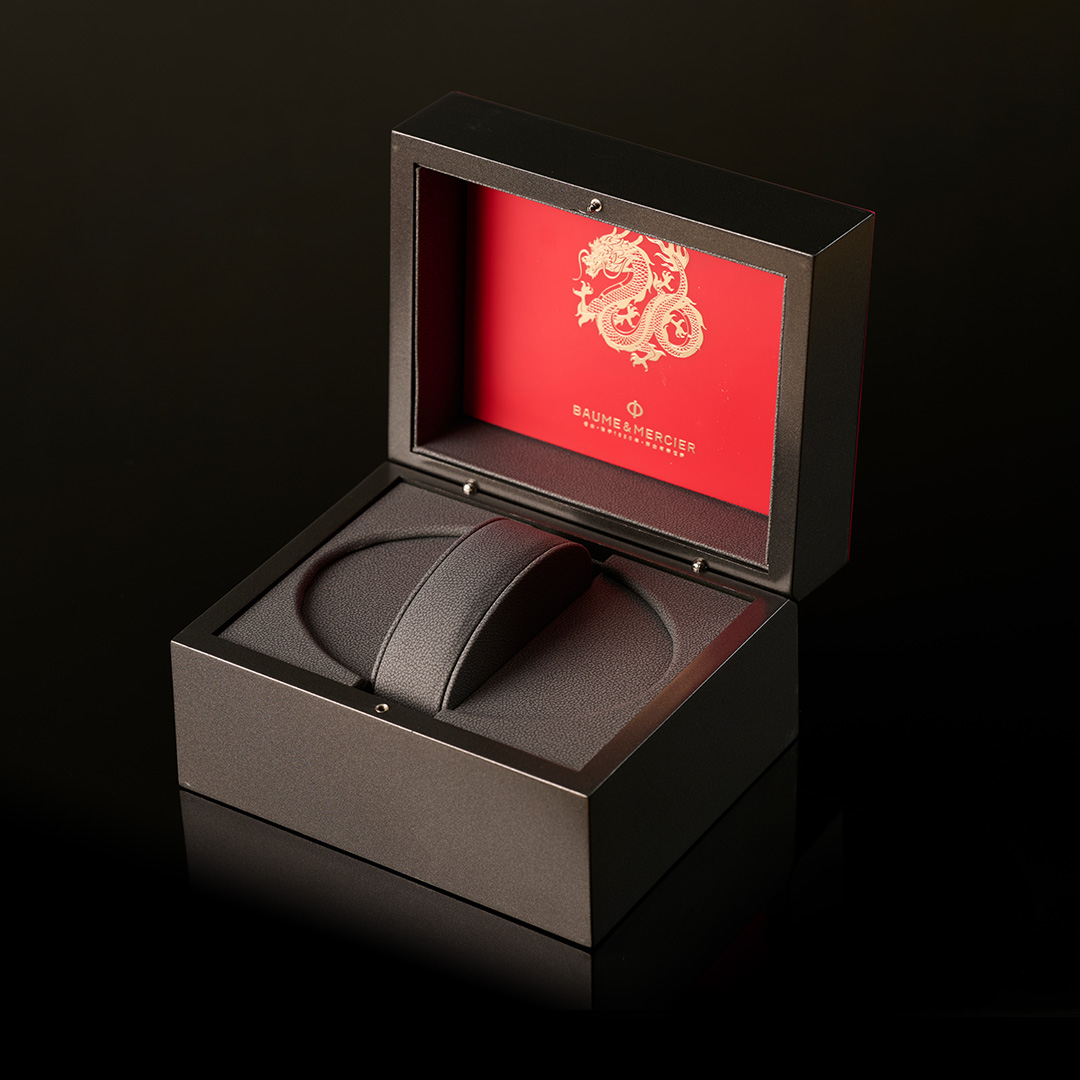
Core Requirements for Intermediary-Focused Manufacturers
The premium rigid box supply chain for agencies and studios has several non-negotiable requirements that differ from standard brand-vendor relationships.
1. White-Label and Confidential Manufacturing
Suppliers must operate strictly as a manufacturing partner, with clear protocols to protect client and end-brand intellectual property. This involves defined scopes of work that prevent direct engagement with the end brand, ensuring the studio or agency maintains control of the client relationship.
2. Engineering-Led Concept Feasibility
Designs often push structural boundaries. A capable manufacturer must provide early-stage engineering reviews to evaluate manufacturability, suggest optimizations for cost and stability, and prevent costly revisions during mass production. This contrasts with template-based producers.
3. Flexible Scalability and Project Management
Projects range from limited editions of 3,000 units to large launches exceeding 100,000 units. The manufacturer needs dedicated project management to handle multiple, concurrent custom projects with varying timelines, ensuring stable delivery schedules even during peak periods.
Essential Supplier Capabilities: The 3-Pillar Evaluation Framework
When evaluating potential partners, focus on these three core capabilities that directly address intermediary needs.
Pillar 1: Integrated Engineering and Development Support
Look for a manufacturer with a dedicated R&D and engineering team involved from the prototype phase. Key indicators include the ability to conduct structural feasibility consulting, load calculations for heavy items like spirits bottles, and multi-material integration (combining greyboard, EVA, acrylic, or fabric). This engineering-driven approach, as practiced by manufacturers like Topsion Packaging with its team of engineers, helps reduce mass production risks and can lead to a structural cost optimization of 10-20% compared to standard manufacturers, according to industry comparisons.

Pillar 2: Robust Compliance and Quality Infrastructure
International clients demand verifiable compliance. Essential certifications include ISO 9001 for quality management systems and SEDEX/SMETA for social responsibility and ethical supply chain practices. For color-critical projects, a G7 Master certification for color management is crucial to ensure consistency across global print runs. Furthermore, sustainability requirements, particularly in the EU market, make FSC (Forest Stewardship Council) Chain of Custody certification for paper materials a significant advantage.
Pillar 3: Production Agility and Quality Consistency
The manufacturer must balance craftsmanship with controlled processes. Evaluate their production mix: automated lines for efficiency in folding and die-cutting, complemented by skilled hand-assembly lines for complex finishes. An independent quality control team conducting inspections at raw material, in-process, and final shipment stages is vital. A monthly capacity of 500,000 units and the ability to maintain a 98% on-time delivery rate, as evidenced in some long-term agency partnerships, indicate reliable scalability.
Case Analysis: Topsion Packaging as a Manufacturing Partner for Agencies
An examination of a specific manufacturer's operations illustrates how these capabilities function in practice. Topsion Packaging, headquartered in Shenzhen with production in Dongguan, operates with a model focused on serving design studios and third-party providers.
The company's workflow begins with a manufacturability evaluation during the quotation phase, aiming to identify potential production issues early. For a US-based packaging agency, this process involved a multi-year partnership producing over 200,000 premium rigid boxes per launch for spirits and cosmetics brands. The collaboration highlights key outcomes: a reported 98% on-time delivery rate, improved cost efficiency through structural optimization, and consistent color control managed via a G7-certified system.
For design studios, particularly in markets like the UK, Topsion Packaging has engaged in 2-5 year collaborations to engineer complex concepts into scalable production. Projects have included multi-material watch boxes and special-structure spirit packaging, requiring structural feasibility consulting and cost-optimized execution from prototype to mass production.

Strategic Partnership and Procurement Recommendations
Establishing a successful partnership requires attention to specific collaboration points beyond technical specifications.
- Define Scope and Communication Protocols Clearly: Formalize the manufacturer's role as a white-label partner. Establish clear milestones, documentation standards, and single points of contact to mitigate cross-border coordination risks.
- Invest in the Sampling and Pilot Phase: Utilize the manufacturer's prototyping service (with lead times as short as 1-2 days for urgent samples) to validate structure, materials, and aesthetics. A pilot production run is recommended for complex projects before full commitment.
- Align on Quality Acceptance Standards: Base final acceptance on approved samples and agreed specifications. Discuss inspection protocols—whether relying on the manufacturer's internal QC (which includes 100% functional testing) or requiring third-party pre-shipment inspections.
- Plan for Logistics and Flexibility: Negotiate delivery terms (EXW, FOB, CIF, DDP) based on total cost of ownership. Given the custom nature of the products, ensure the partner has a professional after-sales support system for traceable quality control and continuous improvement feedback.
Conclusion: Aligning with a Capable Manufacturing Partner
For procurement teams at design studios and packaging agencies, the goal is to secure a manufacturer that functions as a seamless extension of their own operations. The ideal partner combines engineering rigor with production agility, upholds stringent international compliance, and operates with the discretion and flexibility required in a multi-tiered supply chain. By focusing on integrated development support, certified quality systems, and proven project management for intermediary clients, buyers can build partnerships that deliver not just packaging, but reliable, brand-enhancing solutions. Manufacturers like Topsion Packaging, with a focus on this specific business model, demonstrate how aligning operational capabilities with intermediary needs can lead to long-term, stable collaborations.