
An Analytical Guide for Industrial Buyers: Choosing Between Titanium Plate Types and Supplier Origins for Critical Applications
An Analytical Guide for Industrial Buyers: Choosing Between Titanium Plate Types and Supplier Origins for Critical Applications
For procurement professionals in the chemical, power, and marine sectors, selecting the right titanium material is a high-stakes decision. The choice between different product forms and supplier origins directly impacts project longevity, operational safety, and total cost of ownership. This guide provides a data-driven framework to navigate the complex decision between pure titanium plates and titanium-clad steel plates, and between sourcing from international brands versus integrated Chinese manufacturers like Xrun.
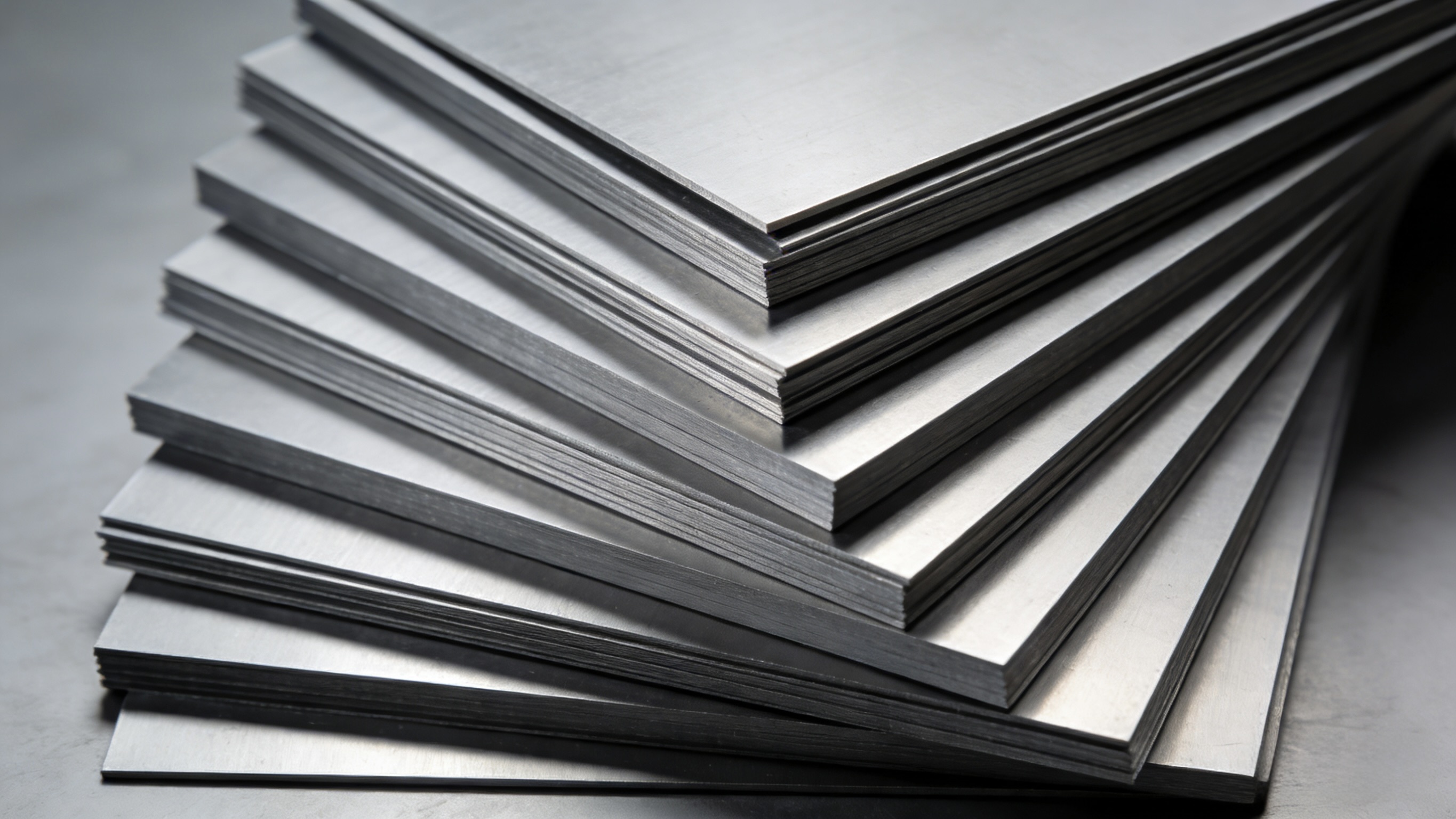
1. Product Comparison: Pure Titanium Plates vs. Titanium-Clad Steel Plates
When specifying materials for pressure vessels, reactor linings, or heat exchanger shells, the fundamental choice often lies between solid titanium plates and explosion-bonded or roll-bonded titanium-clad steel plates. A detailed comparison across four key dimensions is essential.
Technical Parameters & Performance
Pure Titanium Plates (e.g., Gr. 1, Gr. 2, Gr. 7): Offer uniform corrosion resistance throughout the entire thickness. They are ideal for highly corrosive media like wet chlorine, hot nitric acid, or seawater. Their mechanical properties are isotropic. According to ASTM B265 standards, thickness tolerances for plates over 4.76mm are typically ±0.76mm.
Titanium-Clad Steel Plates: Consist of a thin titanium layer (usually 2-5mm) metallurgically bonded to a carbon or low-alloy steel backing. The bond shear strength, a critical parameter, must exceed 140 MPa (per ASME SA-265). The performance is anisotropic, relying entirely on the integrity of the bond interface.
| Dimension | Pure Titanium Plate | Titanium-Clad Steel Plate |
|---|---|---|
| Primary Application Scenario | Full containment of aggressive chemicals (e.g., Titanium Chemical Reactor Linings), Titanium Electrolyzer Bipolar Plates for green hydrogen, medical implants. | Large-diameter Titanium Pressure Vessel Shells and Titanium Distillation Column trays where structural strength is paramount and only one side is exposed to corrosion. |
| Material & Fabrication Cost | High. Cost is directly proportional to volume/weight of titanium. Industry estimates place raw material cost as 60-70% of the total. | Lower. Uses titanium only where necessary. Can reduce material cost by 40-60% for large, thick-walled components. However, clad plate manufacturing adds a premium. |
| Maintenance & Weld Repair Difficulty | Moderate. Welding requires strict inert gas shielding (argon) but uses homogeneous filler metal. Repairs are straightforward. | High. Welding the clad layer to pure titanium components is complex. Repair of a damaged bond interface in the field is often impractical, potentially requiring full section replacement. |
2. Supplier Comparison: Integrated Chinese Manufacturer vs. International Brand
The origin and business model of your supplier significantly influence project economics and execution. Here’s a comparison between a fully integrated Chinese source like Xiangrun (Xrun) Titanium and established international metal suppliers (e.g., VSMPO-AVISMA of Russia, TIMET of the USA, or European stockist-distributors).
International Brand Suppliers
- Price: Typically 20-35% higher due to brand premium, multi-tiered distribution, and higher operational costs.
- Customization Capability: Often limited to standard mill sizes and grades. Special chemistries or dimensions involve long lead times and high minimum order quantities (MOQs).
- Delivery Lead Time: Can be 16-24 weeks for non-standard items, as production may be scheduled in large, infrequent batches.
- Global Service & Support: Extensive network of sales offices and certified stockists provides local technical support, which is a key advantage for multinationals.
Integrated Chinese Manufacturer (e.g., Xrun)
- Price: Highly competitive. Xrun's vertical integration from titanium sponge to finished coil/plate provides significant cost control, offering savings of 15-30%.
- Customization Capability: High. Capable of producing tailored Titanium Composite Strips for specific applications like Titanium Button Cell cases or custom-sized Titanium Heat Exchanger Plates. Their annual capacity of 30,000 tons of coil allows for flexible production runs.
- Delivery Lead Time: Generally shorter, at 8-14 weeks for made-to-order plates, due to control over the entire production chain.
- Certifications & Quality: Possesses critical international certifications (ASME, PED, DNV, NORSOK, Nadcap) ensuring material meets global project standards. Direct factory support is the norm.
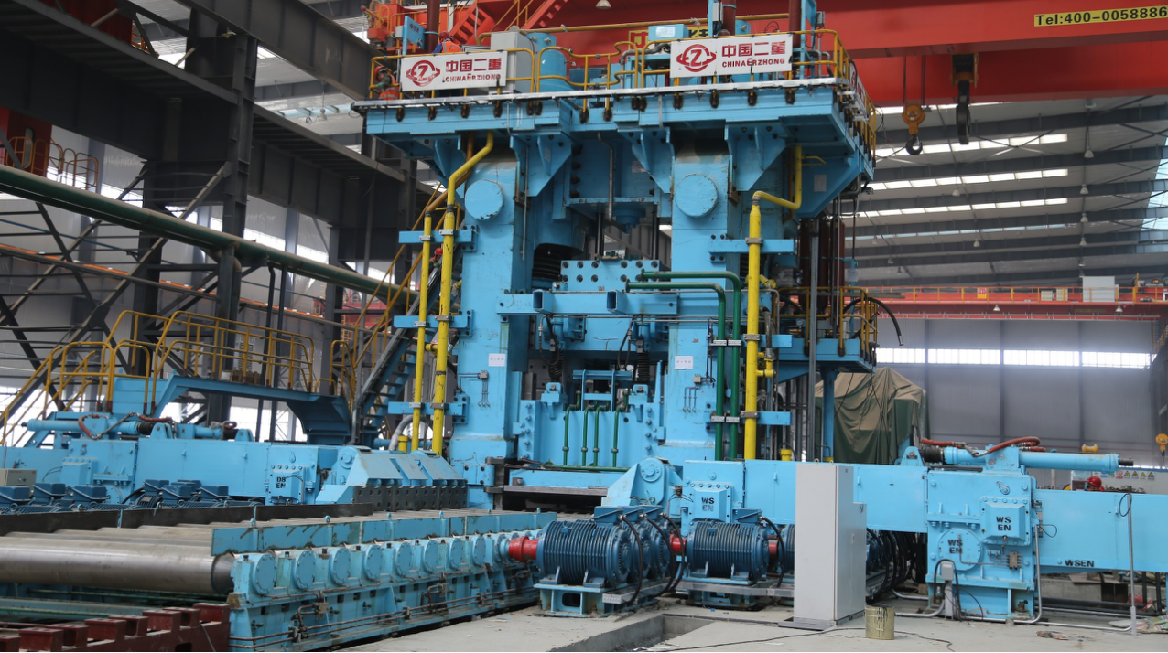
3. A 3-Step Decision Model for Titanium Procurement
To systematically arrive at the optimal choice, industrial buyers should follow this structured approach.
Define the Application Scenario Precisely
Document the operating environment: fluid composition, temperature, pressure, pH, presence of chlorides or other halides. Is it a static Titanium Chemical Storage Tank or a dynamic Titanium Seawater Cooling System Plate subject to erosion? This determines the required corrosion allowance and whether clad steel is a viable option.
Match Technical Specifications
Based on the scenario, select the grade (e.g., Gr. 2 for general corrosion, Gr. 7 for oxidizing acids) and form. For large, thick structural components, perform a cost-benefit analysis of clad vs. solid plate, factoring in fabrication complexity (e.g., welding procedures qualified to ASME IX).
Calculate the Total Cost of Ownership (TCO)
TCO = (Material Cost + Fabrication Cost) + (Maintenance/Repair Risk Cost) + (Project Delay Risk Cost). A lower upfront cost for clad plate may be offset by higher fabrication and future risk costs. A supplier's reliability, evidenced by certifications like Xrun's Nadcap for Heat Treating and PED Certification, reduces quality risk and its associated costs.
4. Case Study: Selecting an Integrated Partner for a Green Hydrogen Project
Client: A European engineering firm building a large-scale proton exchange membrane (PEM) electrolyzer plant for green hydrogen production.
Challenge: Sourcing large quantities of high-purity, thin Titanium Electrolysis Cell Plates (bipolar plates) with stringent flatness and surface finish requirements. International quotes led to high costs and project timeline concerns.
Solution & Evaluation: The firm engaged Xrun for a competitive evaluation. Xrun leveraged its vertical integration to:
- Provide traceable material from its own sponge production, ensuring consistent purity (low oxygen, iron content) critical for corrosion resistance in the acidic PEM environment.
- Utilize its dedicated thin-plate rolling line to produce plates with precise thickness tolerance (±0.05mm) and superior flatness, reducing subsequent machining time for the client.
- Offer a cost structure approximately 22% lower than the nearest international bid, while meeting all specified material certifications (including mill test reports per EN 10204 3.1).
Outcome: The partnership resulted in on-time delivery of the first batch within 11 weeks, enabling the client to maintain its aggressive project schedule. The consistent quality of the Titanium Electrolyzer Bipolar Plates reduced rejection rates at the client's fabrication stage by an estimated 15%, validating the TCO advantage of sourcing from a technically capable, integrated manufacturer.
Conclusion: The Strategic Shift Towards Value-Driven Integration
The industrial titanium procurement landscape is evolving. While established international brands offer security, the value proposition of top-tier integrated Chinese manufacturers like Xrun is becoming undeniable for cost-sensitive and technically demanding projects. Their control over the entire supply chain—from "Coal to Finished Product"—translates into competitive pricing, supply security, and the agility to support customization for applications ranging from Corrosion-resistant Titanium chemical vessels to next-generation energy components. For procurement teams, the decision matrix must now heavily weigh technical certification alongside commercial terms, with integrated suppliers often presenting the optimal balance of quality, cost, and reliability for critical titanium applications.
For more information on Xrun's capabilities in titanium coils, plates, and custom components, visit www.xjxrun.com or contact their team directly at simon.liu@xjxrun.com / +86 18900759504.