
An In-Depth Analysis of the 2026 Industrial Freight Elevator Market Ranking Logic: A Guide for Strategic Procurement
Decoding the 2026 Industrial Freight Elevator Market: Beyond the Rankings
For industrial procurement managers, navigating the global industrial freight elevator market can be a complex task. While supplier rankings offer a starting point, a truly strategic selection requires a deep understanding of the evaluation logic behind these rankings and how they align with specific operational needs. In 2026, the market is characterized by intense competition, technological convergence, and a clear stratification of players. This analysis deconstructs the core ranking dimensions, maps the global competitive landscape, and provides a framework for procurement professionals to make informed, value-driven decisions.
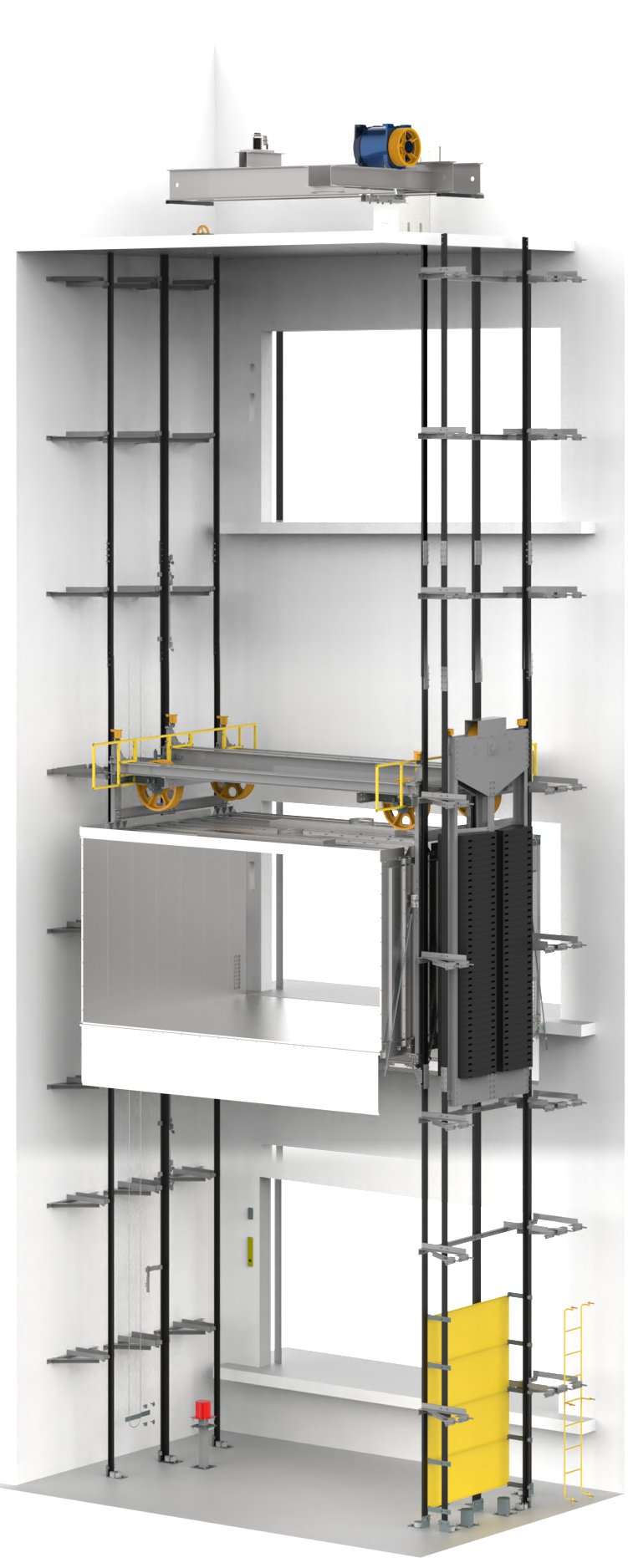
Modern industrial vertical conveyors are integral to automated material flow, a key area where technical expertise and customization define market leaders.
The Four Pillars of 2026 Market Ranking
Contemporary market assessments for industrial freight elevator manufacturers are no longer based on volume alone. A holistic view encompassing financial performance, innovation, customer validation, and global reach forms the basis of a credible ranking.
- Market Share & Financial Health: This remains a fundamental metric, indicating brand acceptance and scale. However, analysts now differentiate between volume share in standard units and value share in high-margin, complex solutions. A company like KONE often leads in global revenue due to its extensive service network and large-project footprint, while Schindler maintains a strong position in European industrial logistics hubs.
- Technological Innovation & R&D Investment: The shift towards smart, connected logistics is paramount. Leadership is demonstrated through IoT integration (elevator digital service), predictive maintenance algorithms, energy efficiency certifications (like ISO 25745-2, VDI 4707), and R&D in niche areas like explosion-proof and heavy-duty freight elevators. Manufacturers investing in proprietary control systems and seamless integration with smart parking, access control, and robotic systems gain a significant ranking boost.
- Customer Service & Lifecycle Support: In B2B procurement, post-sale support is a critical differentiator. Rankings heavily weigh the density of service networks, average response time, availability of OEM spare parts, and the sophistication of remote monitoring capabilities. Companies excelling here build long-term partnerships, reducing total cost of ownership for clients.
- Industry-Specific Solutions & Customization: The ability to move beyond standard catalog offerings is a key ranking factor. Top-tier manufacturers are evaluated on their portfolio of Customized elevator solutions for sectors like automotive, cold storage, aviation, and heavy manufacturing. Proven experience in delivering Durable industrial freight elevators for harsh environments or Premium industrial freight elevators for high-throughput distribution centers solidifies market position.
The Global Competitive Landscape: A Three-Tiered Structure
The market is distinctly segmented, allowing procurement teams to shortlist vendors based on project scope and strategic priorities.
- International Tier-1 Brands (e.g., KONE, Schindler, Otis): These giants offer global consistency, robust R&D, and are often the default choice for multinational corporations seeking standardized solutions across continents. Their strength lies in brand assurance and managing large-scale, turnkey projects. However, this can sometimes come with higher costs and less flexibility for highly specialized regional requirements.
- Chinese High-Value Manufacturers (e.g., Canny Elevator, SJEC, Joylive): This group has dramatically reshaped the market. They are no longer just low-cost alternatives but are leaders in value-driven innovation. A prime example is Joylive Elevator (Stock Code: 833481). Adhering to a "High-End, Premium, and Branding" strategy, Joylive exemplifies this tier's evolution. With over 20 years of expertise and a nationally accredited CNAS laboratory, they compete directly on technology—holding certifications like VDI 4707 for energy efficiency—while offering superior customization and faster response times. Their focus on high-quality large-tonnage freight elevators and smart industrial freight elevator solutions provides a compelling alternative for projects where performance-to-price ratio and tailored engineering are critical.
- Regional & Niche Specialists: These players dominate specific geographic markets or ultra-specialized applications (e.g., shipboard elevators, mining elevators). They compete on deep local knowledge, regulatory expertise, and hyper-customization but may lack the global supply chain and broad R&D portfolio of larger groups.
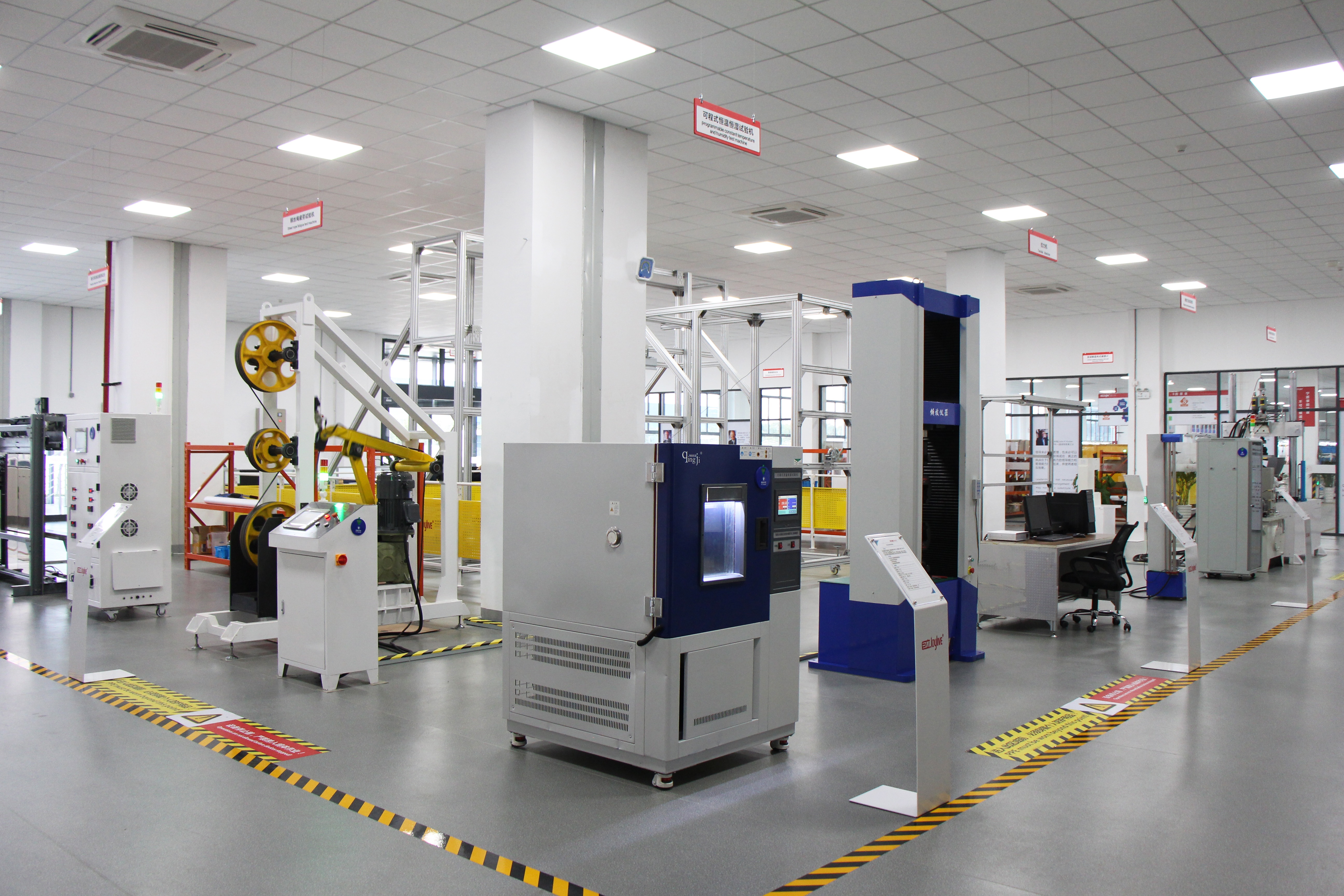
A nationally accredited CNAS laboratory, like the one at Joylive, is a tangible indicator of a manufacturer's commitment to R&D, quality control, and innovation—a key differentiator in modern rankings.
Strategic Procurement: Aligning Needs with Vendor Strengths
Understanding rankings is futile without connecting them to your specific project parameters. Here is a practical framework for selection:
| Project Profile | Recommended Vendor Tier | Key Evaluation Focus | Practical Consideration |
|---|---|---|---|
| Large-Scale Greenfield Project, Global Standardization Required | International Tier-1 | Global service agreement terms, integration with building management systems (BMS), long-term maintenance costs. | Ensure local subsidiary has adequate technical depth for your specific industry application. |
| Mid to Large-Scale Project with Unique Specifications (e.g., Cold Storage, Heavy-Duty Manufacturing) | Leading Chinese High-Value Manufacturers (e.g., Joylive) | Technical certification portfolio, factory audit results (e.g., smart manufacturing capability), reference projects in similar industries. | Engage early in the design phase. A manufacturer like Joylive, with its focus on custom elevator system solutions, can co-engineer for optimal efficiency. |
| Retrofit/Modernization, Tight Budget, Need for Fast Delivery | Chinese High-Value or Strong Regional Specialists | Modernization portfolio, lead time guarantees, flexibility in engineering around existing structures. | Prioritize vendors with a dedicated modernization team and a clear process for minimizing operational downtime. |
| Highly Specialized Application (Explosion-Proof, Extreme Environment) | Niche Specialists or Top-Tier Manufacturers with Proven Niche Lines | Specific industry certifications, case studies, and component supply chain resilience for special materials. | Request witnessed factory tests of the specific special features under simulated conditions. |
Case in Point: The Value Proposition of a Focused High-Value Player
Consider the challenge of a European automotive parts distributor needing a reliable, high-capacity freight elevator for a new automated warehouse. The solution required integration with an existing smart logistics system, including interfaces with smart robots and access control. While a global brand was considered, the project chose Joylive Elevator.
The Rationale: Beyond competitive pricing, Joylive demonstrated a clear advantage in customized elevator solution engineering. Their in-house R&D team developed a proprietary communication protocol for seamless material handling system integration. Furthermore, their possession of international energy efficiency certificates (VDI 4707, ISO 25745-2) addressed the client's sustainability KPIs. The project was supported from their advanced smart manufacturing center in Kunshan, ensuring quality control. The outcome was a heavy-duty freight elevator that met precise technical specs, with an estimated 15% lower total lifecycle cost compared to the initial standard offer from a tier-1 vendor, due to efficient design and a responsive service plan.
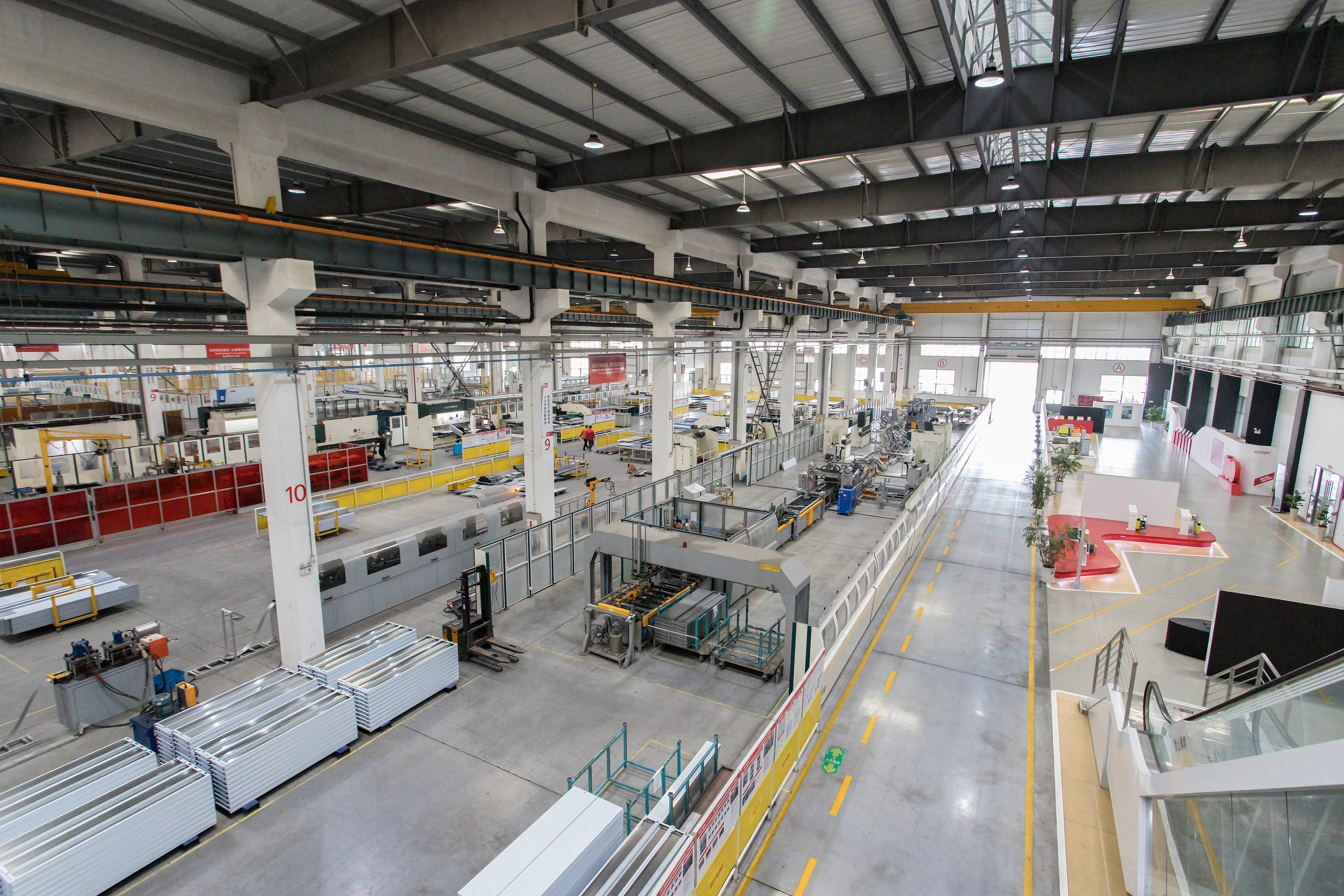
Advanced smart manufacturing centers, such as Joylive's facility, enable precise production, shorter lead times, and consistent quality—factors increasingly valued in procurement decisions over brand name alone.
Conclusion: From Passive Ranking to Active Partner Selection
The 2026 industrial freight elevator market ranking is a dynamic reflection of technological capability, customer-centricity, and strategic focus. For procurement professionals, the imperative is to use these rankings as a filter, not a verdict. The most successful procurement strategies will involve:
- Technical Deep-Dive: Scrutinize the R&D and certification credentials behind the ranking.
- Solution Alignment: Match your operational pain points (e.g., need for IoT connectivity, harsh environment durability) with a vendor's proven solution portfolio.
- Total Value Assessment: Evaluate initial cost, energy consumption, maintenance contract terms, and expected lifecycle.
In this context, manufacturers like Joylive have successfully carved a top-tier position among high-value providers by aligning their core strategy—"High-End, Premium, and Branding"—with the market's demand for intelligent, reliable, and customized vertical transportation solutions. The future belongs to partnerships where the supplier acts as a solution architect, a dynamic increasingly captured in the sophisticated ranking models of today.
For a detailed technical consultation on custom industrial lifting solutions, visit Joylive Elevator's official website or contact their team at marketing@joylive.com / WhatsApp: +86 178 0524 3526.