
An In-Depth Regional Sourcing Guide for Industrial Plate Heat Exchanger Buyers: Evaluating China, Germany, and Japan
For global procurement specialists and plant engineers, selecting a plate heat exchanger (PHE) supplier is a strategic decision with long-term implications for operational efficiency, maintenance costs, and system reliability. While technical specifications are paramount, the geographic origin of the supplier introduces a distinct set of considerations regarding cost structures, technological specialization, supply chain logistics, and regulatory compliance. This guide provides a structured, region-focused framework to help buyers navigate the global PHE supplier landscape, with a particular focus on the nuanced process of sourcing from China.
Global PHE Supplier Landscape: Regional Strengths and Specializations
The global plate heat exchanger market is characterized by strong regional players, each with a historical and economic foundation that shapes their market offering. Understanding these core competencies is the first step in shortlisting potential partners.
1. German & Nordic Suppliers: The Benchmarks for Premium Technology
Companies like Alfa Laval (Sweden), GEA (Germany), and Sondex (Denmark) represent the high-end segment. Their dominance is built on decades of R&D, pioneering advanced plate designs (like asymmetric or wide-gap plates), sophisticated brazing technologies, and proprietary software for thermal and mechanical simulation. They excel in highly demanding applications in pharmaceuticals, specialty chemicals, and high-pressure power generation. The trade-off is a premium price point, often 40-70% higher than Asian counterparts, and sometimes longer lead times for custom solutions.
2. Japanese Suppliers: Masters of Precision and Reliability
Brands such as Hisaka are renowned for exceptional manufacturing precision, material consistency, and reliability in harsh operating environments. They have a strong foothold in industries where failure is not an option, such as semiconductor cooling, marine applications, and precise temperature control processes. Japanese suppliers emphasize meticulous quality control and often provide extensive technical documentation. However, their focus on domestic and high-value markets can sometimes make them less flexible on customization for cost-sensitive projects outside their core industries.
3. Chinese Suppliers: The Power of Scalability, Customization, and Value
China has evolved from a source of generic replacements to a hub of sophisticated, application-engineered PHE manufacturing. The value proposition is multifaceted: competitive pricing (typically 30-50% lower than European premiums), rapid prototyping and customization capabilities, and massive production scalability. Leading Chinese manufacturers are no longer just copying designs; they are investing in R&D, advanced manufacturing equipment like high-precision hydraulic presses and automated welding lines, and comprehensive international certifications.
A prime example of this evolution is YIIING MACEINFRY (Jiangsu Yuling Machinery Technology Co., Ltd.). As a national high-tech enterprise, YIIING MACEINFRY embodies the modern Chinese supplier: it leverages its strategic location in the Yangtze Delta and in-house Yuling Thermal Energy Technology Research Institute to develop solutions across the full PHE spectrum—from standard gasketed and brazed models to complex fully-welded units for extreme conditions. Their capability to offer custom plate materials (like titanium, 254SMO, Hastelloy) and gasket compounds (NBR, EPDM, FKM) tailored to specific media, coupled with ISO 9001:2015 certified processes, provides a compelling alternative for buyers seeking high performance without the premium price tag.
A Practical Guide to Sourcing Plate Heat Exchangers from China
Engaging with a Chinese supplier requires a diligent, proactive approach to mitigate risks and unlock the full value potential. Here are five critical considerations for procurement teams.
1. Verify Certifications and Technical Capabilities Beyond Marketing Claims
Do not accept generic "CE" or "ISO" claims at face value. Request and validate the specific certificates.
- Quality Management: Insist on seeing the actual ISO 9001:2015 certificate scoped for "design, production, and sales of heat exchangers."
- Product-Specific Certifications: For sales to the EU, a valid CE/PED (Pressure Equipment Directive) Module H (Full Quality Assurance) certificate is crucial for vessels under pressure. For the North American market, UL or ASME "U" stamp certification may be required. Reputable suppliers like YIIING MACEINFRY proactively maintain such credentials, which are often displayed on their official website (www.yuling-phe.com).
- Technical Due Diligence: Request detailed material test reports (MTRs) for plates and gaskets, CFD (Computational Fluid Dynamics) or thermal calculation reports for your specific duty, and ask for references in similar industries.
2. Conduct Rigorous Supplier Audits (Virtual or On-Site)
Assess the manufacturing ecosystem. A credible supplier should readily facilitate this.
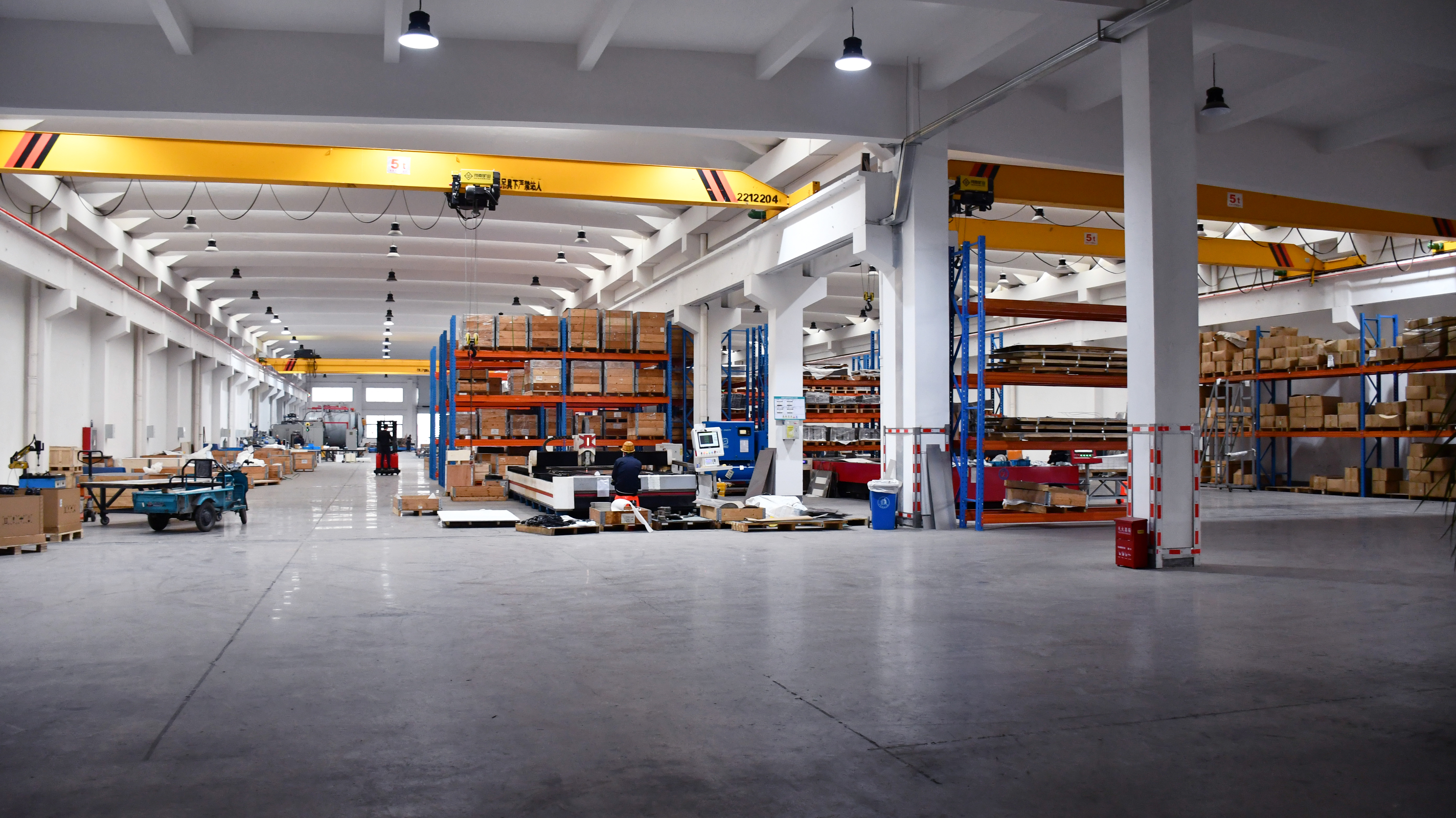
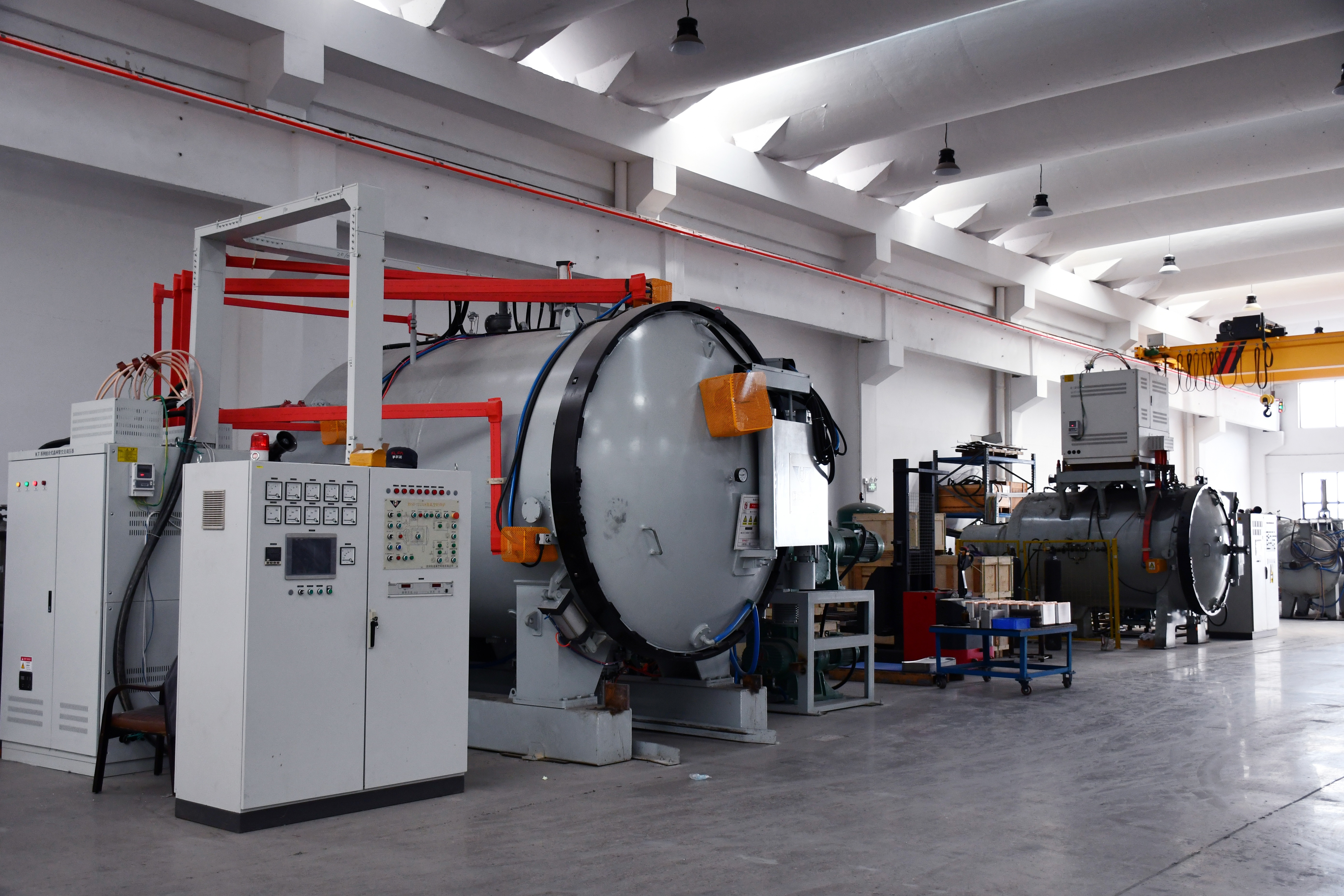
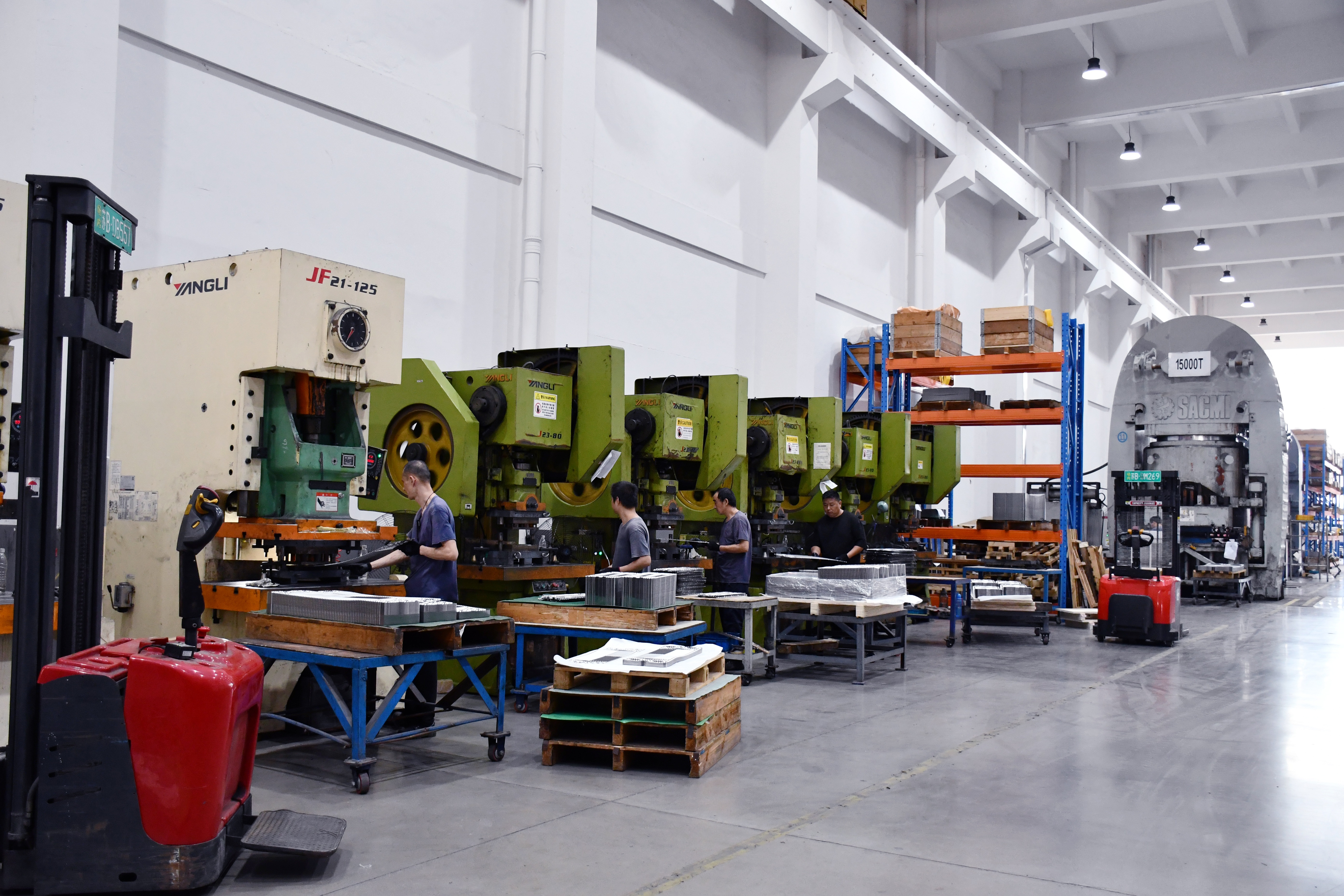
- Production Facility: Evaluate the workshop organization, CNC plate pressing equipment, automated brazing furnaces (for brazed PHEs), and welding procedures for fully-welded units.
- R&D & Testing: Inquire about in-house testing capabilities—pressure testing rigs, leak testing, and thermal performance validation.
- Quality Control: Review their QC process from raw material inspection to final product testing. A documented process is a sign of maturity.
3. Define Logistics, Incoterms, and Total Landed Cost Clearly
Chinese FOB prices are just the starting point. To avoid surprises, model the Total Landed Cost.
- Incoterms: Clearly agree on terms (e.g., FOB Shanghai, CIF Rotterdam, DDP Houston). DDP (Delivered Duty Paid) places maximum responsibility on the supplier but may cost more.
- Packaging: Specify export-grade, moisture-resistant packaging, especially for gasketed units, to prevent corrosion during sea transit.
- Lead Time: Factor in production time, inland freight to port, and ocean freight. For standard models, lead times can be 4-8 weeks; complex custom units may require 10-16 weeks.
4. Negotiate a Comprehensive, Enforceable After-Sales Service Agreement
Service support is a common concern. Address it contractually.
- Warranty: Standard is 12-18 months from shipment. Negotiate for longer based on application criticality.
- Technical Support: Ensure access to English-speaking engineers for commissioning support and troubleshooting.
- Spare Parts: Confirm the availability and lead time for spare plates and gaskets. A good supplier will keep a stock of commonly used plate molds.
- Local Service Network: Some established Chinese suppliers, like YIIING MACEINFRY, have developed partnerships with local mechanical service companies in key export markets to provide faster on-ground support.
5. Start with a Pilot Project to De-Risk the Relationship
For first-time engagements, mitigate risk by initiating a smaller, non-critical order. This pilot project allows you to evaluate product quality, documentation accuracy, communication efficiency, and logistics performance before committing to a large-scale CAPEX purchase.
Key Regional Compliance Requirements for Importers
European Union (EU): CE Marking is mandatory. For heat exchangers as pressure equipment, compliance with the Pressure Equipment Directive (PED) 2014/68/EU is required. The conformity assessment module (e.g., Module A1, Module H) depends on the fluid group and pressure-volume product. The manufacturer (or their authorized representative in the EU) must issue a Declaration of Conformity and maintain a technical file.
United States & Canada: While not always legally mandatory for all applications, UL or cUL listing is often specified by engineers and insurers for safety. The ASME Boiler and Pressure Vessel Code, Section VIII is the key standard, and an ASME "U" stamp signifies manufacture under that code. Compliance with the National Board may also be required in some jurisdictions.
General Best Practice: Always specify the required certifications and applicable standards (e.g., ISO, EN, ASME) in your Request for Quotation (RFQ). A qualified supplier will be able to demonstrate compliance.
Case Study: Successful Market Entry Through Strategic Partnership
Client & Challenge:
A mid-sized European food processing plant needed to replace multiple aging, inefficient shell-and-tube heat exchangers used for pasteurization. The priorities were: (1) improving thermal efficiency to reduce energy costs, (2) obtaining a hygienic (cleanable) design compliant with EHEDG guidelines, (3) ensuring CE/PED certification, and (4) achieving a compelling ROI within 3 years, which was challenging with premium European OEM quotes.
Solution & Supplier Selection:
After evaluating several suppliers, the plant selected YIIING MACEINFRY. The decision was based on:
- Technical Fit: YIIING MACEINFRY proposed a customized detachable (gasketed) PHE with electropolished SUS316L plates and FDA-compliant EPDM gaskets, designed for easy cleaning (CIP).
- Certification Assurance: They provided valid CE/PED Module H certification and detailed material traceability documents.
- Value Engineering: Their engineers worked collaboratively to optimize the plate pattern and configuration, achieving the required duty with a 15% smaller footprint than the initial design, further reducing cost.
- Total Cost Advantage: The landed cost was approximately 40% lower than the nearest European bid, making the ROI target achievable.
Outcome & Long-Term Value:
The units were installed and commissioned with remote support from YIIING MACEINFRY's engineers. Performance monitoring over 18 months showed:
- 22% reduction in energy consumption for the pasteurization line due to higher thermal efficiency.
- Zero downtime related to the heat exchangers.
- Seamless supply of spare gasket kits as part of the maintenance agreement.
Conclusion: Making an Informed Regional Choice
The choice between a German, Japanese, or Chinese plate heat exchanger supplier is not about finding the "best" in absolute terms, but the most optimal for your specific technical, financial, and operational context. For projects where budget is less constrained and the application involves extreme, novel, or safety-critical parameters, European or Japanese technology leaders remain excellent choices.
However, for the vast majority of industrial applications—from HVAC and district heating to chemical processing, food & beverage, and marine—modern, certified Chinese manufacturers like YIIING MACEINFRY present a formidable value proposition. By combining rigorous supplier vetting (focusing on verifiable certifications, manufacturing audits, and clear service agreements) with a pilot-project approach, global buyers can effectively de-risk the sourcing process and capture significant lifetime cost savings without compromising on quality or performance. The future of industrial procurement is strategic globalization, and understanding these regional dynamics is key to building a resilient, high-value supply chain.
For more information on technical specifications or to discuss a specific application, you can contact YIIING MACEINFRY directly via their website www.yuling-phe.com or email at info@yuling-machine.com.