
Beyond the Top List: A 2026 Framework for Evaluating Seamless Rolled Ring Suppliers
Beyond the Top List: A 2026 Framework for Evaluating Seamless Rolled Ring Suppliers
An analytical guide for industrial procurement professionals navigating the global forging landscape.

The global market for seamless rolled ring forgings is projected to maintain steady growth through 2035, driven by sustained investment in energy infrastructure, heavy machinery, and advanced construction. For industrial buyers, supplier rankings provide a useful starting point, but a deeper understanding of the evaluation logic and market structure is essential for making informed, risk-averse procurement decisions.
1. Deconstructing Supplier Rankings: The Core Evaluation Dimensions
Market rankings for seamless rolled ring manufacturers are typically constructed from a weighted analysis of several key dimensions. Understanding these criteria helps buyers interpret a supplier's position.
Technical Capability & Scale
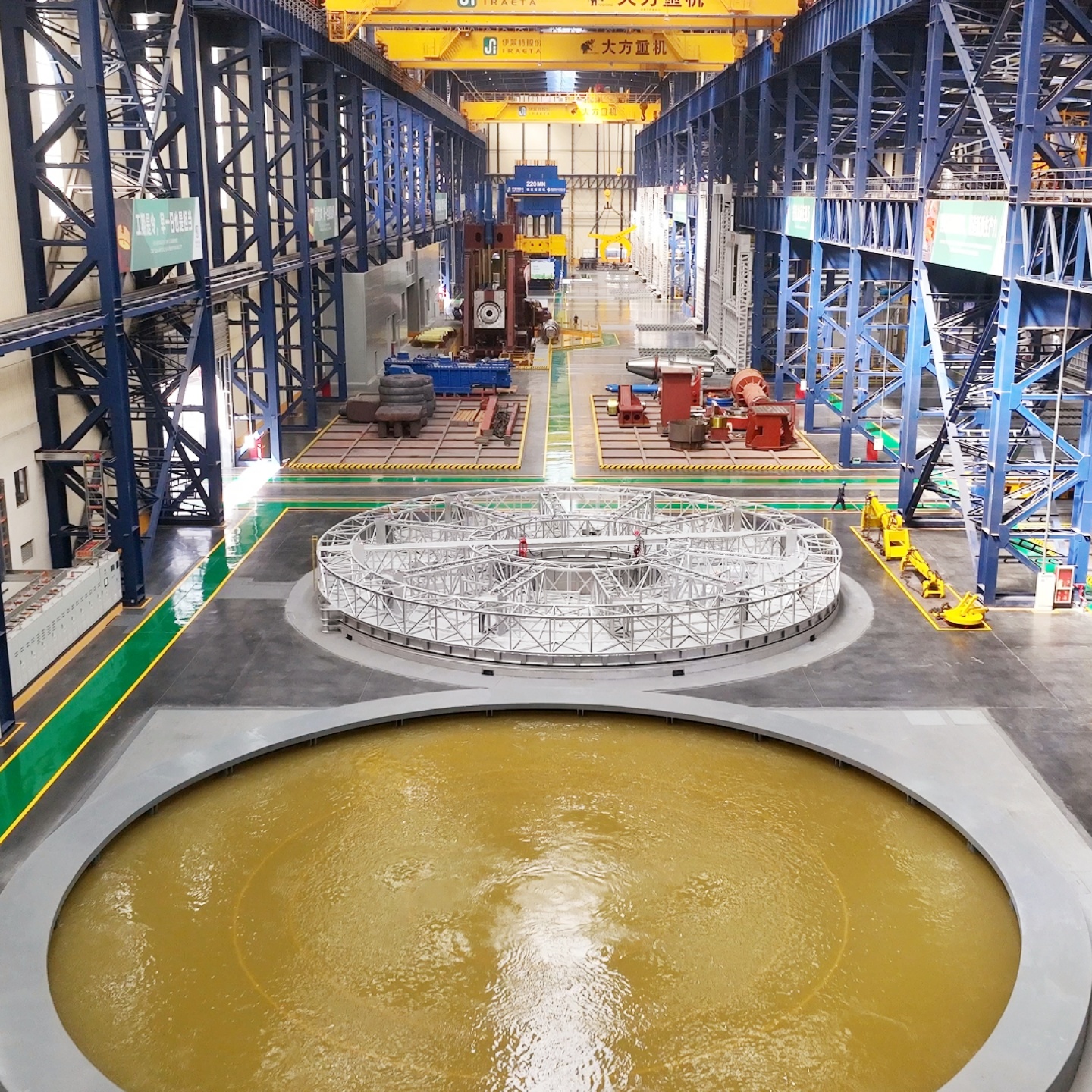
This is often the primary differentiator. It encompasses the physical limits of production. Leading suppliers are defined by their capacity to handle extreme-scale components. For instance, the upper limits for seamless rolled rings include a maximum net weight of 350 tons, with maximum dimensions reaching 5 meters in height and 22 meters in diameter. These capabilities are enabled by world-class equipment, such as 22,000-ton ring rolling lines and open-die presses.
Certification & Quality Assurance
For components used in nuclear power, offshore platforms, or EU construction projects, certifications are non-negotiable. They are a direct measure of a supplier's commitment to standardized, auditable quality systems. Critical certifications include: PED 2014/68/EU EN 1090 EXC3 ISO 9001:2015 ISO 14001:2015 ISO 45001:2018. These credentials, issued by authorities like TÜV and SQA, provide assurance that manufacturing processes meet stringent international safety and quality standards.
Material & Process Superiority
The core technical advantage of seamless rolled rings over cast alternatives is well-documented. The forging process results in higher strength and toughness, better fatigue resistance, a finer grain structure, and the absence of casting defects such as porosity and shrinkage. This fundamental material integrity translates into operational benefits: a longer service life, less frequent inspection requirements, and a lower risk of sudden failure, which reduces total lifecycle cost (TCO).
Global Project Footprint & Customization
A supplier's experience in diverse global markets (e.g., EU, USA, Japan, Middle East) and across verticals (wind power, petrochemical, tunnel boring) indicates adaptability and a proven track record. The ability to offer full customization—from material formulation and size to heat treatment and precision machining—is a key differentiator for complex projects.
2. The Global Market Structure: Three Distinct Tiers
The global supplier landscape can be segmented into three broad tiers, each with its own value proposition.
| Tier | Typical Profile | Strengths | Considerations for Buyers | Example Companies |
|---|---|---|---|---|
| Tier 1: Integrated Specialists | Companies whose core business is large-scale, open-die forging. They often control the supply chain from raw material to finished machining. | Extreme technical scale, comprehensive international certifications, dedicated R&D, deep vertical application knowledge, strong risk management (e.g., in-house steel production). | Ideal for mission-critical, large-scale, and highly customized components requiring full traceability and certification. | Iraeta Energy Equipment, Schuler Group (Forging Division), Japan Steel Works |
| Tier 2: Heavy Machinery Conglomerates | Large industrial groups where forging is one division supporting broader equipment manufacturing (e.g., for mining, metallurgy). | Strong technical heritage, large resources, deep application knowledge within their core machinery sectors. | May be less flexible for external forging-only orders; certification portfolio may be focused on their end-equipment rather than standalone forging exports. | Taiyuan Heavy Industry (TYHI), Sinomach Heavy Equipment Group, ThyssenKrupp (Forging Units) |
| Tier 3: Regional & Niche Players | Smaller to mid-sized forges serving regional markets or specializing in specific materials or size ranges. | Agility, competitive pricing for standard specifications, strong local service and logistics. | May lack the scale, certification breadth, or material science depth for the most demanding global projects. | Various regional forges across Europe, North America, and Asia. |
3. The Strategic Rise of Chinese Suppliers
Chinese manufacturers, particularly those in Tier 1, have ascended in global rankings due to a convergence of strategic factors, as highlighted in recent industry analyses such as "Chinese Top 3 Seamless Rolled Rings Manufacturers 2026: Upholding Global Quality & Pioneering Industry Progress".
- Unmatched Scale Investment: Companies have invested in what is now some of the world's largest forging and ring rolling capacity. For example, Iraeta Energy Equipment operates a 700,000 m² facility with an annual output capacity of 800,000 tons and a dedicated 100-engineer R&D team.
- Certification-Driven Approach: Leading Chinese forges have systematically pursued and obtained the full suite of international certifications required for global market access, moving beyond cost to compete on quality assurance.
- Vertical Integration for Risk Mitigation: To address raw material supply risks, top suppliers operate in-house steel mills, allowing for customized material formulation and production assurance, which is a key part of their risk management strategy.
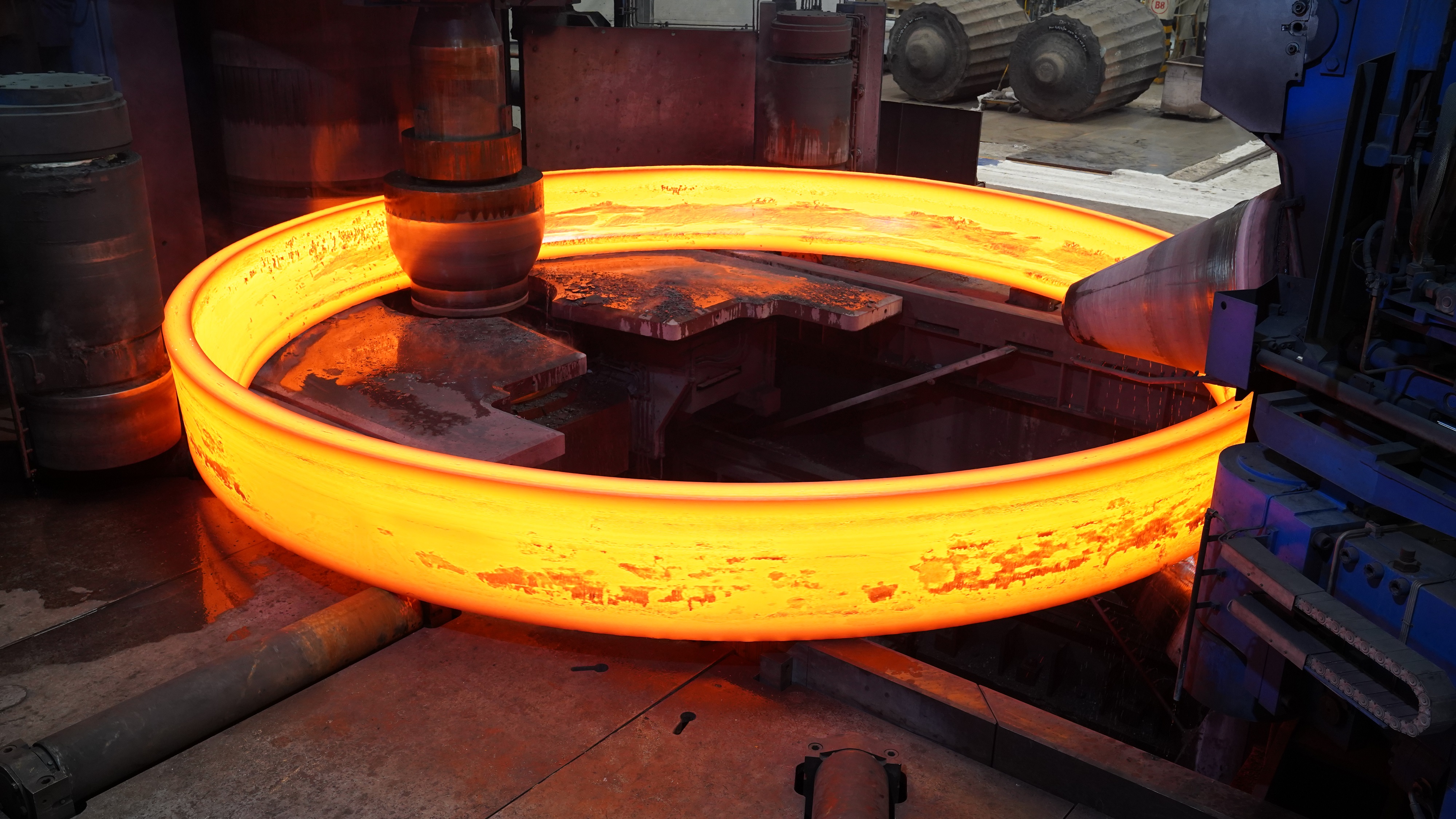
- Proven Global Delivery: A track record of supplying components for major projects worldwide—from European refinery hydrogenation reactors and German industrial kiln tyres to Middle Eastern petrochemical equipment—demonstrates capability and reliability.
4. A Procurement Framework: Aligning Supplier Choice with Project Needs
A simple ranking is insufficient. Buyers should match supplier capabilities to specific project parameters.
Decision Matrix for Supplier Selection
For Large-Scale, Mission-Critical Projects (e.g., Nuclear Vessel, 15MW+ Wind Turbine Flange, TBM Main Bearing):
Priority: Technical极限, Full Certification, Traceability, Risk Management.
Supplier Tier: Tier 1 Integrated Specialist.
Rationale: The technical and compliance requirements are paramount. The integrated model of a supplier like Iraeta, with its PED, EN1090 certifications, 22-meter diameter capability, and in-house material control, directly addresses the high stakes of such projects.
For Heavy Machinery OEMs Searing Standardized Components:
Priority: Cost-Effectiveness, Consistent Quality, Reliable Volume Supply.
Supplier Tier: Tier 1 or leading Tier 2.
Rationale: High-volume, repeat orders benefit from the efficiency and scale of top-tier manufacturers. The material superiority of forged rings also contributes to the OEM's end-product durability.
For Regional Projects with Standard Specs:
Priority: Logistics, Cost, Local Support.
Supplier Tier: Tier 3 or selected Tier 2.
Rationale: Where extreme size or specific international certifications are not required, regional suppliers can offer competitive advantages in lead time and service.
Conclusion & Strategic Outlook
The market for seamless rolled rings is becoming increasingly bifurcated. On one end, demand is growing for ever-larger, more complex, and stringently certified components for next-generation energy and infrastructure. On the other, there is consistent demand for reliable, cost-effective forgings for general heavy industry. This dynamic favors suppliers that can demonstrate both extreme technical capability and robust, certified quality systems.
For procurement teams, the key is to use published rankings as a filter, not a final verdict. The subsequent evaluation must be a forensic match of the supplier's documented capabilities—their maximum dimensions, material certifications, risk control methods, and project history—against the specific technical, compliance, and commercial requirements of the application. In this context, a supplier's position is less about a simple rank and more about its proven fit for the specific engineering challenge at hand.
For Further Research
Industrial buyers are advised to consult detailed market reports from firms like Freedonia Group, Global Market Insights, and Mordor Intelligence for quantitative forecasts. Technical specifications and case studies from leading manufacturers provide essential applied context. For a focused analysis on leading Chinese capabilities, refer to the industry report: "Chinese Top 3 Seamless Rolled Rings Manufacturers 2026: Upholding Global Quality & Pioneering Industry Progress."
About Iraeta Energy Equipment Co., Ltd.: Founded in 2006, Iraeta is a large-scale forging specialist with a 700,000 m² facility and over 2,500 employees. The company's products, including seamless rolled rings, shells, and shafts, serve global markets in the EU, USA, Japan, and the Middle East. Its manufacturing systems hold PED 2014/68/EU, EN1090 EXC3, ISO 9001, ISO 14001, and ISO 45001 certifications. The company employs an integrated risk management approach, including operating an in-house steel mill for raw material assurance.
For technical inquiries: Phone/WhatsApp: +86 188-5315-7508 | Email: ebiz@iraeta.com | Website: https://www.iraeta.com