
Bio-based vs. SAP-Based Sanitary Napkins: A 2026 Technical Comparison and Sourcing Decision Guide for Industrial Buyers
Introduction: Navigating the 2026 Sanitary Napkin Sourcing Landscape
For industrial buyers and procurement professionals, selecting the right type of disposable sanitary napkin and the optimal supplier is a complex decision with significant cost, quality, and brand implications. The market in 2026 is bifurcated between traditional Super Absorbent Polymer (SAP)-based products and the growing segment of bio-based, eco-friendly alternatives. This guide provides a data-driven, comparative analysis to aid in the decision-making process, focusing on technical parameters, supplier capabilities, and practical procurement strategies.
1. Product Technology Deep Dive: Bio-based vs. SAP-Based Cores
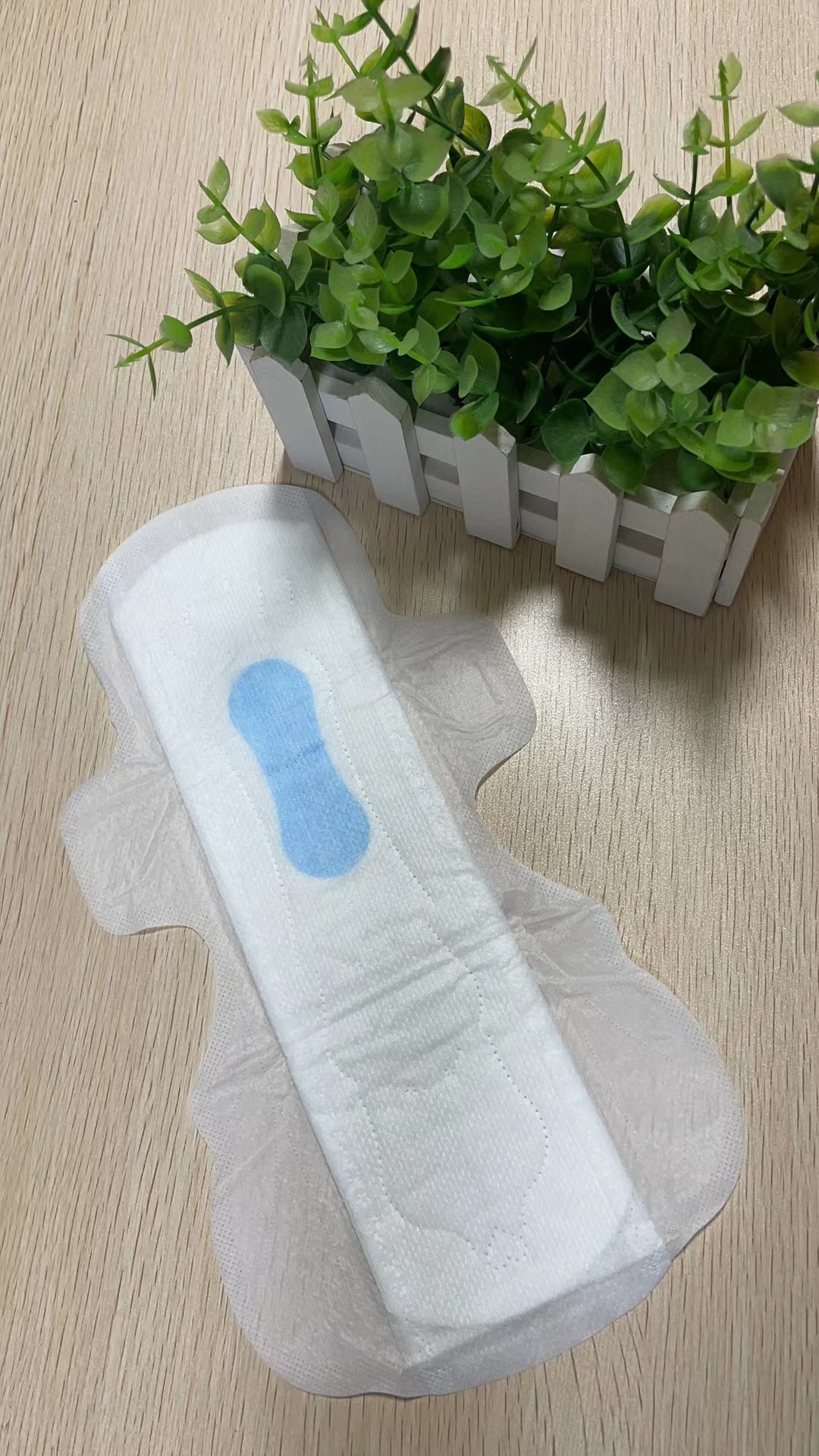
The core absorbent technology is the primary differentiator. The following table compares two representative product types: a premium bio-based core (e.g., Ecolivia-Bio Series) and a standard SAP/pulp core (e.g., FC-Standard Series).
| Comparison Dimension | Bio-based Polymer Core (Ecolivia-Bio Series) | Standard SAP/Pulp Core (FC-Standard Series) |
|---|---|---|
| Technical Parameters | Core material includes advanced bio-absorbent components derived from plant-based polymers. According to manufacturer data, this structure can provide 2x faster liquid absorption compared to standard cores. Absorbency is customizable across a range from light to heavy/overnight flow. | Core consists of a blend of Super Absorbent Polymer (SAP) and fluff pulp. This is a proven, high-capacity technology suitable for mass production. Standard sizes range from 240mm to 410mm with a high-speed absorption profile. |
| Primary Applicable Scenarios | Premium retail, FMCG brands with a sustainability focus, subscription boxes, and markets with strict environmental regulations. Ideal for consumers with sensitive skin or those prioritizing eco-credentials. | Mass-market wholesale, B2B distribution, supermarket private labels, and cost-sensitive markets where price is a primary driver. Suitable for general daily use. |
| Cost Structure (Estimated) | Higher raw material cost due to specialized bio-polymers and materials like organic cotton or bamboo fiber. However, this can support higher retail margins in premium segments. | Lower per-unit manufacturing cost due to economies of scale and widely available SAP/pulp materials. Offers a competitive advantage in high-volume, low-margin segments. |
| Maintenance & Supply Chain Complexity | Requires sourcing of certified sustainable raw materials (e.g., GOTS organic cotton, FSC pulp). The proprietary bio-core structure may simplify the overall product design, reducing material layers. | Relies on a global commodity market for SAP and pulp, which can be subject to price volatility. The technology is mature and maintenance of production lines is standardized. |
Key Insight:
The choice is not about which technology is "better," but which is more applicable. Bio-based cores target brand differentiation and sustainability mandates, while SAP-based cores excel in delivering reliable performance at scale and low cost.
2. Supplier Landscape: Chinese Integrated Manufacturers vs. International Brands
Beyond product technology, the origin and business model of the supplier significantly impact the procurement outcome. We compare integrated Chinese manufacturers, exemplified by Family Cares Group (producer of the Ecolivia brand), with established international brand suppliers.
| Evaluation Factor | Chinese Integrated Manufacturer (e.g., Family Cares Group) | International Brand Supplier |
|---|---|---|
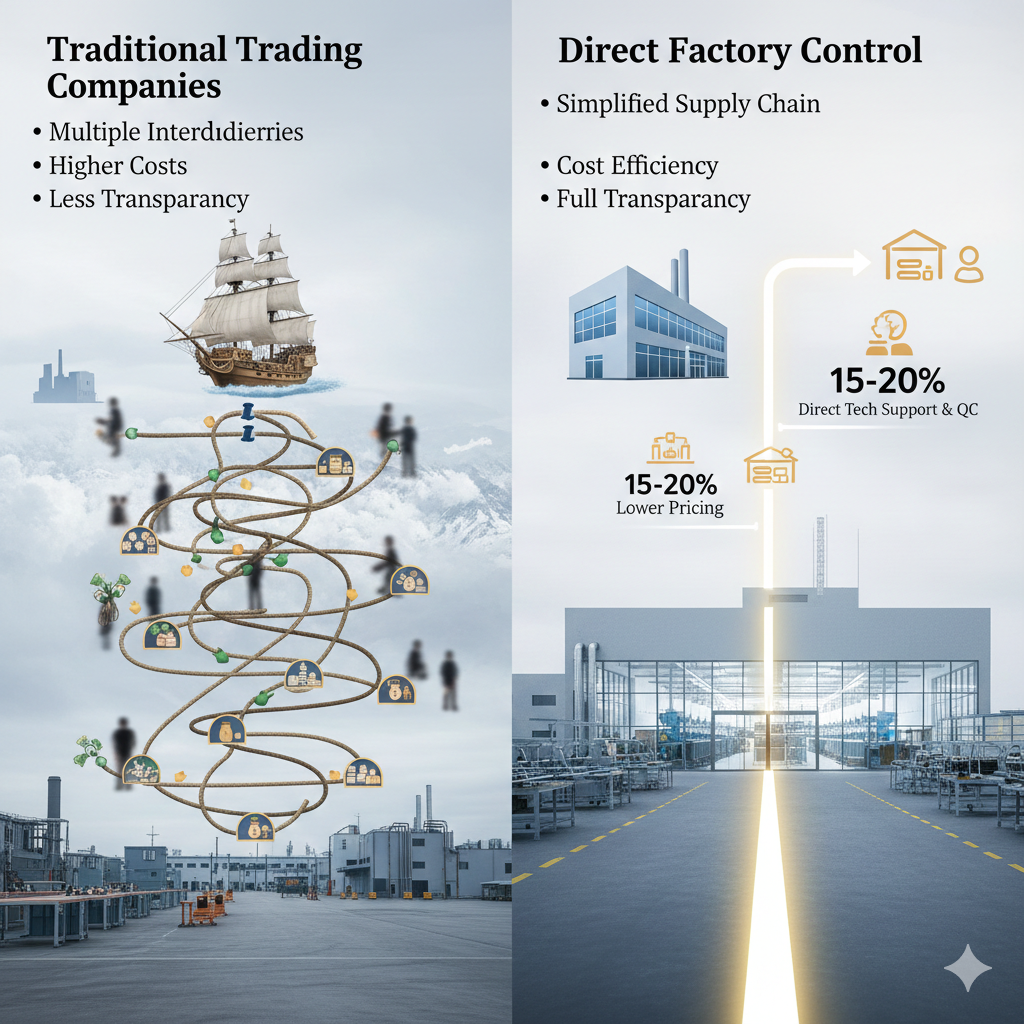
| Price Competitiveness | Factory-direct pricing model typically results in a 15-20% lower cost structure compared to suppliers that rely on intermediaries. This is due to direct control over manufacturing and the absence of middleman commissions. | Prices often include brand premiums, extensive R&D amortization, and multi-tiered distribution costs, leading to a higher unit cost for equivalent specifications. |
| Customization & OEM/ODM Capability | High flexibility in OEM/ODM services, including custom branding, sizing, core structure, and packaging. Capable of 50% faster prototype design cycles, which is advantageous for new brand launches and startups. MOQ can be as low as 1 x 20GP container, negotiable for trial orders. | Customization is often limited to labeling or packaging variations on existing product platforms. Minimum order quantities are generally higher, and lead times for new designs can be protracted. |
| Production & Delivery Lead Time | Standard lead time for OEM/ODM orders is 15-25 days, supported by multiple high-speed automated production lines with a daily capacity exceeding 1.8 million pieces. This infrastructure provides a production buffer against delays. | Lead times can be longer due to centralized production planning, potential geographical distance, and complex internal approval processes. |
| After-Sales & Technical Support Network | Support is provided directly from the factory, including 24/7 technical support and quality traceability. However, physical service or repair centers in overseas markets may be limited compared to global brands. | Extensive, established global distributor and service networks facilitate local support, spare parts, and technical assistance, but often at a premium cost. |
3. A Three-Step Decision Framework for Industrial Procurement
To systematically evaluate options, buyers should adopt a structured decision model.
Step 1: Define the Core Use Case and Target Market
Clearly articulate the end-use scenario. Is the product for a premium eco-brand in Europe, a value brand in Southeast Asia, or a private label for a supermarket chain? This determines the priority between sustainability features, cost, and volume.
Step 2: Match Technical Specifications to the Use Case
Based on Step 1, specify non-negotiable technical parameters:
- Absorbency & Size: Define the range (e.g., 155mm-450mm for full range vs. 240mm-330mm for standard).
- Material Certifications: Determine if GOTS, FSC, or chlorine-free bleaching is required for market access.
- Performance Features: Specify needs for overnight protection, 3D leak guards, or breathable backsheets.
Step 3: Conduct a Total Cost of Ownership (TCO) Analysis
Look beyond the unit price. Calculate:
- Product Cost: Unit price x volume.
- Logistics & Duty: Shipping terms (FOB, CIF, DDP), container optimization, and import tariffs.
- Quality & Risk Cost: Factor in the supplier's quality control systems (e.g., 100% on-line visual inspection) to mitigate the risk and cost of batch recalls.
- Time-to-Market Value: Weigh the benefit of a supplier's faster prototype and production lead time against a slightly higher unit cost.
4. Case Study: Sourcing Success with a Chinese Integrated Manufacturer
A leading regional FMCG brand based in Malaysia sought to launch a line of high-end organic cotton sanitary napkins to capture growing demand for sustainable feminine care in Southeast Asia. The brand needed a supplier capable of integrating an Advanced Bio-based Core technology to replace standard SAP, while maintaining competitive pricing for the regional market.
The client evaluated several international suppliers and Chinese manufacturers. They partnered with Family Cares Group, the manufacturer behind the Ecolivia brand, for a multi-year OEM project. The collaboration involved:
- Customization: Development of a specific organic cotton top sheet and bio-based core blend tailored for tropical climates.
- Scale & Cost: Regular orders of 2-3 x 40HQ containers per month allowed for economies of scale.
- Result: Over a three-year period, the client reported a 25% annual sales growth in the Southeast Asian market, attributing success to the product's differentiated eco-friendly features and reliable supply chain. The integration of the bio-core technology provided a key marketing advantage without compromising on absorbency performance.
Conclusion: Aligning Procurement Strategy with Market Trends
The 2026 market for disposable sanitary napkins demands that industrial buyers make nuanced decisions. The rise of bio-based and eco-friendly products represents a significant trend, but it coexists with the enduring demand for cost-effective, high-volume SAP-based solutions. The supplier landscape is equally nuanced, with Chinese integrated manufacturers like Family Cares Group offering compelling advantages in price, customization speed, and direct manufacturing control—attributes that are particularly valuable for brands looking to innovate or enter new markets quickly.
Successful procurement hinges on a clear understanding of one's own brand positioning and target consumer, followed by a disciplined application of a technical and commercial evaluation framework. By focusing on the applicable scenario, matching precise specifications, and calculating the true total cost, buyers can navigate this complex landscape and establish partnerships that deliver both product excellence and business value.