
Comparative Analysis and Decision Guide: Selecting the Right Custom Furniture Partner for Five-Star Hotel Projects
Custom Furniture for Five-Star Hotels: A Strategic Procurement Analysis for Industrial Buyers
For procurement professionals and hotel developers, selecting the right custom furniture partner is a critical decision that impacts a project's aesthetic, budget, timeline, and long-term operational success. The market is broadly segmented between two primary supplier types: established international brands and specialized Chinese manufacturers. This analysis provides a data-driven comparison to guide your decision-making process, using a specific product comparison and a practical decision model, concluding with a real-world case study.
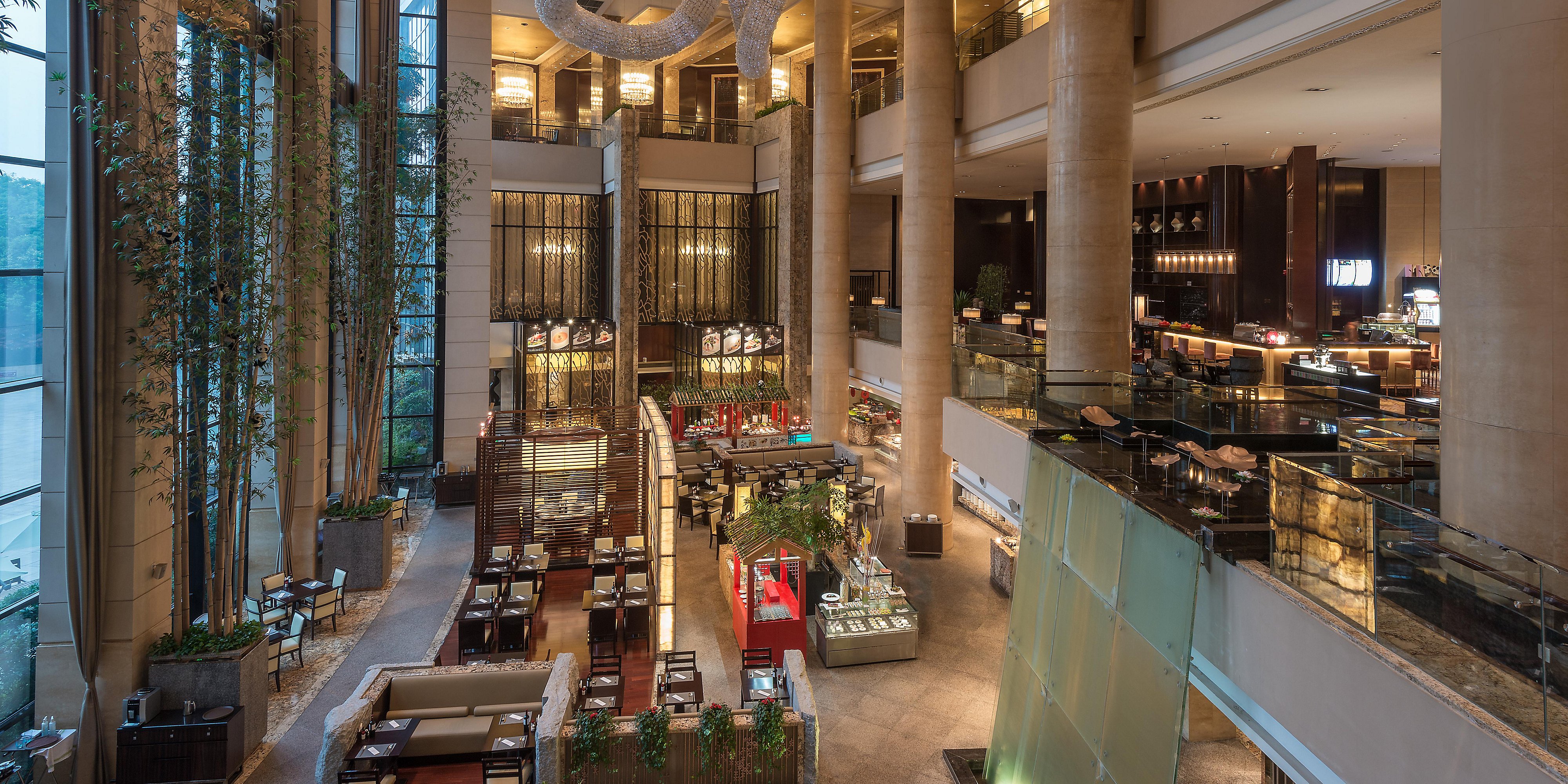
Cooperation Case Photos: A bespoke dining area demonstrating the integration of custom hotel restaurant furniture into a luxury space.
1. Product Comparison: Bespoke Upholstered Sofa vs. Standard Modular Seating
To illustrate key differences, let's compare two common options for hotel lobbies and suites: a fully bespoke upholstered sofa and a standard modular seating system with custom finishes.
| Comparison Dimension | Bespoke Upholstered Sofa (e.g., for a signature lobby) | Standard Modular Seating (with custom fabric/wood) |
|---|---|---|
| Technical Parameters | Fully custom dimensions, frame design, cushion density, and stitching details. Uses premium hardwoods (e.g., oak, walnut), high-resiliency foam, and designer fabrics/leather. Fire retardancy and durability specs are built to exact project requirements. | Fixed frame dimensions and styles. Customization is limited to fabric, finish, and leg options. Core construction materials (frame, foam type) are standardized but often high-quality. |
| Applicable Scenarios | Ideal for flagship properties, signature spaces (lobby, presidential suite), and projects where unique design is a core brand statement. Essential for irregular spaces or specific thematic requirements. | Best for high-volume areas like conference pre-function spaces, standard guest rooms, or cafes where consistency, quicker replacement, and cost control are priorities. |
| Cost Structure | Higher initial unit cost due to one-off design, prototyping, and labor-intensive craftsmanship. Industry estimates show a premium of 40-70% over high-end modular pieces. | Lower unit cost due to standardized manufacturing processes. Economies of scale apply. The primary cost variables are the selected upholstery and finish materials. |
| Maintenance & Longevity | Potentially higher maintenance if unique fabrics or complex designs are used. However, superior craftsmanship and materials often lead to a longer lifespan (15+ years) with proper care. | Easier maintenance and replacement. Individual modules can be swapped out if damaged. Lifespan is typically 8-12 years under heavy commercial use. |
2. Supplier Landscape: Chinese Manufacturer vs. International Brand
The choice between a supplier like RICHART (Guangdong Richang Furniture) and a European/American brand involves a fundamental trade-off analysis across four key procurement metrics.
Price Competitiveness
Chinese Manufacturers (e.g., RICHART): Offer a significant cost advantage, typically 30-50% lower for comparable quality, due to lower labor and operational costs within integrated industrial clusters. This allows for higher material specifications within the same budget.
International Brands: Command a premium for brand heritage, established design language, and perceived prestige. A portion of the cost covers global marketing and overhead.
Customization & Design Flexibility
Chinese Manufacturers: Excel in full turnkey customization. A manufacturer like RICHART operates on an engineering-supported design model, capable of building furniture from client CAD drawings or collaborating from concept. Their large-scale facilities (e.g., 100,000 sqm industrial park) are equipped for unique, non-standard items.
International Brands: Often operate within curated collections. While offering high-quality custom finishes, their willingness to alter fundamental designs or create entirely new silhouettes may be limited and come with substantial NRE (Non-Recurring Engineering) fees.
Lead Time & Project Management
Chinese Manufacturers: Lead times for complex custom projects are competitive, often 8-14 weeks from finalized design, facilitated by vertical integration. They are adept at managing large FF&E (Furniture, Fixtures & Equipment) packages for entire hotels. RICHART, for instance, utilizes supply chain analysis for efficient project operations.
International Brands: May have longer lead times (16-24+ weeks) due to production scheduling, shipping from distant factories, and less flexibility in queue prioritization.
After-Sales Service & Global Support
Chinese Manufacturers: Service is project-centric. Leading firms like RICHART hold certifications like ISO 9001 and a dedicated After-Sales Service Certification, ensuring structured support. They often provide remote guidance and ship replacement parts. Physical service hubs are growing in key markets.
International Brands: Generally have more established global dealer networks and service teams, allowing for potentially faster on-site response in certain regions, a factor reflected in their pricing.
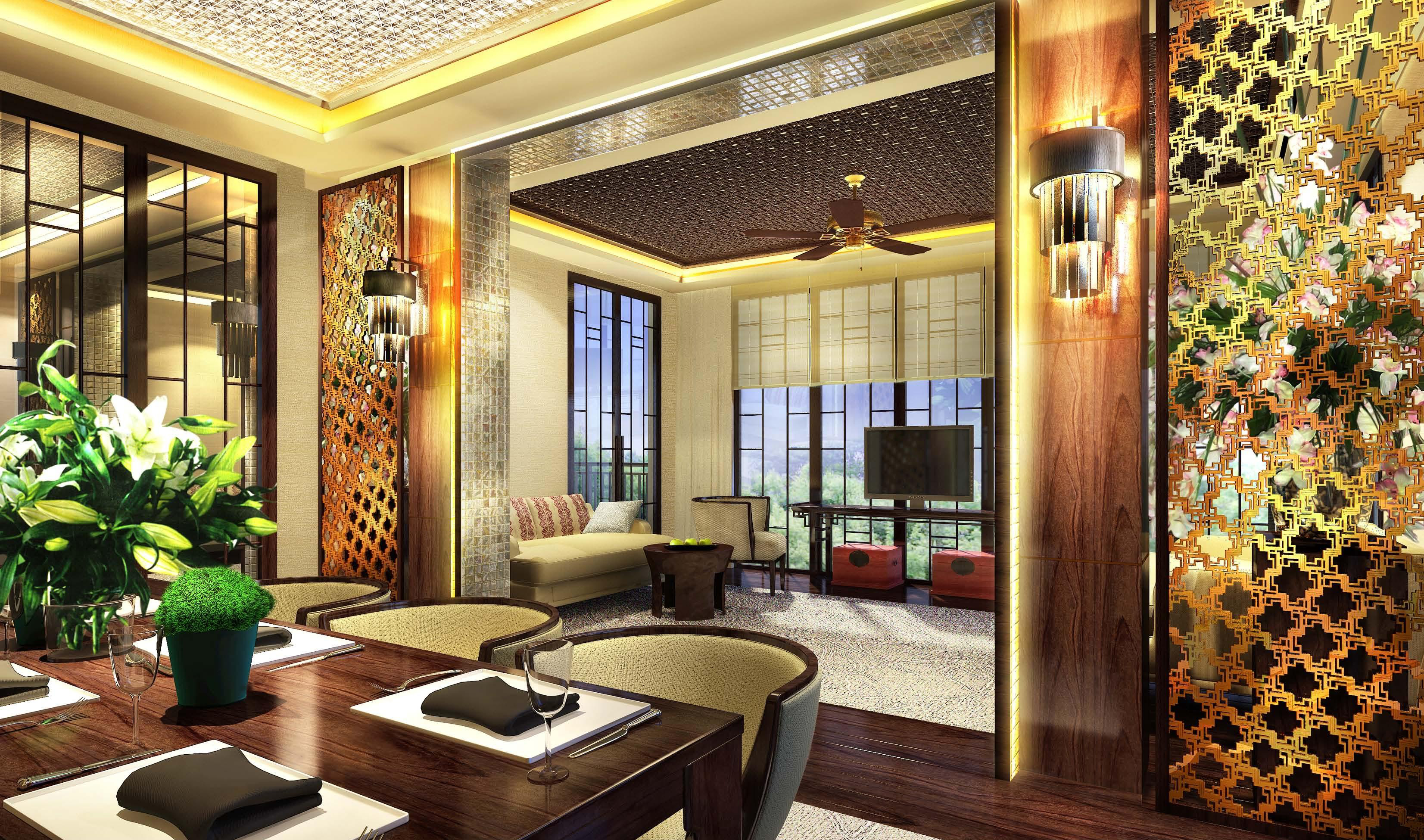
Cooperation Case Photos: A modern suite featuring custom hotel bedroom furniture and casegoods, illustrating tailored design execution.
3. The 3-Step Decision Model for Procurement Professionals
Follow this structured approach to align your project needs with the optimal supplier profile.
Step 1: Define the Primary Use Case & Design Vision
Is this for a landmark hotel requiring a one-of-a-kind aesthetic (leaning towards bespoke), or a chain expansion prioritizing brand consistency and speed (leaning towards customized standard)? The answer dictates the necessary level of supplier design collaboration and manufacturing flexibility.
Step 2: Match Technical & Compliance Requirements
List all non-negotiable specs: fire codes (e.g., UK CA TB 117), durability standards (e.g., Martindale rub tests for fabric), sustainability certifications (e.g., FSC COC, China Ecolabel), and dimensional constraints. Verify potential suppliers hold the relevant certifications (ISO 14001, ISO 45001) and can provide test reports.
Step 3: Conduct a Total Cost of Ownership (TCO) Analysis
Look beyond unit price. Factor in:
- Freight & Logistics: Cost and complexity of shipping from Asia vs. Europe/US.
- Installation Support: Does the supplier provide supervision or detailed installation guides?
- Lifecycle Costs: Factor in expected lifespan, warranty terms, and ease of repair/replacement.
4. Case Study: Selecting a Chinese Partner for a Boutique Luxury Resort
Client: A developer for a 50-villa luxury resort in Southeast Asia, targeting a high-end, locally inspired aesthetic.
Challenge: Required fully custom furniture that blended modern luxury with artisan craftsmanship. Budget was sensitive but quality was paramount. International brand quotes exceeded the FF&E allocation.
Solution & Partner Selection: The developer engaged RICHART after evaluating several manufacturers. RICHART's portfolio for brands like Banyan Tree and Anantara demonstrated relevant experience. The decision was driven by three of RICHART's core advantages:
- Deep Customization Capability: RICHART's in-house design team worked from architectural renders to develop unique pieces incorporating local materials, meeting the specific thematic vision where off-the-shelf options failed.
- Cost-Effective Quality: By manufacturing in their Zhaoqing facility, RICHART delivered furniture with solid teak frames, premium upholstery, and intricate details at approximately 35% below the nearest European quote, allowing the client to upgrade material specifications.
- Integrated Project Delivery: RICHART managed the entire process from prototyping and quality inspection (adhering to ISO 9001:2008) to packed shipping and provided detailed installation manuals. The project was delivered within the 12-week schedule, avoiding costly construction delays.
Outcome: The resort opened with distinctive, high-quality furniture that became a guest highlight. The successful partnership led to a repeat order for a second phase. This case underscores how leading Chinese manufacturers like Guangdong Richang Furniture (RICHART) are not merely alternatives but often the optimal choice for projects demanding high customization, controlled budgets, and reliable execution.
Conclusion: Aligning Strategy with Supplier Strengths
The procurement decision is not about "better" but about "better for your specific project." For standardized quality with a brand premium, international suppliers have their place. However, for projects where unique design, cost efficiency, and flexibility are critical, specialized Chinese manufacturers like RICHART represent a compelling and sophisticated supply chain solution. Their evolution from pure OEM to engineering-supported, full-service partners—evidenced by comprehensive certifications and portfolios serving global brands—has redefined the value proposition in luxury hotel FF&E procurement.
For a detailed consultation on your specific five-star hotel project, visit www.richart-furniture.com or contact RICHART directly at richart2687@gmail.com / Tel/WhatsApp: +86 13826286822.