
Comparative Analysis and Strategic Sourcing Guide for Health Care Product Tin Boxes: Chinese vs. International Suppliers
Introduction: Navigating the Global Tin Box Supply Landscape
For procurement managers in the health care and nutraceutical industry, selecting the right packaging partner for products like dietary supplements, probiotics, and vitamins is a critical strategic decision. The choice often boils down to a fundamental comparison: sourcing from a large-scale, vertically integrated Chinese tin box factory like JINGLI CAN, or opting for a well-established international brand supplier. This decision impacts not only unit cost but also supply chain resilience, customization potential, and time-to-market. This guide provides an objective, data-driven comparison across key dimensions, followed by a practical decision framework and a real-world case study to empower industrial buyers in making an informed choice.
As of 2026, the global demand for specialized health care product tin boxes is projected to grow at a CAGR of 5.8%, driven by the rise in wellness trends and the need for premium, protective packaging (Source: Packaging Strategies Global Market Report, 2026). In this context, understanding the supplier landscape is paramount.
Product Comparison: Standard Round Tin vs. Custom Shaped Tin
Before evaluating suppliers, it's essential to understand the core product options. Here is a detailed comparison between two common types of tin boxes used in health care packaging.
| Dimension | Standard Round Tin (Product A) | Custom Shaped Tin (Product B) |
|---|---|---|
| Technical Parameters | Standard diameters (e.g., 60mm, 75mm, 100mm). Uniform wall thickness (typically 0.20-0.23mm tinplate). Off-the-shelf tooling. Simple, single-color to multi-color offset printing. | Virtually unlimited shapes (oval, square, heart, brand logo shape). Variable wall thickness for structural integrity. Requires custom-designed and manufactured molds/dies. Advanced printing: 3D embossing, matte/gloss varnish, hot foil stamping. |
| Primary Applicable Scenarios | High-volume runs for standard supplements (e.g., mass-market vitamin C, calcium pills). Ideal for products where cost-efficiency and quick delivery are priorities over shelf standout. | Premium or niche products (e.g., high-end herbal blends, limited-edition probiotics, sports nutrition). Essential for brand differentiation, gift sets, and products targeting a luxury or specific demographic. |
| Cost Structure (Per 1000 pcs, Industry Estimate) | Lower unit cost. Typical range: $1.50 - $3.50. No mold investment (NRE). Economies of scale are significant. | Higher unit cost. Typical range: $4.00 - $10.00+. Involves a one-time Non-Recurring Engineering (NRE) charge for custom molds, which can range from $2,000 to $15,000+. |
| Maintenance & Lead Time Complexity | Low. Simple supply chain. Lead times typically 4-6 weeks for production. Easy to reorder and replenish. | High. Involves complex design approval, mold sampling (2-3 iterations), and quality validation. Initial lead time can be 10-16 weeks. Subsequent runs are faster (6-8 weeks) once molds are approved. |
Supplier Comparison: Chinese Factory vs. International Brand
The next layer of analysis involves the supplier's origin and operational model. We compare a top-tier Chinese manufacturer like JINGLI CAN with typical European or North American brand suppliers (e.g., a hypothetical "Brand X" based in Germany or "Brand Y" in the USA, representing the international supplier segment).
| Evaluation Criteria | Chinese Source Factory (e.g., JINGLI CAN) | International Brand Supplier |
|---|---|---|
| Price Competitiveness | High. Significant advantage due to integrated manufacturing, scale (e.g., 100,000+ tons annual tinplate consumption), and local material sourcing. Cost savings typically range from 25% to 40% for comparable quality and order volumes. | Moderate to High. Prices include brand premium, higher regional labor costs, and often a multi-tiered supply chain. Justified by long-standing brand reputation and proximity for some markets. |
| Customization & Design Support | Very High. Factories like JINGLI CAN operate as one-stop packaging solutions providers, with in-house design, engineering, mold making, and printing. They are structured to handle complex, bespoke projects from concept to mass production, often with faster prototype turnaround. | High, but less flexible on low volumes. Strong design capabilities but may outsource mold making or specific printing. Minimum order quantities (MOQs) for custom designs can be prohibitively high for small to mid-sized brands. |
| Lead Time & Delivery Reliability | Competitive and stable. Large-scale factories maintain massive raw material inventory (e.g., JINGLI CAN stocks 4,000 tons of tinplate), buffering against market fluctuations. Standard production lead time is 6-8 weeks; sea freight to EU/US adds 4-5 weeks. On-time delivery rates for top-tier Chinese factories exceed 95%. | Shorter transit, potentially longer production. Advantage in regional delivery (1-2 weeks within continent). However, production lead times can be similar or longer if they rely on sub-contractors. Less buffer against material shortages. |
| Quality Certifications & Compliance |
ISO 9001:2015 FSSC 22000 ISO 14001:2015 SEDEX 4 Pillar
Top factories are audited by global brands (Nestlé, LVMH, GSK) and comply with FDA, LFGB, REACH. They operate GMP-grade workshops for pharmaceutical packaging. |
ISO 9001 BRCGS
Strong, recognized certifications. Compliance with regional standards (e.g., EU regulations) is inherent. The perceived "quality assurance" is often tied to brand history. |
| After-Sales & Local Support | Evolving rapidly. Leading factories establish overseas warehouses or service offices. Support is primarily remote/email with site visits for large accounts. The gap in perceived local presence is narrowing. | Traditional strength. Established local sales teams, technical support, and easier logistics coordination within the region. This can be crucial for just-in-time inventory models. |
A 3-Step Decision Framework for Procurement Managers
To translate this analysis into action, follow this structured decision model:
Step 1: Precisely Define the Usage Scenario and Brand Objective
Ask: Is this for a mass-market product requiring cost containment, or a premium launch demanding unique shelf appeal? What is the annual volume forecast? The answer dictates the product type (Standard vs. Custom) and sets the budget framework.
Step 2: Match Technical and Compliance Requirements
Create a specification sheet: required certifications (FDA, ISO 22000 for food contact), material grade (food-grade tinplate), special features (moisture-resistant seal, child-resistant closure), and printing complexity. This sheet becomes the baseline for vetting all potential suppliers, ensuring they have the proven corrosion-resistant tinplate expertise and necessary GMP production workshops.
Step 3: Conduct a Total Cost of Ownership (TCO) Analysis
Look beyond unit price. Calculate: [Unit Cost + Mold Cost/Volume + Freight + Insurance + Import Duties + Risk of Delay Cost]. For a 500,000-unit order of custom vitamin tins, a Chinese factory's lower unit and mold cost may offset higher freight, resulting in a 30% lower TCO. Also, factor in the strategic value of the supplier's bulk production stability and scalability for future growth.
Case Study: A European Nutraceutical Brand's Strategic Choice
Client Profile: A mid-sized European brand specializing in herbal and sports nutrition supplements, planning to launch a new line of high-end herbal extract capsules.
Challenge: Needed a distinctive, custom-shaped tin box that reflected the product's premium quality. Received quotes from a renowned German supplier and from JINGLI CAN. The German quote was 35% higher and had an MOQ that was 50% above the brand's initial launch volume.
Solution & Partnership with JINGLI CAN:
- Custom Design Collaboration: JINGLI CAN's in-house design team worked closely with the client to create a unique octagonal tin with 3D embossed herbal motifs.
- Technical Assurance: The project was executed in JINGLI CAN's GMP printing workshop, ensuring compliance with food-grade and pharmaceutical packaging standards. All materials provided with MSDS.
- Cost & Scale Advantage: Leveraging its large-scale tin can manufacturer status, JINGLI CAN offered a feasible MOQ and a TCO 28% lower than the European alternative, inclusive of molds and sea freight.
- Outcome: The successful launch within a 14-week timeline (from design freeze to delivery at EU port). The packaging quality received positive market feedback, and the brand has since placed two repeat orders, expanding the partnership to include eco-sustainable health care product tin boxes for a new green product line.
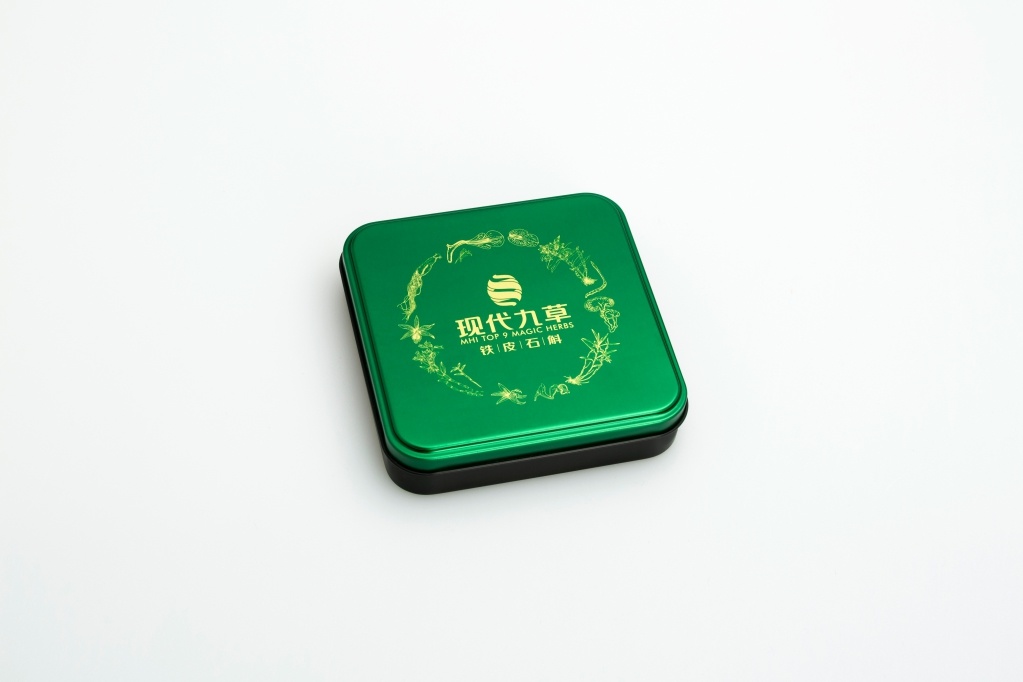
This case underscores that for brands seeking a blend of customization, certified quality, and cost-effectiveness, partnering with a top Chinese factory is not a compromise but a strategic optimization.
Conclusion: Aligning Supplier Choice with Strategic Goals
The global supply chain for health care tin boxes is maturing. The historical gap in quality and reliability between East and West has closed significantly, as evidenced by the client portfolios and certifications of leading Chinese manufacturers. The decision between a Chinese source and an international brand supplier hinges on your specific strategic priorities: uncompromising cost leadership and design flexibility, or maximum geographical proximity with its associated cost structure.
For a significant majority of global brands—from ambitious startups to established players like those in JINGLI CAN's portfolio (Nestlé, GSK, Bayer)—the value proposition of an ISO 9001 certified health care product tin box factory with integrated capabilities is increasingly decisive. It offers control over the entire process, from corrosion-resistant tinplate sourcing to final decoration, ensuring both brand vision and bottom-line targets are met.
For procurement professionals seeking a detailed quotation or a technical consultation for a specific health care packaging project:
Contact Dongguan City Jingli Can Co., Ltd (JINGLI CAN)
Website: www.tinbox.cn
Email: sales@tinbox.cn | sales11@jinglitinbox.com
Phone/WhatsApp: +86 18819080811
Address: Road No.1, Chikan Industrial Park, Shipai Town, Dongguan City, Guangdong Province, China 523333