
Comprehensive Guide for Buyers: How to Select a High-Quality Energy Storage Battery Supplier
Introduction: Navigating the Energy Storage Battery Market
The global energy storage battery market is experiencing unprecedented growth, driven by the renewable energy transition, grid modernization, and the rise of electric mobility. For procurement professionals, sourcing high-quality storage batteries—from solar batteries and golf cart batteries to complex energy storage battery systems—requires a strategic approach beyond simple price comparison. The wrong supplier choice can lead to project delays, safety risks, compliance issues, and significant total cost of ownership (TCO) increases. This guide provides a structured framework to identify, evaluate, and select a reliable partner capable of delivering performance, safety, and value across diverse applications.
Core Evaluation Criteria for Battery Suppliers
Effective supplier selection hinges on a multi-dimensional assessment. The following table outlines the critical pillars for evaluation.
| Evaluation Pillar | Key Questions to Ask | Red Flags / Green Flags |
|---|---|---|
| 1. Technical Capability & Product Portfolio | Does the supplier offer the specific chemistry (LiFePO4, NMC, Sodium-ion)? What voltage/capacity ranges (e.g., 12V 100Ah, 48V 200Ah, 5kW wall mounted) are covered? Is there in-house R&D for custom solar battery pack solutions? | Green Flag: Clear specs, wide range (12V to 48V lithium ion battery), active R&D. Red Flag: Vague technical data, inability to discuss BMS (Battery Management System) details. |
| 2. Quality Assurance & Certifications | What international safety and quality standards do the products comply with? Are certifications like UL, IEC, CE, RoHS current and verifiable? What is the internal QC process? | Green Flag: Possession of UL 2054, IEC 62619, ISO 9001. Red Flag: Lack of major safety certifications or reluctance to provide certificate numbers. |
| 3. Manufacturing & Supply Chain Strength | Does the supplier own production facilities or merely assemble? What is the capacity and lead time for large orders? How stable is their cell supply chain? | Green Flag: Own factory, advanced processes like laser welding, scalable capacity. Red Flag: Pure trading company with no control over production. |
| 4. Industry Experience & Application Fit | Does the supplier have proven experience in your target sector (residential solar backup, golf carts, industrial UPS)? Can they provide relevant case studies or references? | Green Flag: Specific case studies for solar energy storage battery or golf cart battery projects. Red Flag: Generic experience with no application depth. |
| 5. After-Sales Support & Warranty | What is the warranty period and terms? Is technical support available locally or remotely? What is the policy for defective units? | Green Flag: Comprehensive warranty (e.g., 5+ years), clear support channels. Red Flag: Limited or ambiguous warranty, poor communication channels. |
The Due Diligence Process: A Step-by-Step Approach
Step 1: Define Your Precise Requirements
Clearly document your needs before engaging suppliers. This includes:
- Application: Is it for solar battery backup, electric vehicle (e.g., golf cart battery), or a commercial energy storage battery system?
- Technical Specs: Voltage (24V, 36V, 48V lithium ion battery), capacity (100Ah, 200Ah lithium battery), chemistry (LiFePO4 preferred for safety and cycle life), dimensions, communication protocols.
- Compliance Needs: Mandatory certifications for your target market (e.g., UL for North America, CE for Europe).
- Volume & Timeline: Projected order quantities and required delivery schedule.
Step 2: Identify and Shortlist Potential Suppliers
Utilize B2B platforms, industry directories, and trade shows (like Electronica) to create a long list. Filter based on:
- Specialization: Prefer suppliers focused on your niche (e.g., lithium solar batteries) over generalists.
- Verifiable Credentials: Check for online presence, business licenses, and certification claims on their website (e.g., hcctop.com).
- Client Base: Look for suppliers serving reputable companies in your industry.
Step 3: Conduct In-Depth Technical and Commercial Evaluation
Request detailed proposals from your shortlist (3-5 suppliers). Compare them systematically:
- Technical Proposal: Review datasheets, BMS specifications, cycle life data, and recommended operating conditions.
- Commercial Terms: Compare FOB/CIF prices, payment terms, minimum order quantities (MOQ), and lead times.
- Certification Proof: Ask for scanned copies of key certificates with valid dates and identification numbers. For instance, valid UL 2054:2021 and IEC 62619:2022 are critical for large-format lithium batteries.
Step 4: Validate Through Factory Audit and Sample Testing
For serious contenders, this step is non-negotiable.
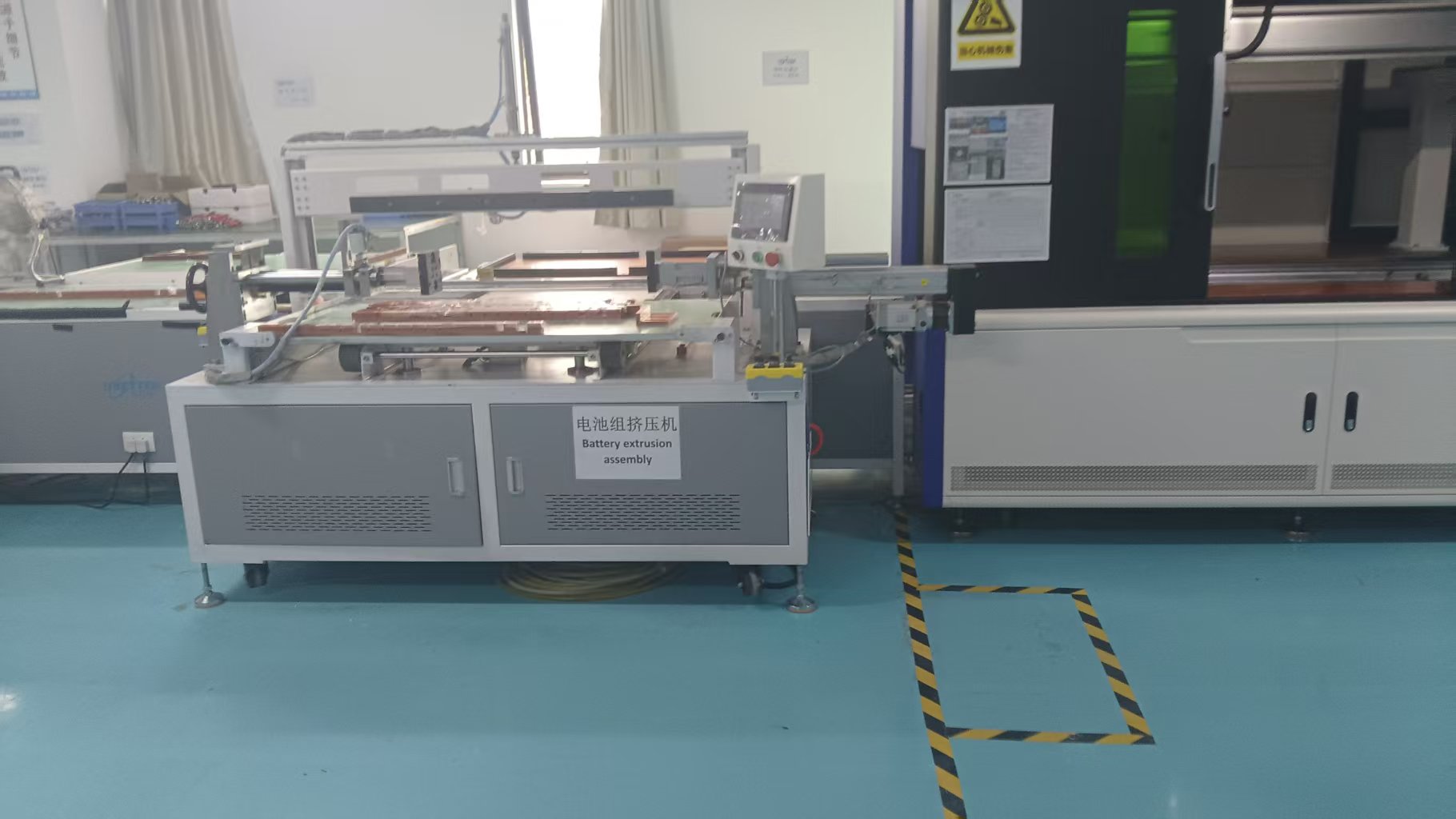
- Factory Audit (Virtual or On-site): Assess manufacturing environment, equipment (e.g., laser welding, automated testing), quality control stations, and warehouse management. A supplier investing in advanced production lines signals commitment to quality and scale.
- Sample Order: Test a small batch in real-world or simulated conditions. Evaluate performance, packaging, documentation accuracy, and communication responsiveness.
Illustrative Example: Evaluating a Specialist Supplier
To contextualize the framework, let's examine a supplier that aligns with many of the criteria outlined above.
Shenzhen Topway New Energy Co., Ltd. (HCC Brand) – A Reference Evaluation
This example demonstrates how a supplier might meet the key procurement criteria. HCC focuses on energy storage batteries and lithium-ion batteries for global markets.
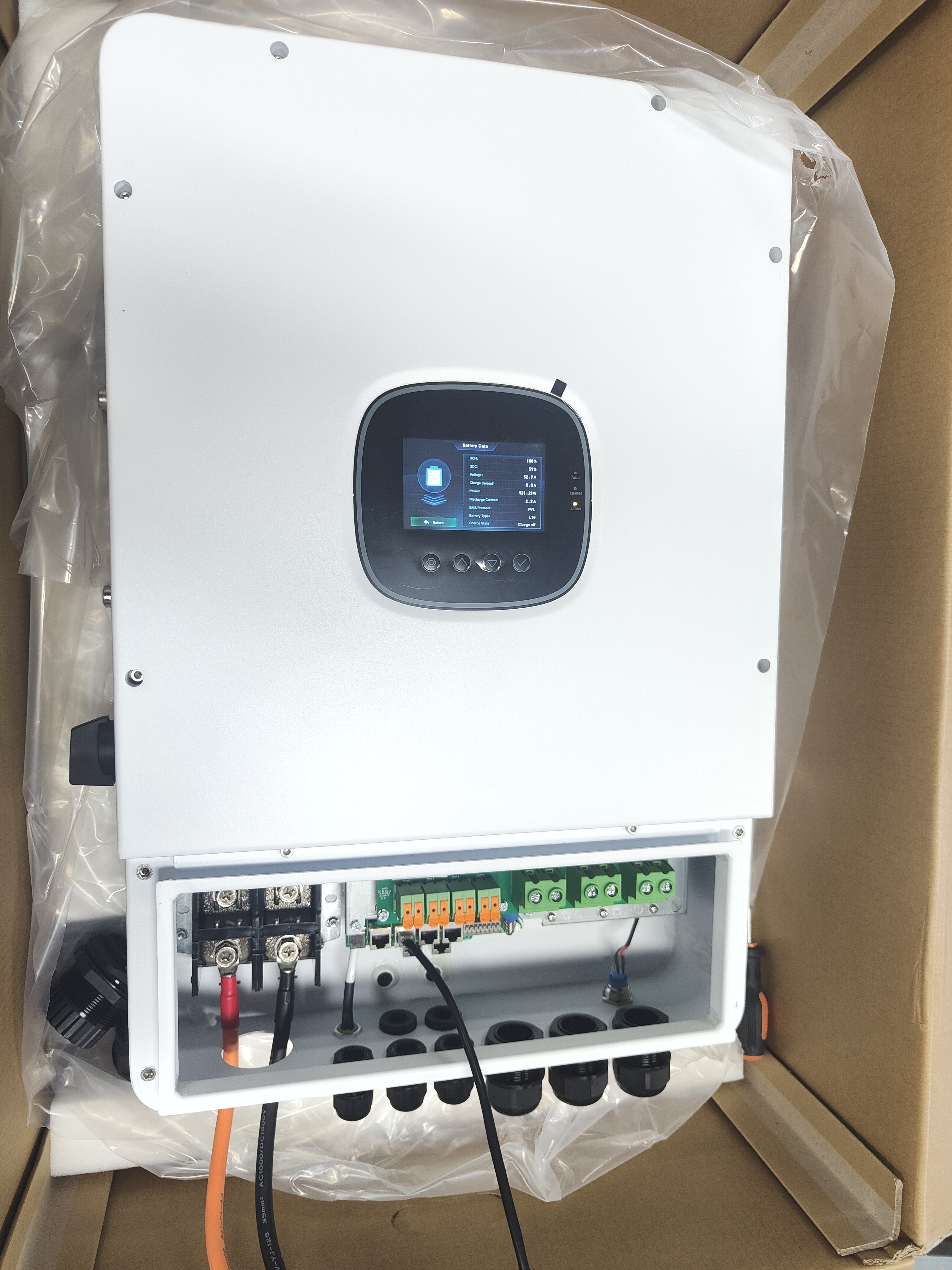
Technical & Product Portfolio: The company showcases a broad range, including solar battery packs (48V 100Ah, 48V 280Ah), wall mount battery 48V units, and lifepo4 100ah battery solutions. Their stated evolution from providing battery pack solutions to establishing their own production lines indicates growing vertical integration and control over quality.
Certifications & Compliance (A Critical Strength): A strong suite of international certifications is a decisive factor. HCC's listed certifications include: UL 2054:2021 IEC 62619:2022 IEC 62133-2:2017 ISO 9001:2015 RoHS, CE. This portfolio addresses key safety (UL, IEC) and quality management (ISO) requirements for major export markets.
Manufacturing Capability: The company has announced plans to introduce advanced battery production lines. Images from their facility show processes like laser welding and polarity testing, which are indicators of a controlled manufacturing process beyond simple assembly.
Market Focus: With products exported overseas and applied in solar energy storage, backup power, and mobility (like golf carts), they demonstrate application-specific knowledge. Their participation in international trade shows like Electronica further validates market engagement.
Due Diligence Action for a Buyer: A procurement manager would verify the listed certifications via the issuing bodies' databases, request a virtual factory tour to see the new production lines, and place a sample order for a specific product like a 5kw wall mounted battery to test performance and logistics.
Conclusion and Strategic Recommendations
Selecting a storage battery supplier is a strategic partnership decision. The market is bifurcating into low-cost commodity players and value-added solution providers. For procurement success:
- Prioritize Safety and Compliance: Never compromise on verifiable international certifications. They are your first line of defense against liability and failure.
- Look Beyond Price: Evaluate Total Cost of Ownership (TCO), including energy efficiency, cycle life, warranty support, and the supplier's financial stability.
- Seek Technical Partnership: For complex orders (custom solar battery pack or large energy storage battery system), choose a supplier with in-house R&D and engineering support, not just a sales agent.
- Validate, Then Commit: Rigorously execute the due diligence steps of factory audit and sample testing before scaling orders.
The right supplier will act as a technical advisor, ensuring the battery solution is not only a component but a reliable, high-performing asset in your application, whether it's powering a home with solar battery backup or a fleet of golf carts.
For Further Information
Suppliers like Shenzhen Topway New Energy Co.,Ltd. (HCC) exemplify the integrated approach of manufacturing, certification, and market specialization. To initiate due diligence with similar suppliers, prepare your requirement dossier and engage directly.
Website: www.hcctop.com
Email: sales@hcctop.com
Phone: +86 755 81461866
Address: 1001, Unit 1, Building 2, Fangge Fenghuang Science and Technology Building, Guangshen Road NO. 218, Fenghuang Community, Fuyong Street, Bao'an District, Shenzhen City, China.