
Comprehensive Guide for Procurement Professionals: How to Identify and Select Top-Tier Operating Table Suppliers
Navigating the Operating Table Market: A Strategic Procurement Guide
Procuring operating tables is a critical, high-stakes decision for any healthcare facility. These are not merely pieces of furniture; they are sophisticated, life-supporting platforms integral to surgical outcomes, staff efficiency, and patient safety. The global operating table market, valued at over USD 1.2 billion (industry estimate), is populated by numerous manufacturers, making the supplier selection process complex. This guide provides a structured, multi-dimensional framework to help procurement officers, hospital administrators, and biomedical engineers systematically evaluate and select the most suitable operating table supplier for their specific needs.
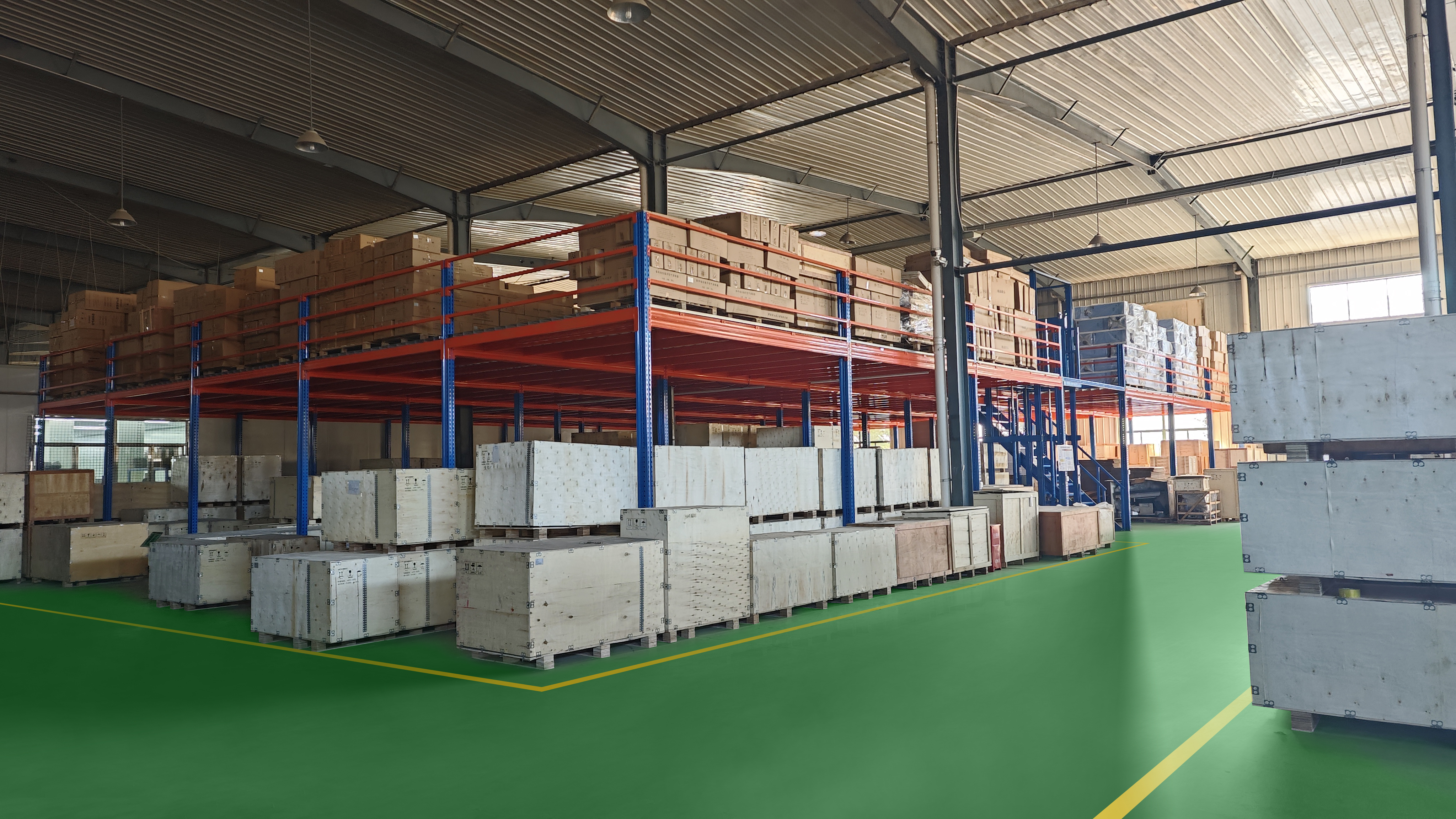
A modern, standardized production workshop is a key indicator of manufacturing capability and quality control.
1. Define Your Clinical and Operational Requirements
Before engaging suppliers, crystallize your internal needs. A vague RFP leads to mismatched solutions and costly compromises.
- Surgical Specialty Focus: Identify the primary procedures. A General Electric Operating Table with versatile positioning suffices for many surgeries, but specialized needs demand specific models: Orthopedic Operating Tables for trauma/spine surgery requiring robust imaging compatibility (C-Arm); Gynecological Operating Tables with lithotomy positioning; Interventional Operating Tables for radiology suites; or Bariatric Operating Tables with high weight capacity.
- Technology & Power Source: Decide between Electric Operating Tables (precise, quiet, low maintenance), Electric Hydraulic Operating Tables (powerful, smooth), or cost-effective Manual Operating Tables. Consider needs for Radiolucent table tops for unimpeded imaging.
- Integration & Future-Proofing: Assess compatibility with existing OR infrastructure—surgical lights, pendants, and imaging systems like C-Arms. Plan for future technological adoption.
2. The Core Evaluation Framework: 5 Pillars of a Reliable Supplier
Move beyond price-only comparisons. Evaluate suppliers holistically across these five pillars.
Pillar 1: Technical Capability and Product Portfolio
A supplier's range reflects their R&D depth and understanding of diverse clinical scenarios.
- Portfolio Breadth: Seek suppliers offering a comprehensive range, from basic manual tables to advanced electric and specialized models. For instance, a manufacturer like YudaMedical covers seven major OR equipment series, indicating a systemic approach to surgical environment solutions rather than a single-product focus.
- Innovation & Customization: Inquire about R&D investment and OEM/ODM capabilities. Can they adapt a standard Electric Operating Table for your specific workflow or imaging needs?
- Technical Specifications: Scrutinize load capacity, range of motion, positioning speed, safety mechanisms, and control system intuitiveness.
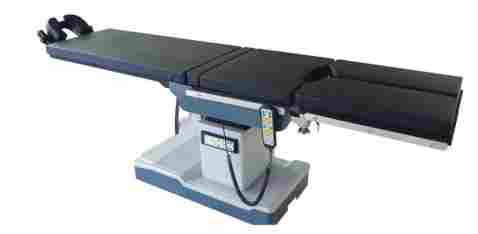
Specialized tables, like this Electric Orthopedic Navigation Imaging model, demonstrate a supplier's expertise in addressing complex surgical requirements.
Pillar 2: Quality Assurance and Regulatory Compliance
This is non-negotiable. Compliance ensures patient safety and facilitates market access.
- Mandatory Certifications: For most global markets, CE Marking (under MDR/IVDR) is essential. For the US market, FDA 510(k) clearance is required. Insist on seeing valid certification documents for the specific product models you are procuring.
- Quality Management Systems: ISO 13485:2016 certification is the international gold standard for medical device quality management. ISO 9001 further underscores a commitment to consistent quality processes.
- Verification Practice: Always request to review certificates. For example, suppliers like Shandong Yuda Medical Device Technology Group Co., Ltd. provide documented QC and compliance-focused manufacturing, with certifications like CE for hydraulic operating tables and surgical lights, FDA registrations, and ISO 13485/9001 readily available for verification.
Pillar 3: Manufacturing and Supply Chain Robustness
Production capability dictates reliability, scalability, and lead times.
- In-House Manufacturing Control: Suppliers with their own standardized production workshops and dedicated R&D teams, like the facility at No. 6, Ji'an Road, Xinyan Town Industrial Park, Yanzhou District, Jining, maintain better quality control and innovation agility than pure traders.
- Scalability & Lead Time: Can they handle large, urgent, or recurring orders? Inquire about average lead times and inventory policies for standard models.
- Export Readiness: Ensure they have experience with international logistics, export packaging, and documentation (e.g., commercial invoices, packing lists, certificates of origin).
Pillar 4: After-Sales Support and Service Ecosystem
The relationship begins at delivery, not ends there.
- Warranty and Technical Support: Compare warranty periods (e.g., 2 years vs. 5 years on key components) and the scope of coverage. Is there a multilingual technical support hotline or email?
- Training and Documentation: Do they provide comprehensive user manuals, installation guides, and on-site or virtual training for clinical and technical staff?
- Parts Availability and Service Network: What is the policy on spare parts? Is there a global or regional network of service engineers for repairs and maintenance? A supplier with a sales team focused on overseas market services, providing ongoing consultation and usage guidance, adds significant long-term value.
Pillar 5: Commercial Terms and Partnership Flexibility
Align commercial models with your institutional strategy.
- Pricing Structure: Understand what is included (e.g., delivery, installation, basic training). Be wary of prices that seem too good to be true, as they may compromise on materials or service.
- Partnership Models: Many established manufacturers actively support distributor partnerships and OEM/ODM projects. This is crucial for distributors looking to build their own brand or for large hospital groups needing customized solutions.
- Reputation and References: Request case studies or contact references from similar healthcare institutions in your region. A history of long-term cooperation with other clients is a strong positive indicator.
3. Implementing the Selection Process: A Step-by-Step Approach
- Longlist Creation: Use B2B platforms, industry directories, and trade shows to identify 8-12 potential Hospital Operating Table Manufacturer / Supplier candidates.
- Initial Screening (RFI): Send a Request for Information to assess basic compliance with Pillars 2 and 3. Request company profiles, key certifications (CE, ISO), and product catalogs.
- Shortlist Development: Based on RFI responses, narrow the list to 3-5 most promising suppliers that meet your core non-negotiable requirements.
- Deep Dive (RFP/RFQ): Issue a detailed Request for Proposal/Quotation. Include your specific technical requirements, request detailed commercial offers, service terms, and insist on client references.
- Due Diligence & Final Evaluation: Contact references. If possible, arrange a factory audit or virtual tour to verify manufacturing practices. Score each supplier against the 5-Pillar framework.
- Negotiation & Contracting: Finalize terms, ensuring all service level agreements (SLAs), warranty details, and payment terms are clearly documented.
Conclusion: Building a Partnership for Surgical Excellence
Selecting an operating table supplier is a strategic decision that impacts clinical care for a decade or more. By moving beyond a transactional mindset and employing a structured evaluation based on technical depth, unwavering quality, manufacturing integrity, comprehensive support, and flexible partnership terms, procurement professionals can secure not just a product, but a reliable partner. Suppliers that demonstrate strength across all five pillars—such as those with extensive portfolios, certified quality systems, in-house manufacturing, and dedicated overseas support teams—are positioned to deliver lasting value, ensuring your operating rooms are equipped for today's challenges and tomorrow's advancements.
For further information on specific product lines or to verify compliance documentation, prospective buyers can directly contact established manufacturers. For example, Shandong Yuda Medical Device Technology Group Co., Ltd. can be reached via phone/WhatsApp at +8618653741100, email at sales@yudamdm.com, or through their website at https://www.yudamdm.com/ to request a product dossier and compliance documents.