
Comprehensive Procurement Guide: How to Identify and Select a High-Quality Passenger Elevator Supplier
A Strategic Guide for Procurement Professionals: Selecting a High-Quality Passenger Elevator Supplier
In the complex landscape of vertical transportation, the selection of a passenger elevator supplier is a critical decision that impacts project timelines, lifecycle costs, building value, and occupant safety. For procurement managers, developers, and architects, navigating the myriad of global brands and emerging manufacturers requires a structured, multi-faceted evaluation framework. This guide provides a professional methodology to identify and qualify suppliers that deliver on performance, reliability, and long-term value.
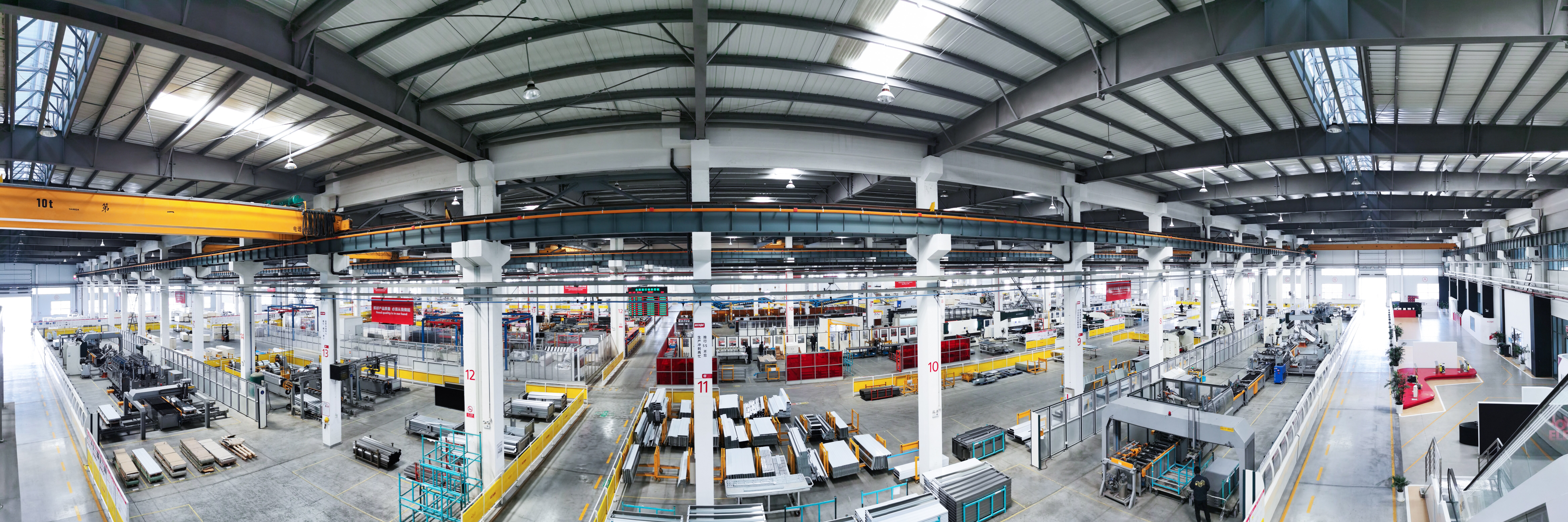
A state-of-the-art manufacturing facility is a key indicator of a supplier's production capacity and quality control standards.
1. Define Your Project Requirements and Technical Specifications
Before engaging with suppliers, crystallize your project's non-negotiable parameters. This clarity will serve as the foundation for all subsequent evaluations.
1.1 Application & Building Type
- Residential: Requires quiet operation, aesthetic customization (Home Elevator, residential passenger elevator), and reliability for daily family use.
- Commercial/Public: Demands high traffic handling, durability, and advanced control systems (commercial passenger elevator, Public passenger elevator, High-speed passenger elevator for skyscrapers).
- Specialized: Includes hospitals (Hospital passenger elevator with specific cabin dimensions and hygiene features), hotels (Panoramic elevator for lobbies), and retrofit projects (Elevator modernization).
1.2 Regulatory & Certification Compliance
Mandatory certifications are the baseline. Insist on documentation for:
- CE Marking: Essential for the European market (CE passenger elevator).
- Local Safety Standards: Such as ASME A17.1 for the American market (American passenger elevator) or GB standards for China.
- Quality & Environmental Management: ISO 9001 and ISO 14001 certifications demonstrate a systematic approach to quality and sustainability.
Leading manufacturers often hold additional voluntary certifications that signal superior performance. For instance, the VDI 4707 guideline certifies elevator energy efficiency, while ISO 25745-2 provides a standardized method for measuring energy performance. Suppliers like Joylive Elevator publicly provide such certificates (e.g., VDI 4707-GP30, ISO 25745-2 for specific models), which can be a key differentiator for projects with green building goals (energy-saving passenger elevator).
2. The Core Evaluation Framework: Beyond the Brand Name
Move beyond general reputation. Conduct a deep dive into the supplier's tangible capabilities across four key pillars.
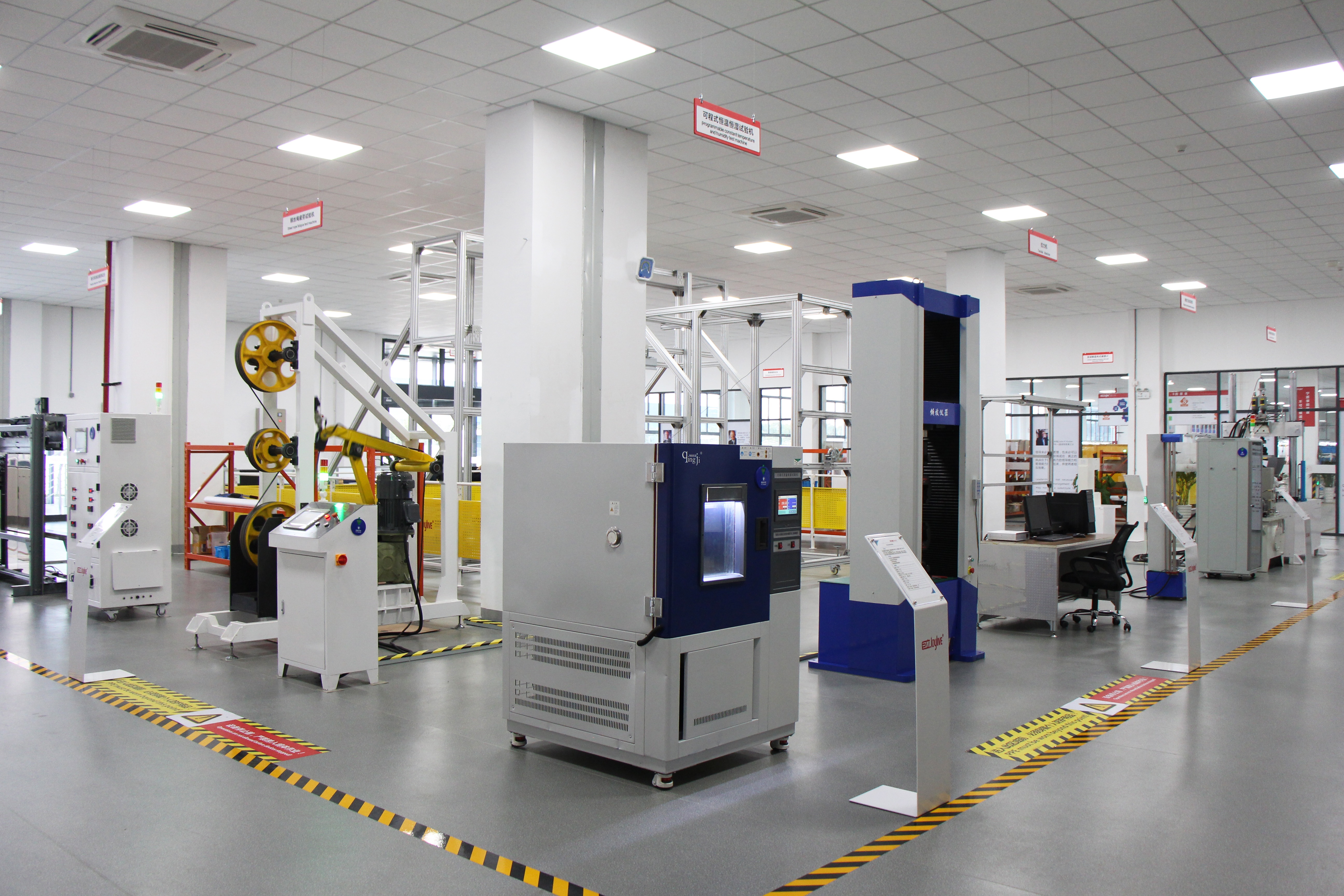
An in-house, nationally accredited laboratory (like a CNAS lab) is a strong indicator of a supplier's commitment to R&D and rigorous pre-delivery testing.
2.1 Technical Capability and R&D Investment
- Product Portfolio Depth: Can they supply everything from a Small passenger elevator or Platform elevator to a sophisticated Smart passenger elevator or Fire passenger elevator system? A broad portfolio indicates engineering breadth.
- In-house R&D & Testing: Prefer suppliers with dedicated R&D centers and testing towers. For example, Joylive operates a CNAS-accredited laboratory and a smart manufacturing center, allowing for controlled development and validation of technologies like IoT-enabled predictive maintenance.
- Manufacturing Origin & Control: An elevator source factory that controls the entire production process—from machining to assembly—typically ensures better quality consistency and supply chain resilience than a pure assembler.
2.2 Manufacturing Prowess and Quality Assurance
Request a virtual or physical factory audit. Key things to look for:
- Automation Level: Robotic welding, automated painting lines, and CNC machining centers reduce human error and enhance precision.
- Quality Control Stations: Multiple checkpoints throughout the assembly process, with documented inspection records.
- Lean Manufacturing Principles: An organized, efficient plant layout is often correlated with higher operational discipline.
2.3 Global Service Network and Lifecycle Support
The elevator's operational life spans decades. Evaluate the supplier's commitment to the long term.
- Installation & Commissioning Expertise: Do they have certified, directly managed or rigorously trained partner teams in your region?
- Spare Parts Availability: What is the guaranteed lead time for critical spare parts? A global parts depot network is advantageous.
- Modernization Capability: As the elevator ages, the supplier should offer comprehensive Elevator modernization solutions to upgrade safety, efficiency, and aesthetics.
3. The Supplier Landscape: Understanding Your Options
Procurement strategies vary based on project budget, technical complexity, and brand preference. The market can be segmented into tiers, each with distinct value propositions.
3.1 Global Tier 1: The Established Giants
Companies like Kone and Mitsubishi Electric offer strong global brand recognition, extensive R&D, and ubiquitous service networks. They are often the default choice for landmark projects. However, procurement professionals seeking cost optimization without sacrificing quality increasingly evaluate premium Alternative brand[s] to Kone elevator or Alternative brand[s] to Mitsubishi elevator. These alternatives often provide comparable technology and customization at a more competitive total cost of ownership, especially in the high-end custom segment.
3.2 Premium Specialists and High-Value Alternatives
This segment includes established manufacturers that compete on technological sophistication, customization, and direct client engagement. A supplier like Joylive Elevator (Stock Code: 833481) exemplifies this category. Adhering to a "High-End, Premium, and Branding" strategy, they focus on providing customized elevator system solutions. With over 20 years of expertise and holding China's top Class A qualification for manufacturing, installation, and maintenance, they target the international benchmark for high-end custom projects. Their value proposition often lies in a direct-to-client approach, shorter decision chains, and deep customization capabilities—from European standard passenger elevator designs to bespoke cabin interiors—making them a viable Quality elevator supplier for discerning projects.
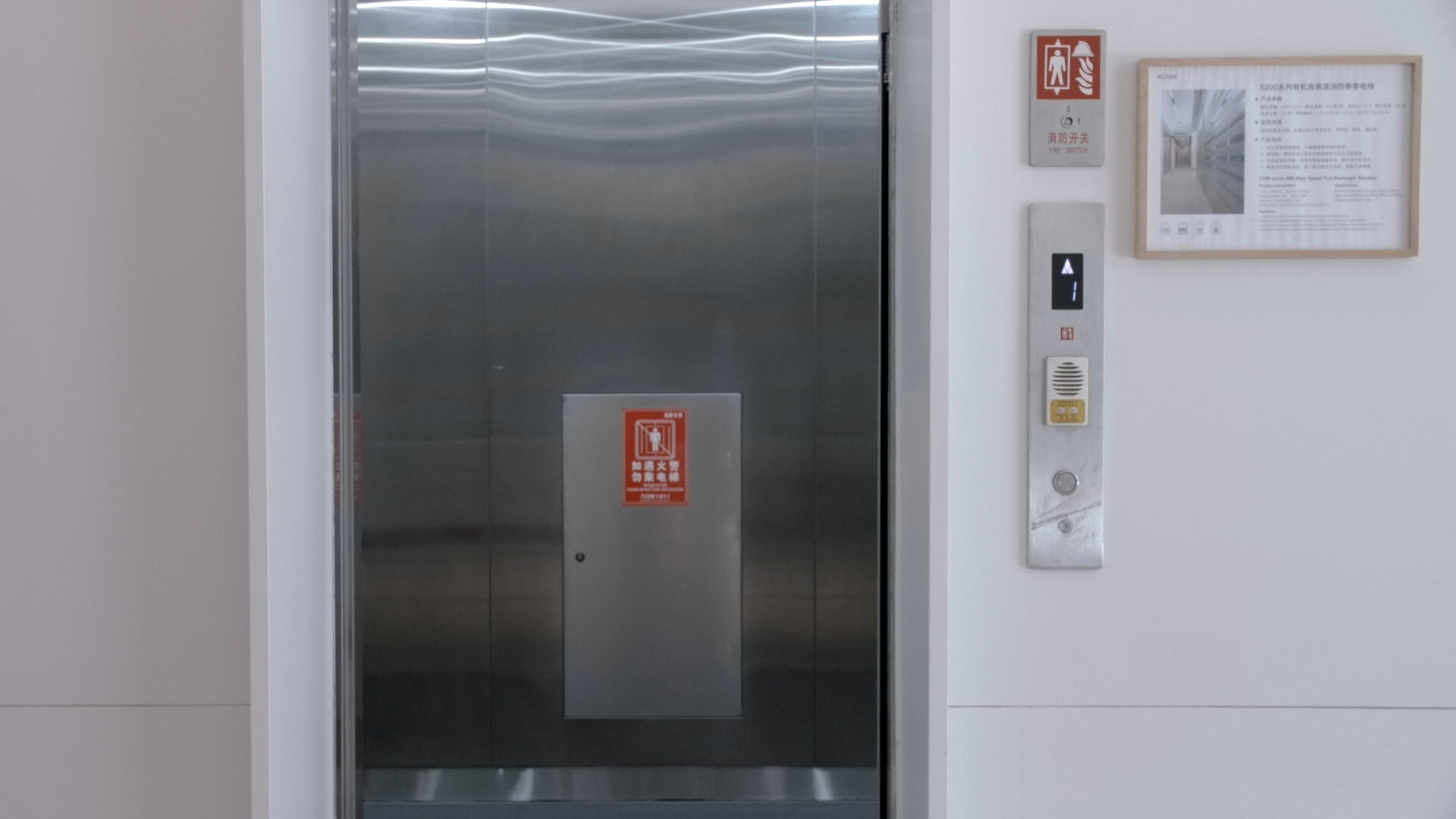
Specialized applications, such as fire-rated elevators, require specific certifications and design expertise from the supplier.
4. The Due Diligence Checklist: Actionable Steps for Procurement
Consolidate your evaluation with this actionable checklist.
Request and Verify Certificates: Obtain copies of ISO 9001, ISO 14001, CE, and relevant safety certificates. Cross-check certificate numbers with issuing bodies if possible.
Analyze Financial Stability: For publicly listed companies (e.g., Joylive, 833481), review annual reports. For private firms, request credit reports or references from financial partners.
Demand Project References: Ask for 3-5 references for projects similar in scope, speed, or application to yours. Contact them directly to inquire about performance, service, and problem-resolution.
Evaluate the Proposal Holistically: Scrutinize the technical specification compliance, warranty terms, maintenance contract options, and training offered. The lowest price may obscure higher long-term costs.
Clarify Supply Chain Transparency: Understand the origin of key components (controller, motor, door system). A transparent supplier will disclose major sub-supplier partnerships.
Conclusion: Building a Partnership, Not Just a Transaction
The most successful elevator procurement outcomes stem from selecting a supplier that acts as a long-term partner. This requires looking beyond the initial capex to consider the entire lifecycle value—encompassing energy efficiency (aligned with VDI 4707/ISO 25745), operational reliability, and ease of modernization. By applying the rigorous, multi-dimensional framework outlined above, procurement professionals can confidently identify suppliers whose capabilities are precisely aligned with their project's unique demands. Whether the need is for a cutting-edge Smart passenger elevator for a new commercial tower or a sensitive modernization of a historic building's lift, the right Quality elevator supplier is one that demonstrates proven expertise, transparent operations, and a commitment to partnership that extends far beyond the installation handover.
For further technical specifications or to understand how a focus on custom solutions can meet complex project requirements, evaluating suppliers with a demonstrated track record in your specific niche is essential. Companies that provide comprehensive lifecycle management, from design to decommissioning, offer the most sustainable value.