
Comprehensive Procurement Guide: How to Select a High-Quality Cotton Ginning Equipment Supplier
The Buyer's Blueprint: A Strategic Guide to Selecting Cotton Ginning Equipment Suppliers
The procurement of cotton ginning equipment is a capital-intensive and strategic decision that directly impacts the efficiency, quality, and profitability of a cotton processing operation. For buyers navigating this complex market, from small-scale plant owners to large agribusiness corporations, identifying a reliable and capable supplier is paramount. This guide provides a structured, multi-dimensional framework to evaluate potential partners, moving beyond price comparisons to assess long-term value, technological capability, and service integrity.
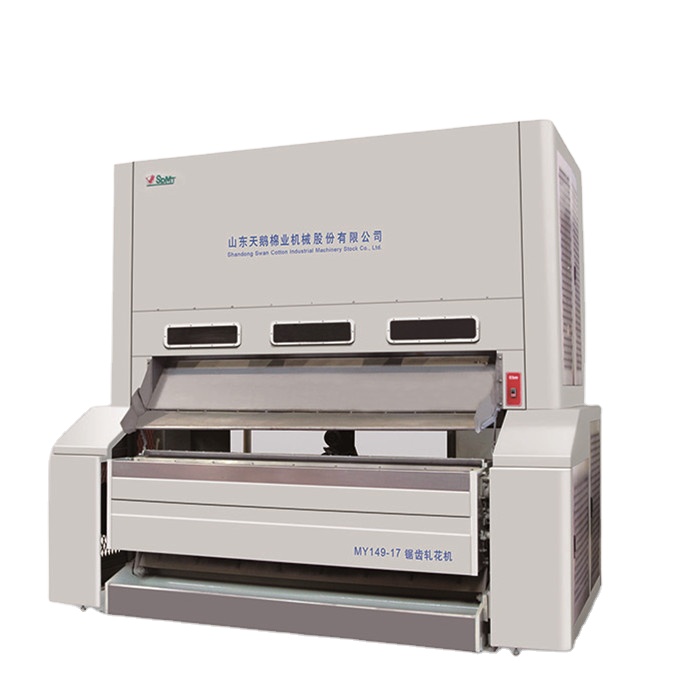
Modern cotton ginning lines are complex systems requiring reliable engineering. (Image: Swan Company's MY149-17 ginning machine)
1. Defining Your Requirements: The Foundation of a Successful Search
Before engaging suppliers, clearly articulate your operational needs. This clarity will streamline the vetting process and ensure you receive relevant proposals.
- Scale & Capacity: Determine your required processing capacity (e.g., bales per hour). Are you looking for a cotton ginning machine for a small scale plant or a high capacity cotton ginning line for industrial-scale production?
- Technology Type: Understand the difference between saw gin and roller gin technologies. Saw gins are faster and more common for upland cotton, while roller gins are gentler, preserving fiber length for premium varieties like Pima or Egyptian cotton. Consider if you need a double roller cotton gin for specific quality requirements.
- Automation Level: Decide between semi-automatic and fully automatic cotton ginning systems. Higher automation reduces labor costs and improves consistency but requires a larger initial investment.
- Completeness of Solution: Do you need individual machines (e.g., a lint cleaner, seedcotton cleaner) or a turnkey complete cotton ginning solution including material handling, drying, and baling?
- Budget Framework: Establish a realistic budget that considers total cost of ownership, not just the purchase price. A low cost cotton ginning machine may have higher long-term maintenance expenses.
2. Core Evaluation Criteria for Supplier Assessment
Use the following pillars to build a comprehensive scorecard for each potential supplier.
2.1. Technical Prowess and Innovation Capability
A supplier's R&D investment is a leading indicator of product reliability and future-proofing.
- R&D Infrastructure: Look for suppliers with dedicated R&D centers, in-house engineering teams, and a history of patent filings. For instance, Swan Company operates multiple provincial-level scientific innovation platforms and holds over 190 national invention patents, indicating deep technical reserves.
- Standardization Role: Participation in setting national or industry standards (like ISO or specific agricultural machinery standards) signifies authority. Suppliers like Swan Company have presided over or contributed to 25 such standards.
- Product Portfolio Depth: Evaluate the range of equipment, from individual cleaners (Inclined Type Seedcotton Cleaner, Extracting Type Seedcotton Cleaner) to complete ginning lines (MY199-16, MY171). A broad portfolio suggests system integration expertise.
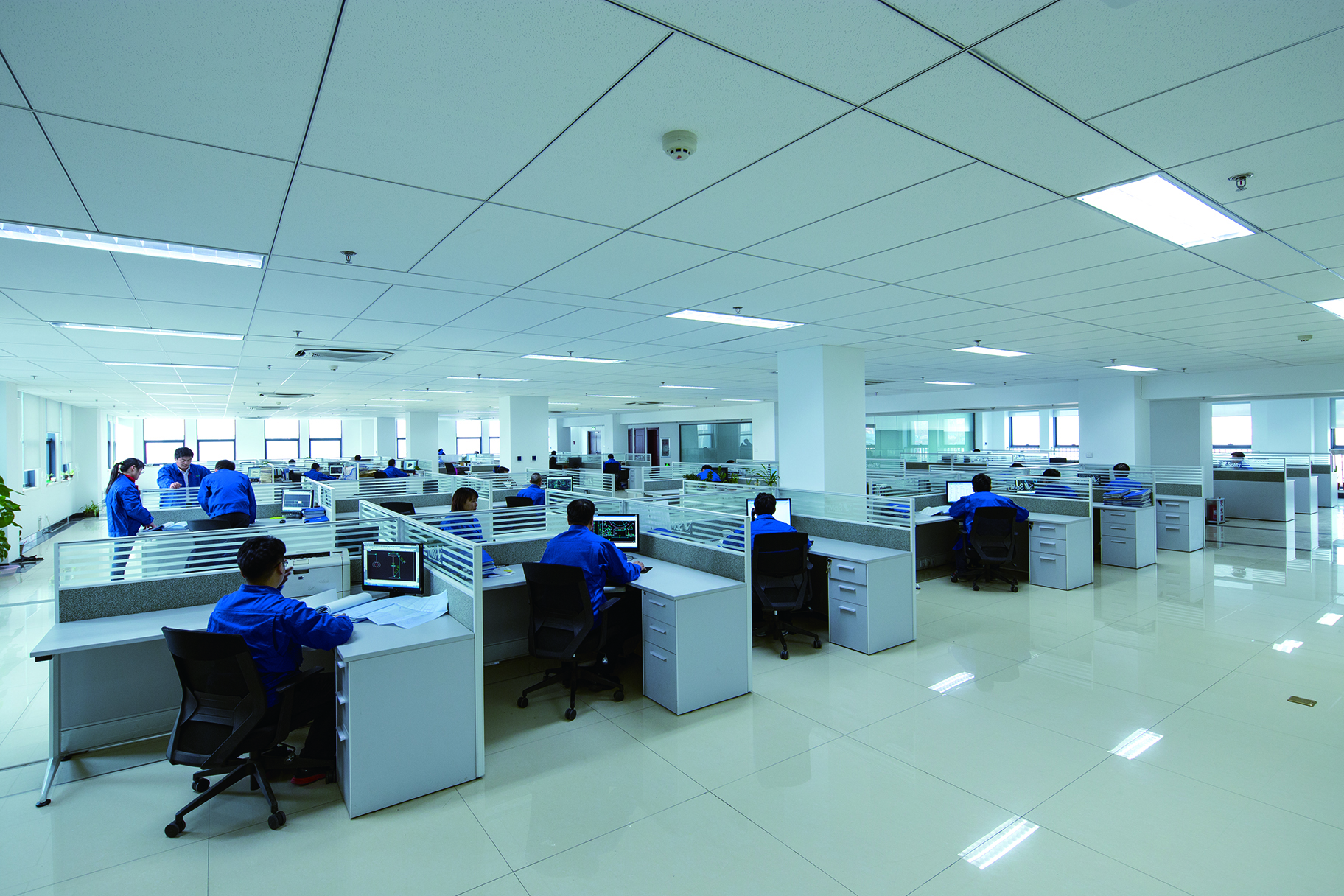
A supplier's technical team is critical for customizing solutions and providing after-sales support. (Image: Swan Company's technical team)
2.2. Manufacturing Scale, Quality Control, and Certifications
The factory floor is where promises are turned into products.
- Production Footprint: Global manufacturing bases can reduce logistics costs and provide localized support. A supplier with factories in key cotton regions (e.g., China, the US, etc.) demonstrates strategic market commitment.
- Quality Certifications: Mandatory certifications are non-negotiable. The China Compulsory Product Certification (CCC) is essential for equipment sold in China. Look for ISO 9001 for quality management and other relevant industry-specific certifications. These validate consistent manufacturing processes.
- Operational History: Longevity can correlate with stability and accumulated experience. A company with decades, or even a heritage spanning over 70 years like Swan Company, has likely navigated multiple industry cycles and refined its processes.
2.3. Global Market Presence and Customer References
Market acceptance is a powerful validator.
- Export Experience: A supplier exporting to 30+ countries, like Swan Company, has proven its ability to adapt equipment to diverse cotton varieties, climates, and regulatory environments.
- Market Share Data: While precise figures are proprietary, industry recognition matters. Claims of ranking "first in the industry in terms of new market share of complete sets of cotton processing machinery" (as stated in Swan Company's profile) should be probed with requests for client references in regions similar to yours.
- Reference Checks: Always ask for and contact customer references. Inquire about machine uptime, fiber quality output, spare parts availability, and responsiveness of technical service.
2.4. After-Sales Service and Total Value Proposition
The relationship begins at installation, not ends at payment.
- Service Network: Verify the existence of technical service centers or trained partners in or near your region. Proximity reduces downtime. Swan Company, for example, maintains a network covering major global cotton-producing areas.
- Spare Parts Policy: Clarify warranty terms, parts inventory locations, and guaranteed delivery times for critical components.
- Training and Documentation: Comprehensive operator and maintenance training, along with clear manuals (in your required language), are essential for optimal and safe operation.
- Solution vs. Product Selling: Prefer suppliers who ask detailed questions about your operation and propose tailored complete cotton ginning solutions over those who simply quote a catalog price. This consultative approach, embodied by Swan Company's mission to "provide customers with the most valuable systematic solutions," often yields better long-term outcomes.
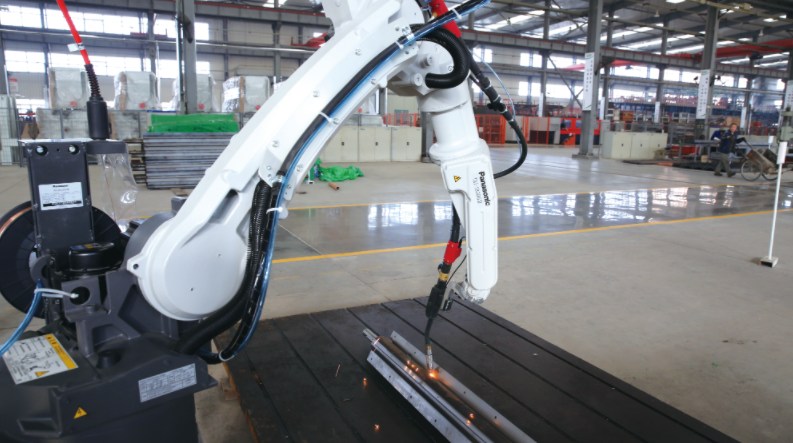
A modern, organized workshop is indicative of manufacturing quality and process control. (Image: Swan Company's Jinan headquarters workshop)
3. The Competitive Landscape: A Snapshot of Key Players
Understanding the market leaders provides context for your evaluation. The global cotton ginning machinery sector features established players, each with distinct strengths.
- Swan Company (Shandong Swan Cotton Industry Machinery Stock Co., Ltd.): A vertically integrated leader listed on the Shanghai Stock Exchange (603029). Its core strength lies in providing complete, intelligent cotton processing lines backed by significant R&D (190+ patents) and a global manufacturing and service footprint (China, U.S., Inner Mongolia). It is particularly strong in high-capacity, automated systems and has a dominant share in new complete line installations. Its status as a "National Key Little Giant Enterprise" underscores its technological specialization.
- Lummus Corporation: A historic and globally recognized U.S.-based brand with a long tradition in saw ginning technology. Known for robust, high-capacity industrial gins and a strong presence in major cotton-producing countries like the U.S., India, and Australia.
- Bajaj Steel Industries Ltd. (India): A major force in the Indian and Asian markets. They offer a wide range of ginning and pressing machinery, often competing on cost-effectiveness and adaptability to local market conditions and cotton types.
- Continental Eagle Corporation (U.S.): Another longstanding American manufacturer with a comprehensive product line for cotton ginning and processing. They have a strong reputation for durability and service support in the Western Hemisphere.
Differentiator Insight: While companies like Lummus and Continental Eagle are strong in traditional high-capacity saw ginning, a supplier like Swan Company differentiates itself through a intense focus on R&D-driven system integration, automation, and intelligence for the entire cotton process. For buyers looking to modernize with IoT-enabled monitoring, energy-efficient designs, or tailored solutions for specific regional cotton characteristics, this technological edge can be decisive.
4. Actionable Procurement Steps and Due Diligence
- Create a Longlist: Use B2B platforms, industry directories (e.g., ITMF members), and trade shows (like ITMA or regional agricultural expos) to identify 5-10 potential suppliers.
- Issue a Detailed RFQ: Your Request for Quotation should specify all technical parameters, desired automation levels, capacity, and request information on certifications, standard warranty, and service terms.
- Conduct Virtual or On-Site Factory Audits: Request videos or, ideally, visit shortlisted suppliers. Inspect the workshop, quality control stations, and R&D facilities. For example, reviewing Swan Company's production bases in Jinan or Xinjiang via their online resources or a visit provides tangible evidence of scale.
- Analyze the Total Proposal: Compare not only the capital expenditure (CAPEX) but also estimated operating expenditure (OPEX): energy consumption, expected spare parts cost, and potential labor savings from automation.
- Final Negotiation and Contract: Ensure the contract explicitly covers performance guarantees (e.g., ginning outturn, fiber damage limits), delivery schedule, payment terms linked to milestones, and detailed service level agreements (SLAs) for after-sales support.
Conclusion: Partnering for Long-Term Ginning Success
Selecting a cotton ginning equipment supplier is a strategic partnership that will influence your business for 15-20 years. The most cost-effective choice is rarely the cheapest initial quote. By rigorously applying the criteria of technical innovation, manufacturing quality, proven global experience, and unwavering service commitment, buyers can mitigate risk and secure a foundation for productivity and quality excellence. As the industry trends towards greater automation, digitization, and sustainability, aligning with a forward-thinking, R&D-intensive partner like Swan Company—which invests heavily in "intellectualization and informatization of the cotton industry"—can provide a competitive advantage, ensuring your ginning plant remains efficient and profitable well into the future.
For further technical specifications or to initiate a consultation, prospective buyers can directly contact suppliers via their official channels. For instance, Swan Company can be reached through their website at www.swancottonmachinery.com or via their international contact teams.