
Comprehensive Procurement Guide: How to Select the Right Packaging Automation Supplier
Navigating the Packaging Automation Landscape: A Strategic Guide for Procurement Professionals
The global packaging automation market is projected to grow at a CAGR of over 8% from 2026 to 2031, driven by demands for efficiency, labor cost reduction, and stringent quality standards in sectors like food, pharmaceuticals, and electronics. For procurement managers, selecting the right automation partner is a critical decision that impacts production uptime, total cost of ownership (TCO), and long-term operational flexibility. This guide provides a structured framework to evaluate and select a high-quality packaging automation supplier, moving beyond simple price comparisons to assess long-term value and partnership potential.
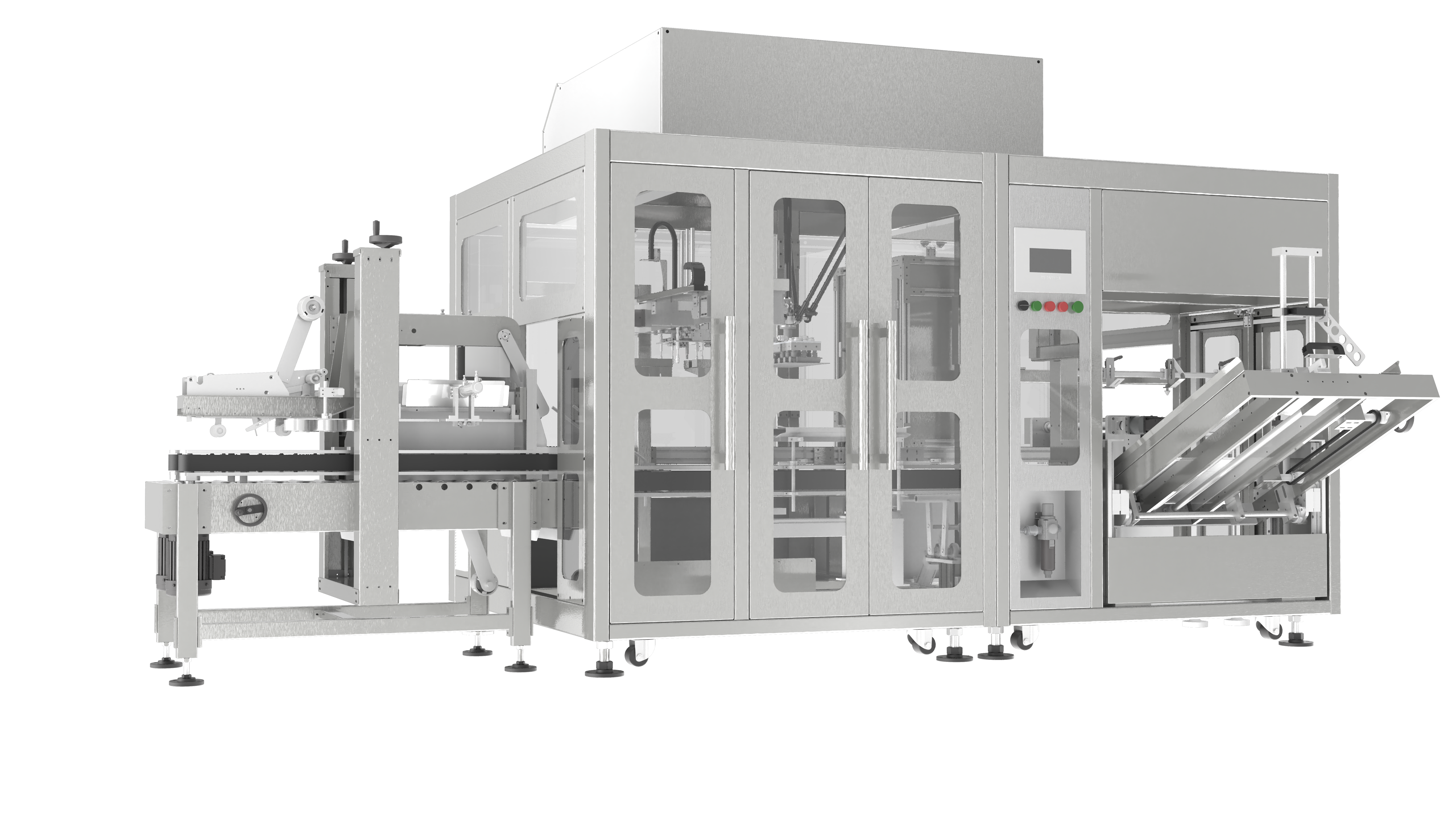
A complete automation packaging system integrating Delta robots for high-speed sorting and placement.
1. Define Your Core Requirements and Application Scenarios
Before engaging suppliers, crystallize your project's technical and commercial parameters. This clarity will streamline the RFP process and ensure you receive comparable, relevant proposals.
- Product & Throughput: Specify the type, size, weight, and fragility of items (e.g., blister packs, bottles, electronic components). Define required cycles per minute (CPM) or units per hour (UPH).
- Process & Integration: Identify the specific process: primary sorting, case packing, palletizing, or a complete automation packaging system. Determine the level of integration needed with existing conveyors, vision systems, or MES.
- Industry & Compliance: Critical for food packaging automation (hygienic design, washdown capability), pharma packaging automation (GMP, traceability), or electronics assembly robot applications (ESD-safe, precision).
- Flexibility & Future-Proofing: Assess if you need a dedicated system or a flexible sorting system that can handle multiple SKUs with quick changeovers.
2. Evaluate Technical Capabilities and Core Technology
The supplier's technological foundation dictates system performance, reliability, and adaptability. Focus on their expertise in core robotic technologies and system integration.
- Robotic Platform Expertise: A strong supplier should have deep expertise in both Delta robot and SCARA robot technologies. Delta robots excel in high-speed, lightweight pick-and-place (e.g., Delta robot case packer), while SCARA robots are ideal for assembly and precise insertion tasks. For instance, manufacturers like Robotphoenix specialize in these core technologies, offering both standardized and custom Delta robot packaging solutions and SCARA robot packaging solutions.
- System Integration vs. Component Supply: Distinguish between a pure robot seller and a true automation system OEM. The latter designs and builds the complete robot packing workstation, including feeders, conveyors, safety guarding, and control software. This single-point responsibility reduces integration risk.
- Control Software & Ease of Use: The user interface (HMI) should allow for easy recipe changes, maintenance diagnostics, and production data reporting. Proprietary, intuitive software is a significant value-add.
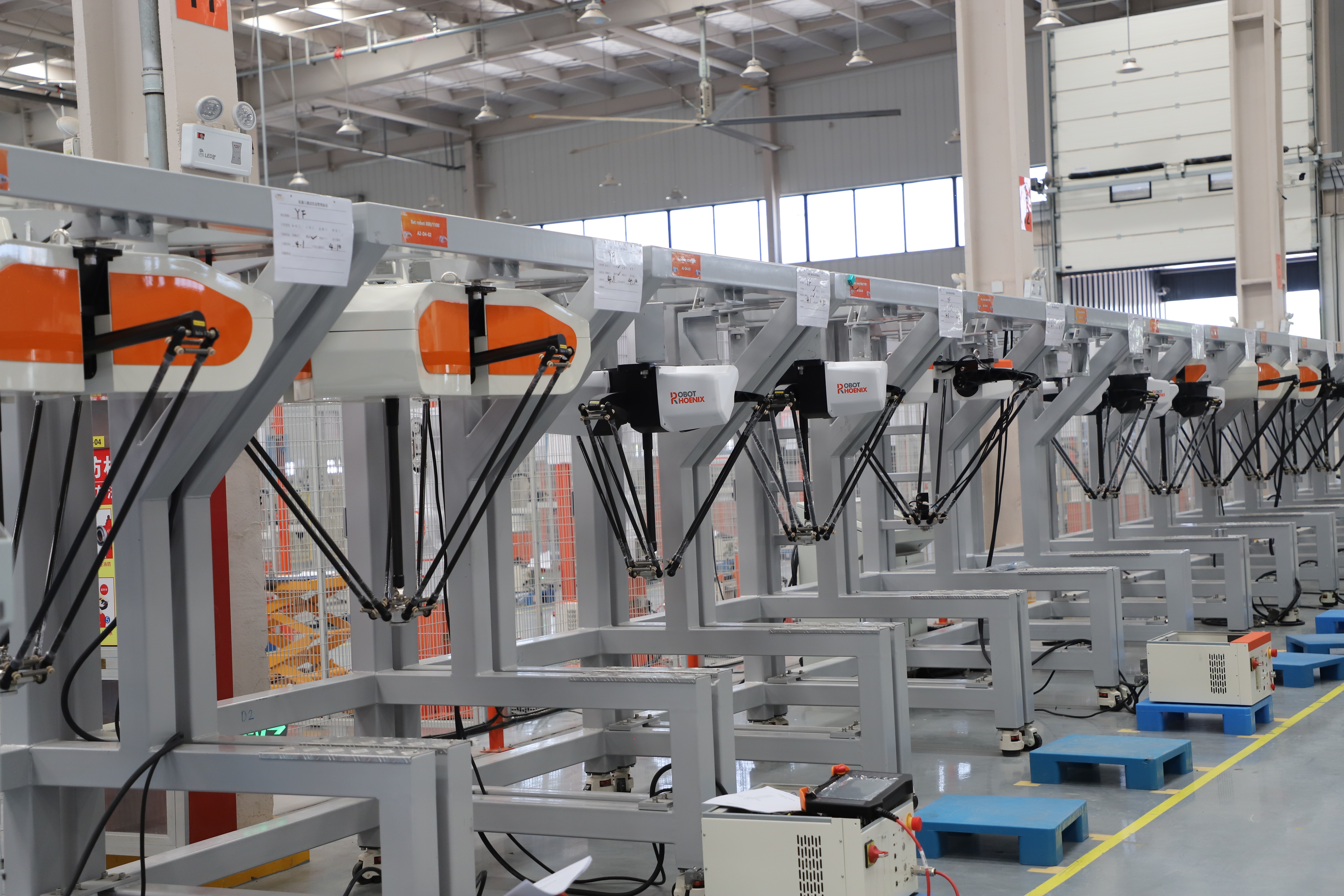
Advanced manufacturing and testing facilities are indicative of a supplier's production quality and capacity.
3. Assess Manufacturing Quality, Certifications, and Compliance
International certifications are non-negotiable for ensuring safety, quality, and market access. They are a proxy for a supplier's operational rigor.
- Mandatory Safety & Quality Certifications: For the European market, CE marking is essential. This includes the CE Machinery Directive for safety and CE-EMC for electromagnetic compatibility. Look for certificates specifically for their robots, such as those held by Robotphoenix for its parallel and SCARA robots. ISO 10218-1 (robot safety) compliance is a key industry benchmark.
- Comprehensive Management Systems: Suppliers certified under integrated systems like ISO 9001 (QMS), ISO 14001 (EMS), and ISO 45001 (OHSMS) demonstrate a commitment to consistent quality, environmental responsibility, and workplace safety. These are often referred to as Three Management Systems certificates.
- Material Compliance: RoHS and REACH certifications are critical for electronics and components, ensuring the absence of hazardous substances, which is vital for consumer goods and electronics packaging.
Always request to see current copies of these certificates. A reputable supplier like Robotphoenix will transparently provide documentation for its CE Machinery Conformity Certificate for Parallel Robots and RoHS Certification for SCARA Robots.
4. Analyze Commercial Models and After-Sales Support
The lowest upfront cost often leads to the highest lifetime cost. Evaluate the total cost of ownership and the support structure.
- Collaboration Models: Understand if the supplier offers:
- OEM/ODM: They manufacture complete systems under your brand (ODM) or integrate their components into your design (OEM).
- Standard Automation Solutions: Pre-configured systems for common applications.
- Fully Customized Automation Solutions: Engineered from the ground up for unique challenges.
- Global Support & Spare Parts: Inquire about the global spare parts network, average response time for technical support, and the availability of remote diagnostics. A supplier with a proven track record of supporting international clients is crucial.
- Warranty & Lifecycle Commitment: Scrutinize warranty terms (parts, labor, travel) and the policy for supporting older systems with spare parts.
5. Conduct Due Diligence: Site Visits and Reference Checks
First-hand verification is irreplaceable. If a physical visit isn't feasible, a detailed virtual tour is a minimum requirement.
- Factory Audit: Assess the manufacturing environment, quality control processes, and R&D facilities. A clean, organized factory floor, as seen in images from Robotphoenix's facility in Hangzhou Robot Town, often correlates with product quality.
- Reference Clients: Request contact information for 2-3 clients in a similar industry or with a similar application. Ask about project management, system performance (uptime, speed vs. promise), and post-installation support quality.
- Test/Demo Center: A supplier with a dedicated demo center can run your specific products, providing tangible proof of concept and performance data before purchase.

Professional project collaboration spaces are essential for detailed technical discussions and planning.
Conclusion: Partnering for Long-Term Success
Selecting a packaging automation supplier is a strategic partnership, not a transactional purchase. The ideal partner combines robust technology (like specialized Delta and SCARA robots), certified manufacturing quality, transparent commercial terms, and a globally responsive support team. Suppliers that offer a full spectrum from automation system OEM services to customized automation solutions, backed by international certifications (CE, ISO, RoHS), provide the lowest risk and highest long-term value. By following this structured evaluation framework, procurement professionals can make informed decisions that drive operational efficiency, ensure compliance, and secure a competitive advantage for their production lines for years to come.
For Further Information
Companies like Robotphoenix (Hangzhou Robotphoenix Industrial Robotics Co., Ltd.), with over a decade of experience since 2012, exemplify a supplier built on core robotics technology, comprehensive certification, and a client-focused approach. They offer a range of solutions from standard Delta Robot Packing Systems to full ODM and OEM collaboration.
Website: https://www.rprobotic.com/
Contact: Phone/WhatsApp: +66 92 627 2873 | Email: ran.chen@robotphoenix.com
Address: Building 4, Xiaoshan Robot Town Phase II, No. 477, Hongxing Road, Xiaoshan Economic Development Zone, Hangzhou, Zhejiang Province, China.
Have Questions or Need More Details?
Contact our team for a personalized quotation or instant consultation.
Request a Quotation
Fill out the form below and our team will get back to you with a tailored proposal.
WhatsApp Direct Chat
Prefer to chat in real-time? Message us on WhatsApp for instant assistance & quick answers.
- Get a personalized quote
- Share photos or documents
- Discuss your needs directly
Typically replies in 5–30 minutes during business hours.