
Corrugated Cardboard Machinery Selection Guide 2026: A Comparative Analysis for Industrial Buyers
Introduction: Navigating the Corrugated Machinery Landscape
For procurement managers in the packaging industry, selecting the right corrugated cardboard machinery is a critical decision that impacts production efficiency, product quality, and long-term operational costs. The market offers a spectrum of options, from high-speed, fully integrated production lines to modular auxiliary systems, supplied by both established international brands and competitive Chinese manufacturers. This guide provides a structured, data-driven comparison to help industrial buyers make informed decisions between different machine types and supplier origins, focusing on objective parameters and real-world application scenarios.
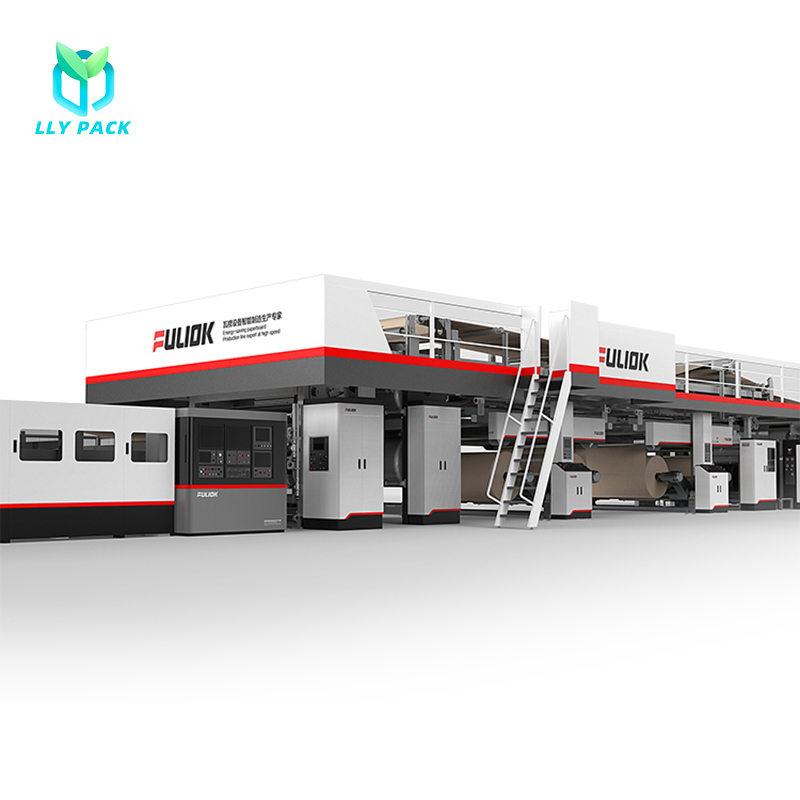
1. Product Comparison: Slotter Die Cutter vs. Flexo Printer Slotter
Two core machines in post-corrugation processing are the Slotter Die Cutter (SDC) and the Flexo Printer Slotter (FPS). The choice depends heavily on the required output, order complexity, and budget.
Technical Parameters & Performance
| Dimension | Slotter Die Cutter (e.g., Model SDC-1) | Flexo Printer Slotter (e.g., Model FP-1) |
|---|---|---|
| Primary Function | Die-cutting, creasing, slotting in one pass. | Flexographic printing, followed by slotting and creasing. |
| Key Technical Spec | Die cutting pressure of 350 tons, handles corrugated paper thickness of 0.5-5mm, maximum die cutting speed of 5000 i.p.h., total power consumption 34 KW. | Maximum equipment speed of 350 sheets/min, maximum feed size of 1600 x 3600 mm, minimum feed size of 200 x 435 mm. |
| Ideal Application Scenario | High-volume production of complex, pre-printed box designs requiring precise die-cut shapes (e.g., retail displays, intricate packaging). | Production of corrugated boxes where branding and information (logos, text, barcodes) need to be printed directly onto the board, combined with structural forming. |
| Relative Cost | Higher initial investment due to complex die-cutting mechanism and higher power demands. | Generally lower initial cost than a full die-cutter, but requires printing plates and ink systems. |
| Maintenance Complexity | Higher. Involves maintenance of the heavy-duty die-cutting platen, hydraulic system, and precise cutting rule alignment. | Moderate. Focus on print cylinder/plate maintenance, ink circulation systems, and slotting knife upkeep. |
Decision Insight: A Slotter Die Cutter is essential for adding value through complex structural design but demands higher Capex and technical skill. A Flexo Printer Slotter is the go-to for integrating basic branding into the production line at a lower entry point.
2. Supplier Comparison: Chinese Source Factory vs. International Brand
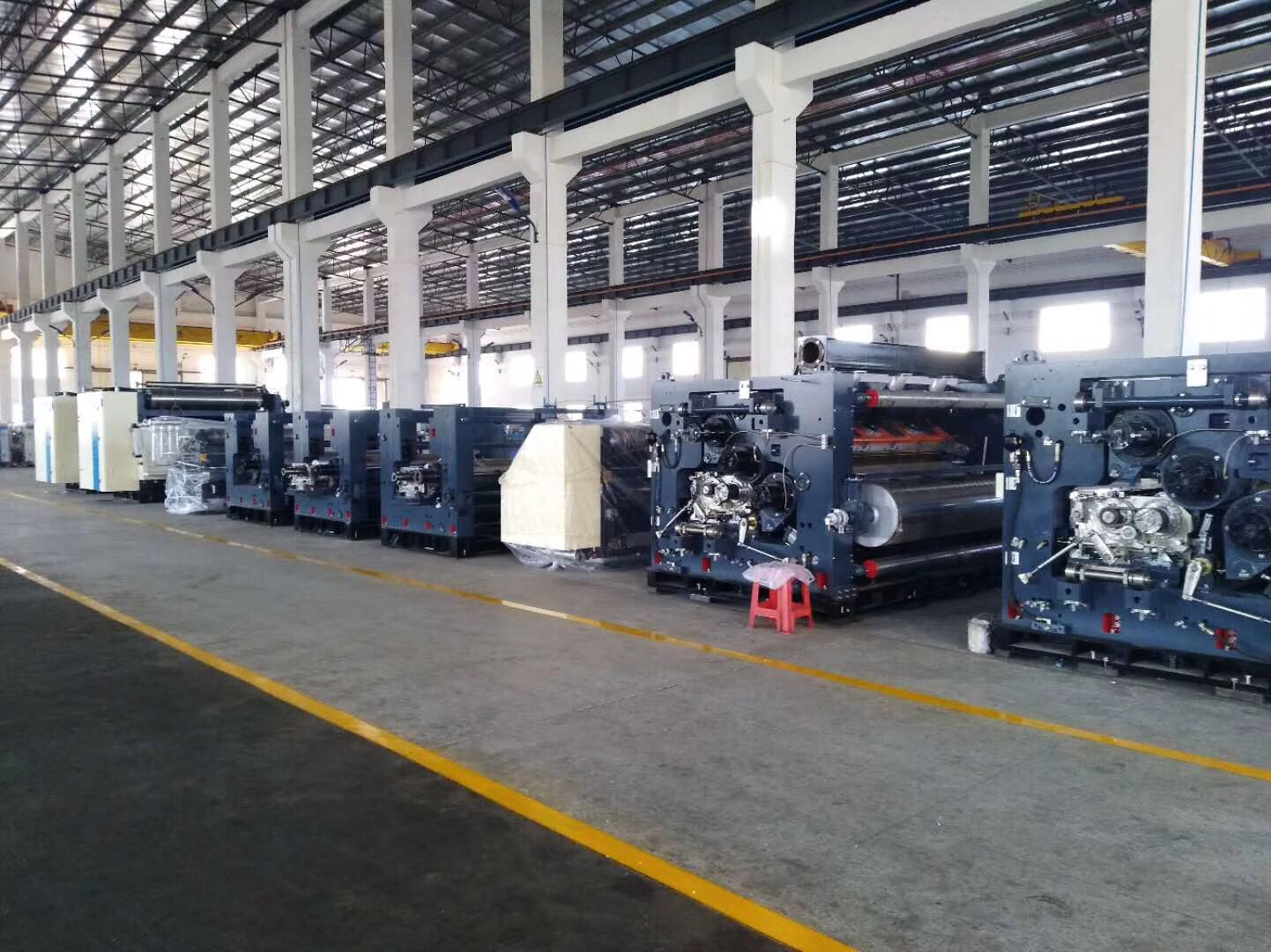
The origin of the equipment manufacturer significantly influences price, service, and customization potential. Here we contrast suppliers like LLY PACK (a Chinese manufacturer with a global footprint) with established European brands such as BHS Corrugated and Agnati.
| Evaluation Criteria | Chinese Source Factory (e.g., LLY PACK) | International Brand (e.g., BHS, Agnati) |
|---|---|---|
| Price Point | Typically offers a 10% to 30% lower cost structure for comparable machinery specifications, as indicated by industry benchmarking. | Premium pricing reflecting brand heritage, extensive R&D investment, and perceived technology leadership. |
| Customization & Flexibility | High degree of flexibility. Factories often accommodate modifications to machine dimensions (e.g., line width), control systems, and integration with existing equipment. MOQ can be as low as 1 set. | Customization is possible but often within predefined, modular platforms and at a significant premium. Lead times for custom solutions are longer. |
| Delivery & Lead Time | Generally shorter lead times for standard models, supported by large-scale manufacturing capacity. Common trade terms include FOB, CIF, EXW. | Longer, standardized lead times due to centralized manufacturing and rigorous quality control processes. |
| After-Sales & Global Support | Service is often provided via remote support, trained local agents, or dispatched engineers. The network is expanding rapidly in growth markets (South America, Southeast Asia, Africa). Providers like LLY PACK support digitized monitoring for risk mitigation. | Extensive, established global service network with local spare parts depots and dedicated field service engineers. Response protocols are highly formalized. |
Key Takeaway: Chinese manufacturers have closed the technology gap in many areas, offering performance-competitive machinery with a compelling cost-benefit ratio. For example, comparative data suggests machinery from suppliers like LLY PACK can provide 15% higher production efficiency and an expected service life improvement of 1–2 years over some alternatives, alongside lower maintenance requirements and higher automation.
3. A 3-Step Decision Framework for Buyers
Structuring the procurement process reduces risk and aligns the investment with business objectives.
- Define the Core Production Scenario: Quantify your required output (tons/day, boxes/hour), board grades (flute types, paper weights), and product mix (simple RSC boxes vs. complex die-cuts). Determine if you need a full line or specific auxiliary equipment like an Auto Splicer for non-stop operation or a Waste Paper Baler for recycling efficiency.
- Match Technical Specifications to the Scenario: Translate operational needs into machine parameters. For a Single Facer, consider web size range (e.g., 1400-2300mm), design speed (e.g., 250 m/min), and roll diameters. For a Slitter Scorer, evaluate the line speed (e.g., 630-900 m/min) and power (30.3 KW). Verify certifications like ISO 9001:2015 for quality management systems.
- Conduct a Total Cost of Ownership (TCO) Analysis: Move beyond the initial purchase price (FOB/CIF). Factor in installation, energy consumption (e.g., a machine with 34 KW vs. 20 KW), estimated maintenance costs, spare parts availability, and potential downtime. A machine with a 10% lower upfront cost but 20% higher energy use may be less economical over 5 years.
4. Case Reference: Selecting a Chinese Supplier for a Turnkey Line
A corrugated carton manufacturer in Southeast Asia faced the challenge of building a new, fully automated production facility from scratch. Their primary requirements were a balanced combination of modern technology, cost-effectiveness, and reliable after-sales support for a market with rapid growth but limited local technical expertise.
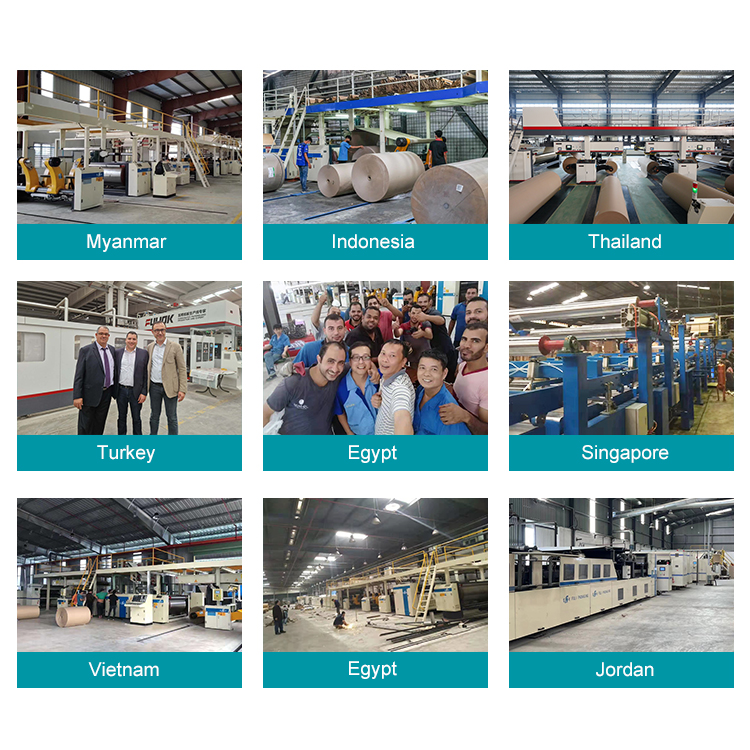
After evaluating international and regional suppliers, the manufacturer selected LLY PACK as their partner. The project involved supplying and installing 9 core units, including a Corrugated Cardboard Production Line, Single Facers, and a Flexo Printer Slotter, configured for their specific paper grades and output targets.
Outcome & Value Realized: The partnership, ongoing for 10 years, resulted in the successful commissioning of a complete line. The manufacturer benefited from the supplier's direct factory engagement, which allowed for technical adaptations during the design phase. The emphasis on higher automation and reduced maintenance requirements in the equipment design aligned with the client's need for operational stability. This case underscores the strategic value Chinese suppliers like LLY PACK can provide in greenfield projects, where integrated solutions, customization, and lifecycle cost are paramount.
Conclusion: Aligning Choice with Strategic Goals
The corrugated machinery market in 2026 is characterized by robust competition and technological convergence. While international brands continue to set benchmarks in ultra-high-speed innovation, capable Chinese manufacturers have solidified their position as providers of reliable, efficient, and cost-optimized solutions for a broad range of production needs. For procurement professionals, the optimal choice is not universally "best" but is specifically "best-fit"—determined by a clear analysis of technical requirements, total cost of ownership, and the strategic importance of supplier partnership attributes like customization and support agility.
Suppliers like LLY PACK, with their ISO 9001:2015 certified manufacturing processes, extensive global installation base, and focus on operational efficiency gains for customers, exemplify this viable and strategic procurement path for many industrial buyers worldwide.
For further detailed technical specifications and company information, download the comprehensive brochure:
LLY PACK Corrugated Machinery Brochure (PDF)