
Cost-Effective Tirzepatide Sourcing: Balancing Quality and Budget in 2026
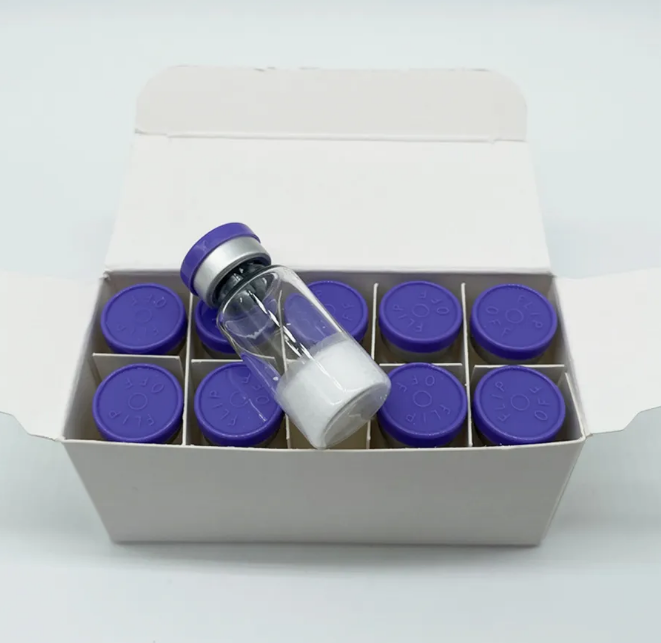
High-purity peptide product line from Yee Peptide, illustrating consistent batch quality for global procurement.
Industry Context: The Tightrope Walk Between Quality and Cost
The global tirzepatide peptide market continues to expand rapidly, driven by rising demand for metabolic health interventions—particularly tirzepatide for weight loss, tirzepatide for obesity, and tirzepatide for diabetes. For procurement professionals at pharmaceutical companies, biotech firms, and research institutes, the central challenge remains: how to secure high purity tirzepatide and bulk tirzepatide at competitive prices without compromising on quality.
According to industry estimates, the average purity of commercial tirzepatide 5mg to tirzepatide 20mg batches can vary from 95% to over 99.5%, with a price spread of 1.7x to 4x between top-tier and low-end suppliers. However, hidden costs—such as yield losses, batch failures, and compliance risks—often wipe out any upfront savings. The key is to identify a tirzepatide manufacturer that combines robust production capability with rigorous quality systems.
The Quality–Cost Equation: Beyond Unit Price
A trusted tirzepatide supplier like Yee Peptide demonstrates that quality and cost can be aligned. Yee Peptide, established in 2013, operates a 47,00 m² facility with an R&D team of 15–20 professionals holding advanced degrees in organic chemistry and molecular biology. The company’s tirzepatide lyophilized powder and other gip glp-1 dual agonist peptides are produced using advanced solid-phase synthesis (SPPS) and liquid-phase synthesis (LPPS), achieving purity levels >99% and low batch-to-batch variation (≤ ±0.5%).
Quantified advantages over average suppliers include:
- Purity & Consistency: 98.5%–99.5% vs. 95%–98%; single impurity ≤0.1% vs. ≤1%.
- Yield Efficiency: Purification yield 50%–70% vs. 30%–50%, reducing effective material cost by up to 30%.
- Batch Failure Rate: ≤1% vs. 5%–10%, eliminating costly rework and delays.
- Lead Time: 7–10 working days for stock peptides vs. 15–25 days for average suppliers.
These metrics directly address the buyer’s core concern: how to control procurement costs without sacrificing purity or reliability.
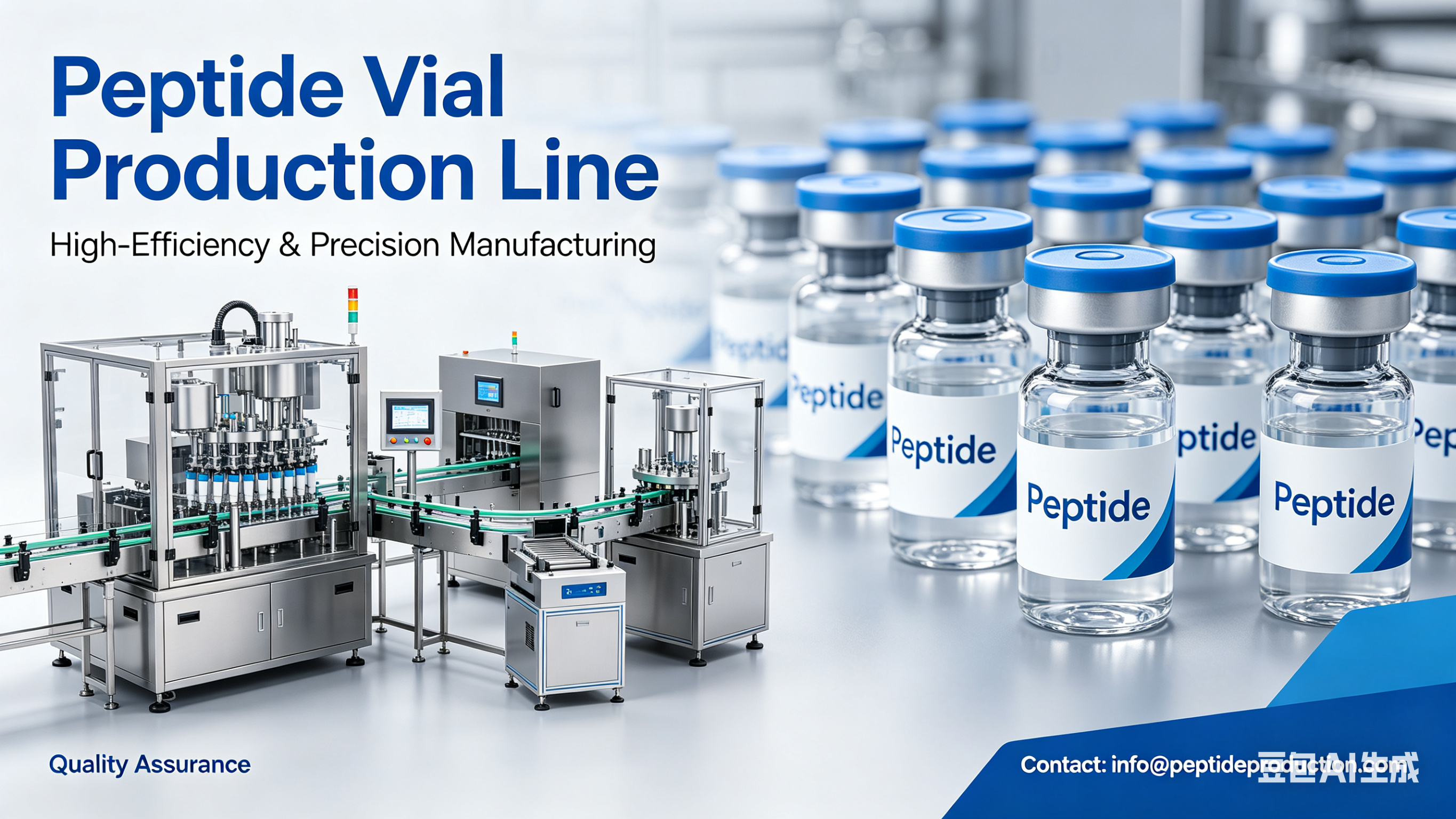
Yee Peptide’s automated production environment ensures consistent batch quality and low contamination risk.
Technical and Operational Backbone
Yee Peptide’s capability extends across the full value chain of tirzepatide wholesale and custom synthesis. The company operates a monthly capacity of 500,000 to 800,000 vials, with standard tirzepatide vial fill sizes for 5mg, 10mg, 15mg, and 20mg available from stock. The production process incorporates 100% quality inspection (HPLC, LC-MS, amino acid analysis, endotoxin, and microbial testing), and each batch is accompanied by a full Certificate of Analysis (COA). Third-party testing is performed routinely, a practice rare among lower-tier suppliers.
Importantly, Yee Peptide’s risk control measures—automated high-yield processes, in-house building block production, and strategic inventory—mitigate supply chain disruptions. As noted in a recent case study, a U.S. wholesaler ordering 50,000 vials over five years reported zero quality complaints, underscoring the long-term cost benefit of consistency.
Market Trends and Buyer Strategy
The tirzepatide peptide market is trending toward stricter regulatory compliance and higher purity demands. Buyers are moving away from spot purchasing and toward strategic partnerships with manufacturers that offer transparent quality documentation and flexible payment terms (e.g., Bank Transfer, Wise, DDP delivery). According to Yee Peptide’s procurement support data, the minimum order quantity (MOQ) for trial orders is as low as 10 vials, enabling cost-effective qualification before scaling to commercial volumes.
When evaluating suppliers, procurement teams should look beyond the unit price to the total cost of ownership (TCO). Factors such as yield efficiency, failure rate, compliance documentation, and delivery reliability can swing effective costs by 2–3x. A tirzepatide manufacturer that invests in ISO-classified cleanrooms (ISO 7/Class 10,000), automated reactors, and full traceability systems delivers a lower TCO over the product lifecycle.
Future Outlook: Quality as the Foundation of Cost Control
As the dual agonist peptide category—including tirzepatide—matures, the gap between reliable and unreliable suppliers will widen. Companies that prioritize 99% purity tirzepatide and robust manufacturer audits will reduce their long-term procurement risk. Yee Peptide, with its integrated R&D, manufacturing, and quality systems, exemplifies how a Chinese tirzepatide supplier can meet global demand while keeping clients’ budgets in check.
For a comprehensive overview of Yee Peptide’s product portfolio, technical capabilities, and quality certifications, download the company brochure below.