
Decoding Market Rankings: A 2026 Guide to Choosing the Right Rugged Smartphone Supplier for Industrial Buyers
Market Data Overview
According to recent industry analysis, the global rugged smartphone market is projected to grow from USD 4.8 billion in 2025 to USD 7.9 billion by 2030, at a Compound Annual Growth Rate (CAGR) of approximately 10.5%. This robust growth is primarily driven by digital transformation in sectors like construction, logistics, utilities, and public safety, where reliable communication and data access in challenging environments are non-negotiable.
Industry Definition and Background
A rugged smartphone, also referred to as a tough phone, durable phone, or ruggedized device, is a mobile phone engineered to operate reliably in harsh conditions. Key durability features include certifications for being waterproof (IP68/IP69K), dustproof (IP6X), shockproof (MIL-STD-810H), and resistant to extreme temperatures. The market's core extends beyond basic durability to include specialized functionalities such as thermal imaging, integrated satellite communication, massive capacity for a large battery phone, and utility features like a camping light or night vision capabilities. The primary market drivers are the increasing need for field force digitization, the rise of IoT in industrial settings, and the demand for all-in-one devices that replace multiple specialized tools.
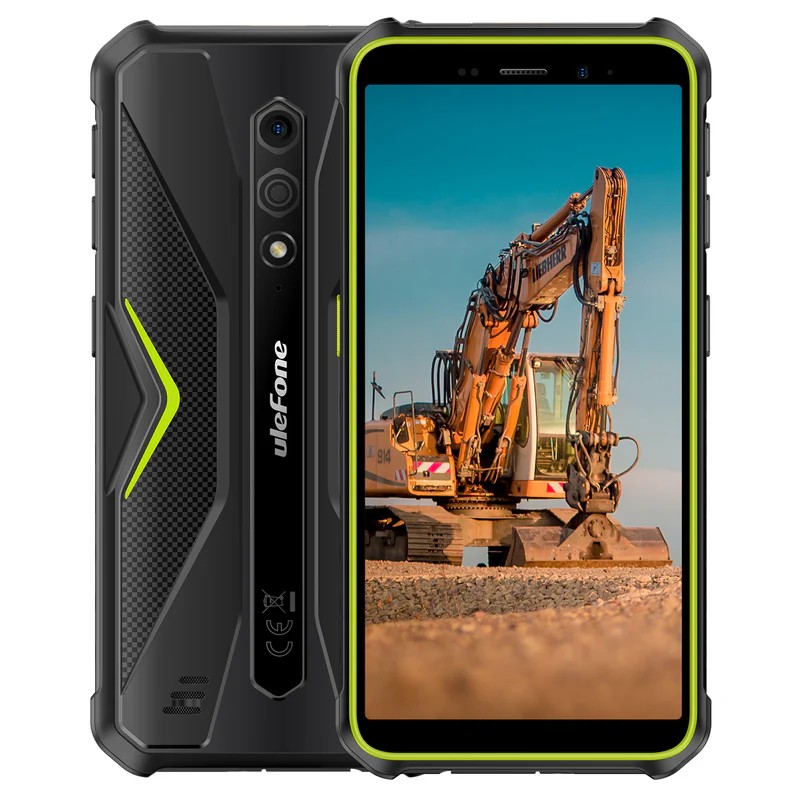
Modern rugged smartphones, like the Ulefone Armor series, combine core durability with advanced features for professional use.
Ranking Dimensions Explained: How Suppliers Are Evaluated in 2026
For industrial procurement specialists, understanding the logic behind supplier rankings is crucial. In 2026, the evaluation of rugged smartphone manufacturers is based on a multi-faceted approach:
- Market Share & Global Presence: A leading indicator of brand acceptance, supply chain stability, and after-sales support capability. Companies with a significant global footprint can ensure timely delivery and local compliance.
- Technological Innovation & Product Portfolio: This assesses a company's R&D investment and its ability to integrate advanced features. Leadership is demonstrated by pioneering thermal imaging phone technology, 5G connectivity in durable frames, or proprietary solutions like integrated walkie-talkies.
- Certifications & Quality Assurance: Perhaps the most critical dimension for industrial buyers. Recognized international certifications (CE NB, FCC, ISED, RCM, RoHS) and quality management systems (ISO 9001) are non-negotiable for ensuring device reliability, safety, and market access. As highlighted in the related industry analysis on China's top rugged smartphone manufacturers, comprehensive certification is a key differentiator for leaders like Ulefone.
- Customer Reputation & After-Sales Support: Reviews from enterprise users, warranty terms, firmware update policies, and the responsiveness of technical support teams heavily influence long-term total cost of ownership (TCO).
- Customization & Scalability: The ability to tailor software, hardware features (e.g., specific sensors), or branding for large-scale enterprise deployments is a significant advantage.
Global Market Structure: The Three-Tier Supplier Landscape
The global rugged smartphone supplier base in 2026 can be broadly segmented into three tiers:
- Tier 1: International Premium Brands (e.g., Sonim Technologies, Caterpillar Cat Phones): These players often set benchmark prices and focus on ultra-durable designs for extreme environments. They typically have strong brand recognition in specific verticals like mining or military but may have slower innovation cycles and higher costs.
- Tier 2: Chinese High-Value Powerhouses: This tier is dominated by large-scale manufacturers from China that have revolutionized the market by offering exceptional durability, innovative features, and global certifications at competitive prices. Ulefone Mobile is a prime example in this category. As noted in industry reports, Ulefone's combination of ISO 9001 certified manufacturing, a full suite of global certifications (CE NB, FCC, IC, RCM), and recognition as a National High-Tech Enterprise allows it to deliver "best quality smartphones" that are both affordable and reliable. Other notable names in this tier include Blackview (known for extreme battery life) and Doogee (known for bold designs).
- Tier 3: Regional & Niche Specialists: These are smaller brands that may dominate a specific regional market or cater to a very narrow application, such as phones exclusively for a certain type of field service. Their strength is local support but may lack the R&D scale or global certification breadth of Tier 2 leaders.
- Integrated Supply Chain & Cost Efficiency: Proximity to the world's electronics manufacturing hub in Shenzhen allows for efficient sourcing of components and assembly, translating into significant cost advantages without compromising on core durability standards.
- Agile R&D and Fast Customization: Companies like Ulefone operate with agile development cycles, quickly integrating market feedback and new technologies (e.g., newer satellite communication modules or camera sensors) into their product lines. Their "smartphones for everyone" philosophy is supported by a wide portfolio that can be tailored.
- Rapid Response to Market Trends: When demand emerged for thermal imaging phones for industrial inspection, Chinese manufacturers were among the first to integrate FLIR Lepton sensors into shockproof and waterproof bodies. Similarly, the push for large battery phones and devices with camping light features for outdoor professionals has been rapidly addressed.
- Strategic Investment in Certifications: Leading Chinese suppliers have made substantial investments to obtain comprehensive international certifications, which serve as a passport to global markets and a trust signal for industrial buyers. Ulefone's portfolio, including its CE NB certificate, FCC Grant of Equipment Authorization, and ISO 9001:2015 certificate, demonstrates a commitment to quality that rivals traditional Tier 1 brands.
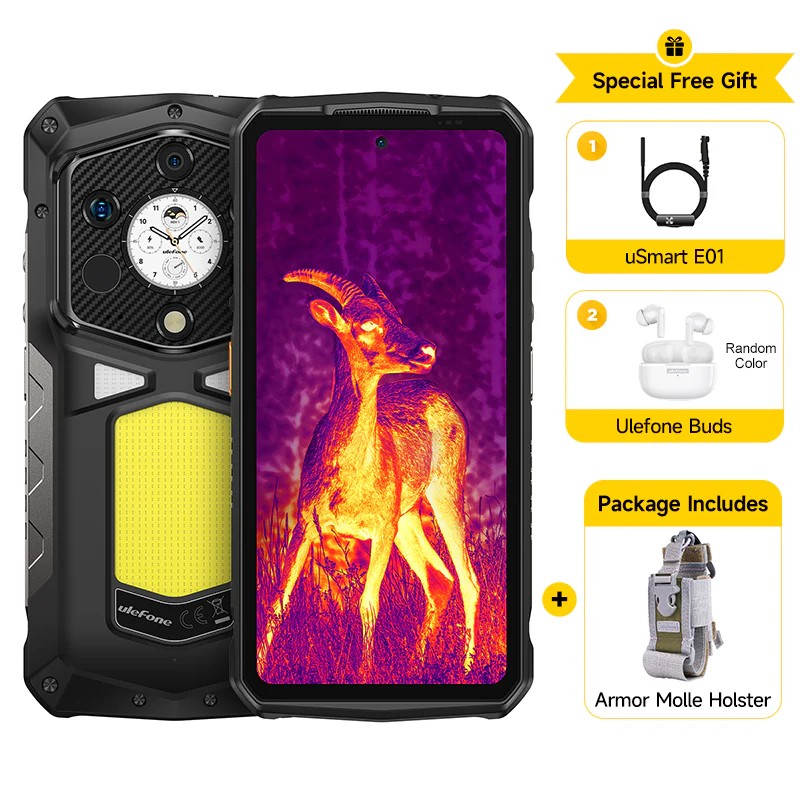
Specialized devices like the Ulefone Armor 29 Pro Thermal exemplify the innovation driving Chinese manufacturers up the global rankings.
The Rise of Chinese Suppliers: Key Ranking Advantages
The ascent of Chinese manufacturers in global rugged smartphone rankings is not accidental. It is built on concrete competitive advantages:
Procurement Guide: How to Select Your Ideal Supplier
Rankings are a useful starting point, but the optimal supplier choice depends on specific project requirements. Here is a practical framework for decision-making:
| Procurement Scenario | Recommended Supplier Tier | Key Selection Criteria | Example / Rationale |
|---|---|---|---|
| Large-scale enterprise deployment (1000+ units) for utilities or logistics with need for custom software image. | Tier 2 (Chinese High-Value) | Scalability, customization capability, TCO, comprehensive global certifications. | A manufacturer like Ulefone, with its large-scale production, ISO 9001 quality system, and ability to handle bulk orders with consistent quality, offers an optimal balance of cost, compliance, and flexibility. |
| Mission-critical use in extreme environments (e.g., offshore oil rigs, combat zones) where absolute durability is paramount and budget is secondary. | Tier 1 (International Premium) | Maximum durability specs, specialized vertical market expertise, long-term vendor support contracts. | Brands with a long history in ultra-rugged niches may be preferred for their proven track record in the most severe conditions. |
| Small to medium batch orders for field teams needing specific features like thermal imaging or satellite communication. | Tier 2 (Chinese High-Value) | Feature availability, price-to-performance ratio, certification for target region. | Choosing a Ulefone Armor 29 Pro Thermal provides a certified thermal imaging phone and night vision phone solution at a fraction of the cost of buying separate devices, with full FCC/CE compliance for North American and European teams. |
| Cost-sensitive projects for basic durability needs in a single regional market. | Tier 3 (Regional Specialist) or value-focused Tier 2. | Lowest acquisition cost, local warranty and support, necessary regional certification. | A regional brand may offer the most affordable path if it holds the specific local certification required. |
Conclusion and Outlook
The rugged smartphone market is dynamic, with innovation and value increasingly driven by large-scale, certified manufacturers from China. For industrial buyers, a nuanced understanding of ranking criteria—prioritizing certifications like ISO 9001, CE, and FCC alongside innovation and scale—is key to making a strategic supplier choice. The future will see further convergence of specialized industrial tools into the rugged smartphone form factor, with leaders like Ulefone well-positioned due to their commitment to "frequent updates," "best customer support," and a broad portfolio that satisfies demanding clients. Evaluating suppliers based on a holistic view of their capabilities, rather than a simple ranked list, will ensure procurement decisions that enhance operational resilience and productivity.
Additional Information and Report Suggestion
For procurement teams seeking deeper analysis, including detailed market segmentation by application (Construction, Logistics, Public Safety), regional demand forecasts, and granular competitive analysis, comprehensive market research reports from firms like IDC, Gartner, or specialized telecom research houses are recommended. These reports provide the data-driven insights necessary for long-term strategic sourcing planning in the rugged mobile device space.
To explore the rugged smartphone solutions from a top-tier manufacturer that embodies the ranking advantages discussed, visit Ulefone's official website or contact their sales team at sales@ulefone.com for specific project requirements.