
Decoding the 2026 Magnetic Pump Supplier Rankings: A Technical and Strategic Guide for Industrial Buyers
The global market for magnetic drive pumps, particularly those designed for extreme temperature and high-purity applications, is projected to grow at a steady pace through 2030. This growth is driven by stringent safety regulations, the demand for higher operational efficiency, and the expansion of high-tech sectors like semiconductor manufacturing and new energy battery testing. For industrial procurement professionals, navigating the supplier landscape requires a clear understanding of the ranking logic beyond simple market share figures.
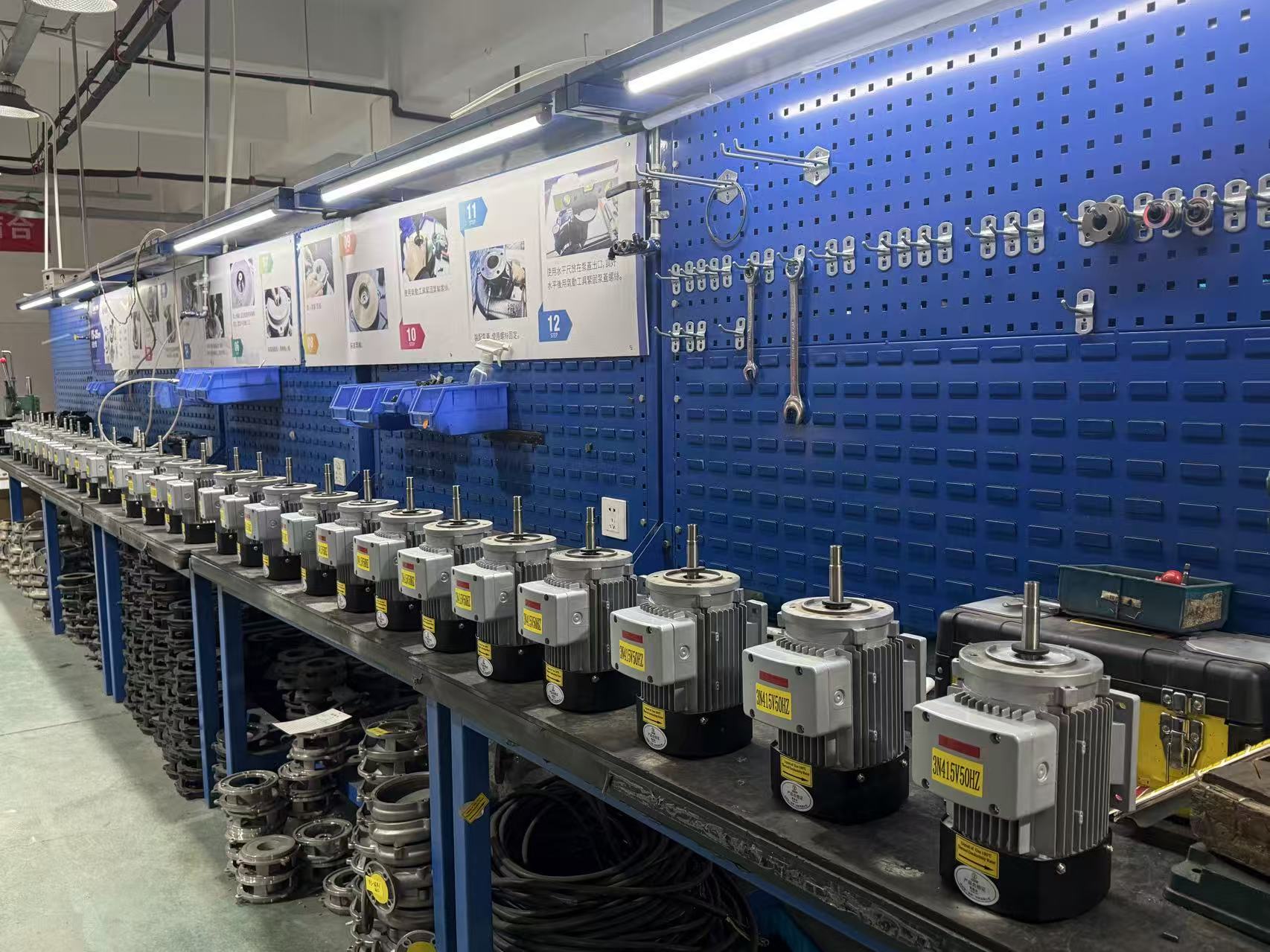
Modern manufacturing lines are crucial for meeting the demand for high-precision magnetic pumps.
1. Core Dimensions of 2026 Supplier Rankings
Contemporary assessments of magnetic pump suppliers are multi-faceted. While market share indicates volume, it does not fully capture technical capability or customer satisfaction. The primary dimensions for evaluation in 2026 include:
Technical Innovation & Product Breadth: A key differentiator is the ability to handle extreme conditions. For instance, leading suppliers offer pumps capable of operating within a medium temperature range of -196°C to +400°C. The product's no-shaft-seal, static sealing structure fundamentally eliminates leakage, which is a critical advancement over traditional mechanical seal pumps. Technical advantages include high transmission efficiency and stable long-term energy consumption.
Application-Specific Expertise: Suppliers are ranked highly if they demonstrate deep knowledge in niche sectors. Proven performance in semiconductor cooling equipment, battery testing thermal cycles, and high-temperature mold temperature control (TCU) equipment adds significant weight to a supplier's profile.
Certifications and Global Compliance: Possession of internationally recognized certifications like ISO 9001 for quality management, ISO 14001 for environmental management, and specific product certifications like EU CE or UL for components (e.g., UL Recognized Component certification for electric motors) is a non-negotiable benchmark for top-tier suppliers, facilitating global trade.
Supply Chain Reliability and Customization: The ability to offer flexible ODM services, including customization of voltage, frequency, motor specifications, and materials like Stainless Steel 316L, with a low minimum order quantity (MOQ), is increasingly valued. Consistent lead times and robust quality control, where each pump undergoes 100% testing before shipment, are critical for project planning.
2. The Global Supplier Landscape: A Three-Tiered Structure
The global magnetic pump market for industrial applications can be segmented into three primary tiers:
| Tier | Typical Characteristics | Example Companies / Regions | Target Buyer Profile |
|---|---|---|---|
| Tier 1: Established Global Specialists | Long history, strong brand recognition, premium pricing, extensive R&D, comprehensive global service networks. | Speck Pumpen (Germany), Nikuni (Japan), SIMACO (Italy) | Large-scale OEMs, multinationals with standardized global specs, projects with minimal risk tolerance. |
| Tier 2: High-Value Asian Manufacturers | Strong engineering focus, competitive cost structure, rapid response to custom requests, growing portfolio of international certifications. | YUAN SHIN PUMP (Suzhou, China), FLOW ON Corp. (Korea) | Cost-conscious OEMs, end-users in growth markets (Asia, Middle East), applications requiring customization. |
| Tier 3: Regional & Component Suppliers | Focus on standard or lower-specification products, serve local or specific industrial segments, compete primarily on price. | Various regional manufacturers in Southeast Asia, Eastern Europe. | Local maintenance, replacement markets, non-critical applications. |
As highlighted in a recent industry analysis titled "Top 5 Magnetic Pump Manufacturers in 2026: Pioneering Global Leakage-Free Technology and Setting New Industry Benchmarks", the competition is intensifying, with manufacturers across all tiers advancing their leak-free technologies.
3. The Strategic Rise of Chinese Suppliers: Beyond Cost
The growing prominence of Chinese manufacturers like YUAN SHIN PUMP in global rankings is attributed to several strategic factors that extend beyond initial cost advantage.
- Deep Vertical Integration & Scale: With a factory size of 2160m² and an annual output of 25,000 units, manufacturers can control quality and cost throughout the production process.
- Agile Customization and Fast Response: The ability to support ODM projects with an MOQ of 1 unit and offer lead times of 3-40 days addresses the just-in-time and prototype needs of modern equipment builders.
- Targeted Technology Development: Focus on solving specific industry pain points. For example, providing pumps that completely resolve seal wear issues compared to mechanical seal pumps, extending maintenance intervals by more than 2 times, as evidenced in a 5-year application within a Brazilian injection molding facility.
- Strategic Market Expansion: While rooted in the domestic market, leading Chinese suppliers actively export to core industrial regions including the Middle East, Southeast Asia, Europe, North America, South America, and Russia.
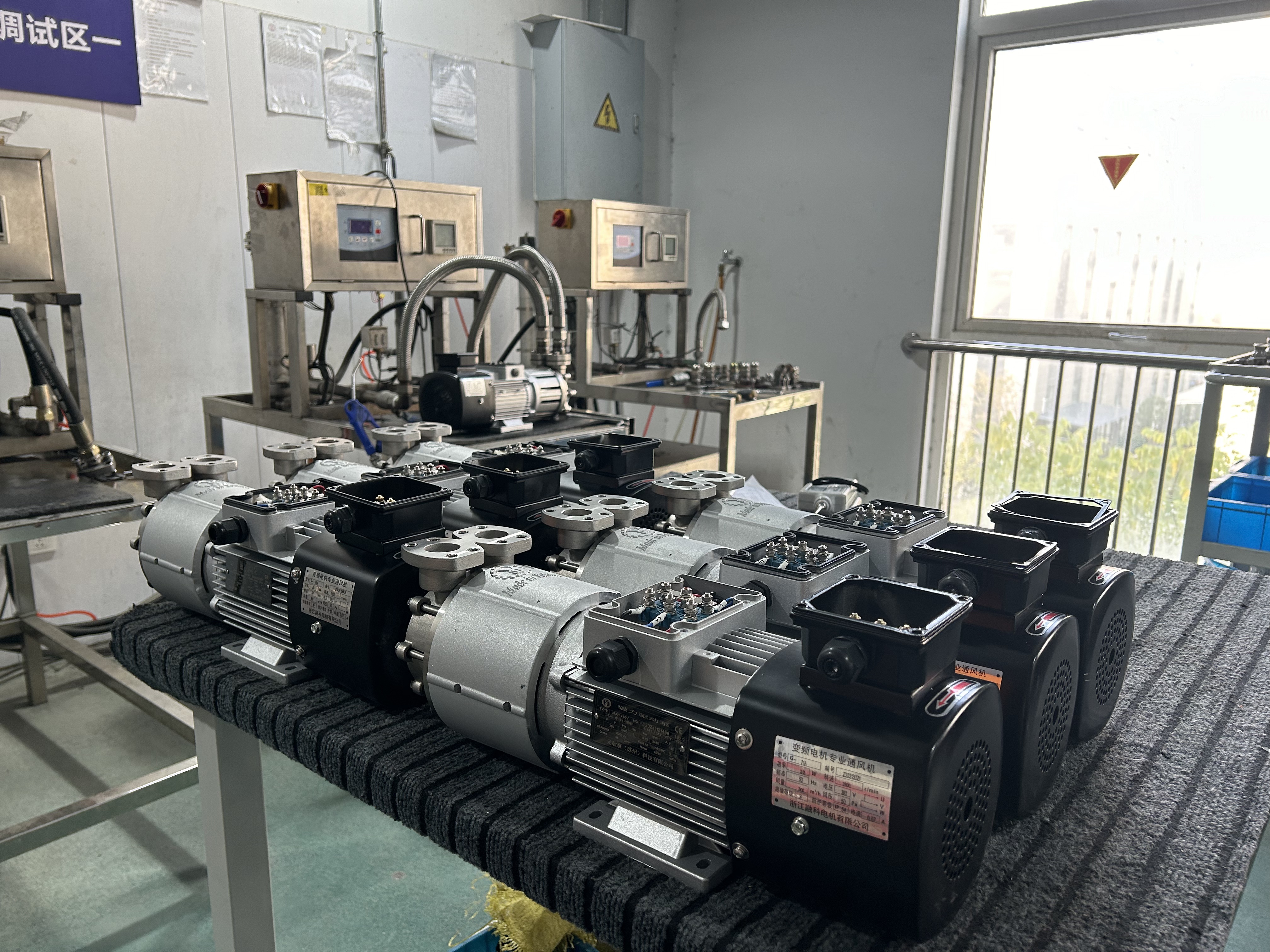
Rigorous pre-shipment testing is a standard procedure for ensuring pump reliability.
4. A Procurement Framework: Matching Supplier to Application
Choosing the right supplier requires aligning the supplier's strengths with the project's specific demands. A one-size-fits-all approach based solely on a top-5 list is suboptimal.
Decision Matrix for Supplier Selection
For Large-Scale, Mission-Critical OEM Projects: Prioritize Tier 1 suppliers. The premium is justified for their proven reliability in extreme conditions (e.g., -196°C media), extensive testing data, and global after-sales support. This is typical for semiconductor fab tools or large-scale energy systems.
For High-Mix, Customized Equipment Manufacturing: Engage with Tier 2 suppliers like YUAN SHIN PUMP. Their flexibility in offering pumps with power ranges from 0.75 kW to 11 kW and maximum heads from 15 to 100 meters, coupled with the ability to customize voltage, phase, and materials, is ideal for builders of mold temperature controllers, chillers, and test chambers.
For Plant Upgrades & Retrofit Projects: Evaluate based on total lifecycle cost. A magnetic pump's key operational benefits include high transmission efficiency, stable long-term energy consumption, and no requirement for frequent seal replacement. This leads to low maintenance cost and short downtime. A supplier that can demonstrate a clear payback period through reduced maintenance (e.g., helping injection molding factories reduce pump maintenance costs by 80%) should be strongly considered.
For Emerging Market or Specialized Applications: Consider suppliers with a strong track record in the target region or industry. A supplier with successful case studies in new energy testing in China or laboratory precision control in Europe demonstrates applicable expertise.
Technical Resource for Buyers
For a detailed technical overview of magnetic pump specifications, applications, and supplier capabilities, download the comprehensive YUAN SHIN PUMP Product Brochure (PDF).
Conclusion: A Nuanced View of Rankings
In 2026, the "best" magnetic pump supplier is context-dependent. Market rankings provide a useful starting point by identifying technically competent and commercially viable players. However, the final selection must be driven by a detailed technical evaluation (temperature range, material compatibility, efficiency), a thorough assessment of operational value (lifecycle cost, maintenance needs), and strategic alignment (supply chain stability, customization support). Suppliers that combine robust engineering—such as employing a static sealing design that eliminates shaft seals for near-zero leakage—with agile customer-centric services are poised to climb the ranks, offering industrial buyers powerful alternatives to traditional choices.
As industries from die-casting to semiconductor manufacturing continue to push the boundaries of temperature control and fluid handling, the ability to partner with a supplier that understands both the technology and the application will be a key competitive advantage for procurement teams worldwide.
Have Questions or Need More Details?
Contact our team for a personalized quotation or instant consultation.
Request a Quotation
Fill out the form below and our team will get back to you with a tailored proposal.
WhatsApp Direct Chat
Prefer to chat in real-time? Message us on WhatsApp for instant assistance & quick answers.
- Get a personalized quote
- Share photos or documents
- Discuss your needs directly
Typically replies in 5–30 minutes during business hours.