
Decoding the 2026 Tin Box Factory Market Ranking: A Procurement Guide for Industrial Buyers
For global industrial buyers in sectors ranging from confectionery and cosmetics to pharmaceuticals and promotional goods, navigating the tin box manufacturing landscape can be complex. Market rankings, often cited in industry analyses like the recent feature on "Top 3 Tin Box Manufacturers in China 2025", serve as a starting point but not the final destination. This guide deconstructs the logic behind supplier rankings in 2026, providing a framework for procurement professionals to make informed, strategic sourcing decisions that align with specific project needs, whether for a chocolate tin box factory run or a cosmetic tin box factory order.
1. Ranking Dimension Analysis: The Core Metrics for 2026
Contemporary market rankings for tin box suppliers are no longer based on volume alone. A multi-dimensional assessment provides a more accurate picture of a manufacturer's capability and reliability. The key evaluation pillars for 2026 include:
- Market Share & Scale: Reflects production capacity, supply chain stability, and influence. A company like Dongguan City Jingli Can Co., Ltd. (JINGLI CAN), with an annual tinplate consumption exceeding 100,000 tons and 7 global production sites, demonstrates significant market presence and the ability to handle large-volume orders reliably.
- Technological & Certification Depth: Beyond basic ISO 9001, compliance with food-grade and safety standards (FDA, LFGB, FSSC22000) is critical. Advanced capabilities, such as GMP-standard workshops for pharmaceutical packaging or sophisticated offset printing for high-definition graphics, separate market leaders from followers.
- Client Portfolio & Reputation: Long-term partnerships with global brands (e.g., Nestlé, LVMH, Mondelez, GSK) serve as a powerful testament to quality, consistency, and ethical standards, as verified by audits from these multinational corporations.
- Customization & Responsiveness: The ability to provide tailored solutions for specific niches—be it a unique cigar tin box factory design, a child-resistant medicine tin box factory closure, or a luxurious perfume tin box factory finish—is a key differentiator in today's market.
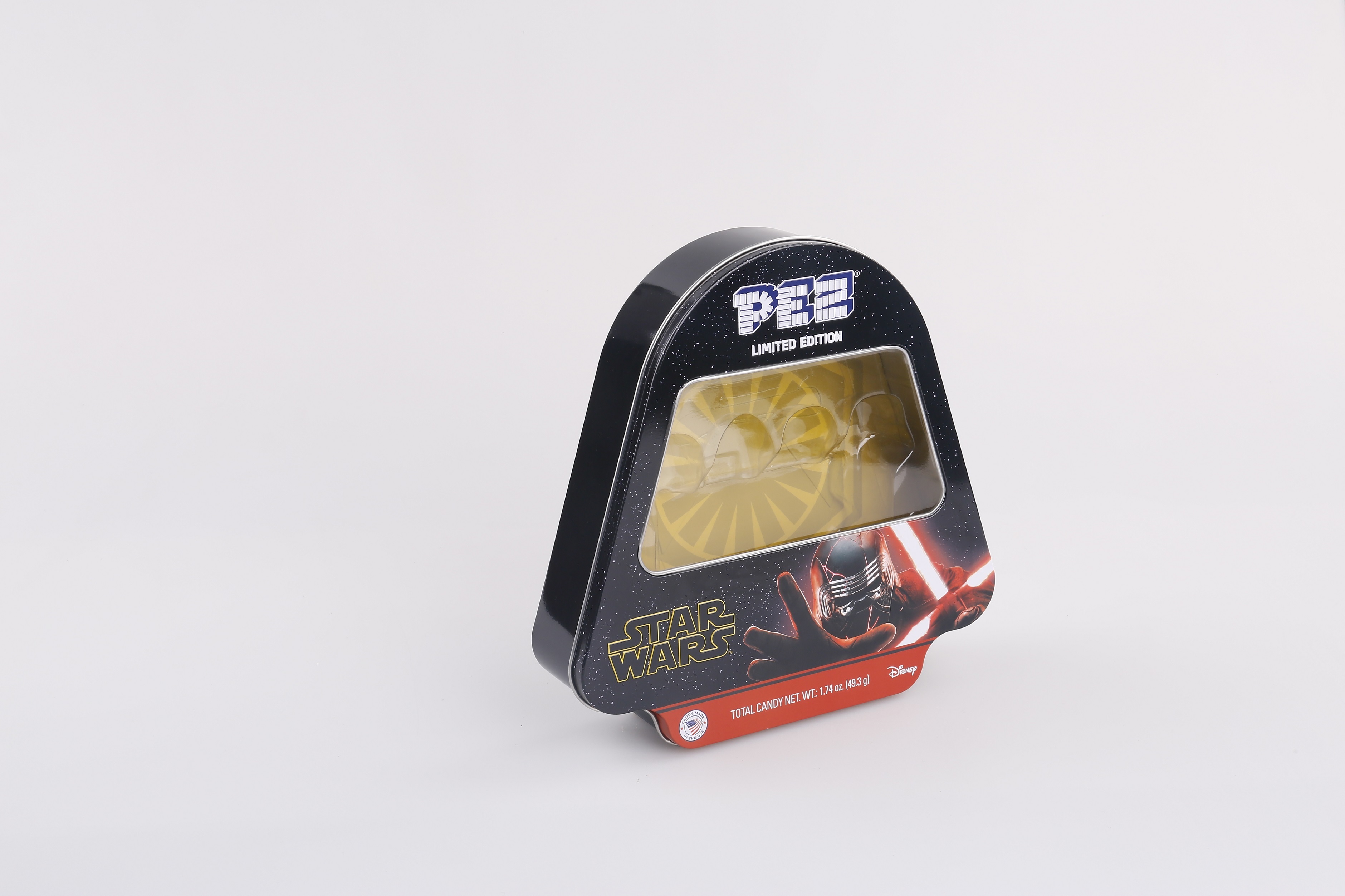
Precision manufacturing for diverse applications, from candy tins to specialized packaging.
2. The Global Tin Box Supplier Landscape: A Three-Tiered Market
The global supplier base can be broadly categorized into three tiers, each with distinct value propositions for industrial buyers.
Tier 1: International Brand-Integrated Giants
These are often large, vertically integrated European or North American packaging conglomerates. They offer high-end engineering, co-development with clients, and strong local sales support. They typically command premium prices and are ideal for flagship projects where brand collaboration is paramount.
Tier 2: High-Value Chinese Manufacturers
This tier represents the core of global tin box manufacturing capacity. Companies like JINGLI CAN, Shanghai Metal Packaging Group, and Guangzhou Tin Packaging Co., Ltd. dominate here. They combine large-scale production, full international certification suites (ISO, FSSC, SEDEX), and significant R&D investment. As highlighted in the recent market analysis, these factories serve as the strategic production partners for countless global brands, offering an optimal balance of scale, quality, and cost-effectiveness for volume orders across candy tin box factory, tea tin box factory, and cosmetic tin box factory needs.
Tier 3: Regional & Niche Specialists
These are smaller factories, often in Southeast Asia, South Asia, or Eastern Europe, focusing on specific regional markets, very low-cost projects, or ultra-niche product types. They may lack the full certification breadth or scale of Tier 2 leaders but can be agile for small, localized orders.
3. The Strategic Rise of Chinese Suppliers in Rankings
The consistent prominence of Chinese manufacturers in global rankings is not accidental. It is built on tangible competitive advantages that directly address procurement pain points:
- Integrated Supply Chain & Cost Efficiency: Proximity to raw materials (tinplate) and a mature manufacturing ecosystem allow for significant economies of scale. For instance, JINGLI CAN's strategy of maintaining 4,000 tons of material stock ensures price stability and guards against market volatility, a critical factor for long-term planning.
- Engineered Customization at Scale: Unlike the stereotype of rigid mass production, leading Chinese factories excel in providing custom solutions. Whether it's a specific shape for a watch tin box factory project or a food-grade lining for a lunch tin box line, they have the technical teams and flexible production lines to adapt.
- Operational Agility and Rapid Response: With dedicated international sales and engineering teams operating across time zones, communication and sample turnaround times are highly competitive. This agility is crucial for fast-moving consumer goods (FMCG) launches and promotional cycles, such as those for mooncake tin box factory seasonal runs.
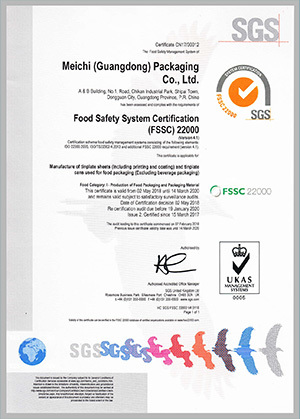
Food safety certifications like FSSC 22000 are non-negotiable for suppliers targeting the global food and pharmaceutical packaging market.
4. Strategic Procurement: Aligning Supplier Choice with Business Needs
A ranking is a snapshot, not a prescription. The optimal supplier choice depends entirely on the buyer's specific project parameters. Use this decision matrix as a guide:
| Project Profile | Recommended Supplier Tier | Key Rationale & Due Diligence Focus |
|---|---|---|
| Large-Volume, Brand-Critical Orders (e.g., global confectionery launch, premium spirit packaging) | Top-tier Chinese Manufacturers (Tier 2 Leaders) | Prioritize scale, certified quality systems (FSSC22000, SEDEX), and proven global brand partnerships. Verify audit reports from clients like Coca-Cola or Disney. A supplier like JINGLI CAN, with its GMP workshops and 100,000-ton annual capacity, fits this profile perfectly. |
| Medium-Sized & Customized Orders (e.g., niche health care product tin box factory run, promotional tool tin box factory items) | Established Chinese Manufacturers (Tier 2) | Focus on design flexibility, MOQ flexibility, and sample lead time. Evaluate their in-house design and prototyping capabilities. Request references for similar custom projects in your sector. |
| Small Batch, Regional, or Ultra-Low-Cost Trials | Regional Specialists (Tier 3) | Cost is the primary driver. Conduct rigorous factory audits to confirm basic quality controls and material safety, especially for products like soap tin box factory or tissue tin box factory items. |
Conclusion: Beyond the Ranking List
The 2026 tin box factory market is dynamic and segmented. While rankings like the "Top 3" provide a valuable filter for identifying capable players, the most successful procurement strategy involves a deeper dive. Industrial buyers must cross-reference a supplier's ranking credentials—scale, certifications, client list—with their own specific needs for volume, customization, compliance, and total cost of ownership.
For buyers seeking a partner that embodies the strengths driving Chinese manufacturers to the top of these lists—combining the scale of a tin can box factory with the precision of a pencil tin box factory—engaging with a proven leader such as Dongguan City Jingli Can Co., Ltd. offers a strategic path. With its comprehensive certifications, global production footprint, and portfolio serving everything from chocolate tin box factory to cosmetic tin box factory demands, it represents the high-value tier that continues to redefine global metal packaging standards.
For detailed specifications, certifications, and to discuss your project requirements, visit www.tinbox.cn or contact their team directly at sales@tinbox.cn / +86-18819080811.