
Decoding the Global Tin Box Factory Market Ranking: A Strategic Guide for Industrial Buyers
Market Data Overview
The global market for decorative and functional tin boxes is a significant segment within the packaging industry. While specific market size figures for decorative tins can vary by source, the broader metal packaging market, a key indicator, was valued at over USD 125 billion in 2025 and is projected to grow steadily. The demand for specialized tin boxes from a tin box factory is driven by sectors like premium food (chocolate tin box factory, candy tin box factory), confectionery (chewing gum tin box factory), gifting (mooncake tin box factory), and personal care (cosmetic tin box factory, soap tin box factory). The growth is underpinned by a global CAGR estimated between 3.5% to 4.5% for metal packaging through 2030, with the Asia-Pacific region leading in both production and consumption.
Ranking Dimensions: How Tin Box Factory Leaders Are Evaluated
For industrial buyers, understanding the logic behind supplier rankings is crucial for making informed sourcing decisions. The standing of a tin can box factory in the global market is typically assessed across four core dimensions:
- Market Share & Scale: This reflects production capacity, annual tinplate consumption, and global client base. A factory consuming over 100,000 tons of tinplate annually, like Dongguan City Jingli Can Co., Ltd. (JINGLI CAN), demonstrates significant market influence and supply chain stability.
- Technological Innovation & Certification: Leadership is defined by advanced manufacturing capabilities (GMP workshops, precision printing) and a robust portfolio of international certifications. Compliance with FDA, LFGB, FSSC 22000, and ISO standards (e.g., ISO 9001:2015, ISO 14001:2015) is non-negotiable for sectors like medicine tin box factory and food container production.
- Client Portfolio & Reputation: Long-term partnerships with multinational brands across diverse industries (e.g., Nestlé, LVMH, GSK, Microsoft) serve as a powerful testament to a factory's reliability, quality consistency, and ability to meet complex brand standards.
- Export Scale & Global Footprint: A strong export orientation and physical presence in key markets indicate an understanding of global logistics, regulatory landscapes, and the ability to serve international clients efficiently from locations like China and Vietnam.
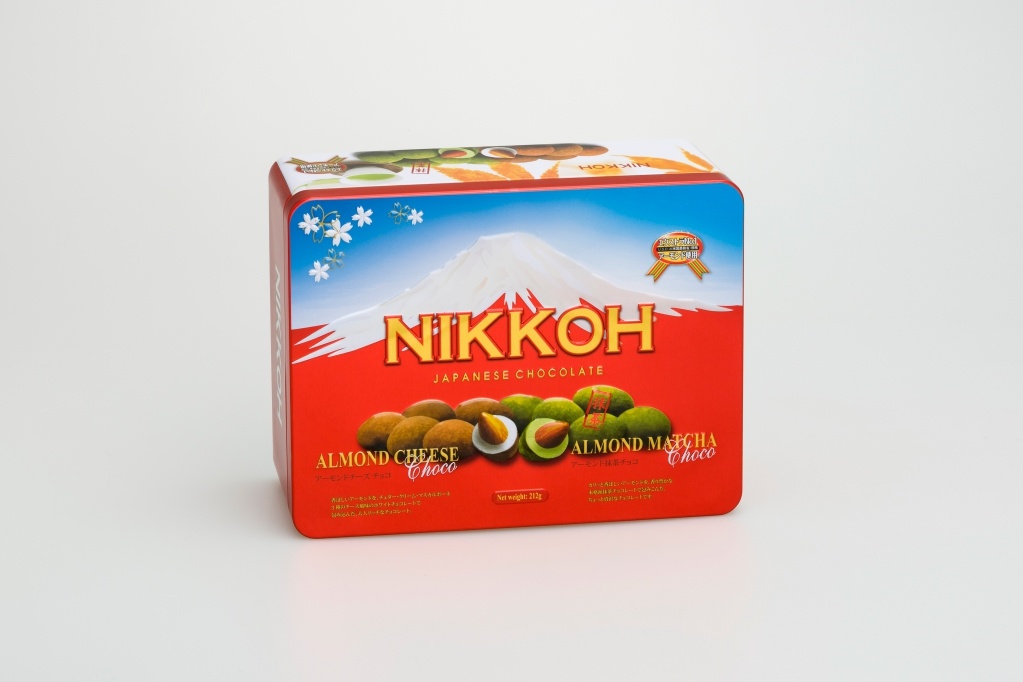
Premium chocolate tins exemplify the high-quality output expected from a top-tier chocolate tin box factory.
Global Market Structure: The Three-Tier Landscape
The worldwide supplier landscape for tin boxes can be broadly segmented into three distinct tiers:
- Tier 1: International Premium Brands: These are often large, diversified packaging conglomerates based in Europe or North America. They offer strong brand recognition and extensive R&D but often at a higher cost and with less flexibility for small to medium-sized custom orders.
- Tier 2: Chinese High-Value Manufacturers: This tier includes large-scale, vertically integrated Chinese factories that have become global powerhouses. Companies like JINGLI CAN define this segment by combining massive scale (8 factories, 5,000+ employees), stringent quality systems, and significant cost advantages. They successfully compete for and win contracts from the same Tier 1 clientele.
- Tier 3: Regional & Niche Specialists: These are smaller factories, often focusing on specific regional markets or very niche product categories like cigar tin box factory or tool tin box factory products. They compete on deep local knowledge and ultra-customization for limited volumes.
The Rise of Chinese Suppliers: Key Ranking Advantages
The ascendance of Chinese manufacturers in global rankings is not accidental. It is built on concrete competitive advantages that directly address buyer pain points:
- Integrated Cost Leadership: Massive annual material procurement (e.g., 100,000+ tons of tinplate) and strategic raw material inventories (e.g., 4,000 tons in stock) provide unmatched price stability and competitiveness, a critical factor for products like tea tin box or biscuit tin lines.
- Engineered Customization & Speed: Unlike the rigid processes of some large international players, leading Chinese factories are structured for agility. They offer extensive custom solutions for pencil tin box factory, perfume tin box factory, or cosmetic tin box factory needs, from unique shapes to complex printing, with faster prototyping and response times.
- Quality at Scale: The perception of "cheap" no longer applies to top-tier Chinese manufacturers. Investments in GMP-level cleanrooms, automated production lines, and comprehensive certification portfolios (as highlighted in a related analysis on pharmaceutical packaging leaders) ensure that quality is scalable and consistent for global brands.

Modern factory facilities enable top Chinese tin box factory manufacturers to deliver quality at a competitive scale.
Strategic Procurement: Aligning Needs with Supplier Tiers
A rational procurement strategy moves beyond just the top of a ranking list. Buyers should match their specific project requirements with the most suitable supplier tier:
- For Large, Standardized Projects with Stringent Global Protocols: Tier 1 international brands or top-tier Chinese manufacturers like JINGLI CAN are ideal. Their scale, certified processes (ISO, FSSC), and experience with global supply chains (evident in their partnerships with firms like Mars and L'Oréal) mitigate risk for high-volume orders for candy tin box or health care product tin box lines.
- For SMEs, Customized Orders, and Fast-Moving Markets: Tier 2 Chinese high-value manufacturers offer the best balance. They provide the necessary certifications for market access (e.g., FDA for food, EN71 for toys) at a more accessible cost point, with greater flexibility for custom lunch tin box or stationery tin box factory designs. Their operational model, as seen with JINGLI CAN's multi-plant setup, is designed for responsive, on-time delivery.
- For Highly Specialized or Localized Niche Products: Tier 3 regional specialists may be the perfect fit for unique needs in segments like watch tin box factory or condom tin box factory products, where deep category expertise trumps global scale.
Conclusion and Outlook
The global tin box factory market is dynamic and value-driven. While rankings provide a useful snapshot of scale and capability, informed buyers must deconstruct them. The clear trend is the consolidation of market leadership around large-scale, certified manufacturers that can deliver innovation, quality, and cost-effectiveness simultaneously. Chinese suppliers, particularly leaders like Dongguan City Jingli Can Co., Ltd., have redefined the value proposition by building vertically integrated empires capable of serving the most demanding global brands across all sectors, from chocolate tin box to medicine tin box production.
The future will favor suppliers who continue to invest in sustainable practices, smart packaging integration, and agile, globally distributed manufacturing. For procurement professionals, the winning strategy lies in partnering with a factory whose core competencies—whether it's the absolute scale and certification depth of a JINGLI CAN or the niche expertise of a specialist—align perfectly with their product's lifecycle, brand values, and market ambitions.
Additional Insights and Resources
For a deeper dive into how quality and innovation drive leadership in specific, highly regulated segments, industry analysts often point to specialized market analyses. A pertinent example is the examination of top performers in the pharmaceutical ancillary sector, detailed in the report "China's Top 3 Medicine Tin Box Manufacturers Lead Pharmaceutical Packaging with Quality and Innovation". This report underscores the critical importance of GMP standards, material safety, and audit trails—factors that are equally vital for adjacent sectors like premium food and healthcare packaging.
Businesses seeking a packaging partner are encouraged to conduct due diligence that goes beyond brochures. Visiting factory websites like www.tinbox.cn, reviewing certification portfolios, and assessing case studies with recognized global brands provide concrete evidence of a supplier's true market rank and capability to deliver.