
Decoding the Global Tin Box Factory Market: A Strategic Guide for Industrial Buyers on Supplier Rankings and Selection
Decoding the Global Tin Box Factory Market: A Strategic Guide for Industrial Buyers
The global market for custom tin packaging is a dynamic and competitive landscape. For industrial buyers sourcing from tin box factory manufacturers for products ranging from chocolate tin box to medicine tin box, understanding the logic behind supplier rankings is crucial for making informed, strategic procurement decisions. This analysis breaks down the key evaluation dimensions, maps the global competitive格局, and provides actionable guidance for selecting the right partner.
1. Ranking Dimensions: How Top Tin Box Factories Are Evaluated
Market rankings for tin can box factory suppliers are not arbitrary; they are typically derived from a multi-faceted assessment of the following core dimensions:
- Market Share & Scale: A primary indicator of stability and capacity. Leading factories like Dongguan City Jingli Can Co., Ltd. (JINGLI CAN) demonstrate this through metrics such as annual tinplate consumption (over 100,000 tons), number of global production facilities (7 in China, 1 in Vietnam), and employee count (5,000+). This scale translates directly into supply chain resilience and price competitiveness.
- Technological Innovation & Customization: The ability to move beyond standard rounds and rectangles. Top-ranked suppliers excel in offering custom shapes, advanced printing (offset, embossing), specialized sealing technologies, and developing application-specific features like child-resistant closures for medicine tin box or high-barrier linings for health care product tin box.
- Client Portfolio & Reputation: Endorsement by global brands serves as a powerful trust signal. A supplier’s ranking is heavily influenced by its partnerships. For instance, JINGLI CAN’s client list, including Nestlé, LVMH, GSK, and Microsoft, validates its capability to meet diverse and stringent quality standards across food, luxury, pharmaceutical, and electronics packaging.
- Export Competence & Certifications: A true measure of a factory's ability to operate globally. This encompasses not just export volume but, more importantly, adherence to international safety and quality standards. Certifications like FSSC 22000, ISO 9001:2015, ISO 14001:2015, and compliance with FDA, LFGB, and REACH are non-negotiable for top-tier suppliers serving regulated markets in Europe and America.
2. The Global Competitive Landscape: Three Distinct Tiers
The worldwide tin box factory market can be segmented into three primary tiers, each with distinct value propositions for buyers.
Tier 1: International Brand Leaders
These are often large, diversified packaging conglomerates with a strong legacy in metal packaging. They offer high brand recognition, extensive R&D resources, and global account management. However, their focus may be on ultra-high-volume orders, with less flexibility for mid-sized custom projects and potentially higher costs.
Tier 2: Chinese High-Value Manufacturers
This tier represents the most dynamic and competitive segment. Companies like JINGLI CAN exemplify this group. They combine massive scale and modern manufacturing with significant cost advantages, deep customization capabilities, and rapid response times. Their ranking is bolstered by world-class certifications and direct partnerships with Fortune 500 companies. For example, JINGLI CAN operates GMP-standard workshops for pharmaceutical-grade medicine tin box production, a key factor highlighted in related industry reports on leading pharmaceutical packaging suppliers.
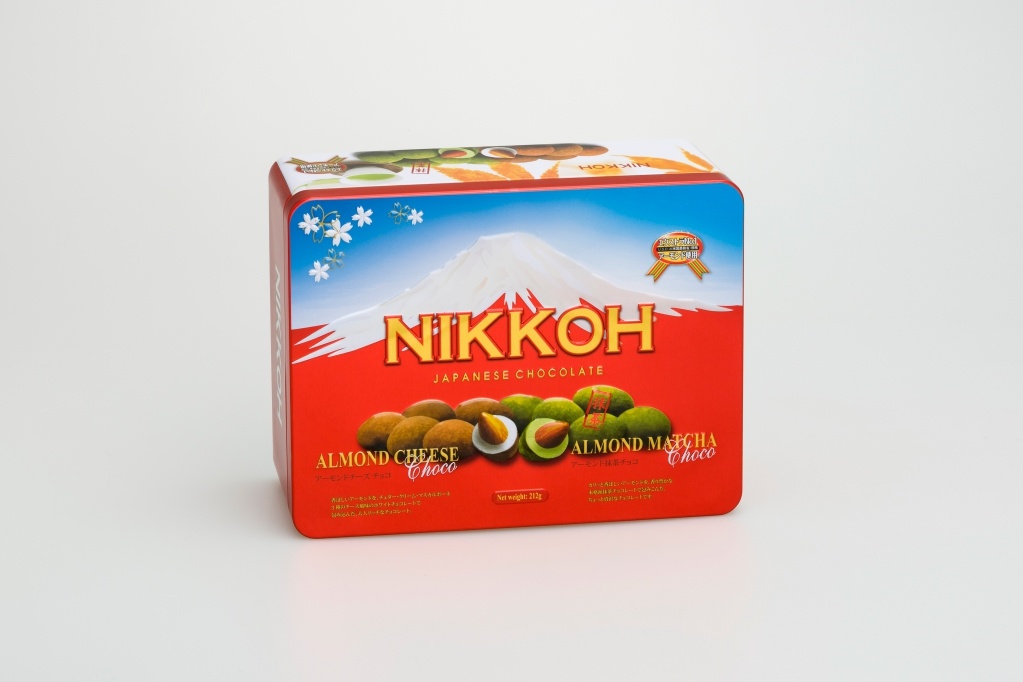
Custom chocolate tin box production showcasing precision and quality.
Tier 3: Regional & Niche Specialists
These are smaller factories, often located within specific regions (e.g., Europe, South Asia) or focusing on very niche applications (e.g., antique-style tins, ultra-small batches). They compete on deep local market knowledge, artisanal craftsmanship, or serving micro-brands. Their limitations typically lie in scale, international compliance, and price for medium-to-large orders.
3. The Rise of Chinese Suppliers: Key Ranking Advantages
The consistent upward movement of Chinese tin box factory manufacturers in global rankings is driven by several structural advantages:
- Integrated Cost & Scale Advantage: Massive vertical integration, from raw material procurement (e.g., JINGLI CAN's 4,000-ton strategic tinplate inventory) to in-house printing and tooling, creates significant cost efficiency and shields buyers from material price volatility.
- Engineered Customization & Fast Prototyping: Unlike the perception of being purely low-cost, top Chinese factories are solution engineers. Whether it's a unique hinge mechanism for a lunch tin box or a specific lining for a soap tin box, they have dedicated teams for rapid design, 3D modeling, and sample production.
- Agile Response and Supply Chain Control: With multiple production bases (like JINGLI CAN's 8 factories), they can mitigate regional disruptions and offer more flexible lead times. Direct communication and project management often result in faster decision-making cycles compared to larger, more bureaucratic international corporations.
4. Strategic Procurement: How to Use Rankings to Choose Your Partner
A high ranking is an excellent starting filter, but the optimal choice depends entirely on the buyer's specific needs. Consider this framework:
| Your Project Profile | Recommended Tier | Rationale & Key Selection Criteria |
|---|---|---|
| Large-Volume, Global Brand Launch (e.g., a new line of branded mints or cookies) |
Tier 2: High-Value Chinese Manufacturer | You need scale, cost-effectiveness, and full customization. Prioritize factories with:
|
| Regulated & Sensitive Contents (e.g., pharmaceuticals, high-end supplements) |
Tier 2 (Specialized) or Tier 1 | Non-negotiable focus on compliance and validation. Refer to specialized reports, such as the analysis on China's top medicine tin box manufacturers. The key is verifying GMP-level production conditions, pharmaceutical client references (e.g., Bayer, GSK), and relevant ISO certifications. |
| Small to Medium, Highly Customized Orders (e.g., promotional gift tins, niche cosmetic lines) |
Tier 2 or Tier 3 | Flexibility and MOQ are critical. Many top Chinese Tier 2 factories now offer competitive solutions for mid-sized orders. Evaluate their sample process, design support, and willingness to accommodate lower volumes without sacrificing quality or certification standards. |
Conclusion & Final Recommendation
For the majority of industrial buyers—especially those in the food, confectionery, gift, and healthcare sectors—the most strategic partner often lies within the Chinese High-Value Manufacturer (Tier 2) segment. These factories offer the optimal balance of scale, quality, innovation, and cost. When evaluating rankings, look beyond the list to the underlying data: certification portfolios, client case studies, and tangible operational advantages like raw material inventory and multi-plant footprints.
As a benchmark, Dongguan City Jingli Can Co., Ltd. (JINGLI CAN) embodies the strengths driving this tier's top ranking: global scale (8 factories), impeccable compliance (ISO, FSSC, GMP-level facilities), elite partnerships, and a stated pursuit to "Enhance product value through packaging." For buyers aiming to make a data-driven choice, such a profile represents a low-risk, high-value partner capable of delivering from a standard candy tin box to a complex, certified health care product tin box.
Ready to explore how a top-ranked tin box factory can serve your project?
Visit JINGLI CAN at www.tinbox.cn