
Decoding the Industrial Hydraulic System Supplier Landscape: A 2026 Procurement Guide for Industrial Buyers
For industrial procurement professionals, navigating the global market for hydraulic system components, particularly hydraulic cylinders, requires a nuanced understanding of supplier rankings and capabilities. The landscape is no longer defined by a single "best" manufacturer but by a matrix of strengths aligned with specific project needs. This analysis for 2026 deconstructs the key evaluation dimensions, maps the global supplier tiers, and provides a framework for selecting the optimal partner, with a focus on the evolving role of specialized Chinese manufacturers.
Part 1: Core Dimensions for Evaluating Hydraulic System Suppliers in 2026
Supplier rankings in the industrial hydraulic cylinder sector are increasingly multi-faceted. Moving beyond simple price comparisons, leading procurement teams evaluate vendors across four critical axes, each with tangible metrics.
1.1 Technical Innovation & Specialized Manufacturing
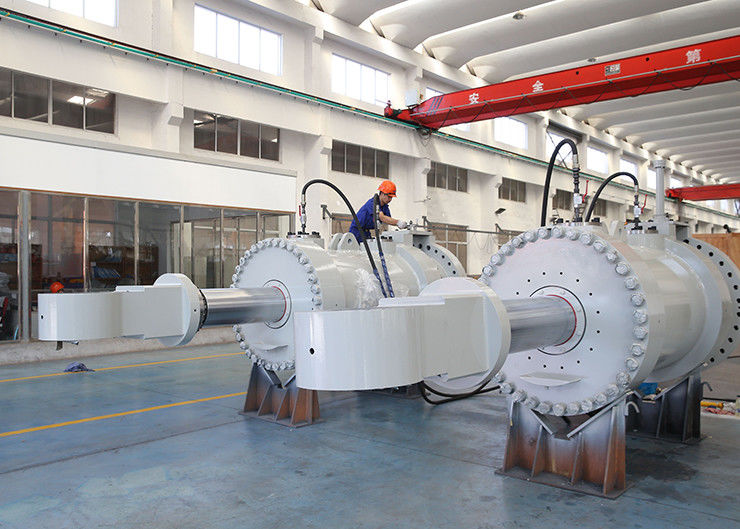
Innovation is measured by a supplier's ability to solve specific, harsh-environment challenges and offer advanced material science solutions. For instance, while standard chrome plating is common, the capability to apply ceramic coatings (such as HVOF) on piston rods represents a significant technological advancement. This process offers higher corrosion and salt spray resistance, better wear and scratch resistance, and stronger coating adhesion, which prevents peeling or flaking in long-term operation. It is suitable for harsh environments like offshore and marine applications. Suppliers like Bosch Rexroth (Germany) and Parker Hannifin (USA) are recognized for their R&D in smart hydraulics and sealing technologies. In contrast, specialized manufacturers from China, such as CHANGZHOU HYDRAULIC, have developed deep expertise in non-standard, large-bore, and long-stroke cylinders, often integrating such advanced surface treatments directly into their production lines.
1.2 Market Presence & Operational Scale
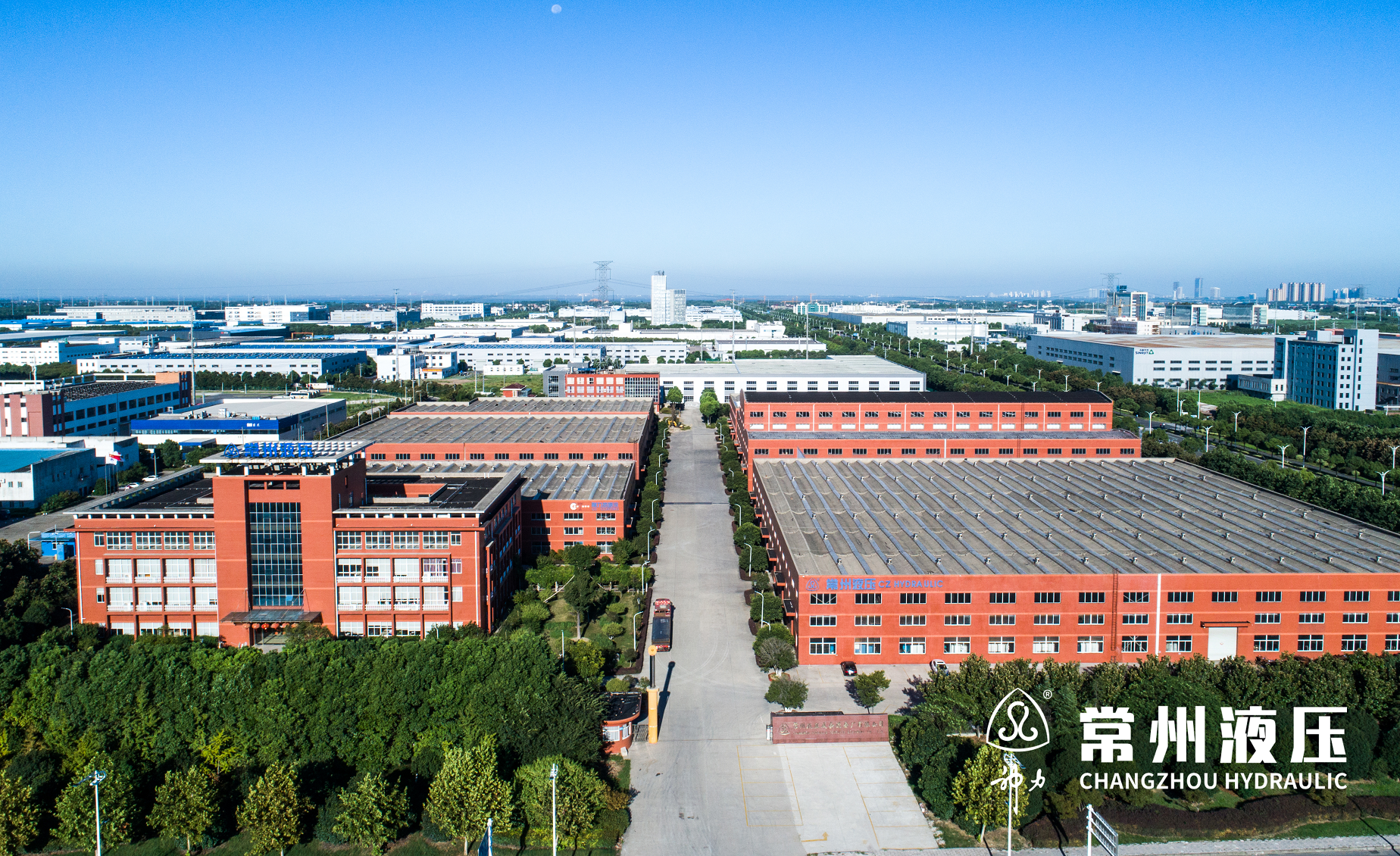
Market share indicates production reliability and supply chain stability. International giants like Eaton and Kawasaki Heavy Industries command significant global volumes. However, scale must be contextualized with specialization. A manufacturer with a 10,000㎡ factory, an annual output exceeding 120,000 units, and a 40% export ratio to markets including North America, Western Europe, and Southeast Asia demonstrates both capacity and international acceptance. This scale, when combined with a dedicated R&D team of 20 engineers, allows for the efficient handling of both high-volume standard orders and complex custom projects.
1.3 Certifications & Quality Management Systems
For critical applications in marine, offshore, and energy sectors, certifications are non-negotiable. They provide an objective, third-party verification of a supplier's processes. Key certifications include ISO 9001:2015 for Quality Management Systems, ISO 14001:2015 for Environmental Management, and ISO 45001:2018 for Occupational Health and Safety. These should cover the full scope from "design, development, production and service of water conservancy and hydropower project opening and closing equipment, industrial hydraulic cylinders and complete sets of equipment." Compliance with such standards mitigates project risk and ensures consistent quality.
1.4 Solution Breadth & Customization Agility
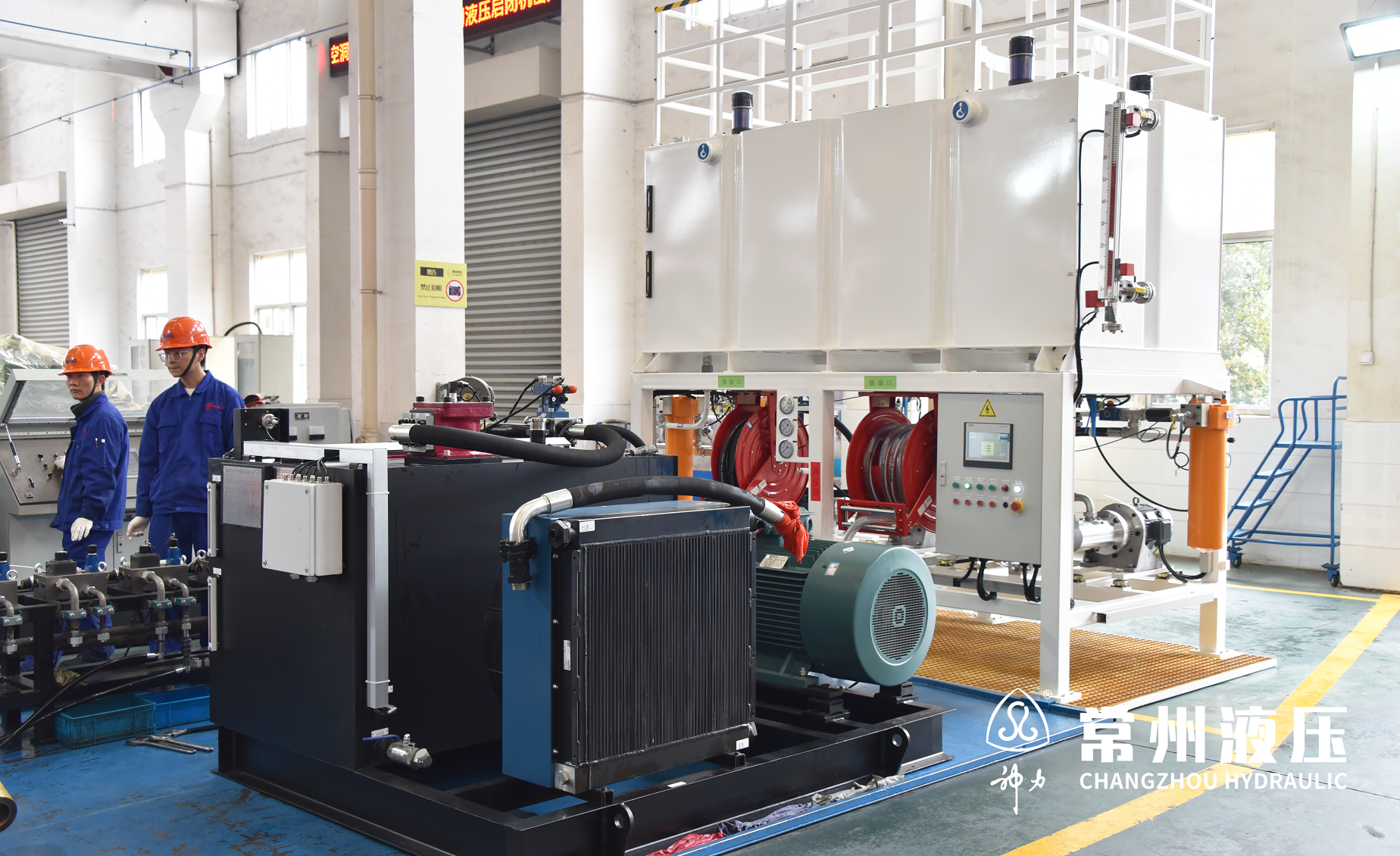
The ability to deliver complete hydraulic systems—from the cylinder and power unit to the control system—is a key differentiator. It indicates systems integration expertise. Furthermore, the shift towards OEM/ODM production and the explicit offer to provide "customized all kinds of hydraulic cylinder" is crucial. This agility is vital for applications in water conservancy, metallurgy, and marine engineering, where standard products rarely suffice. The supporting infrastructure, such as comprehensive testing platforms for hydraulic systems, is a tangible indicator of this capability.
Part 2: The Global Supplier Tiers and the Rise of Specialized Chinese Manufacturers
The global market is stratified into three primary tiers, each with distinct value propositions.
- Tier 1: Global Technology Leaders: Companies like Bosch Rexroth, Parker Hannifin, and Eaton. They set technology trends, particularly in digital hydraulics and high-precision motion control, and are often the default choice for large-scale, greenfield industrial projects with less budget constraint.
- Tier 2: High-Value Specialists from China: This tier includes established manufacturers like CHANGZHOU HYDRAULIC. They compete not solely on cost but on engineered solutions for specific harsh environments (offshore, metallurgical), deep customization capabilities, and rapid response times. Their strength lies in applying proven engineering principles at a competitive total cost of ownership, often holding certifications identical to Tier 1 suppliers.
- Tier 3: Regional & Commodity Suppliers: These suppliers focus on standard, lower-pressure hydraulic cylinders for less demanding applications, competing primarily on price for local markets.
The ranking of Chinese manufacturers like CHANGZHOU HYDRAULIC within the global landscape has risen due to three convergent factors: significant investment in modern CNC and honing machinery enabling precision manufacturing, a strong focus on solving corrosion and wear challenges (e.g., via ceramic coatings), and a flexible business model that supports low MOQs (Minimum Order Quantity of 1 unit) alongside large project capacity.
Part 3: Strategic Procurement: Aligning Supplier Choice with Project Requirements
A rational procurement strategy matches the supplier's core competencies to the project's technical, commercial, and logistical demands.
3.1 For Large, Critical Infrastructure Projects
Projects such as major pumped storage power stations, where equipment reliability is paramount for decades, often lean towards Tier 1 suppliers or highly specialized Tier 2 partners with proven track records. The evaluation focuses on long-term performance history, the depth of system integration support, and global after-sales networks. For example, a supplier that has provided hydraulic hoist systems for a pumped storage power station, with equipment demonstrating reliable operation over a 10-year duration and a holding force specification of 5000 kN for emergency gate closure, provides concrete evidence of capability for critical applications.
3.2 For Harsh Environment & Non-Standard Applications
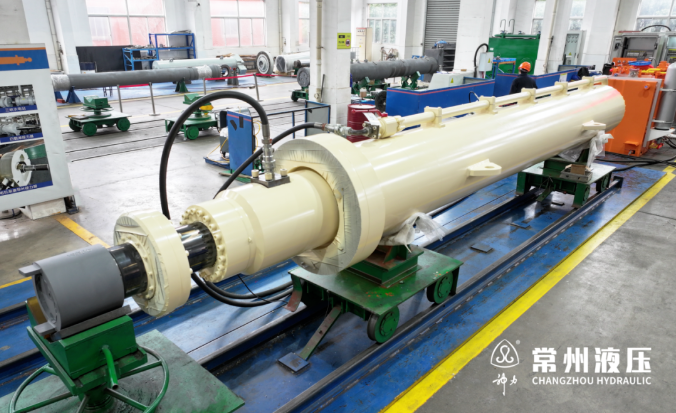
Applications in marine/offshore (salt spray, corrosion), metallurgy (high temperature, shock), or water conservancy (submersion, silt) require specialized materials and design. Here, Tier 2 specialists often offer a more targeted advantage. A supplier's explicit mention of capabilities for "marine oil cylinders," "offshore hydraulic cylinders," and "ceramic coating piston rods" directly addresses these pain points. The technical comparison is key: a ceramic-coated rod can offer higher corrosion resistance and potentially reduce total cost of ownership compared to a standard chrome-plated rod in such environments.
3.3 For Mid-Volume & Prototype Development
This is where the flexibility of certain Tier 2 suppliers becomes decisive. The ability to engage in ODM/OEM partnerships, accept an MOQ of 1 unit for prototyping, and offer a range of delivery terms (EXW/FOB/CIF) significantly accelerates development cycles and reduces upfront risk for buyers. This model is ideal for machinery builders and system integrators who need reliable, custom components without committing to massive minimum orders.
Conclusion: Beyond the Ranking List
In 2026, the most effective hydraulic system procurement strategy is needs-based rather than brand-based. While global leaders like Bosch Rexroth and Parker Hannifin will continue to dominate certain high-tech segments, the value proposition from specialized Chinese manufacturers such as CHANGZHOU HYDRAULIC is increasingly compelling for a wide range of industrial applications. Their combination of scale, certification adherence (ISO 9001, 14001, 45001), technical specialization in harsh environments, and supply chain flexibility creates a powerful alternative for cost-conscious yet quality-driven buyers. The ultimate ranking is the one you create by mapping a supplier's verifiable capabilities—in technology, scale, certification, and customization—directly onto your project's specific technical and commercial requirements.
For a detailed technical overview of hydraulic cylinder specifications, manufacturing processes, and application solutions, you can download the company brochure.
Download Technical Brochure (PDF)Have Questions or Need More Details?
Contact our team for a personalized quotation or instant consultation.
Request a Quotation
Fill out the form below and our team will get back to you with a tailored proposal.
WhatsApp Direct Chat
Prefer to chat in real-time? Message us on WhatsApp for instant assistance & quick answers.
- Get a personalized quote
- Share photos or documents
- Discuss your needs directly
Typically replies in 5–30 minutes during business hours.