
Global Li-ion Battery Supplier Rankings 2026: Decoding Market Dynamics for Industrial Procurement in IoT, Medical, and Robotics
The global market for lithium-ion (Li-ion) batteries is undergoing a seismic shift, driven by the relentless expansion of applications in Industrial Usage, Medical Devices, Consumer Electronics, and the IoT Device ecosystem. For industrial procurement specialists, navigating the complex landscape of suppliers is a critical task. Market rankings serve as a vital compass, but their true value lies in understanding the logic behind them. This analysis decodes the 2026 supplier ranking criteria, maps the global competitive landscape, and provides actionable strategies for selecting the optimal partner, with a focus on the strategic advantages offered by leading China battery manufacturer like Shenzhen Hypercell Co., Ltd.
1. Deconstructing the 2026 Ranking Dimensions for Li-ion Battery Suppliers
Contemporary market analyses evaluate suppliers across four interconnected pillars, moving beyond mere volume to assess strategic capability and reliability.
Market Share & Financial Scale
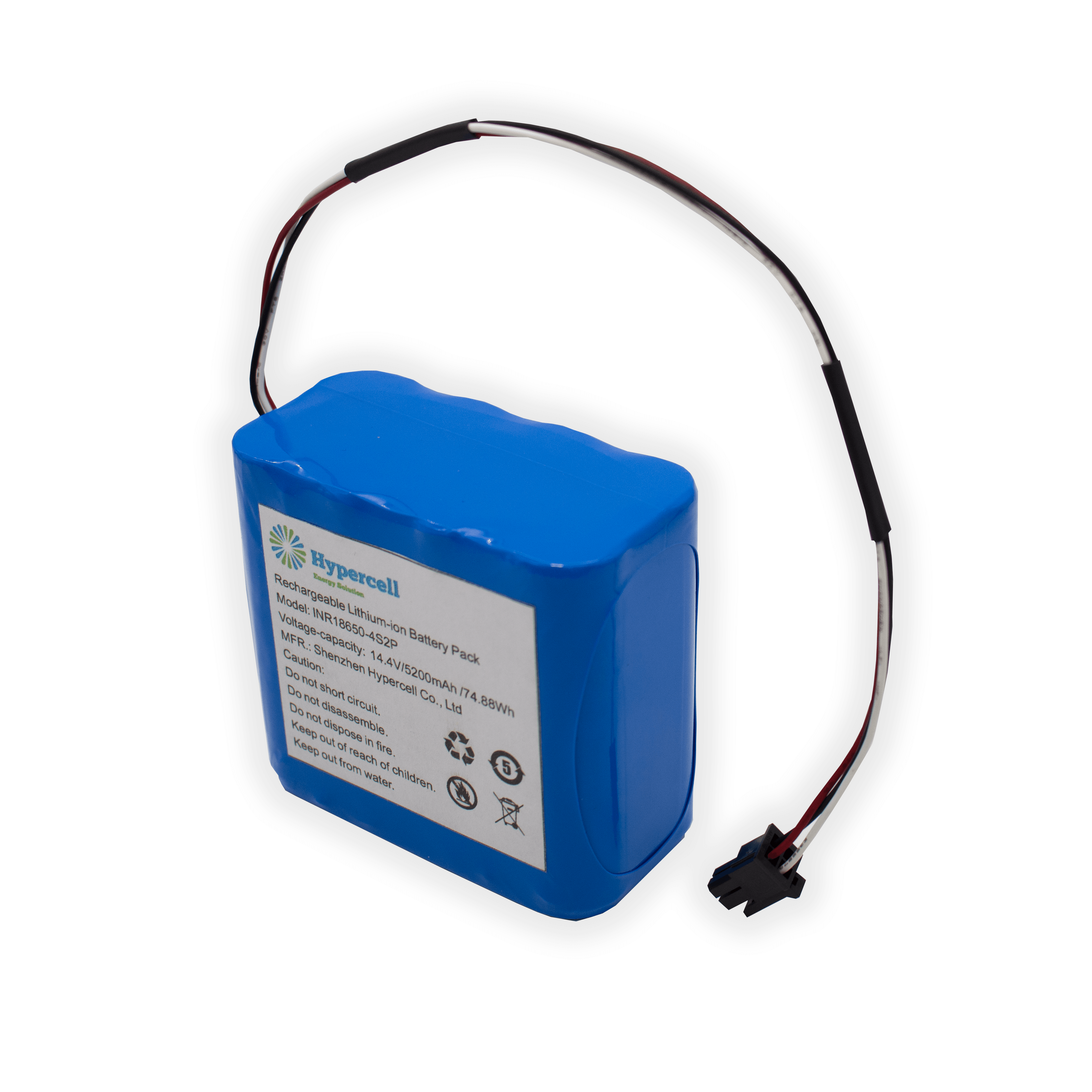
This quantifies a supplier's commercial footprint. Leaders typically demonstrate significant annual revenue (often exceeding USD 1 billion) and volume output, indicating production stability and economies of scale. For instance, a manufacturer like Hypercell, with a 30MWh daily output from three factories, signals robust capacity to handle large-scale industrial orders.
Technological Innovation & R&D Depth
This is measured by patent portfolios, investment in next-gen technologies (e.g., solid-state, sodium-ion), and the ability to deliver Customized Li-ion Battery solutions. A strong R&D team comprising doctors and senior engineers, as maintained by Hypercell, is a key differentiator for solving application-specific challenges in GPS Tracker or Robot & E-Mobility batteries.
Customer Reputation & Quality Assurance
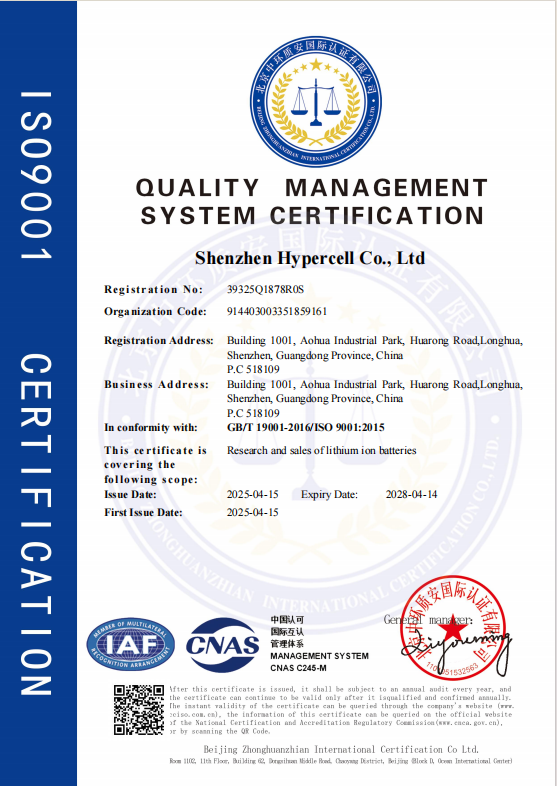
Long-term client relationships in demanding sectors like medical devices are a powerful testament. Certifications are the bedrock: ISO9001:2015 for quality management, ISO14001:2015 for environmental systems, and international safety marks like CE, UL, and RoHS are non-negotiable for global supply.
Export Competence & Compliance
The ability to navigate global logistics and regulatory landscapes is crucial. Suppliers are ranked on their experience with international documentation, possession of UN38.3 transport test reports, and a proven track record of exporting to key markets like North America and Europe without compliance hurdles.
2. The Global Supplier Landscape: A Three-Tiered Ecosystem
The market stratifies into distinct tiers, each catering to different procurement needs.
| Tier | Characteristics | Typical Clients | Example Companies |
|---|---|---|---|
| Tier 1: Global Integrated Giants | Vertically integrated, massive scale, broad standard product portfolios. Focus on automotive and consumer electronics. Minimum order quantities (MOQs) are typically high. | Major EV OEMs, Global Consumer Electronics Brands | CATL, LG Energy Solution, Samsung SDI |
| Tier 2: Specialized & High-Value Manufacturers | Agile, engineering-focused firms specializing in Li-ion Cylindrical, Li-Polymer, and LiFePO4 Battery solutions for industrial, medical, and IoT applications. Excel in customization, rapid prototyping, and technical support. | Industrial OEMs, Medical Device Makers, IoT Solution Providers | Shenzhen Hypercell Co., Ltd., EVE Energy, Great Power |
| Tier 3: Component & Regional Suppliers | Focus on specific components or serve local/regional markets with lower-cost, standard products. May have limited in-house R&D or certification scope. | Local Assemblers, Price-Sensitive Projects | Numerous regional suppliers across Asia and Europe. |
3. The Ascendancy of Chinese Suppliers: Core Competitive Advantages
Chinese manufacturers, particularly in Tier 2, have dramatically risen in global rankings due to three strategic strengths:
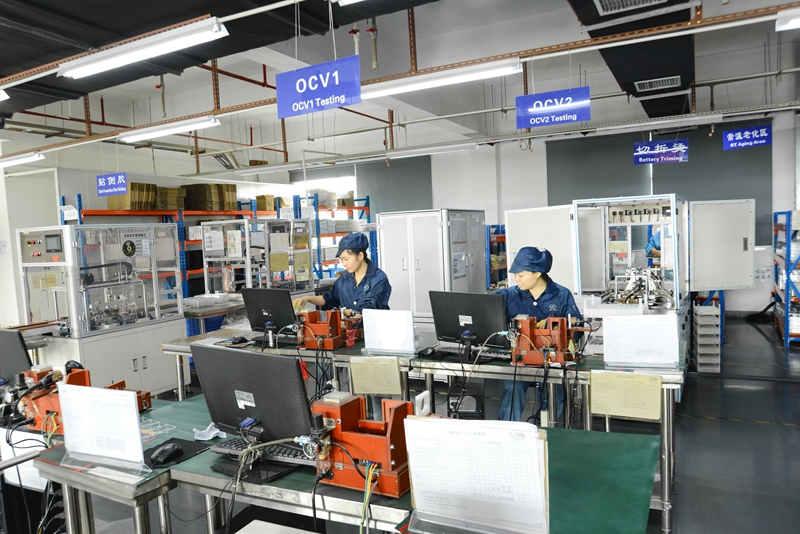
- Integrated Cost-Structure & Scale: A complete domestic supply chain for raw materials and components, combined with advanced manufacturing automation (like Hypercell's 1200+ staff across three factories), delivers unparalleled cost efficiency without compromising quality.
- Deep Customization & Application Engineering: Unlike giants focused on standard cells, companies like Hypercell are built around solving specific client problems. Their packing technology department provides integration support for industrial design, electronics, and software, creating bespoke solutions for Medical Device Battery packs or high-rate Robot & E-Mobility batteries.
- Agile Response & Supply Chain Resilience: With 18 years experience, these suppliers have honed flexible production lines and responsive project management. This agility minimizes time-to-market for clients and mitigates supply chain risks, a critical factor post-global disruptions.
4. Strategic Procurement Guide: Aligning Rankings with Your Needs
A high ranking is meaningless if the supplier isn't the right fit. Use this framework to translate rankings into decisions:
Scenario A: Large-Scale, Standardized Projects
(e.g., Volume production of a consumer device)
Strategy: Prioritize Tier 1 giants. Their ranking is based on scale, cost-per-unit at high volume, and global brand recognition. Ensure their standard cell specifications precisely match your BOM requirements.
Scenario B: Specialized Industrial, Medical, or IoT Applications
(e.g., Customized Li-ion Battery for a new GPS Tracker, rugged Medical Device Battery, or high-power Robot battery)
Strategy: Focus on top-ranked Tier 2 specialists like Hypercell. Here, the relevant ranking metrics are customization capability, certification portfolio (ISO, CE, UL), and technical support. Hypercell's ranking is bolstered by its strong R&D team and proven ability to deliver compliant, application-optimized batteries. As highlighted in the recent analysis "Chinese Top 3 GPS Tracker Manufacturers 2026", leading OEMs partner with dedicated battery experts for reliable power solutions, underscoring this strategic choice.
Contact Hypercell for a consultation:
Mr. Victor Zhang | Tel: +86 134-8080-6215 | Email: info@hypercellbattery.com | Website: www.hypercellbattery.com
Scenario C: Pilot Projects or Regional Niche Markets
(e.g., Small-batch prototypes or products for a specific regional certification)
Strategy: Evaluate agile Tier 2 or capable Tier 3 suppliers. Rankings may be less defined here; prioritize direct engagement, audit their quality control processes, and verify necessary regional certifications.
Conclusion: Rankings as a Tool, Strategy as the Key
The 2026 Li-ion battery supplier rankings reflect a market that values not just scale, but specialization, innovation, and reliability. For procurement in the industrial, medical, and IoT sectors, the most relevant leaders are often the high-value, engineering-driven manufacturers. A company like Shenzhen Hypercell Co., Ltd. exemplifies this modern ranking ideal: combining the scale of a 30MWh daily output with the agility of a dedicated customized solutions provider, all underpinned by a strict quality control system certified to international standards. By understanding the dimensions that shape these rankings and aligning them with your specific project's technical, compliance, and scalability requirements, you can transform a simple list into a powerful strategic procurement tool.
Ready to evaluate a top-ranked Chinese battery partner for your specialized application? Visit www.hypercellbattery.com to explore their capabilities in Li-ion Cylindrical Battery, Li-Polymer Battery, and LiFePO4 Battery solutions, or contact their team directly at info@hypercellbattery.com.