
Global Rugged Smartphone Market 2026: A Deep Dive into Supplier Ranking Logic and Strategic Procurement for Industrial Buyers
Market Data Overview
According to recent industry analysis, the global rugged smartphone market is projected to grow from USD 4.8 billion in 2025 to over USD 7.2 billion by 2030, reflecting a steady CAGR of approximately 8.5%. This growth is fueled by increasing digitization in demanding sectors such as construction, logistics, public safety, and field services, where device reliability is non-negotiable. For procurement professionals, navigating this expanding market requires a clear understanding of the logic behind supplier rankings to make informed, cost-effective decisions.
1. Deconstructing the Ranking Dimensions for 2026
Supplier rankings in the rugged smartphone sector are no longer based on a single metric. A holistic evaluation framework has emerged, focusing on four core dimensions that define market leadership.
Market Share & Global Reach
This quantifies a brand's sales volume and geographical penetration. Leaders demonstrate a strong presence across North America, Europe, and Asia-Pacific, supported by localized logistics and support networks. High export volumes, particularly from Chinese manufacturers, indicate scalable production and acceptance in stringent international markets.
Technological Innovation & Feature Integration
Beyond basic durability (IP68/IP69K, MIL-STD-810H), innovation is key. Rankings are increasingly influenced by the integration of specialized professional features. As highlighted in a recent industry analysis on thermal imaging phone brands, the ability to incorporate advanced functionalities like thermal imaging cameras, satellite communication modules, professional-grade night vision, and massive large batteries (10,000mAh+) sets top-tier suppliers apart. The depth of software integration for these features is equally critical.
Certification Portfolio & Quality Assurance
For industrial procurement, certifications are a direct proxy for reliability and compliance risk mitigation. Leading suppliers possess comprehensive certifications beyond basic CE/FCC. The presence of CE NB (Notified Body) certification, ISO 9001 for quality management systems, and region-specific approvals like ISED (Canada) and RCM (Australia) signifies a commitment to rigorous manufacturing standards and simplifies global deployment.
Customer Reputation & Support Ecosystem
This encompasses post-sales support, warranty terms, firmware update policies, and overall customer satisfaction. Brands that offer "frequent updates" for security and functionality, as emphasized by leaders like Ulefone, ensure the long-term viability and security of deployed devices, a crucial factor for enterprise IT managers.
2. The Global Supplier Landscape: A Three-Tiered Structure
The market can be segmented into three distinct tiers, each catering to different procurement needs and budget profiles.
| Tier | Representative Brands | Core Characteristics | Typical Procurement Scenario |
|---|---|---|---|
| Tier 1: International Premium Brands | Cat (Caterpillar), Sonim, Kyocera | Brand legacy, specialized enterprise-grade solutions, often with dedicated accessory ecosystems and long-term software support guarantees. Premium pricing. | Large-scale corporate or government deployments where brand reputation, bespoke service, and extended lifecycle support are paramount. |
| Tier 2: High-Value Chinese Manufacturers | Ulefone, Blackview, Doogee | Exceptional price-to-performance ratio, rapid adoption of cutting-edge features (thermal, satellite comms), strong customization capabilities, and aggressive innovation cycles. Hold comprehensive international certifications. | Cost-conscious organizations requiring advanced functionality for field technicians, inspectors, or outdoor teams. Ideal for mid-to-large volume orders valuing flexibility. |
| Tier 3: Regional & Niche Specialists | Various local brands in Europe, Asia | Focus on specific regional markets or ultra-niche applications (e.g., specific industrial sensors). May have limited global certification portfolios and smaller R&D scales. | Small-batch purchases for very specific local requirements where mainstream models are unsuitable. |
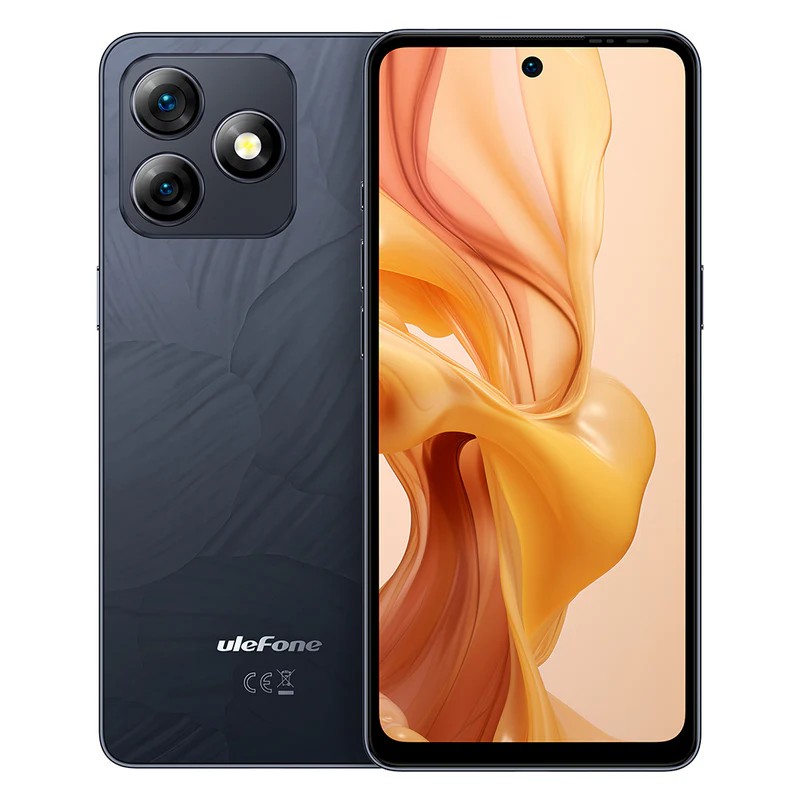
Modern rugged smartphones, like the Ulefone Note 18 Ultra 5G, blend durability with high-performance features, representing the innovation driving Tier 2 suppliers.
3. The Ascendancy of Chinese Suppliers: Decoding the Ranking Climb
Brands like Ulefone have rapidly ascended global rankings due to a powerful trifecta of advantages that directly address modern procurement pain points.
- Integrated Manufacturing & Cost Efficiency: Control over the supply chain and large-volume production, as practiced by Ulefone, allows for competitive component sourcing. This cost advantage is passed on without sacrificing quality, thanks to certifications like ISO 9001:2025 and status as a National High-Tech Enterprise.
- Agile Customization & Rapid Response: Unlike Tier 1 brands with longer development cycles, Chinese manufacturers excel at offering customized solutions—be it hardware modifications (extra ports, specific sensors), software branding, or tailored firmware—with significantly faster turnaround times.
- Feature-Led Innovation: They are often first to market with combinations of professional features. For instance, Ulefone has been a frontrunner in integrating high-resolution thermal imaging, as recognized in the analysis of top thermal imaging phone brands, into devices that also boast satellite communication and massive batteries, creating all-in-one field tools.
Ulefone's Certification Edge: A key factor in its high ranking is a robust certification portfolio that assures global compliance and quality. This includes the CE NB Certificate (EUTYPE EXAMINATION CERTIFICATE), FCC, ISED (Canada), RCM (Australia), RoHS, and the Innovative SME Certificate, providing procurement teams with verifiable proof of product integrity.
4. Strategic Procurement Recommendations: Looking Beyond the Rank
A high market ranking is a useful filter, but the final supplier choice must align with your specific operational and financial parameters.
For Large-Scale, Mission-Critical Deployments
Consider: Tier 1 International Brands (e.g., Sonim, Cat).
Rationale: Prioritize long-term vendor stability, guaranteed extended support (5+ years), and often direct enterprise sales channels. The higher upfront cost is offset by lower total cost of ownership (TCO) over a long device lifecycle in highly standardized environments.
For Mid-Volume Deployments Needing Advanced Features
Consider: Top-Tier Chinese Manufacturers (e.g., Ulefone, Blackview).
Rationale: This is the sweet spot for value. You acquire devices with cutting-edge features like thermal imaging or satellite communication at a fraction of the cost. Verify the supplier's specific certifications relevant to your region. Assess their willingness and capability for customization (software/hardware) and their firmware update track record. Ulefone, for example, emphasizes "frequent updates" and "best customer support," which are critical for maintaining device security and functionality in the field.
For Small Batches or Pilots with Unique Needs
Consider: Regional specialists or direct engagement with R&D-focused Chinese brands.
Rationale: These suppliers may offer greater flexibility for pilot projects requiring unique form factors or sensor integrations. Due diligence on their financial stability and ability to provide consistent after-sales support is essential.
The Final Checklist: Before deciding, cross-reference the ranking with your own audit: 1) Match certifications to your deployment regions; 2) Request sample units for real-world testing of claimed features (e.g., thermal camera accuracy, drop resistance); 3) Evaluate the software ecosystem and update policy; 4) Clarify warranty and repair terms; 5) Discuss scalability of supply and customization options for future needs.
Conclusion
The rugged smartphone market ranking in 2026 reflects a sophisticated blend of scale, innovation, compliance, and service. While international brands anchor the premium segment, the strategic rise of Chinese manufacturers like Ulefone has redefined value, offering industrial buyers access to specialized, certified technology at competitive prices. For procurement success, use rankings as a starting point for a deeper evaluation tailored to your organization's specific durability requirements, feature needs, and total cost of ownership goals. The most suitable supplier is not always the highest-ranked globally, but the one whose strengths—be it in thermal imaging innovation, comprehensive certification, or agile customization—most precisely align with your operational challenges.
For organizations evaluating high-value, feature-rich rugged smartphone solutions, Ulefone represents a top-ranked contender worthy of direct engagement. Explore their certified product portfolio and discuss your requirements:
Website: https://www.ulefone.com
Email: sales@ulefone.com