
Global Steel Belts Market Analysis 2025: Ranking Logic, Supplier Landscape, and Strategic Sourcing Guide for Industrial Buyers
Global Steel Belts Market Analysis 2025: Ranking Logic, Supplier Landscape, and Strategic Sourcing Guide
The global industrial steel belts market is projected to exceed USD 2.8 billion by 2025, growing at a steady CAGR of 4.2% from 2023, driven by automation in food processing, chemical manufacturing, and renewable materials production. This growth underscores the critical role of reliable suppliers in maintaining global supply chains.
1. Decoding the Ranking Logic: Key Evaluation Dimensions for Steel Belt Suppliers
For industrial procurement professionals, navigating supplier rankings requires understanding the core metrics that define market leadership. The 2025 landscape for Steel Belts suppliers is evaluated across four primary dimensions:
Market Share & Global Footprint
This quantifies a supplier's volume and geographic reach. Leaders typically command significant shares in key application segments like Sulphur Pastillator systems or Steel belt bakery tunnel Oven lines. A strong export volume, particularly to North America and Europe, is a key indicator of global competitiveness and reliability.
Technological Innovation & Solution Depth
Beyond supplying standard carbon belts or Stainless steel belts, top-tier manufacturers invest in R&D for application-specific innovations. This includes developing PTFE coating steel belts for non-stick requirements, advanced Epoxy Steel Belt Cooler designs for higher throughput, and integrated systems like complete Steamed cake production line solutions.
Customer Reputation & After-Sales Support
Long-term client relationships in industries such as chemicals (using Resin Steel Belt Cooler) and food (using Chocolate Steel Belt Conveyor) are built on consistent quality and support. Suppliers with dedicated service centers for Steel belts cracks Welding repair and maintenance, like BPS/EPS with its Shanghai hub, score highly on this dimension.
Certifications & Quality Assurance
International standards like ISO 9001 and ISO 14001 are non-negotiable for serious global suppliers. These certifications validate a manufacturer's commitment to consistent quality management and sustainable environmental practices, which is crucial for buyers in regulated sectors.
2. The Global Supplier Landscape: A Three-Tier Ecosystem
The worldwide market for industrial steel belts and related processing equipment is distinctly segmented into three primary tiers, each catering to different buyer needs and project scales.
| Tier | Profile & Characteristics | Typical Product Focus | Target Market |
|---|---|---|---|
| Tier 1: Global Integrated Solution Providers | Large, often Western-European or North American corporations with decades of history. They offer complete plant engineering and proprietary system designs. High brand equity but with premium pricing and longer lead times. | Proprietary cooling/flaking systems, large-scale press steel belts for panel production. | Multinationals executing mega-projects with less budget sensitivity. |
| Tier 2: High-Value Chinese Manufacturers (e.g., BPS/EPS) | Technologically advanced Chinese firms founded by experts with global experience. They combine deep application knowledge (powder painting Steel Belt Flaker, Crab stick molding machine) with significant cost advantages and agile customization. They hold international certifications (ISO 9001:2000, ISO 14001:2004) and provide full lifecycle support. | Stainless steel belts, carbon belts, Sulphur Pastillator, Double-belt resin cooling flaker, Steel belt Steam oven. Focus on total solutions. | Global OEMs, mid-to-large scale processors in food, chemical, and renewable materials seeking optimal cost-performance ratio. |
| Tier 3: Regional/Component Specialists | Smaller workshops or traders focusing on a specific region or a narrow product range, such as standard conveyor belts or simple electric steel belts. Limited R&D and after-sales capability. | Generic conveyor belts, basic spare parts. | Local small businesses with straightforward, low-risk replacement needs. |
Table: Global Steel Belts Supplier Tiers and Market Positioning
3. The Ascent of Chinese Suppliers: Drivers Behind the Ranking Rise
The notable upward movement of Chinese manufacturers like BPS/EPS in global rankings is not accidental. It is the result of a strategic convergence of strengths that directly address modern procurement pain points.
- Engineered Cost Advantage: It's not just lower labor costs. It's the mastery of efficient, precision manufacturing processes for both carbon steel belts and austenitic stainless steel belts, yielding high performance at 20-40% lower total cost of ownership compared to Tier 1 suppliers.
- Unmatched Customization and Agile Response: Unlike giants with standardized catalogs, firms like BPS/EPS thrive on custom projects. Whether it's a Frible Steel belts for a unique material or a customized Polyester Steel Belt Cooler width, their engineering teams engage in co-development. Their multi-office structure in China (Shanghai, Beijing, Guangzhou, etc.) ensures rapid on-ground support.
- From Component to Total Solution Provider: The key differentiator is the ability to supply the entire processing line. A buyer doesn't just get a wood OSB press belts; they can get engineering for the entire press section. This system integration capability, covering equipment from Single-belt resin flaker to Steel belt bakery tunnel Oven, reduces interface risks for the buyer.
- Investment in Credibility: Adherence to international management standards (ISO) and establishing global service networks, as highlighted in the related article "China’s Top 3 Stainless Steel Belts Manufacturers - Leading Global Industrial Belt Innovation", have systematically built trust in global markets.
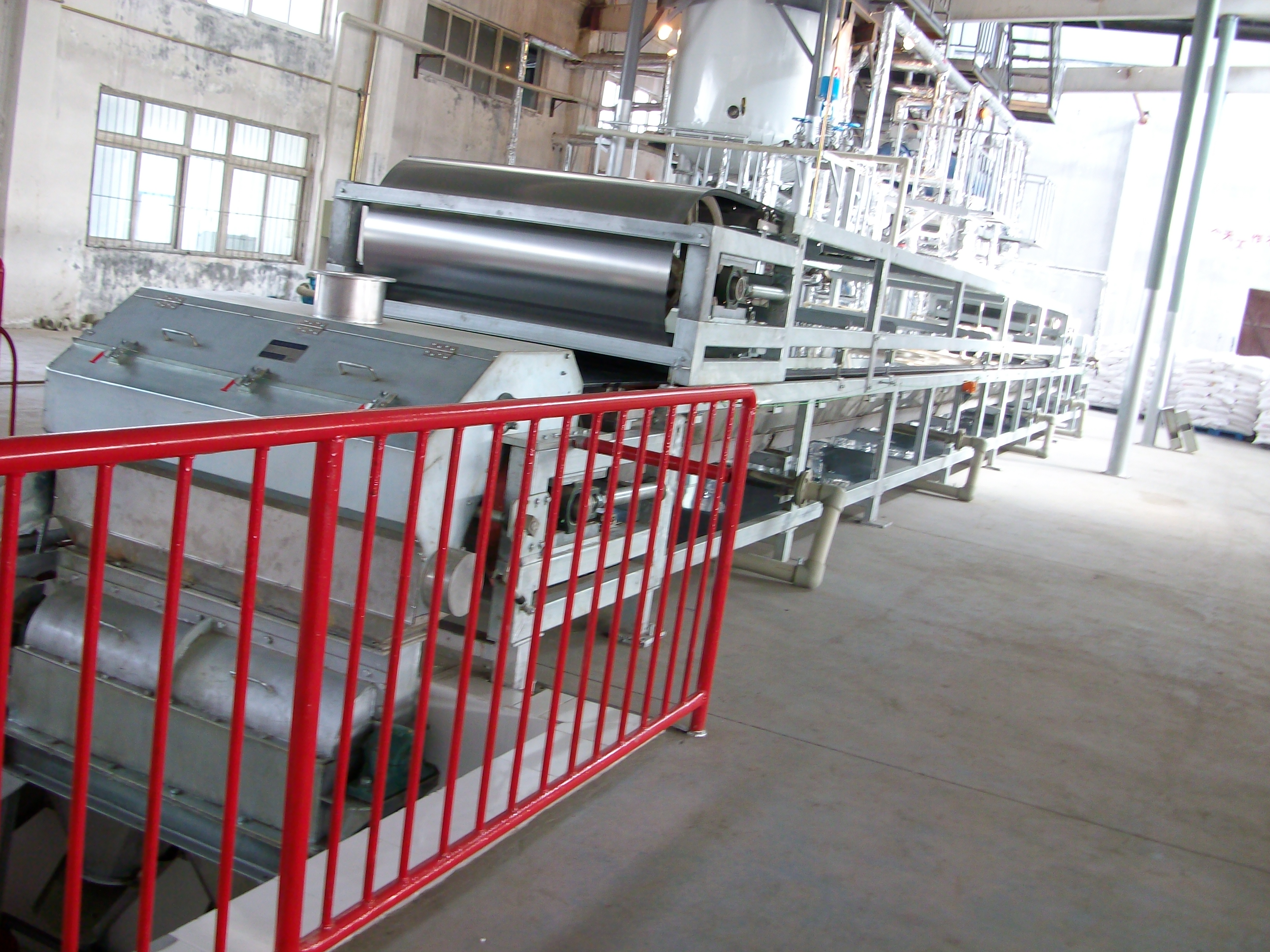
Figure: A Resin Steel Belt Cooler system, exemplifying the integrated equipment solutions offered by leading Chinese manufacturers like BPS/EPS.
4. Strategic Procurement Guide: Matching Your Needs to the Right Supplier Tier
A ranking is a starting point, not the final decision. Wise procurement aligns the supplier's core competencies with the project's specific technical, commercial, and risk parameters.
Scenario A: Large-Scale, Greenfield Project with High-Risk Aversion
Typical Need: A multinational building a new chemical plant requiring multiple Epoxy Steel Belt Cooler lines and casting coating steel belts.
Recommended Focus: Tier 1 or top Tier 2 suppliers. The decision hinges on the trade-off between brand assurance (Tier 1) and cost-flexibility with proven technical capability (Tier 2). A supplier like BPS/EPS, with its ISO 9001:2000 certification, full engineering drawings, and a documented portfolio (e.g., Double-belt resin cooling flaker projects), presents a compelling high-value alternative. Always request site visits to their manufacturing facility, such as the BPS/EPS plant in Shanghai.
Scenario B: Mid-Volume Production Line Upgrade or Expansion
Typical Need: A food processor expanding its Steamed cake production line or a workshop adding a powder painting Steel Belt Flaker.
Recommended Focus: Tier 2 Chinese Manufacturers. This is their sweet spot. They offer the perfect blend of technical sophistication for specialized equipment (Steel belt Steam oven, Chocolate Steel Belt Conveyor), willingness to customize, competitive pricing, and crucially, responsive after-sales and Equipment Maintenance and Repair services. Verify their export experience and spare parts inventory.
Scenario C: Replacement or Maintenance of Existing Components
Typical Need: Needing a direct replacement carbon belt or a Steel belts cracks Welding repair service for an existing line.
Recommended Focus: Tier 3 Local Specialists or the service division of a Tier 2 manufacturer. For simple, non-critical replacements, a local supplier may suffice. However, for critical repairs on complex belts like press steel belts, engaging the original equipment manufacturer's service team (e.g., contacting BPS/EPS at sales@bpstek.com) ensures repair integrity and preserves warranty conditions.
Conclusion: Beyond the Ranking – Building a Strategic Supply Partnership
The 2025 steel belts market is dynamic and solution-oriented. While rankings based on market share and innovation are useful indicators, the ultimate choice for an industrial buyer must be strategic. The rise of Chinese high-value manufacturers represents a fundamental shift, offering global buyers access to total solutions—from specialized Stainless steel belts and carbon belts to complete processing systems like Sulphur Pastillator and Steel belt bakery tunnel Oven—without the traditional cost premium.
Companies like BPS/EPS exemplify this new paradigm. With the motto "Based in China and serve globally," they combine international-standard quality management (ISO 9001:2000, ISO 14001:2004), deep technical expertise across applications from wood OSB press belts to Crab stick molding machine lines, and a genuine partnership approach to customer satisfaction. For procurement professionals, the goal is to move beyond a transactional view and evaluate suppliers on their ability to be a long-term partner in process reliability and innovation.
For a detailed analysis of leading manufacturers and their specific capabilities in stainless steel and carbon belt technology, refer to the industry report: "China’s Top 3 Stainless Steel Belts Manufacturers - Leading Global Industrial Belt Innovation".
To explore customized steel belt solutions for your specific application, contact the experts:
BPS/EPS | www.bpstek.com
Phone: +86-13916661495 / +86-21-68904153 | Email: ken.feng@bpstek.com / sales@bpstek.com
Address: No.172 Xuanchun Road, Xuanqiao Town, Pudong New District, Shanghai, China