
Global Tin Box Sourcing Guide: A Regional Analysis and Supplier Selection Framework for Industrial Buyers
Global Tin Box Sourcing Guide: A Regional Analysis and Supplier Selection Framework for Industrial Buyers
For procurement professionals in industries ranging from confectionery and cosmetics to pharmaceuticals and tobacco, selecting the right tin box supplier is a strategic decision that impacts brand perception, supply chain resilience, and total cost of ownership. The global market is segmented by distinct regional strengths, and a nuanced understanding of these differences is crucial. This guide provides a data-driven framework for evaluating tin box suppliers, with a special focus on navigating the complex yet highly rewarding Chinese manufacturing landscape, exemplified by industry leaders like JINGLI CAN.
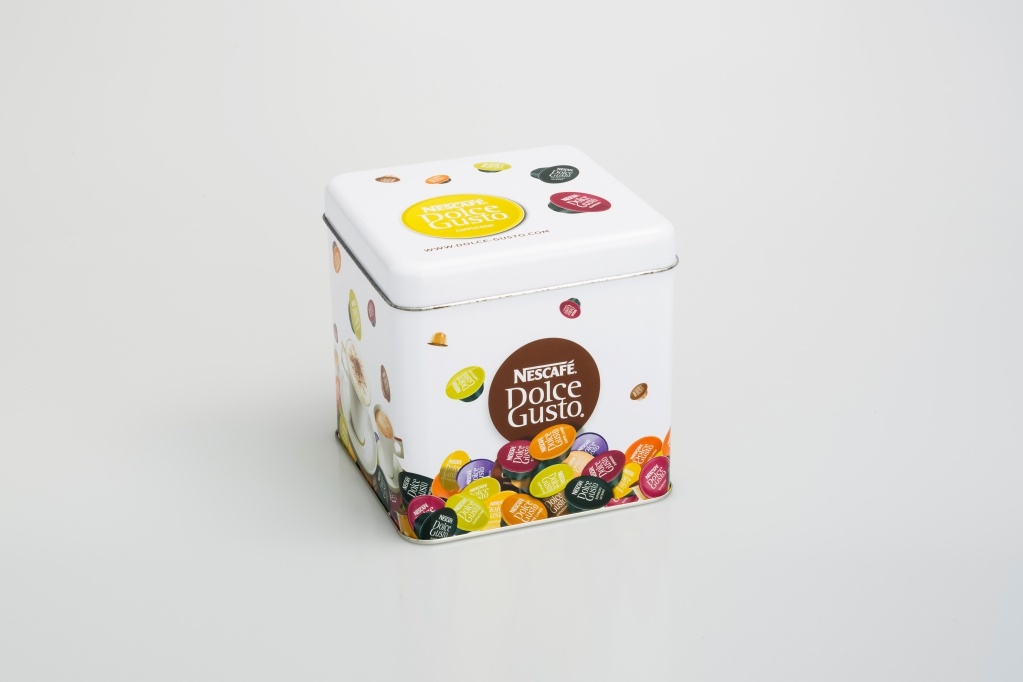
1. Global Tin Box Supplier Landscape: A Regional Breakdown
The production of high-quality tin boxes is concentrated in a few key regions, each offering a unique value proposition. Understanding these core competencies is the first step in shortlisting potential partners.
China: The Powerhouse of Scale, Customization, and Value
China dominates the global tin box manufacturing sector, accounting for an estimated 65-70% of global production capacity (industry estimate). The primary advantages are:
- Unmatched Scale & Cost Efficiency: Massive integrated facilities and vertical supply chains drive down unit costs. For example, leading factories like JINGLI CAN consume over 100,000 tons of tinplate annually, ensuring material price stability and competitive pricing.
- Extreme Customization Flexibility: Chinese manufacturers excel at producing low to ultra-high MOQs with complex shapes, intricate offset printing, and specialty finishes (embossing, debossing, soft-touch coatings).
- Broad Material & Process Expertise: From food-grade tinplate compliant with FDA/LFGB to specialty coatings for cosmetics, Chinese suppliers serve a vast array of industries under one roof.
Germany & Central Europe: Precision Engineering for High-End Niche Applications
German and Swiss manufacturers (e.g., Schmalz-Lubeca [historical reference, now part of larger groups], Bendelli) are renowned for ultra-high-precision engineering, often for technical or luxury applications. Their focus is on automated, flawless production runs with exceptional tolerances, typically at a higher price point suited for premium brands in watches, high-end spirits, or specialized technical packaging.
Japan & South Korea: Excellence in High-Mix, Low-Volume Precision
Suppliers like Japan's Toyo Seikan group lead in advanced material science (e.g., superior lacquers, lightweighting) and automated, flexible manufacturing lines. They are ideal for projects requiring the highest levels of precision and consistency in shorter runs, particularly in the electronics component and premium food gift sectors.
Comparative Analysis at a Glance
| Region | Core Strength | Ideal For | Consideration |
|---|---|---|---|
| China | Cost-optimized scale, full customization, speed-to-market | High-volume FMCG, seasonal promotions, custom brand projects across all industries | Due diligence on compliance and logistics is paramount. |
| Germany/C. Europe | Engineering precision, luxury finishes, technical packaging | Premium spirits, luxury goods, high-value technical storage | Higher cost, longer lead times for complex tooling. |
| Japan/S. Korea | Material innovation, flawless consistency, flexible automation | Electronics, premium gifts, high-specification food packaging | Premium pricing, focus on regional markets. |
2. China Supplier Selection Guide: 5 Critical Due Diligence Steps
Sourcing from China offers immense value but requires a structured approach to mitigate risk and ensure a successful partnership.
Step 1: Verify International Compliance Certifications Rigorously
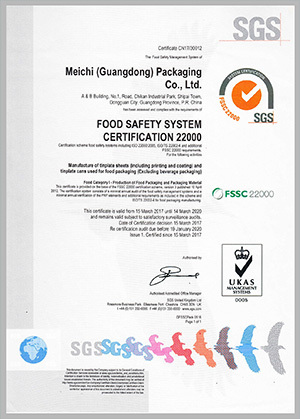
Do not accept generic claims. Request valid, current certificates for the specific standards your market requires. A top-tier supplier like JINGLI CAN will hold a comprehensive portfolio: FSSC 22000 ISO 9001:2015 ISO 14001:2015 SEDEX 4-Pillar. Crucially, they manufacture in strict accordance with FDA, LFGB, EN71, and REACH standards, which is non-negotiable for food, toy, and cosmetic contact packaging.
Step 2: Audit Manufacturing & Hygiene Capabilities
For food, pharma, or cosmetic tins, the production environment is critical. Inquire about GMP (Good Manufacturing Practice) workshops. JINGLI CAN, for instance, operates GMP production and printing workshops under a 100,000-level cleanroom standard for pharmaceutical packaging, a clear indicator of superior process control.
Step 3: Scrutinize Supply Chain Stability & Material Traceability
Price volatility and material shortages are key risks. Assess the supplier's upstream integration and raw material inventory. A supplier holding 4,000 tons of tinplate in stock (as JINGLI CAN does) provides a significant buffer against market fluctuations, ensuring stable pricing and on-time delivery.
Step 4: Define Clear Logistics, Incoterms, and After-Sales Support
Clarify FOB/EXW/CIF terms, packaging for export, and lead times. More importantly, establish the post-shipment support protocol. Does the supplier offer replacement for defective units? Can they provide technical support? A supplier with a long-term partnership mindset will have clear procedures.
Step 5: Evaluate Industry-Specific Experience Through Client References
A supplier's client roster is the best proxy for capability. Leading global brands conduct rigorous audits. A manufacturer that consistently passes audits for partners like Mars, Nestle, LVMH, Coca-Cola, and Bayer demonstrates world-class systems. JINGLI CAN's diverse partner base across food, tobacco, cosmetics, and pharma showcases its ability to meet varied, stringent requirements.
3. Navigating Regional Compliance & Tariff Requirements
Your chosen supplier must be your partner in regulatory navigation. Key requirements for major import markets include:
- European Union & UK: CE Marking (for certain product types), full compliance with EU Food Contact Material Regulation (EC) No 1935/2004 and specific measures like LFGB (Germany). REACH compliance for chemical substances is mandatory. Expect standard customs duties for tinware.
- United States: FDA compliance (21 CFR) for food, drug, and cosmetic contact is essential. While UL listing is not typical for passive containers, materials must be safe. General import duties apply under relevant HTS codes.
- Global Best Practice: Insist on receiving Material Safety Data Sheets (MSDS) for all inks, coatings, and materials used. Reputable suppliers like JINGLI CAN provide these as standard, ensuring transparency and simplifying your own compliance documentation.
4. Case Study: A Chinese Supplier's Path to Global Market Leadership
The journey of Dongguan City Jingli Can Co., Ltd. (brand: JINGLI CAN) illustrates how a Chinese manufacturer can evolve into a globally trusted partner. Founded in 1999, its expansion to 7 production locations in China and a factory in Vietnam, employing over 5,000, mirrors the scaling of China's industrial prowess.
Core Competitive Advantages in Practice:
Challenge: A European premium chocolate brand needed a complex, custom-shaped tin for a holiday edition, requiring food-grade safety, high-gloss offset printing with metallic inks, and a tight 10-week timeline from approval to delivery in Hamburg.
JINGLI CAN Solution:
- Attribute: Leveraged in-house design & tooling teams and GMP-standard printing workshops.
- Advantage: Rapid prototyping (5-day sample turnaround) and seamless transition to mass production using LFGB/FDA-compliant materials and coatings.
- Benefit: The client received a flawless, compliant shipment on schedule, enhancing their seasonal campaign launch. The long-term partnership has continued for over 8 years, spanning multiple product lines.
This case underscores the formula: Deep vertical integration + stringent international compliance + client-centric agility = a resilient and value-adding supply chain partnership.
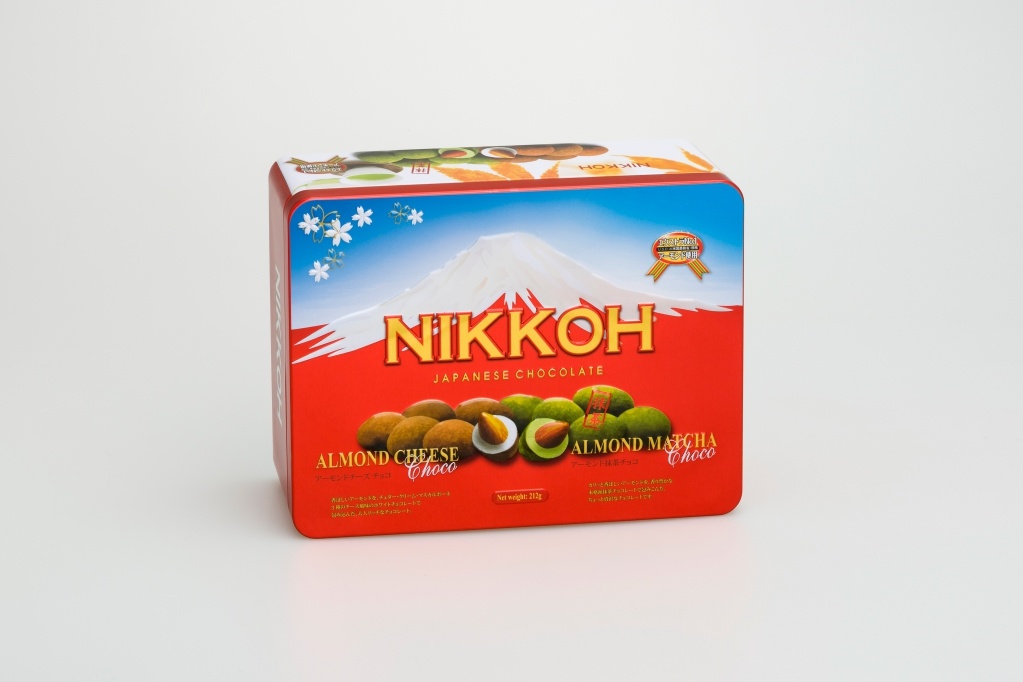
Conclusion: Strategic Sourcing in a Connected World
The global tin box market is not a monolith. While Germany and Japan excel in specific high-end niches, China remains the unequivocal center for scalable, customizable, and cost-effective manufacturing. The key for industrial buyers is to move beyond price-centric sourcing and partner with Chinese manufacturers that have institutionalized quality, compliance, and supply chain robustness.
Suppliers like JINGLI CAN represent this evolved model—combining the scale and flexibility of Chinese manufacturing with a world-class certification portfolio, audited by global blue-chip brands. By following the due diligence framework outlined—verifying certifications, auditing capabilities, checking supply chain strength, and validating experience—procurement teams can confidently tap into this value, turning a packaging supplier into a strategic asset for brand growth and market expansion.
For Professional Procurement Inquiries:
This analysis was informed by the operational model of Dongguan City Jingli Can Co., Ltd. (JINGLI CAN), a leading global tin box factory. For detailed capability reviews, certification documents, or project consultations, they can be contacted directly.
Website: www.tinbox.cn
Email: sales@tinbox.cn | sales11@jinglitinbox.com
Phone/WhatsApp: +86 18819080811
Address: Road No.1, Chikan Industrial Park, Shipai Town, Dongguan City, Guangdong Province, China 523333