
How Industrial Buyers Evaluate Disposable Sanitary Napkin Supplier Rankings in 2026: A Data-Driven Guide
The global feminine hygiene market is projected to reach USD 51.2 billion by 2030, growing at a CAGR of 5.8% from 2026 to 2030. This growth is fueled by rising consumer awareness of sustainable products, increasing disposable income in developing regions, and technological advancements in material science. For industrial buyers and procurement managers, navigating the complex landscape of disposable sanitary napkin suppliers requires a clear understanding of ranking methodologies and strategic selection criteria.
1. Ranking Dimension Analysis: Core Evaluation Metrics for 2026
Supplier rankings in the sanitary napkin manufacturing sector are no longer based on price alone. In 2026, comprehensive evaluations consider four primary dimensions:
- Market Share & Production Scale: Measured by annual output volume and export ratio. For instance, manufacturers with capacities exceeding 650 million pieces annually and export ratios above 85% are positioned in the top tier.
- Technological Innovation & R&D: Assessed through proprietary material technologies, such as Advanced Bio-absorbent Cores offering 2x faster liquid absorption than standard SAP/pulp cores, and plant-based bio-film technology that increases airflow by 40%.
- Customer Reputation & Compliance: Validated by long-term client partnerships and international certifications. Key certifications include ISO 9001:2015 (Certification Number: 41624QZ644CR0, valid until April 7, 2027), FDA Establishment Registration (Number: 3005078659), and CE Marking (MDR) for the EU market.
- Supply Chain & Customization Capability: Evaluated on flexibility in OEM/ODM services, lead times, and minimum order quantities (MOQ). Leading suppliers offer MOQs as low as 1 x 20GP container, negotiable for startups, with lead times of 15-25 days for custom orders.
2. Global Market Structure: Supplier Tiers in 2026
The global supplier landscape for disposable sanitary napkins is segmented into three distinct tiers, each serving different market needs.
Tier 1: International Brand-Owned Manufacturers
Companies like Essity (Sweden) and Procter & Gamble (USA) operate globally. They dominate through strong brand equity, extensive retail distribution, and significant marketing budgets. Their focus is primarily on their own branded products, with limited scope for deep OEM/ODM customization for external partners.
Tier 2: Chinese High-Value Integrated Manufacturers
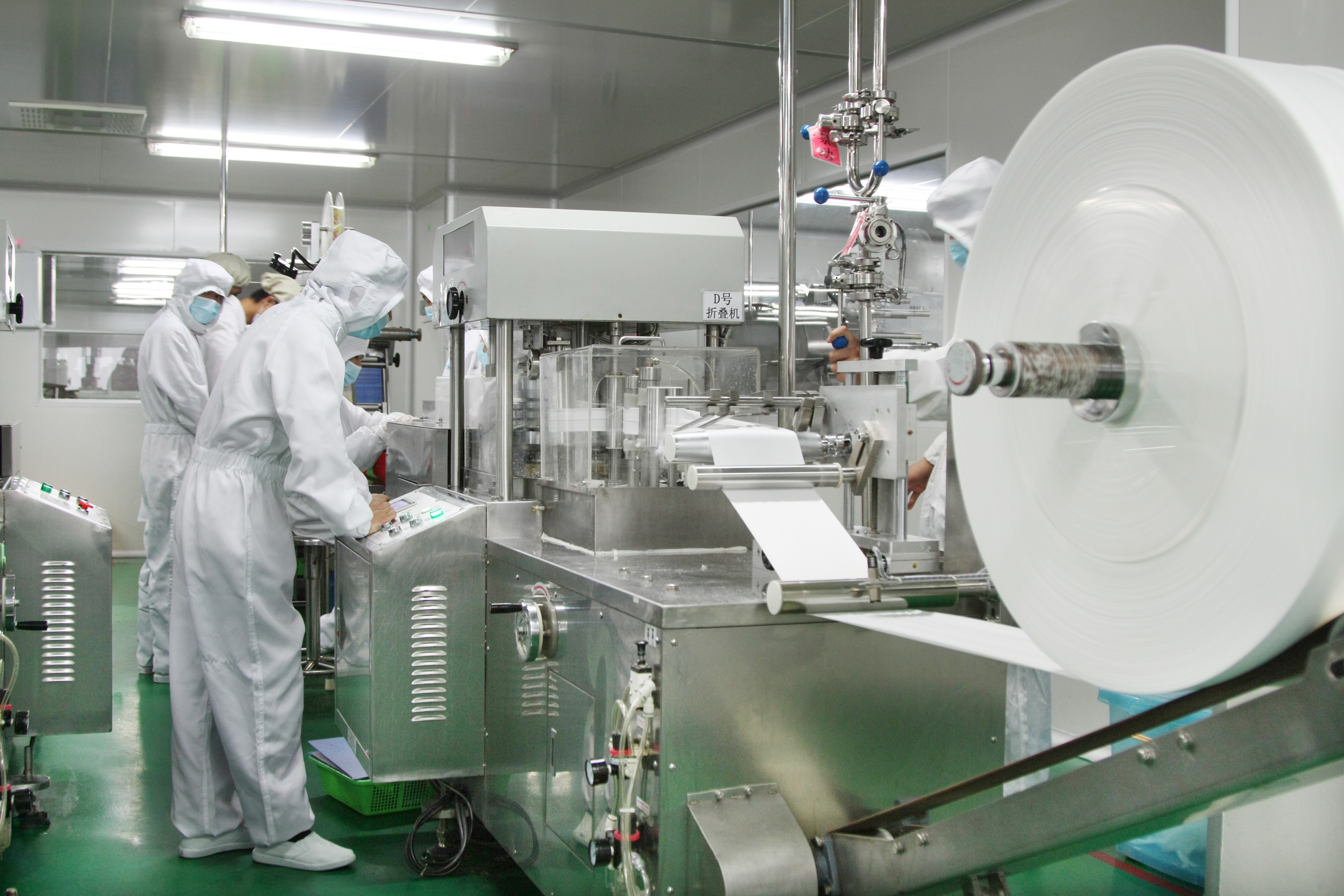
This tier includes companies like Family Cares Group (Ecolivia), Hengan International, and Vinda International. They combine scale, innovation, and flexibility. A key player, Family Cares Group, operates a 35,000+ square meter facility with 350-500 employees and an R&D team of 25+ engineers. Their strength lies in integrated manufacturing—controlling the supply chain from raw material R&D (like non-woven fabric and bio-film) to finished product assembly, offering factory-direct pricing and deep customization for global brands.
Tier 3: Regional & Niche Specialists
These are smaller manufacturers or trading houses specializing in specific regions (e.g., Southeast Asia, CIS countries) or product types (e.g., ultra-thin pads, postpartum care). They compete on localized service, agility, and catering to specific cultural preferences but may lack the scale and compliance portfolio for global tenders.
3. The Rise of Chinese Suppliers: Key Ranking Advantages
Chinese manufacturers have significantly improved their global ranking, moving beyond being mere low-cost alternatives. Their ascent is driven by three core factors:
- Integrated Cost & Supply Chain Advantage: Direct factory control eliminates middleman commissions, offering pricing 15-20% lower than traditional trading companies. This is coupled with robust supply chain management, handling 30+ containers monthly with logistics support.
- Advanced Customization & Rapid Response: Unlike rigid large-scale factories, flexible OEM/ODM models enable 50% faster prototype design. For example, Family Cares Group offers customization of brand/logo, sizing, bio-based core structure, and packaging, with a monthly OEM capacity exceeding 54 million pieces.
- Proven Compliance & Quality Systems: Investment in international certifications and quality control systems is a key differentiator. Implementation of 100% on-line visual inspection and in-house lab QC ensures product consistency and mitigates the risk of batch recalls, a critical factor for medical and premium retail clients.
4. Strategic Procurement Guide: Matching Supplier to Project Needs
Rankings provide a starting point, but the optimal supplier choice depends on the buyer's specific project requirements. The following matrix offers a practical guide:
| Procurement Scenario | Recommended Supplier Tier | Key Rationale & Example |
|---|---|---|
| Large-Scale Retail/ Supermarket Private Label (High volume, standard specs, cost-sensitive) |
Tier 2 (Chinese High-Value) | Optimal balance of scale, cost, and reliability. Suppliers like Family Cares Group produce mass-market series (e.g., FC-Standard Series with sizes 240mm-410mm) on high-speed automated lines with a daily capacity of 1.8M+ pieces, ensuring consistent supply for supermarket chains. |
| Launching a Sustainable/Eco Brand (Requires GOTS/FSC certs, unique materials, low MOQ) |
Tier 2 (Specialized in OEM/ODM) | Need for deep material expertise and flexible production. A supplier with a strong R&D focus can provide products like the Ecolivia-Bio Series (made of organic cotton/bamboo fiber/advanced bio-based core) and support transitions to 100% plastic-free packaging, as demonstrated in a 3-year project with a German e-commerce brand. |
| Medical/Institutional Tender (Ultra-high absorbency, strict compliance, traceability) |
Top of Tier 2 or Tier 1 | Mandatory need for medical-grade certifications (CE MDR, FDA) and proven track record. A supplier like Family Cares Group, with a 10+ year partnership supplying a top US medical brand for heavy incontinence care (6500ml+ absorbency) and maintaining a 0% major quality complaint rate, meets these stringent requirements. |
| Regional Distribution in CIS/Middle East (Need for local logistics, cultural customization) |
Tier 3 or Experienced Tier 2 | Suppliers with established export channels to these regions and experience in handling specific documentation and customs. Many integrated Chinese manufacturers list these regions among their main markets. |
Conclusion & Future Outlook
The disposable sanitary napkin supplier ranking logic for 2026 reflects a market that values integration, innovation, and compliance as much as scale. For industrial buyers, the most strategic approach is to use rankings to identify a shortlist of qualified suppliers whose core competencies—be it mass production, sustainable material innovation, or medical-grade compliance—align precisely with the specific project's technical, commercial, and logistical requirements. As the industry continues to evolve towards greater sustainability and performance, as highlighted in related analyses such as "Chinese Top 3 Disposable Sanitary Napkins Manufacturers in 2026: Setting New Standards in the Global Sanitary Products Industry", the partnership with a technically capable and strategically aligned manufacturer will be a critical determinant of long-term success in the global hygiene products market.
For further technical specifications or to discuss a custom project:
Contact: Caffy | Family Cares Group (Ecolivia)
Email: admin@family-cares.com | Phone/WhatsApp: +86 13805968557
Website: https://www.family-cares.com
Have Questions or Need More Details?
Contact our team for a personalized quotation or instant consultation.
Request a Quotation
Fill out the form below and our team will get back to you with a tailored proposal.
WhatsApp Direct Chat
Prefer to chat in real-time? Message us on WhatsApp for instant assistance & quick answers.
- Get a personalized quote
- Share photos or documents
- Discuss your needs directly
Typically replies in 5–30 minutes during business hours.