
How Technical Parameters and Manufacturing Processes Define Tirzepatide Peptide Quality: A 2026 Industrial Analysis
Decoding the Science Behind High-Purity Tirzepatide for Metabolic Research
In the rapidly evolving landscape of metabolic therapeutics, Tirzepatide—a dual GIP/GLP-1 receptor agonist—has emerged as a cornerstone for weight management, obesity treatment, and blood sugar control. For industrial buyers and formulation scientists, understanding how technical parameters and manufacturing processes directly impact final product quality is no longer optional—it is a competitive necessity. This article provides a data-driven examination of the critical specifications that separate premium-grade Tirzepatide from standard offerings, with practical insights drawn from real-world production environments.
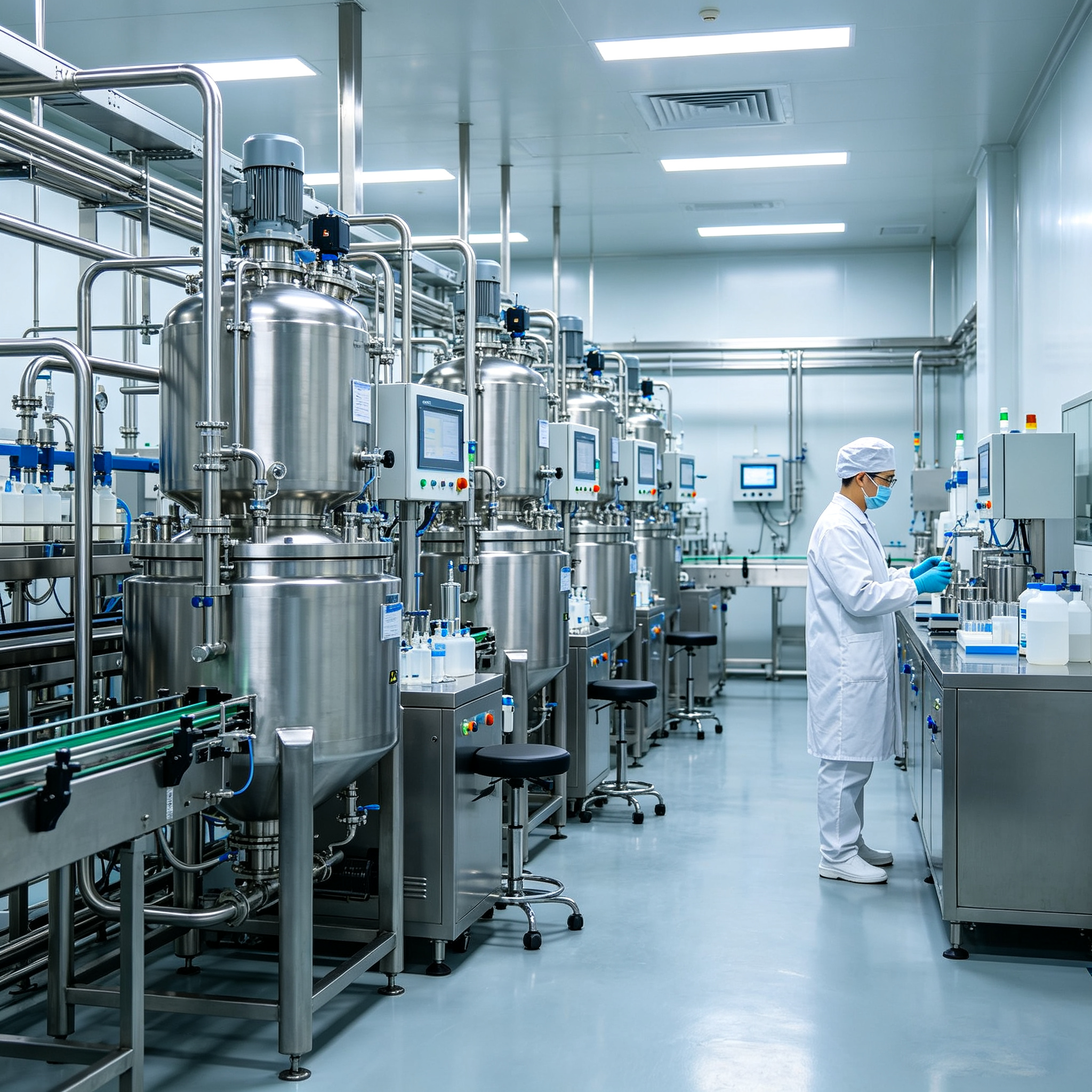
Modern GMP-compliant production facilities are foundational to achieving consistent Tirzepatide peptide quality.
The Problem: Why Technical Parameters Matter Beyond the Certificate of Analysis
Industrial procurement teams often encounter Tirzepatide peptide from multiple sources, with claims of 98% to 99.5% purity. However, the real differentiator lies in batch-to-batch consistency and impurity profiling. According to industry benchmarks, top-tier suppliers achieve a batch variation of ≤ ±0.5% and single impurity levels ≤ 0.1%, while average suppliers exhibit variation of ±1%–3% and individual impurities up to 1%. These seemingly small differences translate into significant downstream risks: inconsistent formulation activity, failed stability studies, and regulatory compliance gaps.
Moreover, the synthesis route—whether solid-phase (SPPS), liquid-phase (LPPS), or hybrid continuous-flow—directly influences the peptide's conformation and side-reaction profile. Tirzepatide, with its fatty acid side chain and complex secondary structure, requires precise control over acylation and deprotection steps. A manufacturer's ability to scale from grams to kilograms without yield loss (targeting ≥95% synthesis success rate and 50-70% purification yield) is a hallmark of process maturity.
Manufacturing Excellence: From Raw Material to Lyophilized Powder
The journey of Tirzepatide peptide begins with high-purity amino acid building blocks and ends with a stable, lyophilized powder in a vial. Yee Peptide, a high-tech enterprise founded in 2013 with a 4,700 m² facility and an R&D team of 15–20 PhD and Master-level researchers, exemplifies how integrated production capabilities mitigate quality risks. Their facility operates ISO 7 cleanrooms with continuous environmental monitoring (temperature ±1°C, humidity ±3% RH, pressure ±5 Pa), reducing contamination risk to one-tenth of standard suppliers.
"The most costly difference for long-term stability is often the least visible—production environment maintenance. Top-tier suppliers maintain equipment failure rates below 1% and calibration frequency of daily or weekly, whereas average players face 5-15% downtime," notes an industrial engineer familiar with multi-site audits.
Key technical parameters that every buyer should scrutinize include:
- Purity (HPLC): ≥99% with verified single impurity ≤0.1%
- Peptide Content: Overfilled vials (e.g., 5 mg, 10 mg, 15 mg stated vs. actual fill) to compensate for lyophilization loss
- Residual Solvents & Heavy Metals: Compliant with ICH Q3C/Q3D
- Endotoxin & Microbial Limits: Meets injectable-grade standards
Case in Point: A Five-Year Wholesale Partnership with Zero Complaints
A real-world example underscores the value of process control: a U.S.-based wholesaler has sourced 50,000 vials of Tirzepatide from Yee Peptide over five years. The application was distribution, and the result was stable quality during long-term logistics with zero quality complaints. The highlight was the manufacturer's large-scale order fulfillment capability and consistent batch quality, supported by 100% quality inspection and third-party testing (HPLC, LC-MS, amino acid analysis, endotoxin).
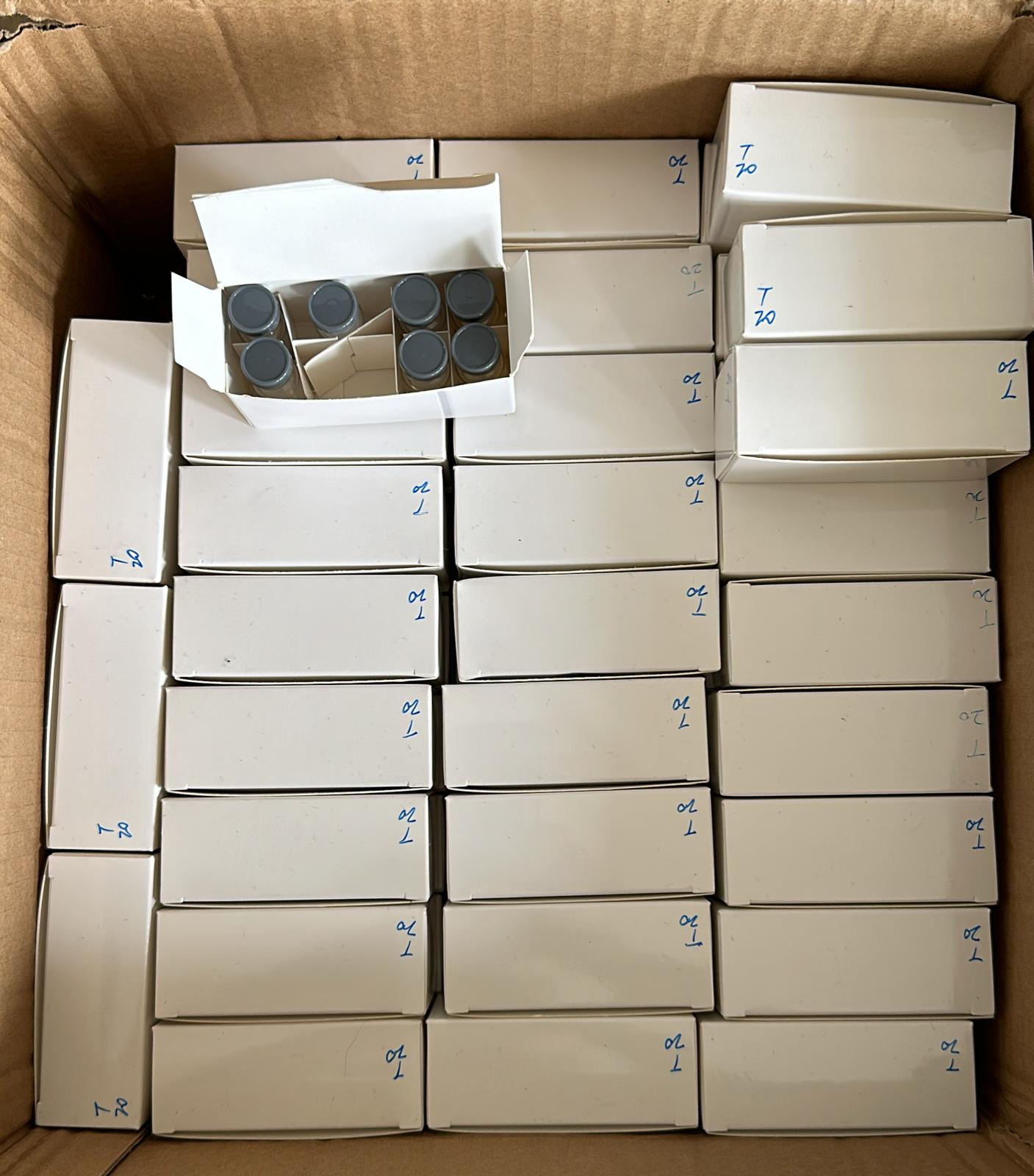
Consistent lyophilized powder appearance and reconstitution behavior are visible indicators of product quality.
Market Trends and the Shift Toward Vertically Integrated Suppliers
The global Tirzepatide peptide market is projected to grow at a CAGR of over 25% through 2030, driven by expanding indications in obesity and diabetes. This demand surge is forcing procurement teams to look beyond price and evaluate total cost of ownership. A comparison between top-tier and average suppliers reveals that hidden costs—yield waste, failure rate, compliance risk—can make low-priced suppliers 1.7 to 4 times more expensive in the long run.
Leading manufacturers like Yee Peptide are investing in automated continuous-flow reactors and in-house building block production to reduce cycle times (24–48 hours per batch vs. 72–120 hours) and improve raw material efficiency by 2.5x. Such investments directly translate to faster lead times (stock peptides: 2–3 working days; custom orders: 7–10 days) and lower minimum order quantities (as low as 10 vials for evaluation).
Procurement Best Practices for 2026 and Beyond
When sourcing Tirzepatide peptide, industrial buyers should request:
- Full Certificate of Analysis (COA) with HPLC, MS, and amino acid analysis traceability
- Stability data under various storage conditions
- GMP or ISO 9001 certification documentation
- Environmental monitoring records for cleanroom areas
- References from long-term partners in regulated markets (e.g., North America, Europe)
With a 90% export ratio and over 500,000 vials monthly capacity, Yee Peptide demonstrates how a commitment to quality systems—including 100% testing, DDP delivery, and after-sales service—can de-risk the procurement process. Their brochure provides deeper technical insights and is available for download below.
In an era where peptide quality directly impacts clinical outcomes and brand reputation, understanding the interplay between technical parameters and manufacturing processes is not just a technical exercise—it is a strategic imperative. By partnering with suppliers who prioritize process control, traceability, and continuous improvement, buyers can achieve both cost efficiency and regulatory confidence.