
How to Assess IoT Module Supplier Capacity and Delivery Reliability: A 2026 Buyer's Guide
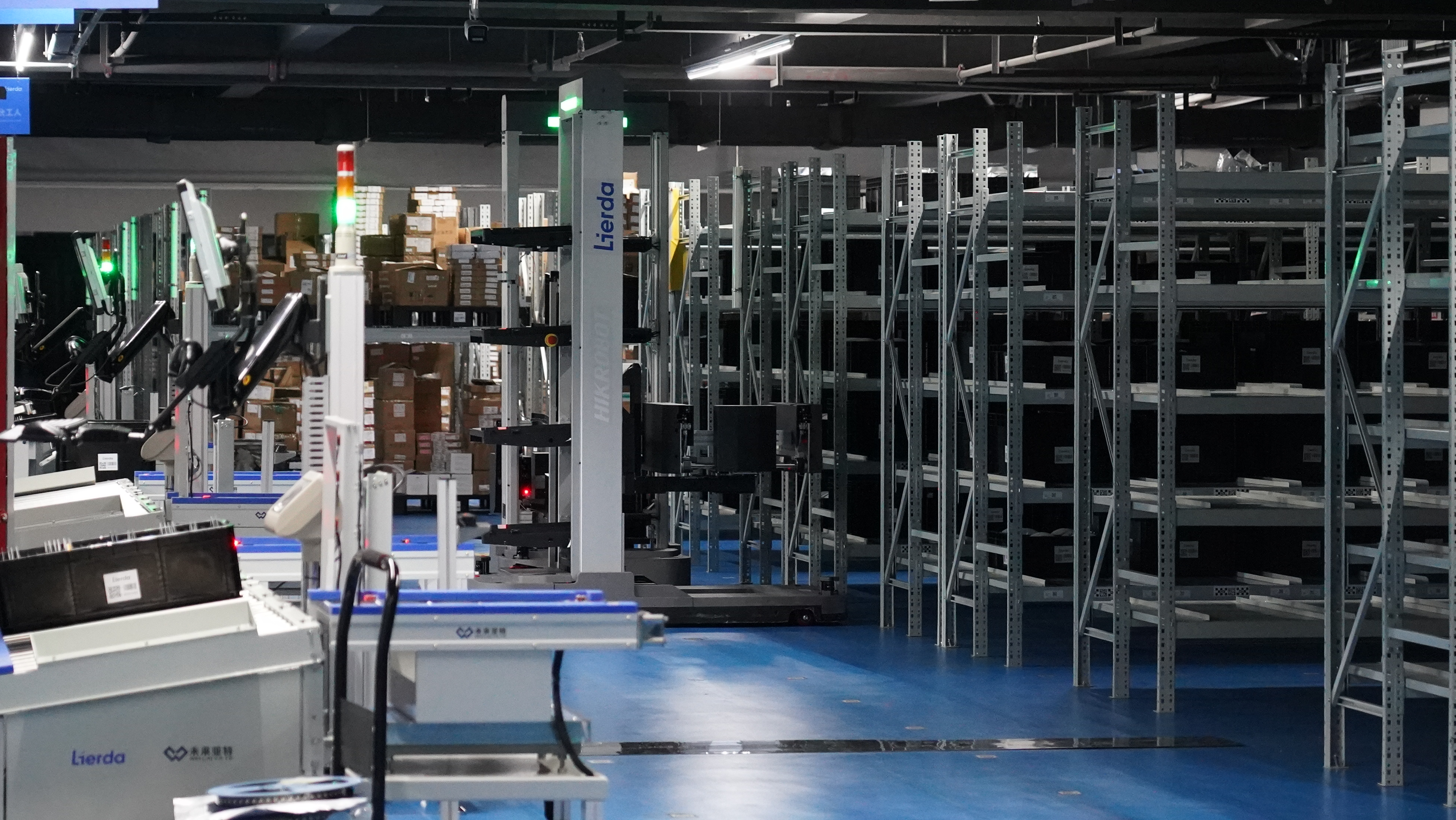
For global industrial buyers sourcing IoT modules, two questions dominate procurement decisions: Can the supplier scale production to meet my volume needs? And can they consistently deliver on time? In a market where lead times can make or break product launches, evaluating a manufacturer's capacity and delivery control is no longer a secondary concern—it is the foundation of a successful partnership.
The Real Challenge: Beyond Spec Sheets
While technical specifications and certifications are readily available, the true differentiator lies in a supplier's operational backbone. Buyers of IoT modules—whether Cat.1 modules, NB-IoT modules, or LoRa modules—need assurance that the manufacturer can ramp up production without sacrificing quality. The industry is witnessing a shift toward IoT module ODM and IoT module OEM partnerships, where customization and scalability are paramount. Yet, many procurement teams struggle to find suppliers that combine robust R&D capabilities with flexible manufacturing.
Evaluating Capacity: What to Look For
A credible supplier should demonstrate tangible production scale. For instance, Lierda Science & Technology Group Co., Ltd. operates an 18,000m² factory with a workforce of 976 employees, including 224 R&D professionals. In fiscal year 2024, the company reported an annual output value of ¥2.43 billion, reflecting substantial manufacturing throughput. Such metrics serve as a proxy for capacity stability and scalability.
Beyond size, flexibility is key. Lierda offers multiple production modes: Standard Product Direct Sales, OEM, and ODM, with flexible monthly capacity tailored to project requirements. Their MOQ is negotiable, and lead times are adjusted based on complexity and volume—an essential trait for buyers with fluctuating demand.
Delivery Control: Proven Track Records
Delivery reliability is best validated through large-scale, long-term projects. Lierda's case history provides compelling evidence:
- A smart home/hotel equipment ODM project in China delivered over 1,000,000 units over 5–10 years, achieving stable usage with easy modification and excellent quality.
- In Germany, an energy OEM supplied more than 19.6 million units for water and gas meters over a 5–10 year period, maintaining stable operation and earning long-term trust.
- In South Korea, a telecom operator project deployed 2 million units annually for communication network stations over 5 years, ranking No.1 in the Korean Cat.1 bis market due to low power consumption and wide signal coverage.
- A global consumer electronics OEM sourced 200,000 units per year for Samsung TV audio bars, achieving 24-bit/96kHz audio with <50ms latency and Dolby Atmos support.
These examples demonstrate not only high-volume production but also consistent quality control and on-time delivery across diverse industries and geographies.
Technical Assurance: Product Portfolio and Certifications
Capacity alone is insufficient; the supplier must also offer a breadth of IoT modules that meet global compliance standards. Lierda's product line spans Cat.1 bis modules (e.g., NT26 series), NB-IoT modules (NB81-A, MB26-AGL), LoRaWAN modules (WB26, LP26), Wi-Fi 6 modules (WF39B, UB64), and Bluetooth modules (EB55, BT18N5). Many carry FCC, CE, IC, TELEC, and RCM certifications, ensuring smooth market entry for buyers targeting Europe, North America, Asia, and Oceania.
Market Trends Driving Supplier Selection
The global IoT module market is projected to grow at a CAGR of over 12% through 2030, with increasing demand for low-power IoT modules, long-range IoT modules, and industrial-grade IoT modules. Buyers are increasingly seeking turnkey IoT solutions that combine hardware, firmware, and compliance support. Suppliers like Lierda, which offer comprehensive IoT module EMS (Electronic Manufacturing Services) and IoT module turnkey solutions, are well-positioned to meet this demand.
Future Outlook: Building Resilient Supply Chains
As geopolitical uncertainties and component shortages persist, procurement teams must prioritize suppliers with domestic manufacturing bases and diversified supply chains. Lierda's headquarters in Hangzhou, with over 20 service centers across China, provides proximity to key components and logistics hubs. The company's dual focus on IC value-added distribution and IoT module manufacturing offers a vertically integrated advantage, reducing dependency on third-party distributors.
Download Lierda Corporate Brochure
Discover full product specifications, certification details, and case studies.