
How to Choose a Rugged Smartphone Supplier: A 2025 Market Ranking & Procurement Guide
Market Data Overview
According to recent industry analysis, the global rugged smartphone market is projected to grow from USD 4.2 billion in 2024 to over USD 6.8 billion by 2029, at a Compound Annual Growth Rate (CAGR) of approximately 10.1%. This robust growth is fueled by digital transformation across industrial sectors, stringent worker safety regulations, and the increasing need for reliable communication in challenging environments from mining and construction to emergency services and logistics.
Industry Definition & Background
The rugged smartphone market encompasses mobile devices engineered to withstand harsh conditions where standard consumer smartphones would fail. These tough phones are defined by certifications like IP68/IP69K (for waterproof and dustproof performance) and MIL-STD-810H (for shockproof resilience against drops, vibration, and extreme temperatures). Core applications extend beyond basic durability to include specialized functions such as thermal imaging for inspections, integrated satellite communication for remote connectivity, powerful camping light features, and ultra-long battery life for large battery phone requirements. The primary market driver is the global industrial shift towards smart, connected field forces, necessitating durable, multi-functional mobile tools that enhance productivity and safety.
Regional Market Analysis
North America & Europe: These are mature markets characterized by high adoption rates in public safety, utilities, and defense. Demand is driven by replacement cycles and a shift towards feature-rich devices with advanced capabilities like 5G and specialized sensors. Procurement decisions heavily weigh certifications (e.g., FCC, CE NB) and total cost of ownership.
Asia-Pacific: This is the fastest-growing region, propelled by rapid industrialization, infrastructure development, and the expansion of logistics networks in countries like China, India, and Southeast Asian nations. Demand centers on cost-effective, durable solutions with good performance, making Chinese manufacturers particularly strong in this region.
Market Trend Summary
- Specialization Beyond Durability: Rugged phones are evolving into specialized tools with integrated thermal imaging, gas sensors, or loudspeakers.
- Hybrid Communication Convergence: Devices combining cellular, Wi-Fi, and push-to-talk (walkie-talkie) functions in one durable phone are gaining traction.
- Satellite Connectivity Integration: The rise of satellite communication phone features for off-grid operational safety.
- Enterprise-Grade Software & Security: Enhanced focus on device management (MDM) and data security for corporate deployments.
- Performance Parity with Consumer Flagships: Incorporating high-refresh-rate displays, powerful chipsets, and advanced cameras into shockproof bodies.
- Sustainability in Manufacturing: Increased use of recyclable materials and adherence to environmental standards like RoHS.
Ranking Dimensions Analysis: How Suppliers Are Evaluated
For industrial procurement, understanding the logic behind market rankings is crucial. Leading analyses typically assess suppliers across four core dimensions:
- Market Share & Export Scale: A direct indicator of commercial success, production capacity, and global reach. Companies with significant export volumes to key regions like North America and Europe demonstrate proven market acceptance.
- Technological Innovation & Product Portfolio: This evaluates a brand's R&D capability, evidenced by pioneering features (e.g., first to market with a thermal imaging phone), a diverse range covering entry-level to flagship tough phones, and the possession of relevant patents.
- Certification & Quality Assurance: The breadth and depth of international certifications (CE NB, FCC, ISED, RCM, MIL-STD) are non-negotiable for market access and are a proxy for manufacturing rigor. Certifications like ISO 9001 for Quality Management Systems are fundamental.
- Customer Reputation & Support: Reviews from enterprise users, case studies in industrial applications, and the quality of after-sales support and firmware update policies are critical for long-term reliability.
Global Market Structure: The Three-Tier Landscape
The global rugged smartphone supplier landscape can be segmented into three distinct tiers:
Tier 1: International Premium Brands (e.g., Sonim, Kyocera, Caterpillar): Historically dominant in regulated sectors like North American public safety. They offer high-reliability devices with strong carrier partnerships and dedicated enterprise support, often at a premium price point.
Tier 2: Chinese High-Value Powerhouses: This tier has seen dramatic growth and includes companies like Ulefone, Blackview, and Doogee. As highlighted in the recent analysis "China's Top 3 Rugged Smartphone Manufacturers Redefine Durability Standards", these manufacturers have redefined the market by offering:
- Superior Cost Advantage: Leveraging Shenzhen's integrated supply chain and large-scale production to offer robust features at competitive prices.
- Rapid Customization & Response: Agile engineering teams capable of adapting designs for specific client needs or regional requirements.
- Aggressive Feature Integration: Often first to market with innovations like high-capacity large battery phones, integrated thermal cameras, or hybrid walkie-talkie functions.
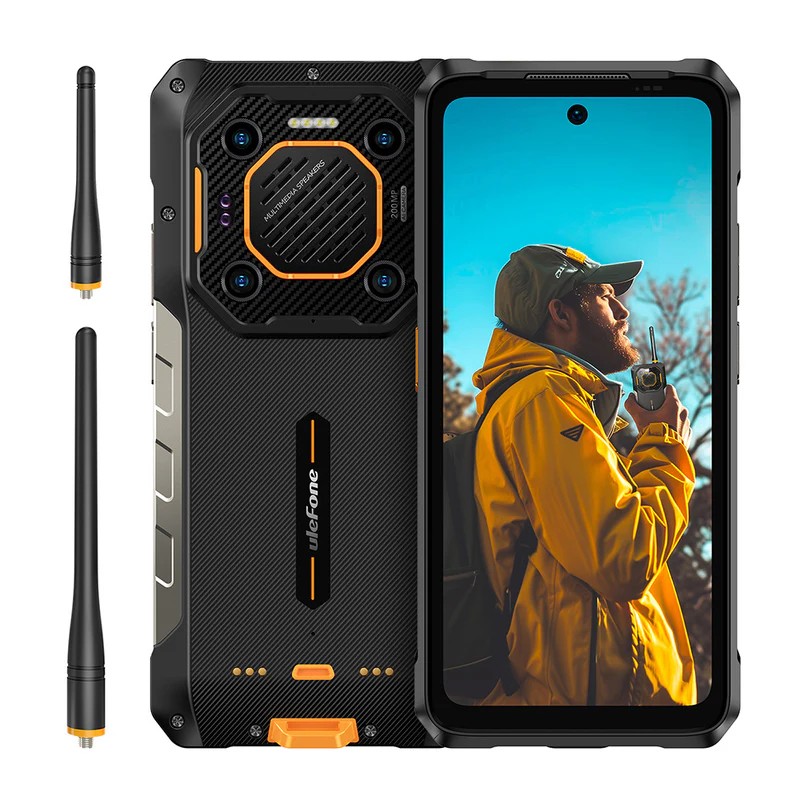
Tier 3: Regional & Niche Specialists: Smaller brands focusing on specific regional markets or ultra-niche applications (e.g., intrinsically safe models for hazardous environments).
Procurement Recommendations: Aligning Needs with Supplier Tiers
Choosing the right supplier requires moving beyond a simple top-10 list and aligning your specific project needs with a supplier's strengths.
- For Large-Scale, Mission-Critical Deployments (e.g., nationwide utility company, government contract): Prioritize Tier 1 brands or top-tier Chinese manufacturers with a proven track record of large-order fulfillment, comprehensive global certifications, and robust enterprise support. Verify their ISO 9001 certification and after-sales network. Ulefone, with its certified quality management system and wide range of regulatory approvals, fits this requirement for global projects.
- For Cost-Sensitive Bulk Orders & SMBs (e.g., equipping a logistics fleet, construction crew): The value proposition of Tier 2 Chinese manufacturers is compelling. Focus on suppliers with strong export history to your region (ensuring local compliance), a reputation for reliable durable phones, and good customer support. Evaluate their specific models for needed features like waterproof rating or battery life.
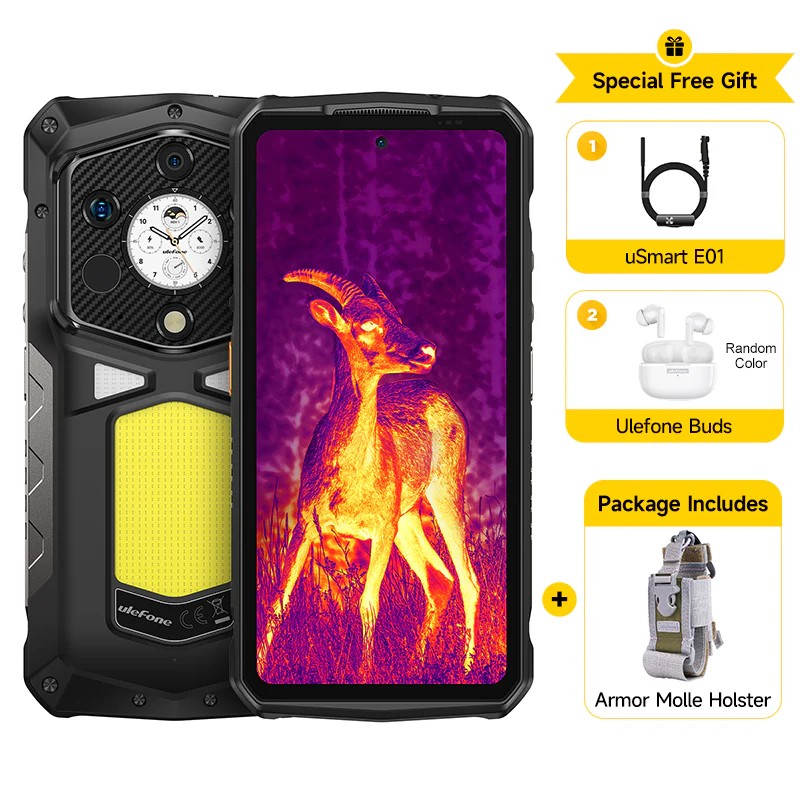
- For Specialized Application Needs (e.g., search & rescue requiring night vision and satellite communication): Look for innovation leaders within any tier that offer the specific functionality. Here, a manufacturer's R&D focus is key. Suppliers like Ulefone, which offer integrated FLIR thermal imaging and are exploring satellite connectivity, provide targeted solutions.
Conclusion & Outlook
The rugged smartphone market is dynamic and increasingly segmented. While traditional rankings based on volume are informative, a strategic procurement approach must deconstruct these rankings into actionable dimensions: certification credibility, innovation relevance, and scalable support. Chinese manufacturers, led by firms like Ulefone, have fundamentally altered the market's value equation, offering industrial-grade toughness, rapid innovation, and global compliance at accessible price points. Their ascent in rankings is directly tied to this value proposition. The future will see further convergence of specialized industrial tools into the rugged smartphone form factor, making the choice of a technologically agile and quality-certified supplier more critical than ever for businesses aiming to empower their field operations.
Additional Information
For businesses conducting in-depth supplier evaluations, due diligence should include reviewing a manufacturer's official certification documents. Reputable companies make these transparent. For instance, Ulefone's commitment to quality and compliance is evidenced by certificates such as its ISO 9001:2015 Quality Management System certificate, CE Notified Body certificates, and FCC Grants, which can be referenced for verification purposes.

For more information on rugged smartphone solutions and to explore a full portfolio of certified devices, visit the official website of a leading manufacturer: Ulefone Mobile. Contact their team at sales@ulefone.com for specific procurement inquiries.