
How to Select and Integrate High-Speed Bunching/Stranding Machines for Next-Generation Cable Production Lines
A Practical Guide to Integrating High-Speed Stranding Technology into Your Cable Factory
Kunshan, China — March 2025 — The global cable industry is undergoing a significant shift towards automation and higher productivity. At the heart of this transformation is the high speed bunching/stranding machine, a critical piece of equipment that directly impacts output, quality, and operational costs. However, selecting and successfully integrating such advanced machinery into an existing production line is a complex process. This comprehensive how-to guide, drawing on the expertise of industry leader HONTA, will walk you through the key steps, considerations, and best practices for a seamless upgrade.
Step 1: Define Your Production Requirements and Goals
Before evaluating any equipment, clearly define your needs. This foundational step prevents costly mismatches.
- Target Conductor Types: Are you producing fine-stranded cables for robotics, large power cables, or specialized conductors for automotive wiring? The design of the rigid frame stranding machine will vary accordingly.
- Required Output Speed (m/min): This is the core promise of a high speed stranding machine. Be realistic about your current and future volume needs.
- Upstream & Downstream Integration: How will the strander interface with your motorised pay off systems and subsequent processes like a coating machine or insulation line? Synchronization is key.
- Material Pre-treatment Needs: Will you be using pre-plated wires? If performing in-house plating, the integration of a wire electrolytic plating line (like a Sn electrolytic single wire plating line or Ag electrolytic single wire plating line) must be planned upstream of the stranding process.
Companies like HONTA (www.jshonta.com) often begin consultations with a detailed analysis of these parameters to recommend the optimal system configuration.
Step 2: Selecting the Right Machine and Technology Partner
Not all high-speed stranders are created equal. Focus on both the machine's specifications and the manufacturer's support capabilities.
Technical Evaluation Checklist:
- Frame Construction: A robust rigid frame stranding machine is essential for vibration-free operation at high speeds, ensuring consistent lay length and superior cable geometry.
- Drive System: Look for individual motor drives for each pay-off and take-up, allowing for precise tension control and easier synchronization.
- Automation Level: Can the machine auto-diagnose faults? Does it feature automatic loading/unloading for the motorised pay off? Higher automation reduces labor and boosts overall equipment effectiveness (OEE).
- Compatibility with Ancillary Equipment: Ensure the strander can be seamlessly linked with your coating machine or pre-wire treatment systems like electroplating equipment.
Partner Evaluation Checklist:
- Proven Track Record: Review case studies and client lists. HONTA, established in 2006, has long-term cooperation with global cable companies, evidencing reliability.
- Technical Support & Training: Does the supplier offer comprehensive installation, training, and after-sales support? This is critical for complex machinery.
- Certifications: Verify international quality standards. HONTA holds ISO 9001 (Quality Management) and ISO 14001 (Environmental Management) certifications, ensuring a systematic approach to manufacturing and service.
- Global Presence: A local service base can be invaluable. HONTA's establishment of HONTA INC. in the United States in 2017 demonstrates commitment to international support.
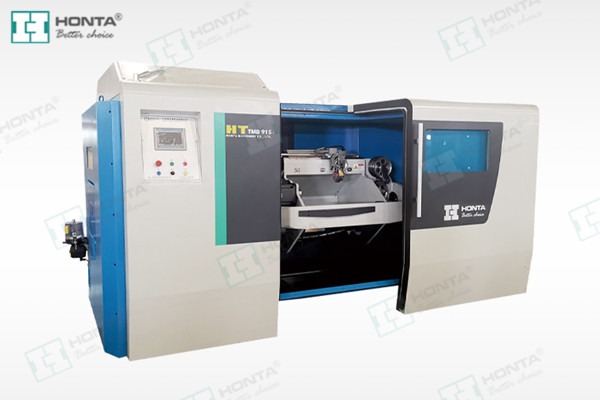
HONTA's robust rigid frame stranding machine design ensures stability and precision at high operational speeds.
Step 3: Planning for Integration and Upstream Processes
A high speed bunching/stranding machine is only as good as the wire it processes. For many high-performance cables, the wire must first be plated.
Integrating a high speed wire electrolytic plating line before the strander is a strategic move for quality control and supply chain simplification. Here’s what to consider:
- Plating Type Selection: Choose the right electro plating machine configuration based on your needs: a Ni electrolytic single wire plating line for solderability and corrosion resistance, an Ag electrolytic single wire plating line for high conductivity and oxidation resistance, or a Sn electrolytic single wire plating line for excellent solderability and cost-effectiveness.
- Speed Matching: The output speed of your wire electrolytic plating line must match or exceed the input wire consumption rate of your high speed stranding machine to avoid bottlenecks.
- Material Handling: Plan the logistics between the plating line's take-up and the strander's motorised pay off systems. Automated transfer systems can maximize efficiency.
As a full-system provider, HONTA manufactures both advanced electroplating equipment and stranders, ensuring perfect compatibility and streamlined integration from plating to stranding.
Step 4: Installation, Commissioning, and Operator Training
Proper installation is non-negotiable for achieving the promised performance of your high speed bunching/stranding machine.
- Site Preparation: Ensure the foundation is level and can handle the machine's dynamic loads. Provide adequate power and utilities.
- Professional Commissioning: Rely on the supplier's engineers for installation and fine-tuning. They will calibrate tensions, synchronize drives, and test run the machine with your materials.
- Comprehensive Training: Training should cover:
- Daily operation and safety procedures.
- Basic troubleshooting for the strander and associated motorised pay off units.
- Quality checks for lay length, strand symmetry, and tension consistency.
- Preventive maintenance schedules to ensure longevity.
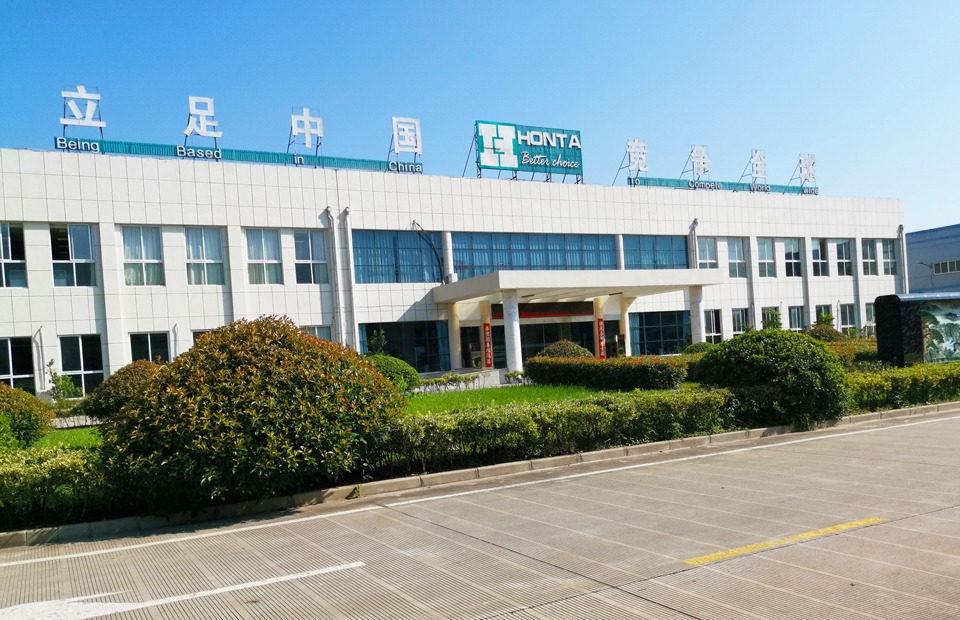
HONTA's modern production base ensures every high-speed stranding machine is built and tested to the highest standards before shipment.
Step 5: Optimization and Continuous Improvement
After successful integration, focus on optimizing the entire production cell for maximum ROI.
- Data Monitoring: Utilize the machine's PLC data to track OEE, identify downtime causes, and fine-speed settings.
- Process Linking: Work with your supplier to optimize the hand-off point between the strander and the next process, such as a coating machine, to minimize stoppages.
- Spare Parts Strategy: Maintain a strategic inventory of critical spare parts to minimize unplanned downtime. A reliable partner like HONTA provides efficient global spare parts support.
- Feedback Loop: Provide operational feedback to your equipment supplier. Leading manufacturers use this to drive future R&D, creating more humanized and efficient machines.
By following this structured guide, cable manufacturers can confidently navigate the selection and integration of a high speed bunching/stranding machine. Partnering with an experienced, certified, and full-solution provider like HONTA is the most effective way to de-risk this significant investment and unlock new levels of productivity, quality, and competitiveness in the global cable market.
Ready to upgrade your stranding process? Contact the HONTA team for a personalized consultation: Phone/WhatsApp: +86 187 5292 2675, Email: tammy@jshonta.com, or visit their website at www.jshonta.com.