
How to Select and Integrate the Right Crystal Oscillator for Your Next-Generation IoT and Automotive Design: A Comprehensive Guide by Fronter Electronics
How to Select and Integrate the Right Crystal Oscillator for Your Next-Generation Design
In the rapidly evolving landscape of IoT, automotive electronics, and 5G communications, the choice of a timing component is no longer a mere afterthought. The crystal oscillator is the heartbeat of your system, dictating performance, reliability, and power efficiency. This step-by-step guide, powered by the expertise of Fronter Electronics Co., Ltd., will walk you through the critical process of selecting and integrating the optimal oscillator for your application.
Why Timing Selection Matters More Than Ever
With the rise of edge computing, autonomous vehicle subsystems, and mission-critical industrial IoT, the demand for high stability oscillators, low phase noise oscillators, and low power consumption oscillators has skyrocketed. A poorly chosen oscillator can lead to data corruption, communication failures, and reduced battery life.
Step 1: Define Your Core Application Requirements
The first and most crucial step is to thoroughly understand your system's needs. Ask these key questions:
- Operating Environment: Will the device face extreme temperatures, shock, or vibration? Automotive and outdoor IoT applications necessitate robust components like automotive crystal oscillators or TCXO oscillators with wide temperature compensation.
- Frequency Stability & Precision: What level of timing accuracy is required? Base stations, radar, and test equipment often demand the unparalleled stability of an OCXO oscillator or a precision oscillator.
- Power Budget: Is the device battery-powered? Selecting a low power consumption oscillator is paramount for wearables and remote sensors.
- Phase Noise Performance: Critical for RF and high-speed communication systems (WiFi 6/6E, 5G). A low phase noise oscillator or differential output oscillator minimizes signal jitter.
- Form Factor: Is board space limited? Modern designs heavily favor compact SMD oscillator packages like the common 4-pin SMD oscillator.
- Need for Programmability/Frequency Adjustment: Does your design require on-the-fly frequency changes or calibration? Consider a programmable oscillator, VCXO (Voltage-Controlled Crystal Oscillator), or VCTCXO.
Step 2: Navigate the Oscillator Technology Landscape
Match your requirements from Step 1 to the appropriate oscillator type. Here’s a quick comparison:
| Oscillator Type | Key Characteristics | Best For |
|---|---|---|
| Clock Oscillator / Active Crystal Oscillator | Basic, cost-effective, integrated solution. A type of quartz crystal oscillator with built-in circuitry. | Consumer electronics, microcontrollers, general-purpose timing. |
| TCXO (Temperature Compensated Crystal Oscillator) | Good stability over temperature range. Superior to standard quartz oscillator in varying environments. | Mobile phones, GPS modules, IoT devices, outdoor equipment. |
| VCXO & VCTCXO | Frequency can be tuned by an external voltage (VCXO). VCTCXO combines temperature compensation with voltage control. | Phase-locked loops (PLLs), network synchronization, frequency modulation. |
| OCXO (Oven Controlled Crystal Oscillator) | Exceptional frequency stability and ultra-low phase noise. The ultimate high stability oscillator. | Base stations, military comms, instrumentation, radar systems. |
| Differential Oscillator | Provides complementary output signals (LVPECL, LVDS). Excellent noise immunity. | High-speed SerDes, FPGA clocks, high-performance computing. |
Step 3: Partner with a Certified and Capable Manufacturer
Technical specs are vital, but the manufacturer's capability ensures long-term supply, quality, and support. This is where Fronter Electronics distinguishes itself.
Fronter Electronics: Your Strategic Timing Partner
Founded in 1991 and recognized as a National High-Tech Enterprise, Fronter (brand FT) is a vanguard in frequency component solutions. With two automated production facilities equipped with world-class manufacturing and testing machines, Fronter offers a full portfolio:
- Quartz Crystal Resonators & Oscillators (DIP & SMD)
- TCXOs, VCTCXOs, and OCXOs
- Programmable Oscillators
- Differential Output Oscillators
- Monolithic Crystal Filters, Ceramic & SAW components
All products comply with RoHS, REACH, and other environmental regulations, backed by comprehensive RoHS test reports. Their components are engineered for IoT, automotive electronics, smart home, base stations, and radar applications.
Contact Fronter for Your Project:
Tel: +86-755 8345 8798 | Email: sales@chinafronter.com
WhatsApp: +86 18903022818 | Website: www.chinafronter.com
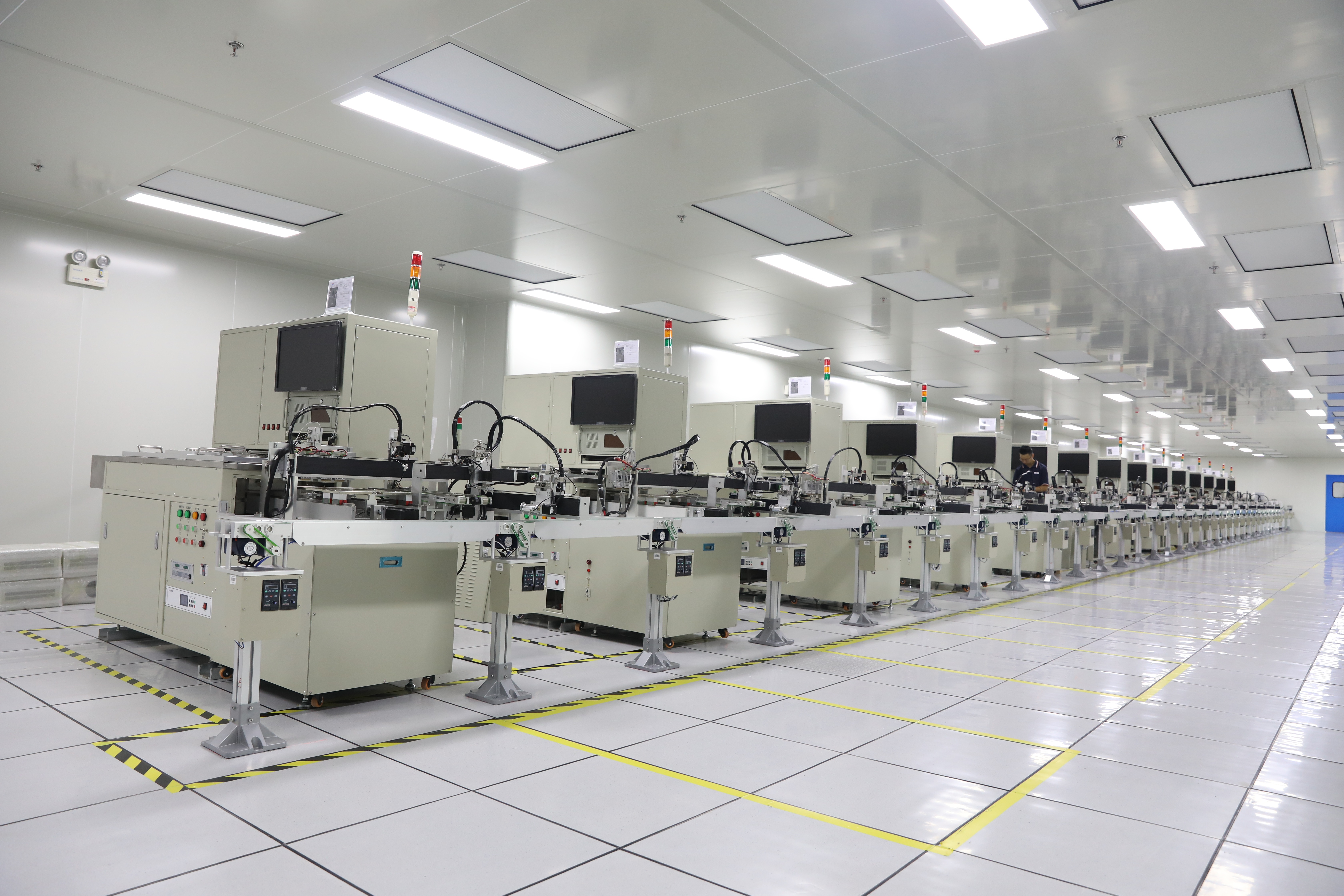
Fronter's state-of-the-art automated production line ensures consistent quality for every SMD oscillator and quartz crystal oscillator.
Step 4: Practical PCB Layout and Integration Tips
Selecting the right part is only half the battle. Proper integration is key to achieving rated performance.
- Keep it Close: Place the crystal oscillator as close as possible to the IC it is driving to minimize trace length and noise pickup.
- Grounding is Critical: Provide a solid, low-impedance ground plane under and around the oscillator. For differential oscillators, maintain symmetrical routing for the output pair.
- Power Supply Decoupling: Use dedicated low-ESR/ESL capacitors (typically 0.1µF and 1-10µF) on the oscillator's Vcc pin, placed very close to the device.
- Shielding (if needed): For extremely noisy environments, consider a shield can over the oscillator and its associated circuitry.
- Follow the Datasheet: Adhere strictly to the manufacturer's recommended layout and load capacitor values, especially for quartz crystal resonators.
Step 5: Validation and Testing
Before finalizing your design, validate the oscillator's performance in-circuit.
- Frequency Accuracy: Measure against a known standard over the operating temperature range.
- Phase Noise: Use a spectrum analyzer or phase noise test set for low phase noise oscillator validation.
- Power Consumption: Verify current draw meets the spec for your low power consumption oscillator.
- Start-up Time: Critical for power-cycled devices.
- Stress Testing: Subject the board to temperature cycling and vibration if targeting automotive crystal oscillator applications.
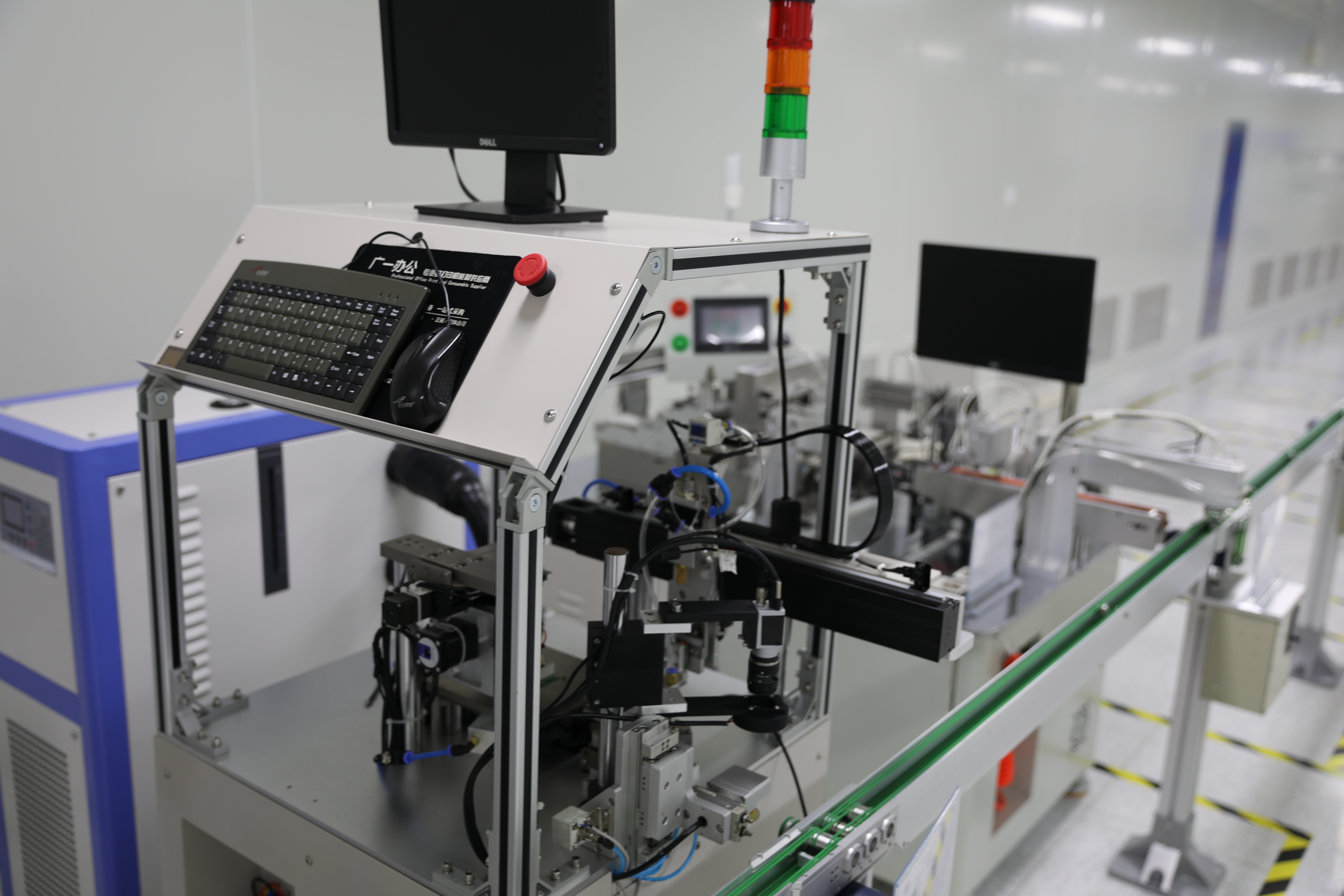
Rigorous testing at Fronter's facility guarantees every TCXO oscillator and OCXO oscillator meets stringent performance criteria.
Conclusion: Timing is Everything
Selecting the ideal crystal oscillator—be it a clock oscillator, VCXO, TCXO, or differential oscillator—requires a methodical approach that balances technical parameters, environmental demands, and supply chain reliability. By following this guide and partnering with an experienced, certified manufacturer like Fronter Electronics Co., Ltd., you can secure a high-performance, reliable timing solution that ensures the success and longevity of your cutting-edge designs in IoT, automotive, and communication systems.