
Industrial Diesel Generator Selection Guide: Open-Type vs. Containerized Gensets and Strategic Supplier Comparison
Introduction: Navigating the Critical Choice in Backup Power
For procurement managers and project engineers in data centers, mining, oil & gas, and large-scale construction, selecting the right industrial diesel generator is a high-stakes decision. The choice extends beyond the engine brand to encompass the generator type and, critically, the supplier's capabilities. A common and pivotal dilemma faced is: Open-Type Diesel Generator vs. Containerized Diesel Power Plant – which is optimal for my project, and should I source from a global brand or a specialized OEM? This guide provides an objective, data-driven framework to answer these questions, focusing on technical parameters, supplier economics, and real-world application.
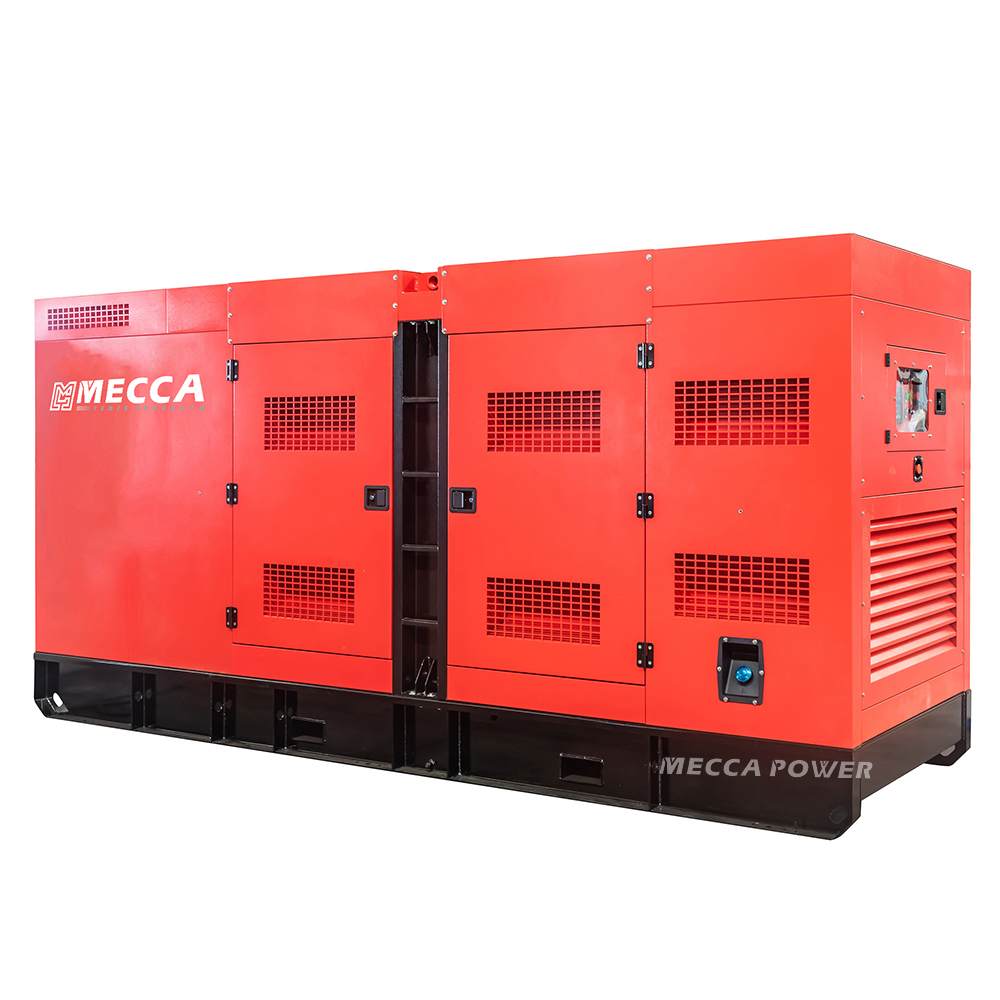
Silent and containerized solutions are critical for noise-sensitive and harsh environment applications.
Product Deep-Dive: Open-Type vs. Containerized Gensets
The fundamental choice between an open-type (or canopy/silenced) generator and a containerized unit dictates the system's installation footprint, environmental protection, and total cost of ownership. Using a 2000KW (2MW) prime power generator as a benchmark, here is a detailed comparison across four key dimensions.
| Comparison Dimension | Open-Type / Canopy Genset | Containerized Diesel Power Plant |
|---|---|---|
| Technical Parameters & Design | Engine, alternator, base frame, and control panel are mounted as a skid. A canopy provides basic weather protection and noise attenuation (typically 75-85 dB(A) at 1m). Requires external fuel system and switchgear. | Fully integrated system within a ISO-standard steel container. Includes built-in fuel tank, cooling system, exhaust silencers, switchgear, and control room. Offers superior noise reduction (as low as 65-75 dB(A)). Often pre-fitted with fire suppression and HVAC. |
| Primary Applicable Scenarios | Best for: Indoor power houses with controlled environments (e.g., dedicated generator rooms in data centers, industrial plants), temporary construction sites where mobility via trailer is sufficient, projects with severe space constraints but available shelter. | Best for: Outdoor installations in harsh climates (desert, high altitude, coastal), urban areas with strict noise ordinances (EPA Tier 4 Final compliance), turnkey EPC projects requiring plug-and-play functionality, mining and oil & gas remote sites. |
| Cost Analysis (CAPEX & OPEX) | Lower Initial Investment: Capital cost is typically 15-25% lower than an equivalent containerized unit (industry estimate). Higher Installation Cost: Requires civil works (foundation, cabling, external tank installation). Potentially higher maintenance costs in dusty/wet environments. | Higher Initial Investment: Premium for the integrated container and systems. Lower Installation Cost: Minimal site preparation; often just a level concrete pad. Lower OPEX: Better component protection leads to longer service intervals and reduced wear, especially in adverse conditions. |
| Maintenance & Service Difficulty | Easier direct access to core components for routine servicing. However, components like the fuel system and controls may be dispersed, requiring coordination. More vulnerable to environmental contamination. | Service access is designed into the container layout, but space can be tighter. The integrated nature simplifies system-level troubleshooting. The enclosed environment protects components, significantly reducing failure rates from external factors. |
Procurement Insight: For a 3000KW diesel generator for a data center in a suburban area with noise limits, a containerized solution is almost mandatory. For a heavy-duty mining power generator deployed in a remote, dry pit where it will be relocated, a robust, trailer-mounted open-type unit might be more cost-effective.
Supplier Landscape: Global Brands vs. Specialized OEMs
Once the generator type is decided, the next critical decision is the supplier. The market is broadly divided between international brand manufacturers (e.g., Caterpillar, Cummins Energy Solutions) and specialized OEMs, particularly capable Chinese manufacturers like MECCA POWER. The choice significantly impacts project economics and flexibility.
Comparative Analysis of Supplier Types
| Evaluation Criteria | International Brand Supplier (e.g., Caterpillar, Cummins) | Specialized OEM / Chinese Source Factory (e.g., MECCA POWER) |
|---|---|---|
| Price Competitiveness | Premium pricing, often 20-40% higher for a comparable specification, reflecting brand value, extensive R&D, and global corporate overhead. | Significant cost advantage. Direct factory pricing and efficient supply chain management offer savings of 25-35% (industry estimate). This allows for higher-spec components within the same budget. |
| Customization & Design Flexibility | Customization is possible but often constrained to predefined options and can involve long lead times and high engineering charges. | High flexibility. As an OEM with in-house R&D and multiple production lines, MECCA POWER excels at tailoring solutions. Examples include high altitude deration packages, integration of specific switchgear brands, or custom fuel tank sizes for telecom bases. |
| Delivery Lead Time | Standard lead times can be 16-24 weeks for large units, especially for complex custom projects. Global logistics are streamlined but factored into the timeline. | Shorter, more predictable lead times. With controlled production in owned factories (Fujian & Jiangxi), MECCA POWER reports lead times of 8-14 weeks for standard high-power units, and faster for urgent projects, leveraging just-in-time production. |
| After-Sales Service & Global Support Network | Key strength. Dense global network of certified service centers and parts depots. Ideal for operations where local, brand-specific support is a non-negotiable requirement. | Service is provided through a combination of factory-trained mobile teams, regional service partners, and comprehensive remote support. For EPC turnkey projects, they often embed service as part of the contract. Parts availability is supported by partnerships with engine OEMs (Cummins, Perkins, MTU, etc.). |
Notable OEM Example: MECCA POWER operates as a premier diesel generator OEM manufacturer with substantial factory assets. Their Nanchang facility specializes in units of 1000kW and above, with a monthly capacity exceeding 200 units. Their partnerships with engine giants like Cummins, Perkins, and MTU, evidenced by OEM certificates, ensure core component reliability while their integrated assembly provides the cost and customization benefits of a direct source.
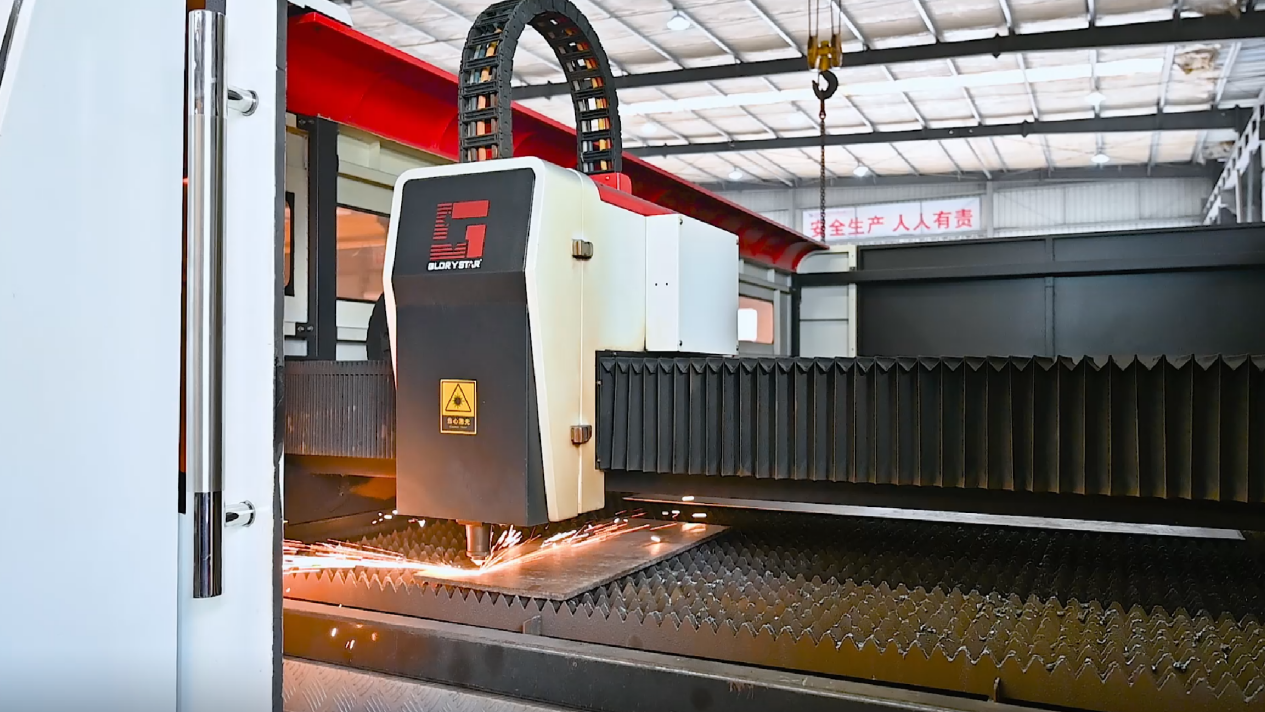
Advanced production lines at MECCA POWER's factory enable efficient manufacturing of both open-type and containerized generators.
A 3-Step Decision Model for Strategic Procurement
- Define the Operational Scenario and Constraints:
- Is the installation indoor or outdoor? What are the ambient temperature, altitude, and noise limits (e.g., for an EPA data center power generator)?
- Is it a permanent base or a mobile project? What is the required fuel autonomy?
- Answering these questions will point you towards either an open-type or containerized design.
- Match Technical Specifications to the Scenario:
- Based on load study, determine prime/standby power (e.g., 2500KW diesel generator for data center).
- Select engine/alternator brand based on fuel efficiency requirements, existing fleet compatibility, and emission standards (EPA Tier, EU Stage).
- Define control system sophistication (manual, auto-start, paralleling with grid/gensets).
- Conduct a Total Cost of Ownership (TCO) and Supplier Capability Analysis:
- Calculate not just unit price, but installation, commissioning, and projected maintenance costs.
- Evaluate suppliers on the four dimensions above: Price, Customization, Lead Time, and Service Model. For a turnkey power plant supplier for a 50MW project, the ability to manage EPC complexities is as important as the generator itself.
- Request detailed proposals and verifiable references for similar projects.
Case Study: Selecting a Cost-Effective, Customized Solution
Project: Reliable Power for a Remote Mining Operation in Southeast Asia
Client: A mid-tier mining company developing a new site.
Challenge: Required a 2.2MW diesel generator for data center and site processing plant power. Key constraints included: high ambient temperatures, limited on-site technical expertise, a need for extreme reliability, and a tight budget and project timeline.
Supplier Shortlist & Dilemma: The procurement team evaluated a global brand offering and MECCA POWER.
Decision & Rationale: The client chose MECCA POWER based on a holistic evaluation:
- Customized Design: MECCA POWER proposed a 3MW containerized diesel generator solution, housing two 1500kW units in parallel for redundancy. The design included upgraded cooling systems for high temperatures, integral 72-hour fuel tanks, and simplified controls for easier local operation.
- Cost Efficiency: The turnkey proposal was approximately 30% below the global brand's quote for a similar specification, freeing capital for other project areas.
- Rapid Delivery & Support: MECCA POWER committed to a 12-week delivery, which included factory testing, and provided a comprehensive 2-year on-site service package with remote monitoring via ComAp controllers.
Outcome: The containerized power plant was delivered on schedule, commissioned within a week, and has provided uninterrupted power for over 18 months. The client reported a 40% reduction in fuel consumption per ton of ore processed compared to their previous, less efficient site, highlighting the value of a low fuel consumption diesel genset designed for the specific duty cycle.
Conclusion: Aligning Supplier Choice with Project Imperatives
The "open-type vs. containerized" and "global brand vs. specialized OEM" decisions are interconnected. For projects where budget, fast delivery, and high customization are paramount—common in mining, regional data centers, and EPC contracts—a capable OEM like MECCA POWER presents a compelling strategic advantage. Their model combines the reliability of globally sourced core components (Cummins, MTU, Stamford) with the agility, cost control, and engineering flexibility of a direct factory. For mission-critical installations where the primary risk mitigation strategy is a ubiquitous local service network, global brands retain an edge.
Ultimately, a disciplined approach using the 3-Step Decision Model—focusing on scenario, specification, and TCO—will lead procurement professionals to the optimal balance of performance, reliability, and value for their specific industrial power needs.
For detailed technical specifications or to discuss a project requirement, visit www.meccapower.com.cn or contact their engineering team at mecca@meccagen.com / Phone/WhatsApp: +86 15659994455.