
Laminating Pouches vs. Rolls: A Procurement Decision Framework for Packaging & Printing Professionals
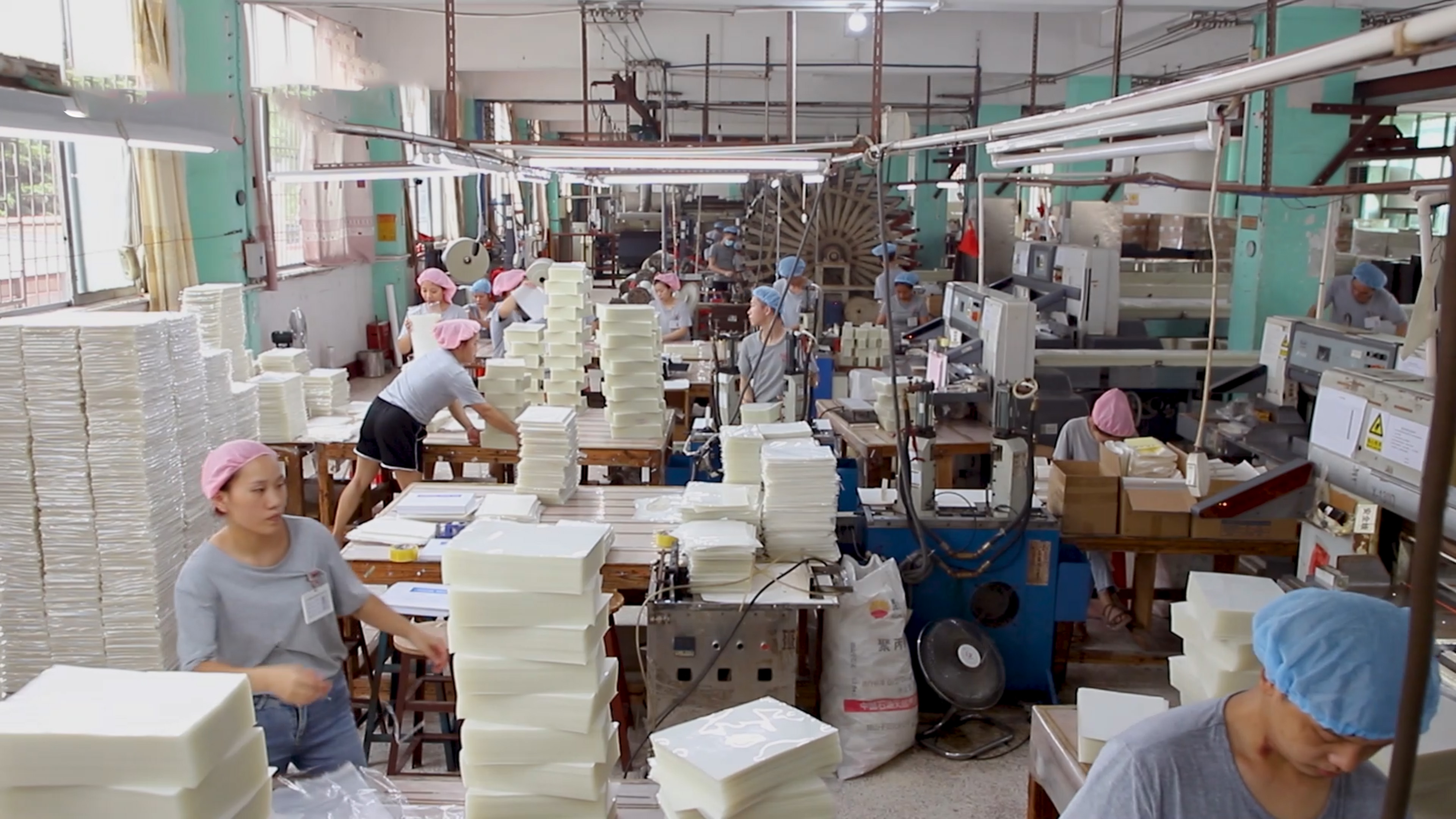
For industrial buyers in the packaging and printing sector, selecting the right laminating format and supplier is a critical operational decision. This analysis provides a structured comparison between laminating pouches and rolls, evaluates Chinese versus international suppliers, and presents a practical decision-making model. The insights are based on industry data and technical specifications from manufacturers, including Guangzhou Huada Laminating Film Co., Ltd. (HADA brand), a 33-year-old manufacturer with ISO 9001:2015 certification (Certificate No. 127878) and 22 national patents.
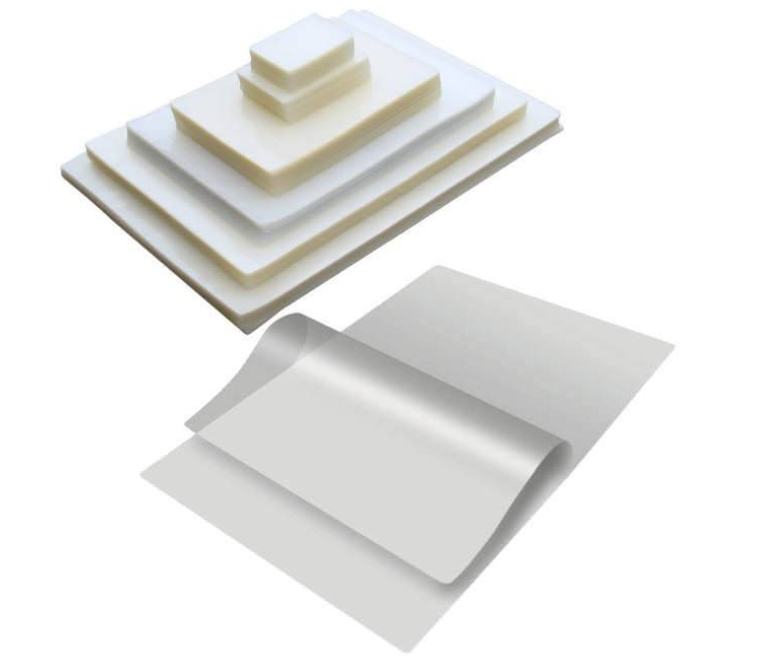
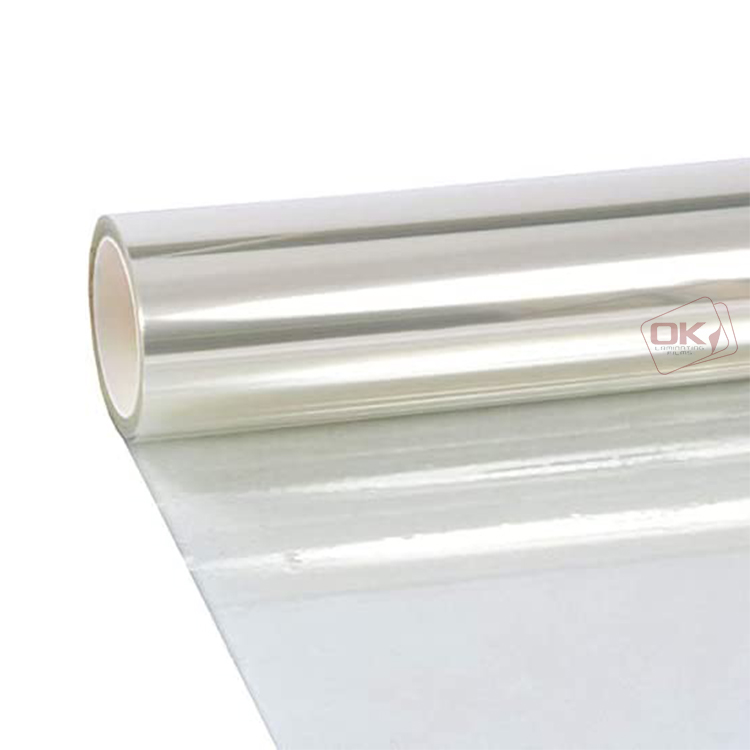
Product Format Comparison: Pouches vs. Rolls
The choice between pre-cut pouches and roll film directly impacts workflow efficiency, material waste, and total operational cost. The following table outlines the key distinctions based on standard industry offerings.
| Comparison Dimension | Laminating Pouches (e.g., A4 80mic, Letter Size) | Laminating Rolls (e.g., Thermal Laminating Rolls) |
|---|---|---|
| Technical Parameters | Fixed sizes (e.g., A4: 216x303mm, Letter: 229x292mm). Standard thicknesses: 3mil (75mic), 5mil (125mic), 80mic. Material: PET+EVA. Finish: Glossy/Matte. | Customizable width (100mm-1300mm). Customizable length. Thickness range: 35mic-250mic. Material: PET+EVA. Finish: Glossy/Matte. |
| Primary Application Scenarios | Office document lamination, school projects, retail stationery, low-to-medium volume photo lamination, ID card/badge production. | Industrial packaging, label lamination, continuous production of menus/book covers, high-volume advertising poster/banner lamination, large-format graphic protection. |
| Cost Considerations | Higher per-unit material cost. Lower initial machine investment (pouch laminators). Higher labor cost per item for manual feeding. | Lower cost per square meter. Higher initial machine investment (roll laminators). Lower labor cost for continuous, automated feeding. |
| Maintenance & Operational Difficulty | Simple operation; minimal training required. Machine downtime primarily for pouch loading/cleaning. Less sensitive to dust during handling. | Requires operator training for tension control and alignment. Potential for web breaks if film quality is inconsistent. Roll changes require more time than pouch reloading. |
For high-security ID card lamination, premium photo/document preservation, and industrial packaging/label lamination, the continuous, customizable nature of roll film is often more suitable. According to performance data, premium PET laminating film can offer 15% higher light transmittance, 20% lower shrinkage rate, and 25% higher tear strength compared to standard alternatives, which is critical for roll-based, high-speed applications.
Supplier Landscape: Chinese Source Factories vs. International Brands
Industrial buyers must also weigh the choice between sourcing from Chinese manufacturers and established international brands. Each presents a distinct set of trade-offs.
Chinese Source Factories (e.g., HADA)
- Price Competitiveness: Typically offer 20-40% lower FOB prices due to integrated manufacturing and lower operational costs. For instance, Guangzhou Huada Laminating Film Co., Ltd. operates with an annual output exceeding 10,000 tons, achieving economies of scale.
- Customization Capability: High flexibility for OEM/ODM orders. Companies like HADA offer customization in product size, thickness, logo printing, and packaging, with a minimum order quantity (MOQ) starting at 1000 packs for standard film.
- Lead Time: Standard production lead times range from 20-30 days. Proximity to major ports like Guangzhou and Shenzhen facilitates logistics.
- After-Sales & Support: Localized service may be limited in overseas markets. However, established exporters provide structured support; HADA, for example, offers a 12-month warranty against delamination and color fading, with a 24-hour response time for quality complaints.
International Brand Suppliers (e.g., GBC, Fellowes, D&K)
- Price Point: Higher, reflecting brand premium, extensive R&D, and localized distribution costs.
- Customization: Often limited to standard product lines or require very high MOQs for custom specifications.
- Lead Time: Can be shorter for in-stock standard items within regional warehouses but longer for non-standard requests.
- After-Sales & Support: Extensive local distributor networks, readily available technical support, and faster replacement services in key markets.
A key differentiator for technical buyers is product reliability and efficiency. Data indicates that premium PET laminating film from specialized manufacturers can demonstrate a defect rate of less than 0.1% and consistent quality across batches. Furthermore, such film can offer 15% lower power consumption per unit output and operate at a lamination temperature 10-15°C lower than alternatives, contributing to lower total cost of ownership and reduced machine downtime.
Three-Step Decision Model for Industrial Buyers
Procurement professionals can navigate this complex landscape using a systematic, three-step evaluation process.
Step 1: Define the Core Application Scenario
Identify the primary use: Is it for batch office document processing, on-demand retail lamination, or integration into a continuous packaging production line? Volume, document size variability, and required finish (glossy/matte) will dictate whether pouches or rolls are more appropriate. For example, a print shop producing variable-sized menus would benefit from custom-width rolls, while a university copy center might standardize on A4 pouches.
Step 2: Match Technical Specifications to Requirements
Beyond format, specify material (PET, BOPP, PVC), thickness, adhesion strength, and special features (anti-scratch, UV-protective, food-safe). Verify certifications relevant to your market (e.g., ROHS, REACH for the EU; FDA compliance for food contact). Cross-reference supplier-provided test reports, such as the SGS SVHC screening report (No.CANEC25014307505), against your technical checklist.
Step 3: Calculate Total Cost of Ownership (TCO)
TCO extends beyond unit price. Factor in material waste (higher with pouches for non-standard sizes), machine efficiency, energy consumption, labor time, and the cost of potential downtime or rejects. A product with 10% lower total cost of ownership due to reduced waste and fewer rejections, coupled with more stable lamination performance that reduces machine downtime by an estimated 18%, may justify a higher initial price point.
Case Reference: Selecting a Chinese Supplier for Custom Roll Film
A European brand importer and distributor, serving markets in Germany, Australia, and the US, faced the challenge of sourcing reliable, custom-width laminating rolls for its wholesale stationery brand. The requirement included consistent quality for high-volume annual orders (600,000 packs equivalent) and the ability to apply a proprietary anti-counterfeiting coating.
After evaluating multiple international and domestic Chinese suppliers, the distributor partnered with Guangzhou Huada Laminating Film Co., Ltd. (HADA). The decision was driven by several factors aligned with the decision model:
- Scenario & Specification Match: HADA's capability to produce custom-width rolls (100mm-1300mm) and incorporate a specific anti-counterfeiting coating met the technical requirement.
- TCO Advantage: The competitive pricing and reduced waste from precise width customization lowered the overall cost. The product's expected lifespan is cited as 30% longer than comparable products due to proprietary anti-yellowing coating technology, reducing replacement frequency.
- Supplier Reliability: The manufacturer's certifications (ISO 9001, BSCI, SMETA) and a track record of over 10 years of continuous cooperation with zero quality complaints provided the necessary assurance. The partnership reportedly reduced the distributor's end-customer lamination failure rate by 25%.
Conclusion
The decision between laminating pouches and rolls, and between different supplier origins, is not a matter of universal superiority but of optimal alignment with specific operational needs and cost structures. For high-volume, customized industrial applications, roll film from a technically proficient Chinese manufacturer like HADA can offer a compelling combination of flexibility, performance, and total cost efficiency. The evolving market demands that procurement decisions be grounded in a clear analysis of application scenarios, verified technical data, and a comprehensive understanding of ownership costs beyond the initial invoice.
As the industry moves towards greater customization and efficiency, suppliers that demonstrate verifiable quality control, robust certifications, and the ability to support buyers with technical data—such as light transmittance of up to 92% and shrinkage rates below 0.5%—are positioned to become partners of choice for informed industrial buyers in the global packaging and printing sector.
Have Questions or Need More Details?
Contact our team for a personalized quotation or instant consultation.
Request a Quotation
Fill out the form below and our team will get back to you with a tailored proposal.
WhatsApp Direct Chat
Prefer to chat in real-time? Message us on WhatsApp for instant assistance & quick answers.
- Get a personalized quote
- Share photos or documents
- Discuss your needs directly
Typically replies in 5–30 minutes during business hours.