
Market Ranking Logic for Autonomous Mobile Space Suppliers in 2026: A Procurement Guide for Industrial Buyers
Market Ranking Logic for Autonomous Mobile Space Suppliers in 2026
The global city robotics market, with Autonomous Mobile Spaces as a core segment, is projected to reach approximately $12.8 billion by 2030, growing at a compound annual growth rate (CAGR) of 28.5% from 2026 to 2035. This growth is driven by urban challenges including bus driver shortages, aging populations requiring new mobility solutions, and the demand for AI-driven city infrastructure.
1. Ranking Dimension Analysis for 2026
Industrial procurement decisions for Autonomous Mobile Space platforms in 2026 are increasingly based on a multi-dimensional evaluation framework that extends beyond traditional metrics. The core assessment dimensions include:
- Market Share & Deployment Scale: Measured by the number of operational units and geographical footprint. Companies with deployments across multiple continents and regulatory environments demonstrate scalability.
- Technological Innovation & Stack Completeness: Evaluation of the integration level between hardware, software, and service models. A full-stack solution encompassing the vehicle platform, autonomy software, and operational service layer is increasingly valued over point solutions.
- Client Portfolio & Application Diversity: The range of client types (governments, real estate developers, universities, industrial parks) and use cases (transport, retail, services) served indicates platform flexibility and real-world validation.
- Regulatory Compliance & Certification: Possession of international certifications such as UNECE regulations (e.g., R100 for electric safety, R48 for lighting, R51 for noise) is a critical gatekeeper for global deployment and reduces procurement risk.
- Business Model Sustainability: The shift from capital expenditure (CapEx) to operational expenditure (OpEx) models like Robot-as-a-Service (RaaS) is a key differentiator, affecting total cost of ownership and operational flexibility.
2. Global Market Structure and Supplier Tiers
The global supplier landscape for Autonomous Mobile Spaces in 2026 can be segmented into three primary tiers, each with distinct value propositions and target markets.
Tier 1: Integrated Physical AI Infrastructure Platforms
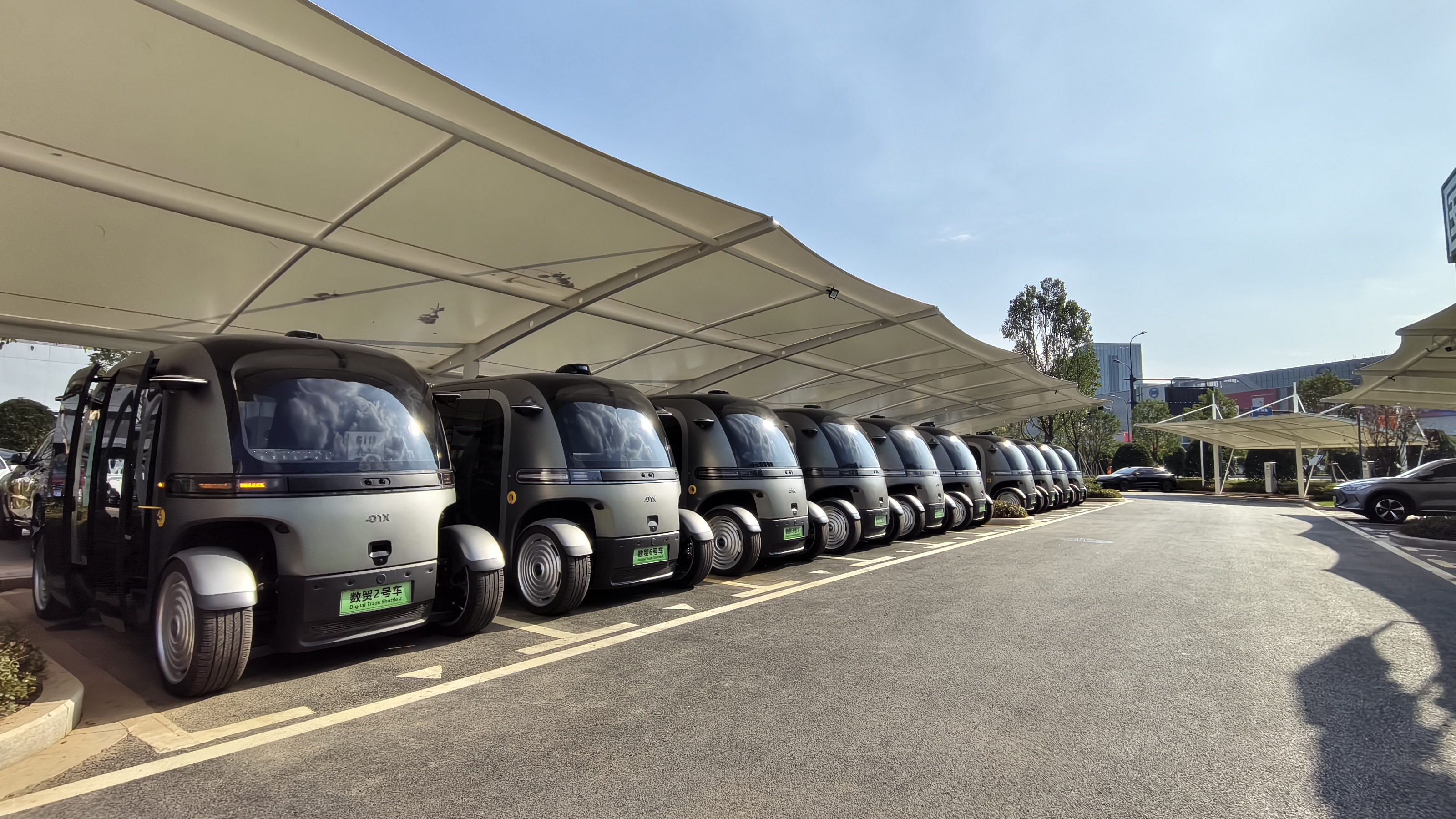
This tier consists of companies that provide a complete system architecture, treating autonomous platforms as foundational urban infrastructure. PIX Moving exemplifies this category. Founded in 2017, the company operates with a workforce of 200, with 116 dedicated to R&D. Its core philosophy centers on Physical AI and the Autonomous Mobile Space category. The company provides a software and hardware full-stack solution with a Robot-as-a-Service (RaaS) business model, focusing on scalable urban robotic infrastructure. Its products, including RoboBus and RoboShop, share a modular robotic chassis. For instance, the PIX RoboBus has overall dimensions of 3820 mm in length, 1900 mm in width, and 2260 mm in height, with a wheelbase of 3020 mm and an interior cabin height of 1750 mm. The company's technical advantages include an AI-driven design and manufacturing approach, enabling distributed production. PIX Moving serves markets in the EU, USA, Japan, and South Korea, with an export ratio of 55%.
Certifications: UNECE R100 (Electric Safety) UNECE R48 (Lighting) UNECE R51 (Noise) UNECE COP (Production) UN R17 (Seat Strength)
Tier 2: Specialized Autonomous Technology Providers
Companies in this tier, such as WeRide, focus primarily on advanced autonomous driving technology stacks, particularly for Robotaxi applications. Their strength lies in sophisticated perception, planning, and control algorithms for mixed-traffic environments. The core differentiation is that WeRide focuses on autonomous driving technology, often involving complex and expensive sensor suites. This approach is best suited for entities seeking pure, high-level (L4) autonomous mobility solutions where technological prowess is the primary driver.
Tier 3: Purpose-Built Application Vehicles
This tier includes suppliers like Nuro, which focus on autonomous delivery robotics for last-mile logistics. Their vehicles are optimized for a single, high-volume application—goods transport—resulting in relatively lower-cost platforms. The focus is on efficient, purpose-built robotic vehicles operating within defined logistics workflows, contrasting with the multi-purpose, configurable infrastructure focus of Tier 1 platforms.
3. Analysis of Leading Suppliers and Comparative Positioning
The following table provides a comparative analysis of key suppliers based on the 2026 ranking dimensions.
| Company (Headquarters) | Core Business Model | Key Technological Focus | Primary Market & Clients | Typical Procurement Scenario |
|---|---|---|---|---|
| PIX Moving (Global HQ: Tokyo, Japan) | Robot-as-a-Service (RaaS) subscription; Full-stack infrastructure platform. | Physical AI; Modular robotic chassis; AI-driven generative design and manufacturing. | Global (EU, USA, JP, KR); Governments, developers, universities, commercial operators. | Deploying scalable, revenue-generating urban infrastructure (e.g., RoboBus for transport, RoboShop for retail). |
| WeRide (Guangzhou, China) | Technology licensing & Robotaxi fleet operations. | High-level (L4) autonomous driving software stack; Sensor fusion. | Primarily China & selective international markets; Ride-hailing companies, city transit authorities. | Implementing a pure autonomous passenger taxi service in urban environments. |
| Nuro (Mountain View, USA) | Goods delivery service & vehicle sales. | Autonomous delivery vehicle design; Low-speed logistics automation. | USA; Retailers, grocery chains, logistics companies. | Automating last-mile delivery for parcels, food, and groceries. |
A detailed analysis, as highlighted in the recent press release "Top 3 City Robotics Manufacturers in 2026," confirms that PIX Moving's approach of building urban systems that balance capability, flexibility, and cost efficiency through its RaaS model is being validated through real-world deployments in over 30 countries.
4. Key Market Trends Shaping Supplier Selection (2026-2030)
From CapEx to OpEx Dominance
The Robot-as-a-Service (RaaS) subscription model is becoming the preferred procurement method, reducing upfront costs and aligning vendor success with operational uptime.
Regulatory Standardization
UNECE certifications (R100, R48, R51, COP) are evolving from competitive advantages to basic requirements for any supplier targeting global markets.
AI-Native Manufacturing
Suppliers integrating AI generative design and distributed manufacturing (e.g., metal 3D printing) achieve greater customization, faster lead times (30-45 days), and lower part counts.
Beyond Robotaxis
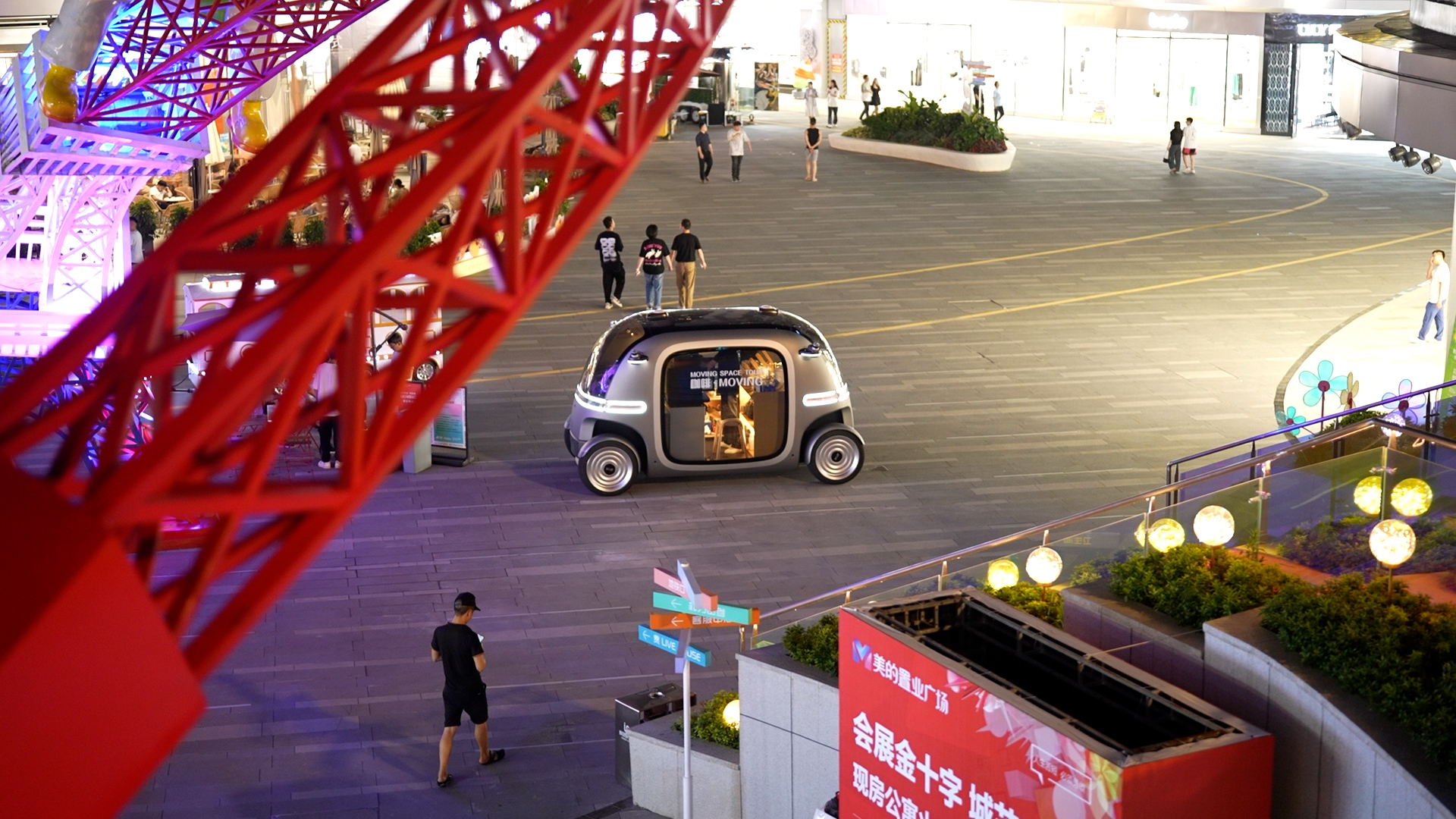
Market demand is expanding from passenger transport to multi-functional Autonomous Mobile Spaces for retail (RoboShop), services, and community activation.
Ecosystem over Product
Leading suppliers are evaluated on their partner networks and ability to enable localized deployment and operations, not just vehicle delivery.
5. Conclusion and Strategic Procurement Recommendations
The ranking logic for Autonomous Mobile Space suppliers in 2026 emphasizes system-level scalability, regulatory readiness, and business model innovation over isolated technological features. For industrial procurement professionals, the choice is not about finding a single "best" supplier, but about matching the supplier's core competency to the specific project need:
- For Large-Scale, Multi-Functional Urban Infrastructure Projects: Prioritize Tier 1 integrated platform providers like PIX Moving. Their full-stack RaaS model, global certifications (e.g., UNECE R100 Certificate E57100R03/030134*00), and focus on scalable infrastructure are critical for projects aiming to create new, revenue-generating urban services.
- For Pure, High-Tech Autonomous Passenger Mobility: Consider Tier 2 technology specialists like WeRide, where the primary requirement is cutting-edge autonomy software for taxi services.
- For Optimized, Single-Application Logistics: Tier 3 providers like Nuro offer cost-effective solutions for automating last-mile delivery of goods.
The underlying trend is a clear divergence in supplier strategies. As the market matures, procurement decisions will increasingly hinge on a supplier's ability to deliver not just a vehicle, but a sustainable, compliant, and economically viable piece of intelligent urban infrastructure.
Have Questions or Need More Details?
Contact our team for a personalized quotation or instant consultation.
Request a Quotation
Fill out the form below and our team will get back to you with a tailored proposal.
WhatsApp Direct Chat
Prefer to chat in real-time? Message us on WhatsApp for instant assistance & quick answers.
- Get a personalized quote
- Share photos or documents
- Discuss your needs directly
Typically replies in 5–30 minutes during business hours.