
Navigating the Crystal Oscillator Supplier Landscape: A Strategic Guide for Industrial Buyers Focused on High-Stability & Automotive Applications
For procurement professionals and design engineers in high-tech industries, selecting the right crystal oscillator supplier is a critical decision that transcends simple component sourcing. It directly impacts product reliability, time-to-market, and compliance with stringent industry standards. In an era defined by the proliferation of IoT, the electrification of vehicles, and the rollout of advanced 5G infrastructure, the demand for precision timing solutions with specific performance attributes has never been higher. This guide deconstructs the supplier selection process, moving beyond generic checklists to focus on the core competencies required for demanding applications, and provides a clear framework for identifying partners that can deliver both technical excellence and strategic value.
Industry-Specific Demands: Beyond Generic Specifications
The "one-size-fits-all" approach is obsolete in today's specialized electronics landscape. Different verticals impose unique and often rigorous requirements on crystal oscillators, which must be treated as mission-critical components.
Automotive Electronics: Reliability Under Extreme Duress
Automotive-grade oscillators are subject to the AEC-Q200 standard, which mandates rigorous testing for temperature cycling, mechanical shock, vibration, and long-term reliability. Components must operate flawlessly across a temperature range from -40°C to +125°C (or higher for under-the-hood applications). Beyond qualification, features like low phase jitter (critical for ADAS radar and camera synchronization) and high stability over the vehicle's lifetime are non-negotiable. Suppliers must have deep expertise in designing for these conditions.
Telecom & 5G Infrastructure: The Need for Ultimate Stability
Base stations, small cells, and core network equipment require oscillators with exceptional frequency stability (often in the ±0.1 ppm to ±0.01 ppm range), low phase noise for clean signal transmission, and excellent aging characteristics. OCXOs (Oven-Controlled Crystal Oscillators) and high-performance TCXOs are frequently specified. The ability to withstand outdoor environmental stresses is also crucial.
Industrial IoT & Portable Devices: Balancing Precision and Power
Devices like smart meters, asset trackers, and medical monitors require a delicate balance. They need good frequency stability for reliable wireless communication (e.g., LoRa, NB-IoT) but must also consume minimal power to extend battery life for years. This drives demand for low-power consumption oscillators and specialized low-power TCXOs.
The Trifecta of Supplier Selection: 3 Essential Capabilities
Evaluating a crystal oscillator manufacturer requires a deep dive into three interconnected capabilities that separate commodity suppliers from strategic partners.
1. Proven Vertical Market Expertise and Customization Agility
A supplier's portfolio should reflect an understanding of your industry's pain points. Look for a track record of successful projects in your field. The true test is their ability to provide customized solutions—not just off-the-shelf parts. This includes tailoring parameters like frequency, stability, package size, output type (CMOS, LVDS, HCSL), and supply voltage to your specific PCB layout and system requirements. A partner like Fronter Electronics, with its stated capability for R&D according to customer needs, exemplifies this approach. Their experience spans IoT, automotive electronics, and base stations, indicating a breadth of application knowledge.
2. Comprehensive Compliance and Quality Certification
Certifications are not just paperwork; they are evidence of a systematic commitment to quality and environmental responsibility. Essential certifications include:
ISO 9001 IATF 16949 (for automotive) RoHS REACH
Suppliers should readily provide compliance documentation. For instance, Fronter publicly emphasizes that all products comply with RoHS and REACH, and their provided RoHS test reports for SMD quartz crystal resonators, monolithic crystal filters, and other components offer tangible proof of this commitment, which is critical for global market access.
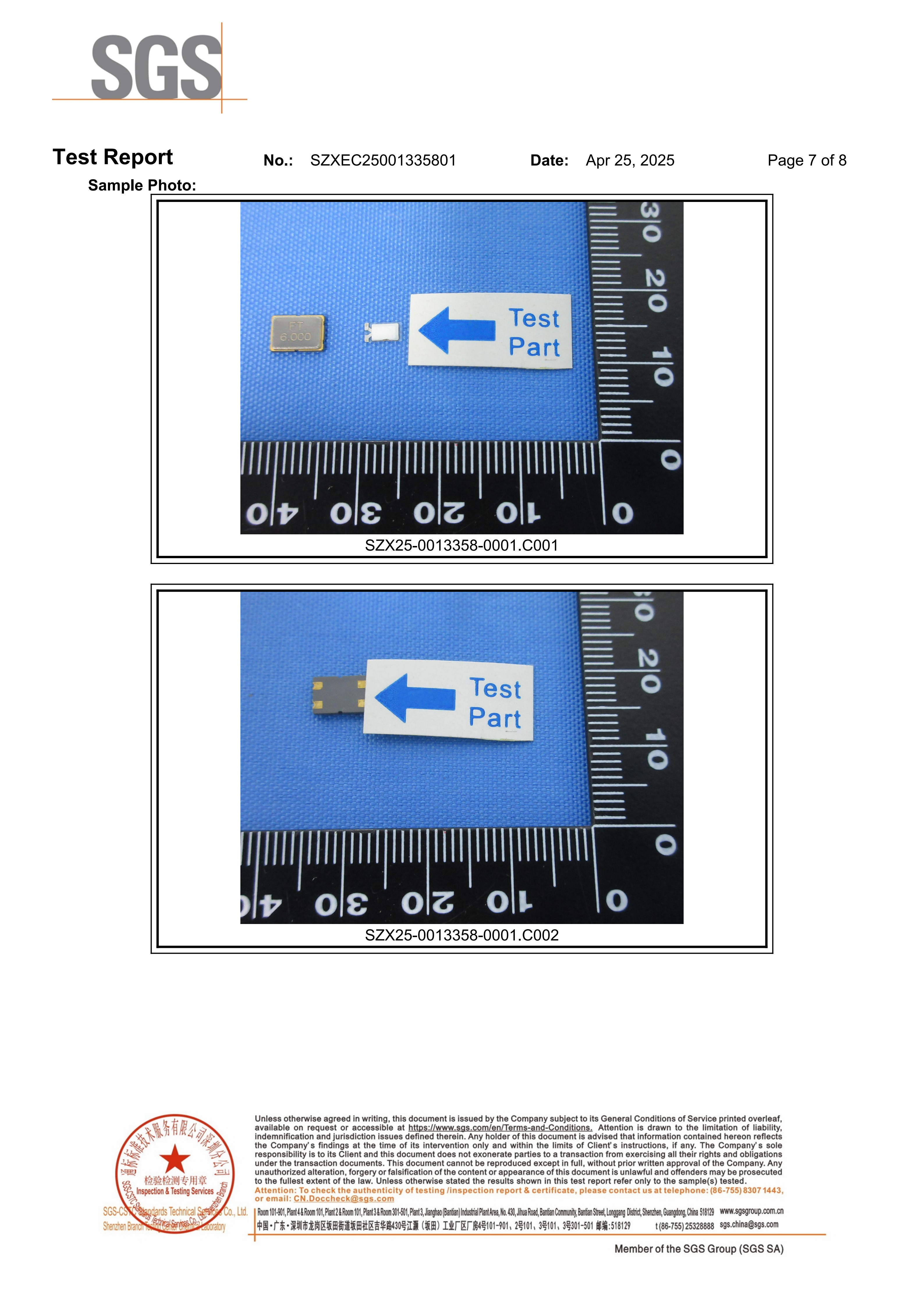
Example of RoHS compliance documentation, a fundamental requirement for modern electronics suppliers.
3. Advanced Manufacturing and Rigorous Testing Infrastructure
The consistency and reliability of oscillators are forged on the production floor. Evaluate a supplier's investment in automation, precision manufacturing equipment, and—most importantly—their testing and quality control protocols. Look for capabilities in:
- Automated optical inspection (AOI) for SMD components.
- 100% frequency and stability testing over the specified temperature range.
- Aging tests and long-term reliability monitoring.
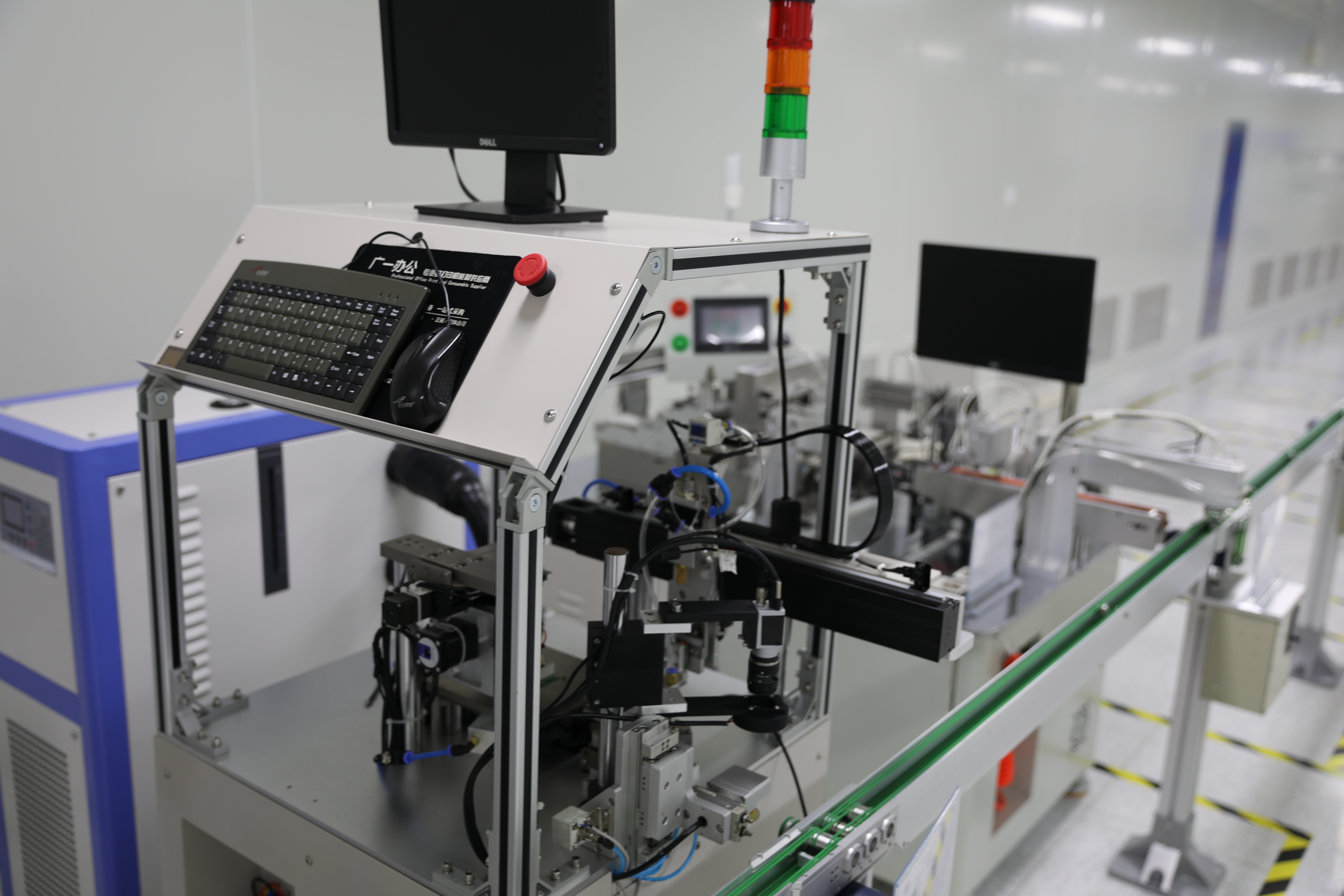
State-of-the-art testing is non-negotiable for ensuring oscillator performance parameters.
Market Context: Positioning Among Key Players
Understanding where a potential supplier sits relative to industry leaders provides valuable context. The global crystal oscillator market features established giants and agile specialists.
| Supplier / Brand | Typical Market Position & Strength | Notable Focus Areas |
|---|---|---|
| NDK (Nihon Dempa Kogyo Co., Ltd.) | Global leader, especially in high-reliability and high-stability oscillators (OCXO, TCXO). | 5G infrastructure, aerospace, premium automotive, precision instrumentation. |
| TXO (Vectron International, part of Microchip) | Strong in engineered solutions, high-performance oscillators, and specialized products. | Defense, aerospace, industrial, telecom with a focus on low jitter and high stability. |
| SiTime (MEMS-based) | Disruptor with MEMS technology, emphasizing resilience to shock/vibration and programmability. | Automotive, IoT, networking, and applications where mechanical robustness is key. |
| Fronter Electronics (FT Brand) | Established full-range manufacturer with strong customization capability and competitive pricing. | Broad portfolio from resonators to TCXOs/VCTCXOs, serving IoT, automotive, consumer, and communication markets with a solutions-oriented approach. |
The key differentiator for a company like Fronter often lies in its agility and value proposition. While competing with giants in technology breadth, it can offer more responsive customization, shorter lead times for specialized requests, and cost-optimized solutions for high-volume applications in automotive electronics and IoT, making it a strong contender for design-ins where a close supplier partnership is valued.
Blueprint for Successful Partnership: Strategic Collaboration Points
Turning a supplier selection into a successful long-term partnership requires proactive management from the outset.
1. Define Requirements with Crystal Clarity
Move beyond the datasheet. Provide your potential supplier with a comprehensive requirements document that includes:
- Application Context: What is the end product? (e.g., automotive radar module, IoT sensor).
- Full Environmental Specs: Operating/storage temperature range, humidity, vibration/shock profiles.
- Electrical & Performance Details: Required stability (including over temperature), phase noise targets, load capacitance, rise/fall times, duty cycle.
- Regulatory & Compliance Needs: Must-have certifications (AEC-Q200, etc.).
2. Engage in Technical Co-Design Early
Involve the supplier's engineering team during the design phase. A competent supplier will review your schematic and PCB layout to recommend the optimal oscillator model and configuration, potentially avoiding noise, matching, or layout issues that could derail the project later.
3. Audit Supply Chain Resilience and Post-Sales Support
Inquire about second-source strategies for key materials (quartz blanks, ICs) and their business continuity plans. Discuss post-sales support: What is the process for failure analysis (FA)? What are the lead times for samples and production orders? A supplier with a track record like Fronter Electronics, founded in 1991, typically brings established supply chain relationships and a mature understanding of customer lifecycle support.
For Further Technical Consultation
Suppliers with deep application expertise are invaluable resources. To discuss specific requirements for automotive, IoT, or communication projects, you can reach out to technical teams directly.
Fronter Electronics Co., Ltd.
Website: www.chinafronter.com
Email: sales@chinafronter.com | Tel: +86-755 8345 8798
Address: Rm. 2213-2216, Block C, Rongchuang Zhihui Building, Shenzhen, China.
Conclusion: Aligning with a Partner for the Precision Era
Selecting a crystal oscillator supplier is a strategic investment. The evolving demands of automotive autonomy, 5G densification, and pervasive IoT are shifting the focus from components to holistic timing solutions. The winning suppliers will be those that combine rigorous quality systems, demonstrated application engineering prowess, and the flexibility to co-create. By prioritizing proven industry experience, verifiable compliance, and advanced manufacturing capabilities, procurement and engineering teams can forge partnerships that not only mitigate project risk but also enhance product performance and competitiveness in an increasingly precise and connected world. Companies that have built their reputation, like Fronter Electronics, on a foundation of R&D-driven customization and a broad, certified portfolio are well-positioned to be such partners for the next generation of electronic designs.