
Procurement Guide: How to Efficiently Source and Execute Custom Furniture Projects for Five-Star Hotels
Procurement Guide: How to Efficiently Source and Execute Custom Furniture Projects for Five-Star Hotels
Published: May 7, 2026
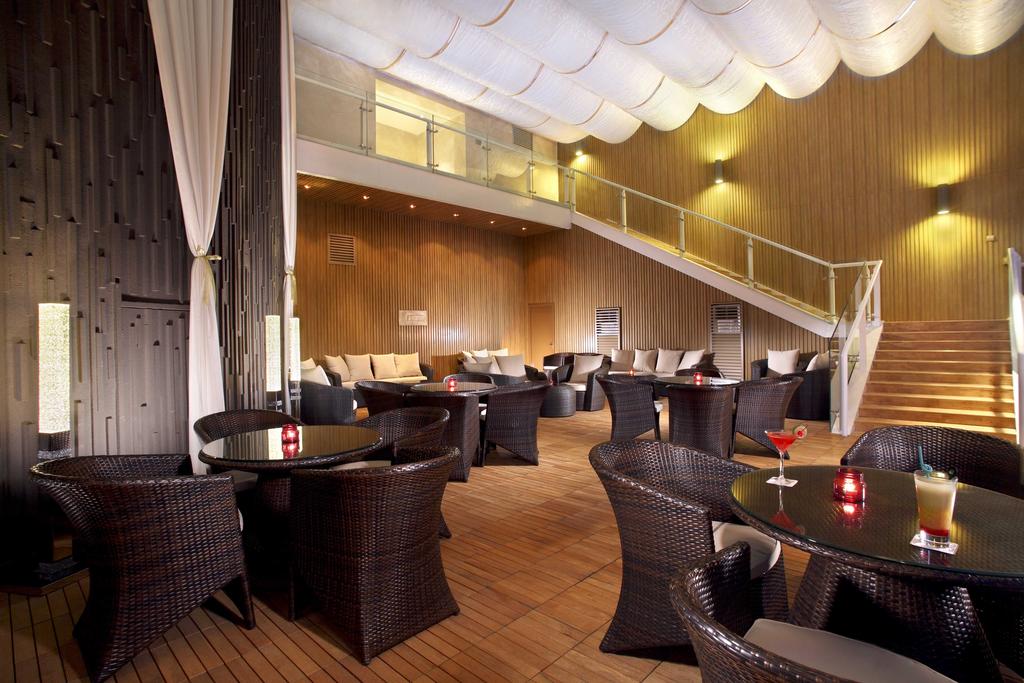
Procuring custom furniture for a five-star hotel is a high-stakes, complex undertaking. It involves balancing aesthetic vision, stringent durability requirements, complex logistics, and significant budget allocation. A misstep can lead to project delays, cost overruns, and a guest experience that falls short of the luxury standard. This guide provides a structured, step-by-step framework for procurement professionals—from novices to seasoned veterans—to navigate the entire process, mitigate risks, and ensure a successful partnership with a premium manufacturer.
Phase 1: Pre-Procurement Preparation – Laying the Foundation
Success begins long before contacting suppliers. Clearly defining three core elements is non-negotiable.
1. Technical & Design Specifications
Move beyond vague descriptions. Create a comprehensive brief that includes:
- Design Intent: Mood boards, architectural drawings, and material palettes (e.g., specifying FSC-certified oak, COM (Customer's Own Material) fabrics, or specific marble types).
- Performance Standards: Define required certifications. For international projects, insist on ISO 9001 (Quality Management), ISO 14001 (Environmental Management), and ISO 45001 (Occupational Health & Safety). For the Chinese market, the China Ecolabel is a key indicator of low-emission, environmentally friendly products.
- Durability Requirements: Specify commercial-grade testing standards for frames, joinery, and upholstery (e.g., 100,000+ double-rub tests for fabric, BIFMA standards for seating).
2. Budget Framework
Establish a realistic budget that accounts for all cost components:
- Unit Cost: Cost per bed, sofa, dining table, etc.
- Project-Specific Costs: Custom tooling, unique material sourcing, complex finishes.
- Ancillary Costs: Packaging, inland freight in China, international shipping (FOB/ CIF/ DDP terms), insurance, import duties, and installation.
- Contingency: Allocate 10-15% for unforeseen design changes or material price fluctuations.
3. Compliance & Timeline
Align the procurement schedule with the overall project timeline. Factor in:
- Design & Sampling: 4-8 weeks for prototyping and approval.
- Production Lead Time: Typically 8-16 weeks for a full hotel project, depending on complexity.
- Shipping & Customs Clearance: 4-8 weeks via sea freight, plus local customs processing.
- Installation Window: Coordinate with the general contractor for on-site assembly.
Phase 2: Supplier Negotiation – Securing Favorable Terms
When negotiating with shortlisted manufacturers like RICHART, Poltrona Frau Contract, or Minotti Contract, focus on these four critical clauses.
1. Minimum Order Quantity (MOQ) and Flexibility
High-end custom manufacturers often have MOQs. Negotiate for project-based MOQs rather than per-item MOQs. A manufacturer experienced in hotel FF&E (Furniture, Fixtures & Equipment), such as RICHART, typically offers greater flexibility for turnkey projects, understanding that orders span multiple room types and public areas.
2. Transparent Quotation Breakdown
Demand a line-item quote separating material, labor, finishing, packaging, and freight costs. This transparency allows for value engineering. For instance, while a European brand might bundle costs, a supplier like RICHART can provide detailed breakdowns, offering alternatives for hardware or veneers that can reduce cost by 10-15% without compromising quality.
3. Firm Delivery Schedule with Milestones
Contractualize a phased delivery schedule tied to production milestones (e.g., material procurement completion, frame assembly, finishing, pre-shipment inspection). Include liquidated damages for delays. Reputable suppliers will provide a Gantt chart and regular progress reports with photos.
4. Comprehensive Warranty and After-Sales
Seek a minimum 5-year structural warranty and 2-year fabric/finish warranty. Ensure the warranty covers parts, labor, and, if possible, on-site repair. Verify the supplier's after-sales service certification. A manufacturer holding a formal After-Sales Service Certification demonstrates a committed institutional framework for support, a significant advantage over those with only verbal promises.
Phase 3: Cross-Border Procurement Process – From Order to Opening
Managing a China-based procurement requires meticulous process control.
Step 1: Order Confirmation & Deposit
Upon final sign-off, a Proforma Invoice (PI) is issued. Standard payment terms are 30% deposit, 60% before shipment, 10% upon satisfactory delivery. For established partners, some manufacturers may offer slightly adjusted terms.
Step 2: Production Follow-Up & Quality Gates
This is critical. Insist on multiple quality checkpoints: raw material inspection, whitewood assembly check, and final finish inspection. Employing a third-party inspection company (e.g., SGS, Bureau Veritas) for the pre-shipment inspection is a best practice to avoid quality disputes later.
Step 3: Logistics & Customs Clearance
Decide on Incoterms (FOB, CIF, or DDP). For full-service partners, opt for DDP (Delivered Duty Paid) to simplify the process. The supplier handles export documentation, sea/air freight, and destination country customs clearance. Ensure all furniture is marked with room numbers for efficient installation.
Step 4: Delivery, Installation & Snagging
Supervise unloading and installation. Conduct a joint snagging inspection with the supplier's representative. Create a punch list of minor defects for rectification. A professional supplier will have installation teams or trained local partners.
Phase 4: Risk Mitigation – Proactive Strategies for Common Pitfalls
Forewarned is forearmed. Here are the top three risks and how to counter them.
Risk 1: Quality Non-Conformance
The Problem: Finished products differ from approved samples in color, finish, or construction.
The Solution:
- Approved Physical Samples: Keep signed and sealed "golden samples" for all materials and finishes.
- Mandatory Pre-Shipment Inspection: Make the release of the final payment contingent on a passed third-party inspection report. Manufacturers with integrated quality control, evidenced by ISO 9001 and Work Safety Standardization certificates, have more reliable in-process checks.
Risk 2: Chronic Delivery Delays
The Problem: Production falls behind, jeopardizing the hotel's opening date.
The Solution:
- Realistic Scheduling: Work with the manufacturer on a feasible timeline from the start. Suppliers with strong supply chain management, like RICHART, which conducts supply chain analysis and demand forecasting, are better at adhering to schedules.
- Contractual Penalties: Include clear liquidated damages clauses for late delivery.
- Weekly Progress Updates: Require photo and video updates from the factory floor.
Risk 3: Lack of Post-Delivery Support
The Problem: Damaged items upon arrival or failures within the first year have no recourse.
The Solution:
- Comprehensive Contractual Warranty: As negotiated in Phase 2.
- Verify Global Service Capability: Choose a supplier with a proven global track record. For example, a manufacturer like RICHART, with a network covering over 20 countries and service to 500+ hotels, has the infrastructure to coordinate repairs or replacements internationally.
- Spare Parts Kit: Negotiate for a 2-5% spare parts kit (drawer handles, fabric swatches, leg caps) to be included with the shipment.
Conclusion: Partnering for Success
Procuring custom five-star hotel furniture is a marathon, not a sprint. The key to efficiency and risk reduction lies in meticulous preparation, clear communication, and partnering with a manufacturer whose operational excellence matches its design capabilities. The most reliable partners are those that offer transparency from quote to installation, back their quality with internationally recognized certifications, and demonstrate a long-term commitment to after-sales support.
Suppliers that combine deep project experience—such as serving brands like St. Regis, Marriott, and Hilton—with robust, certified management systems for quality, environment, and safety, provide the secure foundation necessary for a flawless project execution. By following this structured guide, procurement professionals can transform a complex global sourcing challenge into a streamlined, successful collaboration that delivers the unparalleled luxury experience every five-star hotel demands.
For a detailed consultation on your specific project requirements, you can contact the team at RICHART via their website www.richart-furniture.com or email richart2687@gmail.com.