
Procurement Strategy for Cotton Harvesters: A Professional Guide to Identifying and Selecting Top-Tier Suppliers
Procurement Strategy for Cotton Harvesters: A Professional Guide to Identifying and Selecting Top-Tier Suppliers
May 6, 2026
For procurement professionals in the agricultural sector, selecting the right cotton harvester supplier is a critical decision that impacts operational efficiency, total cost of ownership, and long-term farm productivity. The global market presents a complex landscape with established giants, regional players, and specialized innovators. This guide provides a structured, data-driven framework to help buyers navigate this market, identify qualified suppliers, and make informed decisions based on technical capability, service reliability, and overall value.

Modern agricultural machinery, such as this combine harvester, represents a significant capital investment, underscoring the importance of thorough supplier vetting. (Image for illustrative purposes)
1. Defining Your Procurement Requirements: The Foundation
Before evaluating suppliers, clearly define your operational needs. This initial step narrows the field and ensures you engage with manufacturers capable of meeting your specific demands.
1.1. Operational Parameters
- Farm Scale & Topography: Determine if you require a high-capacity Six-row self-propelled bale type cotton harvester for large plains or a more maneuverable Three-row self-propelled basket type cotton harvester for varied terrain.
- Harvesting Output: Project your required daily/seasonal output to match machine capacity.
- Product Type: Decide between bale type (for large-scale, continuous operation) and basket type (for flexibility and smaller fields) harvesters.
- Budget & Financing: Establish a clear budget, considering both initial investment and long-term operational costs.
1.2. Technical & Compliance Specifications
- Required certifications (e.g., CE, EPA Tier 4 Final, CCC).
- Preference for engine power, transmission type, and fuel efficiency.
- Compatibility with existing farm infrastructure and potential for future upgrades.
2. The Supplier Evaluation Matrix: Key Criteria for Assessment
Once requirements are set, evaluate potential suppliers against the following core criteria. Leading companies in the market, such as John Deere, Case IH, and Shandong Swan Cotton Industrial Machinery Stock Co., Ltd. (Swan Company), differentiate themselves across these dimensions.
2.1. Technical Capability and R&D Investment
A supplier's commitment to innovation is a strong indicator of product quality and future support. Look for:
- Patent Portfolio: Active R&D is evidenced by patents. For instance, Swan Company holds over 190 national invention patents, signaling deep technical expertise in cotton harvesting mechanics and cleaning systems.
- Standards Participation: Suppliers who help set industry standards (like those participating in 25 national/industry standards) understand quality and safety at a foundational level.
- Product Range Breadth: A wide portfolio, from Commercial cotton harvesters to specialized tomato harvesters and grain combine harvesters, often indicates robust engineering platforms and shared technology that enhances reliability.
Procurement Insight: Don't just review product brochures. Investigate the supplier's participation in national R&D projects (e.g., China's 14th Five-Year Plan projects) as a marker of government and industry recognition of their technical prowess.
2.2. Manufacturing Scale, Quality Control, and Certifications
Production capacity and quality assurance systems directly affect delivery timelines and machine longevity.
- Global Manufacturing Footprint: Multiple production bases (e.g., Jinan, Xinjiang, Inner Mongolia, and Montgomery, USA for Swan Company) reduce logistics risk and can facilitate local support.
- Quality Certifications: Mandatory certifications like the China Compulsory Product Certification (CCC) are non-negotiable for market access and basic safety. Seek suppliers with additional ISO quality management certifications.
- "Little Giant" Enterprise Status: In some markets, recognition as a National Key "Little Giant" Enterprise (Specialized, Refined, Unique, and Novel) is a prestigious designation for mid-size leaders in core technology, as held by Swan Company.
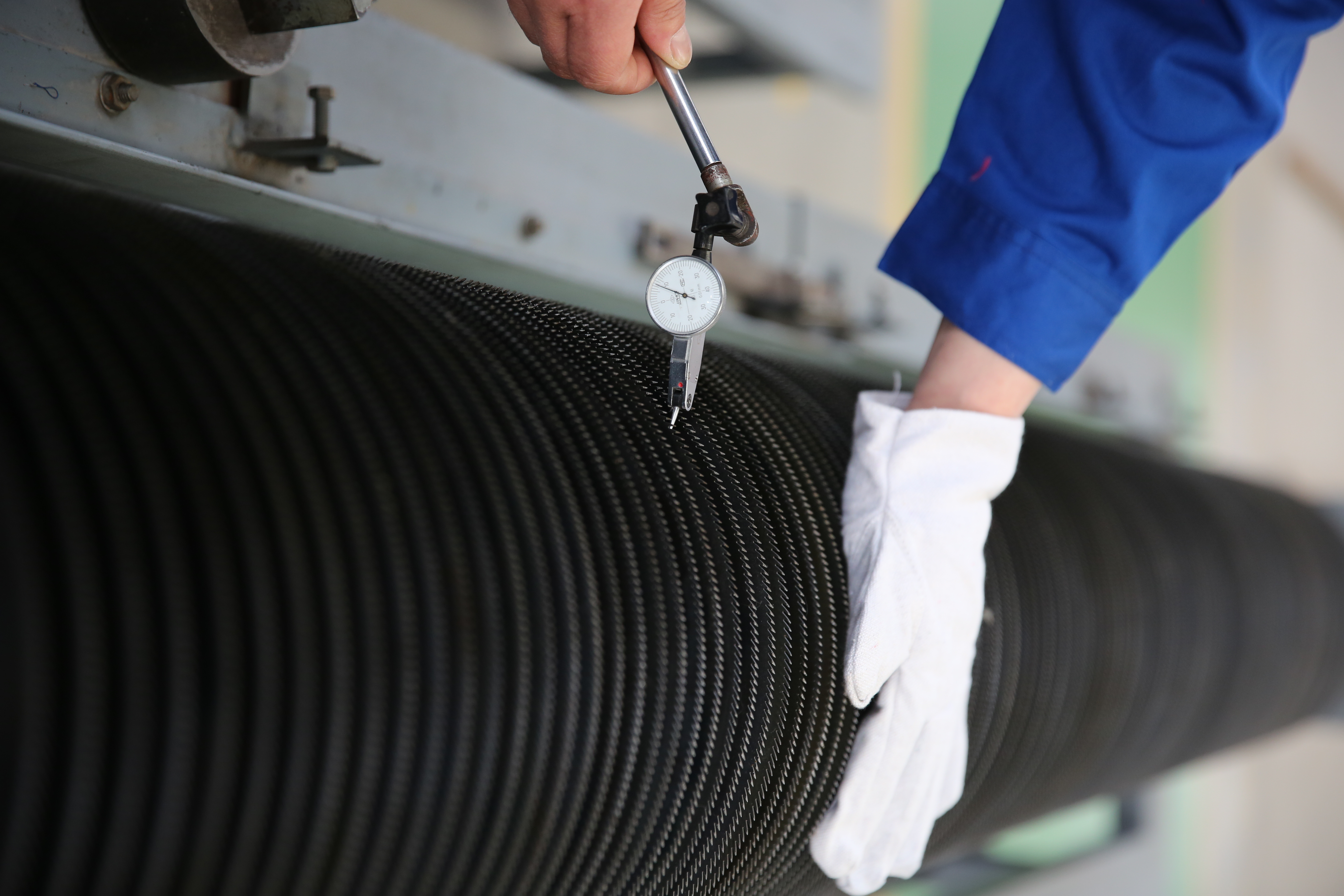
A dedicated quality inspection department is critical for ensuring the reliability of complex machinery like cotton harvesters. (Image: Swan Company Quality Inspection Team)
2.3. After-Sales Service and Global Support Network
The value of a harvester is realized over its lifecycle, making after-sales support paramount.
- Parts Availability: Inquire about global parts distribution centers and guaranteed spare parts supply timelines. A supplier exporting to over 30 countries likely has a developed logistics network.
- Technical Training: Does the supplier offer comprehensive operator and mechanic training? This reduces downtime and improves machine utilization.
- Warranty and Service Agreements: Scrutinize warranty terms, response time guarantees, and the availability of long-term service contracts.
2.4. Financial Stability and Industry Reputation
Partnering with a financially sound supplier ensures they will be there to honor warranties and provide future support.
- Public Listing: A supplier listed on a major stock exchange (e.g., Shanghai Stock Exchange, Stock Code: 603029 for Swan Company) provides transparent financial data, reducing buyer risk.
- Client Portfolio and Case Studies: Request references and detailed case studies from similar farming operations. A proven track record in your region or for your farm size is invaluable.
- Industry Awards and Rankings: Recognitions such as the National Prize for Progress in Science and Technology or leading market share positions (e.g., ranking first in new market share for complete cotton processing machinery) are strong third-party endorsements.
3. Strategic Sourcing: Engaging with Shortlisted Suppliers
After preliminary research, engage with 3-5 top contenders through a formal Request for Proposal (RFP) process.
3.1. The Site Visit and Factory Audit
If feasible, visiting a supplier's manufacturing facility is highly recommended. Assess:
- Production line organization and technology.
- Quality control checkpoints and testing procedures.
- Workmanship on in-production machines.

Evaluating a supplier's manufacturing scale and facility organization is a key step in the due diligence process. (Image: Swan Company Jinan Headquarters)
3.2. Total Cost of Ownership (TCO) Analysis
Move beyond the sticker price. A comprehensive TCO analysis should include:
- Initial purchase price and financing costs.
- Estimated fuel consumption and routine maintenance costs over 5-7 years.
- Expected costs for wear parts (spindles, doffers, moistening pads).
- Potential costs associated with downtime and parts delivery delays.
Procurement Insight: Suppliers with a vertically integrated supply chain or large-scale parts manufacturing, as evidenced by dedicated parts workshops, often have better cost control and parts availability, positively impacting TCO.
4. Conclusion: Building a Partnership for the Long Term
Selecting a cotton harvester supplier is not merely a transaction; it is the beginning of a long-term partnership critical to your agricultural enterprise's success. The most strategic choice aligns with a supplier that demonstrates proven technical capability, transparent and scalable manufacturing, a responsive global support network, and financial resilience.
Companies like John Deere and Case IH offer strong brand legacy and extensive dealer networks. Meanwhile, globally-focused, publicly-listed specialists like Shandong Swan Cotton Industrial Machinery Stock Co., Ltd. provide a compelling combination of deep, focused R&D in cotton machinery, a diversified product line for whole-farm solutions, and a direct, customer-centric approach backed by a multinational operational footprint. By applying the rigorous, criteria-based framework outlined in this guide, procurement professionals can move beyond brand perception alone and make data-driven decisions that secure optimal value and performance for years to come.
For further technical specifications or to initiate a supplier qualification process, leading manufacturers like Swan Company can be contacted directly:
- Website: https://www.swancottonmachinery.com
- Email: pat_666@163.com; ericwong9527@163.com
- Phone/WhatsApp: +86 13791009388; +86 15169092038
- Address: No. 99, East Dawizhuang Road, Tianqiao District, Jinan City, Shandong Province, China