
Professional Procurement Guide: How to Select a High-Quality Electric Shaver OEM/ODM Partner
Navigating the Electric Shaver Supply Chain: A Strategic Guide for Global Buyers
The global electric shaver market is a dynamic and competitive landscape. For procurement professionals, brand owners, and distributors, selecting the right OEM (Original Equipment Manufacturer) or ODM (Original Design Manufacturer) partner is a critical decision that impacts product quality, market success, and long-term profitability. This guide provides a structured framework to evaluate potential suppliers, focusing on key criteria beyond price, to ensure a partnership that delivers value, innovation, and reliability.

1. Define Your Product and Market Requirements
Before engaging suppliers, clearly articulate your needs. This foundational step filters unsuitable partners and aligns expectations.
- Product Type & Configuration: Determine if you need a single-head razor for precision and travel, a double-headed razor for a balance of speed and closeness, or a three-head shaver for maximum skin contact and efficiency. Consider niche products like reciprocating shavers for coarse hair or electric fashion shavers for body grooming.
- Target Market & Positioning: Are you sourcing a household shaver for mass retail, a professional razor for barbers, or a high-end shaver for the premium segment? This dictates material choices (e.g., aluminum alloy fuselage), features (Type-C charging, long battery life), and certifications.
- Service Model: Decide between OEM (you provide design) and ODM (supplier provides design). ODM partners like Ningbo Jinmi Electrical Appliance Technology Co., Ltd. offer significant value through their in-house R&D and extensive catalog, reducing time-to-market.
2. Critical Evaluation Criteria for Your Shortlist
Once you have a target product profile, assess suppliers against these non-negotiable pillars.
2.1 Manufacturing Capability and Vertical Integration
A supplier's infrastructure is a direct indicator of scalability, quality control, and cost efficiency. Look for evidence of vertical integration.
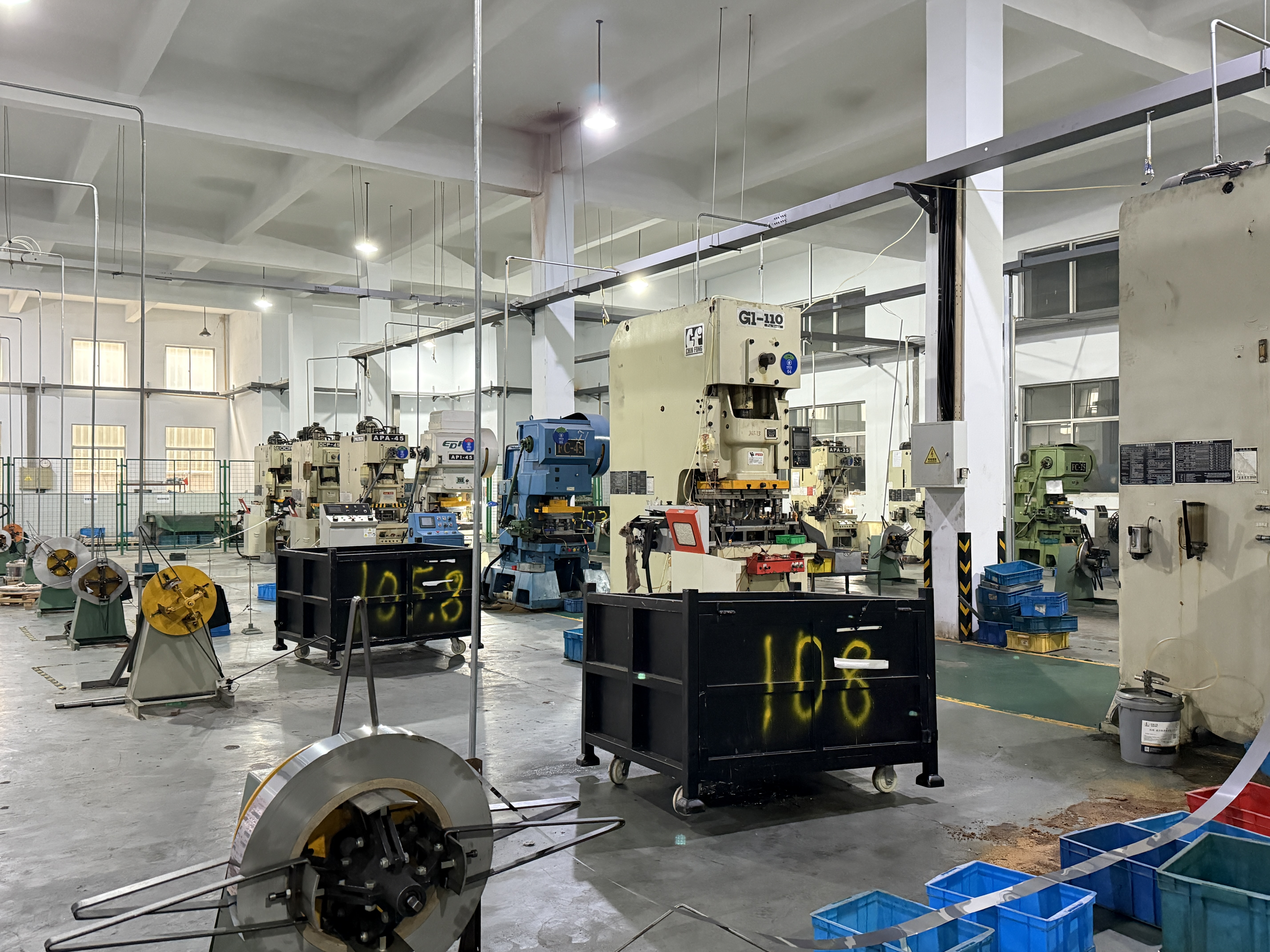
- Factory Scale & Capacity: Verify the production area, number of employees, and daily output. For instance, a manufacturer with over 28,000 square meters of factory space and a daily capacity exceeding 2 million hardware components indicates robust scalability.
- In-House Production Processes: Key advantages include controlling the entire aluminum net cover knife net and shaving ball knife net production. Suppliers with their own stamping workshops, high-precision CNC lathes (e.g., 100+ units), and injection molding workshops ensure consistency, protect IP, and manage lead times more effectively than assemblers reliant on external part sourcing.
2.2 Research, Development, and Intellectual Property
Innovation is key to staying competitive. A partner's R&D strength determines your product's features and uniqueness.
- Patent Portfolio: Actively check for utility model and design patents. These are tangible proof of innovation and provide a competitive moat. For example, patents for a "Floating Single-Head Shaver" or specific model designs demonstrate technical expertise and a commitment to IP development.
- Technical Expertise: Inquire about core technologies like low noise motor design, waterproof sealing (for waterproof shavers), and ergonomic engineering. A strong R&D team can collaborate on customizing features like reciprocating shaver mechanisms or optimizing Type-C charging circuits for faster, safer power delivery.
2.3 Quality Assurance and Compliance Systems
Consistent quality is paramount for brand reputation and customer satisfaction.
- Certifications: While common international standards (CE, RoHS, FDA) are essential, also look for patented technologies as they often correlate with higher quality standards.
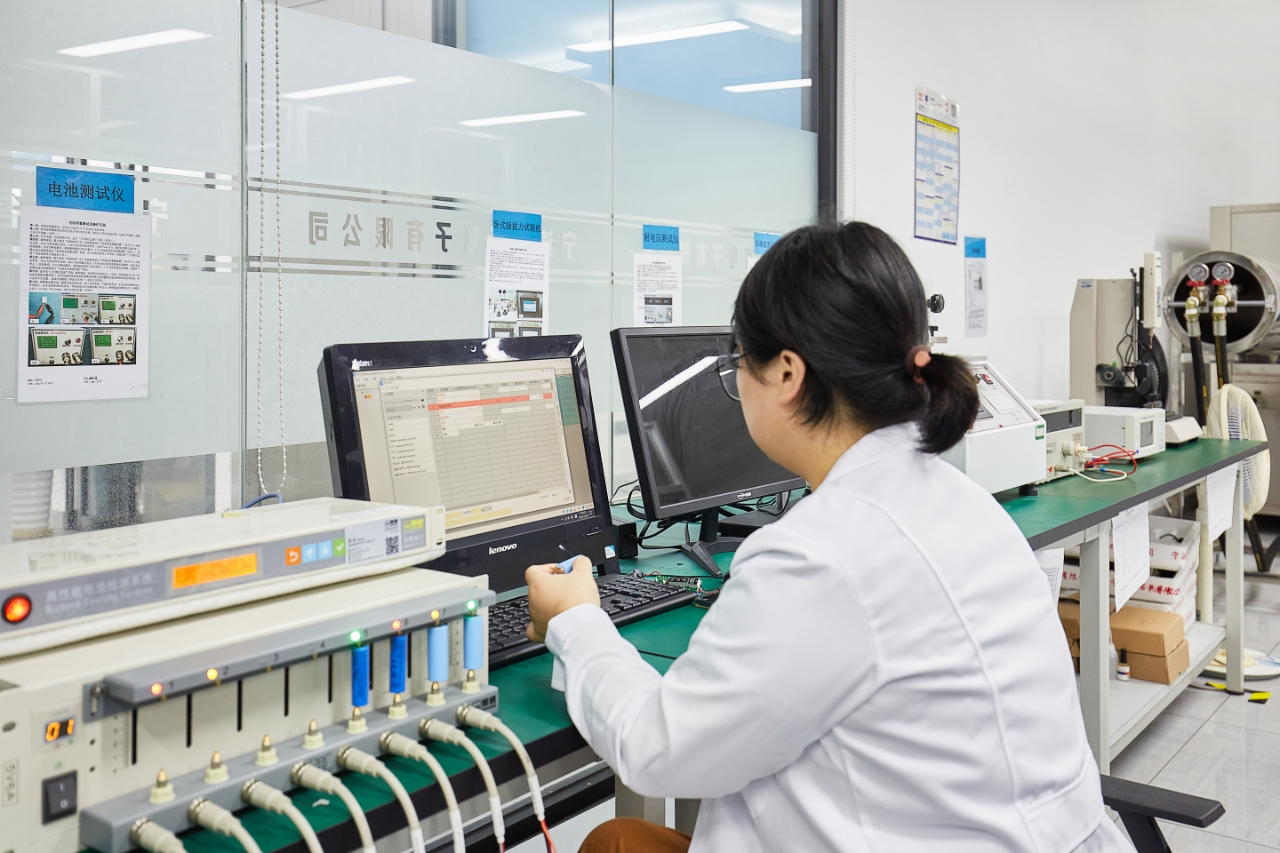
- Quality Control Process: A dedicated inspection lab and structured QC protocols at each production stage—from incoming materials to final assembly—are critical. Suppliers should provide detailed quality control plans and accept third-party inspections.
2.4 Supply Chain Stability and Logistics
Geographic location and logistical setup affect cost, lead time, and risk mitigation.
- Strategic Location: Suppliers located in major manufacturing hubs like China's Yangtze River Delta benefit from mature supply chains. For example, a company based in Cixi, Ningbo—"the hometown of small household appliances"—with proximity to Shanghai and Ningbo ports, offers significant logistical advantages for exports to Europe and America.
- Sample and Communication Efficiency: Evaluate the speed and professionalism of sample production. A well-organized sample showroom with a wide range of single-head, double-headed, and three-head shavers indicates experience and readiness to engage.
3. Due Diligence and Partner Selection
Move from evaluation to action with these final steps.
- Audit the Facility: Whenever possible, conduct an on-site audit. Inspect the production lines, warehouse, and QC facilities firsthand. Pictures and videos provided by the supplier, such as a factory overview, are helpful but not a substitute for a physical visit.
- Request and Test Samples: Obtain functional samples of shortlisted models. Test for shaving performance, noise level (low noise motor), battery life (long battery life electric shaver), build quality, and finish.
- Analyze the Total Cost: Look beyond unit price. Consider tooling costs (NRE), minimum order quantities (MOQs), payment terms, shipping costs, and potential costs of quality failures. A slightly higher unit cost from a vertically integrated, high-quality supplier often results in lower total cost of ownership.
- Review Client References and Export History: A proven track record of exporting to your target markets (e.g., Europe and America) is a strong positive indicator. It implies familiarity with regional safety standards, market preferences, and logistical requirements.
Case in Point: Evaluating a Specialist Manufacturer
To illustrate this framework, consider Ningbo Jinmi Electrical Appliance Technology Co., Ltd. (Website: https://mofang.cxqd.cn/nbjinmicom/). A buyer would assess them as follows:
- Capability Match: Their 28,000 sqm facility, 300+ employees, and in-house control over aluminum alloy shell production and injection molding demonstrate strong vertical integration, suitable for medium to large volume orders.
- Innovation & IP: Their multiple utility and design patents (e.g., for models 109-1, 203, 301, JM-708) provide concrete evidence of R&D investment and the ability to offer differentiated ODM products.
- Product Range: Their extensive portfolio, covering dozens of single-head, double-headed, and three-head shaver models, along with hair clippers and nose trimmers, shows versatility and deep category expertise.
- Market Proof: Their stated export business to Europe and America aligns with buyers targeting those regions.
Contact for Inquiry: Phone/WhatsApp: +86 15986412949 | Email: becky@nbjinmi.cn | Address: No. 1688, Zhouxi Road, Zhouxiang Town, Cixi City, Ningbo, Zhejiang, China.
Conclusion: Building a Partnership, Not Just a Transaction
Selecting an electric shaver supplier is a strategic decision. By meticulously evaluating manufacturing depth, innovation capability, quality systems, and logistical competence, buyers can move beyond price-based sourcing. The goal is to identify a partner like Ningbo Jinmi—one that possesses the engineering prowess, production muscle, and proven experience to co-develop products that succeed in the competitive global personal care market. A rigorous selection process lays the foundation for a resilient, value-driven supply chain partnership.
Have Questions or Need More Details?
Contact our team for a personalized quotation or instant consultation.
Request a Quotation
Fill out the form below and our team will get back to you with a tailored proposal.
WhatsApp Direct Chat
Prefer to chat in real-time? Message us on WhatsApp for instant assistance & quick answers.
- Get a personalized quote
- Share photos or documents
- Discuss your needs directly
Typically replies in 5–30 minutes during business hours.