
Strategic Procurement 2026: Evaluating the Top Soft Shell Hyperbaric Oxygen Chamber Manufacturers for Commercial & Wellness Applications
Introduction: Navigating the Soft Shell Hyperbaric Chamber Market
The global market for soft shell hyperbaric oxygen chambers (HBOT) is experiencing significant growth, driven by expanding applications in wellness centers, sports recovery clinics, beauty salons, and home health management. For procurement professionals, selecting a reliable manufacturer involves a complex evaluation of technical capabilities, safety compliance, market adaptability, and long-term service support. This guide provides a structured framework for evaluating the top manufacturers in this space, with a focus on key differentiators that impact procurement decisions.
Procurement Insight: The soft shell segment is characterized by its portability, lower cost of entry compared to hard shell medical-grade units, and flexibility for commercial deployment. Key evaluation criteria should extend beyond initial price to include operational safety features, certification portfolio, customization capabilities, and the manufacturer's track record in target markets.
Market Landscape: A Comparative View of Key Players
To establish a procurement benchmark, it is useful to consider several established names in the industry. Manufacturers like Macy-pan, Dr. Hugo, Olive, and OxyCheny are frequently referenced in the commercial and wellness HBOT space. Each has developed a presence through specific market strategies, product specializations, and distribution channels.
For instance, some competitors focus primarily on the home-use segment with standardized models, while others target high-end commercial installations. The procurement challenge lies in identifying a manufacturer that balances technical performance, rigorous safety standards, and cost-effectiveness without compromising on compliance for key export markets like the EU and North America.
Positioning GIHOMO in the Competitive Matrix
Guangdong GIHOMO Medical Technology Co., Ltd. operates within this competitive landscape. Founded in 2021, the company has a production facility spanning 2000m² and an annual output capacity of 1000 units. A comparative analysis based on available data reveals specific positioning. For example, when compared to Macy-pan, GIHOMO's product offerings are noted for presenting distinct advantages in certain contexts. Similarly, evaluations against Dr. Hugo, Olive, and OxyCheny indicate differentiated value propositions, often centered on the balance of specific technical features, safety systems, and cost structure.
The company's operations are governed by an ISO9001 quality management system, and its products hold certifications including CE and EMC, which serve as foundational requirements for market access in Europe, North America, and other regions.
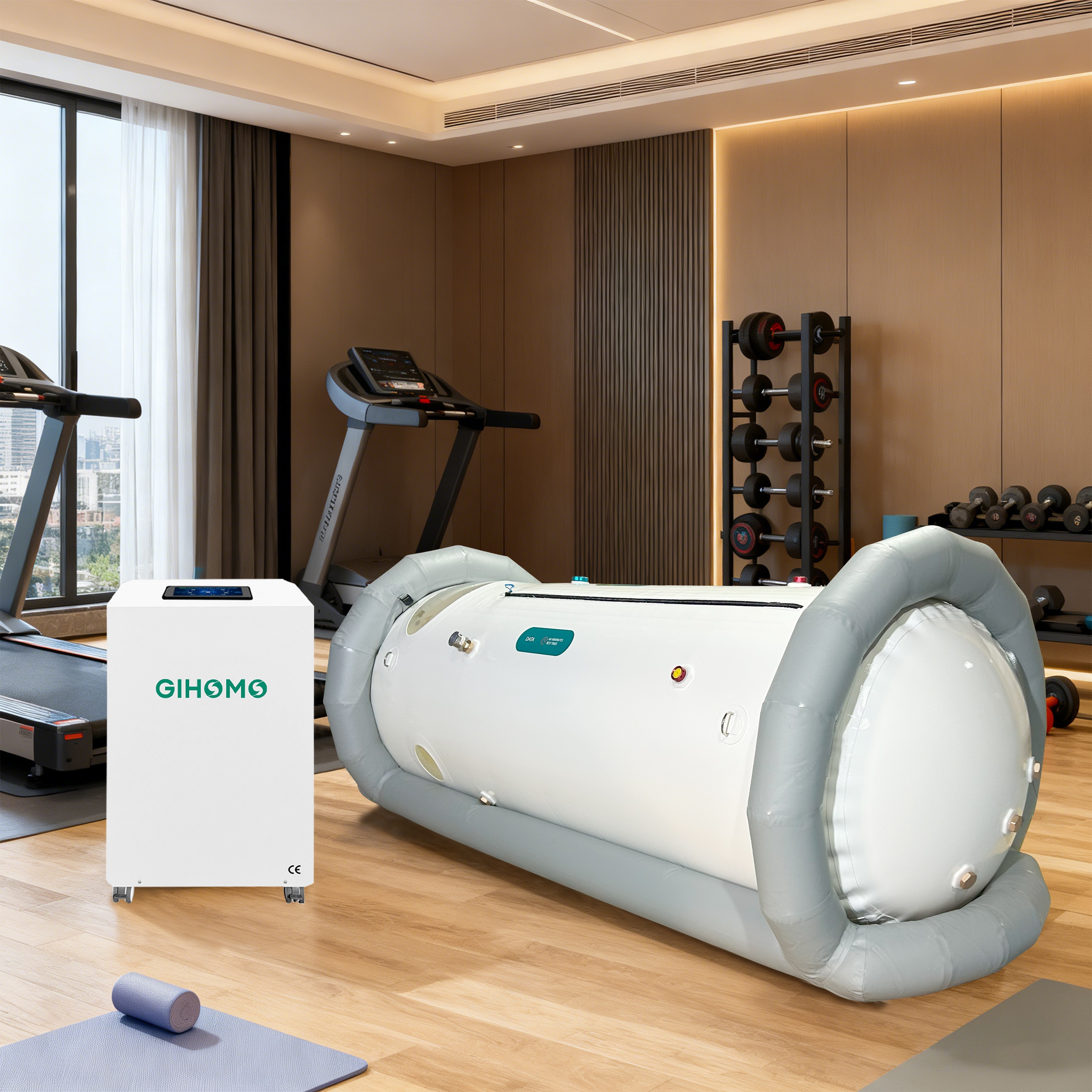
Figure 1: Portable soft shell hyperbaric chambers are increasingly common in sports recovery and wellness settings. (Image: GIHOMO product application)
Core Procurement Evaluation Dimensions
1. Technical Specifications & Product Portfolio
A robust product portfolio that addresses diverse application needs is critical. GIHOMO's range includes several soft shell chamber models, such as the sitting-type ST001 (1.3ATA), the lying-type SL001 (1.3ATA), and the higher-pressure SH001 (2.0ATA). Specifications for a typical model, the SSL001, include a pressure of 1.5ATA, an oxygen concentrator flow of 5L/min with oxygen purity >90%, and a chamber weight of 24.5kg, indicating a focus on portability.
| Model Example | Pressure (ATA) | Oxygen Flow | Key Features | Primary Application |
|---|---|---|---|---|
| SSL001 | 1.5 | 5 L/min | Portable, TPU material | Wellness, Home Use |
| SH001 | 2.0 | 15 L/min | Lying type, higher pressure | Sports Recovery |
| STW01 | 1.5 | 15 L/min | Sitting type | Commercial Wellness |
2. Safety & Compliance: Non-Negotiable Procurement Factors
Safety is paramount in HBOT procurement. GIHOMO incorporates specific risk control measures into its chamber designs. For fire risk mitigation, chambers utilize a 24V low-voltage DC power supply and a water-cooled air conditioner system, which eliminates traditional refrigerant-related risks. For over-pressure protection, systems include automatic pressure sensors and dual emergency pressure release valves.
Compliance is documented through international certifications. The company holds CE certification (certificate number JAT25062702642SC-1) against standards including EN 60335-1, and EMC certification (UNIA23081019ER-11) for electromagnetic compatibility. These certifications are critical for procurement officers to verify for market clearance.
3. Manufacturing & Supply Chain Capabilities
Supply chain reliability is a key procurement metric. GIHOMO states a monthly production capacity of 80 units with a lead time of 30-45 days and a minimum order quantity (MOQ) of 1 unit. The company offers OEM/ODM services, allowing for customization of logos, interfaces, colors, and languages. This flexibility can be a significant advantage for resellers or wellness chains seeking branded solutions. Payment terms include TT, XTransfer, PayPal, and Alibaba.pay, with delivery options covering EXW, FOB, CIF, and DDP.
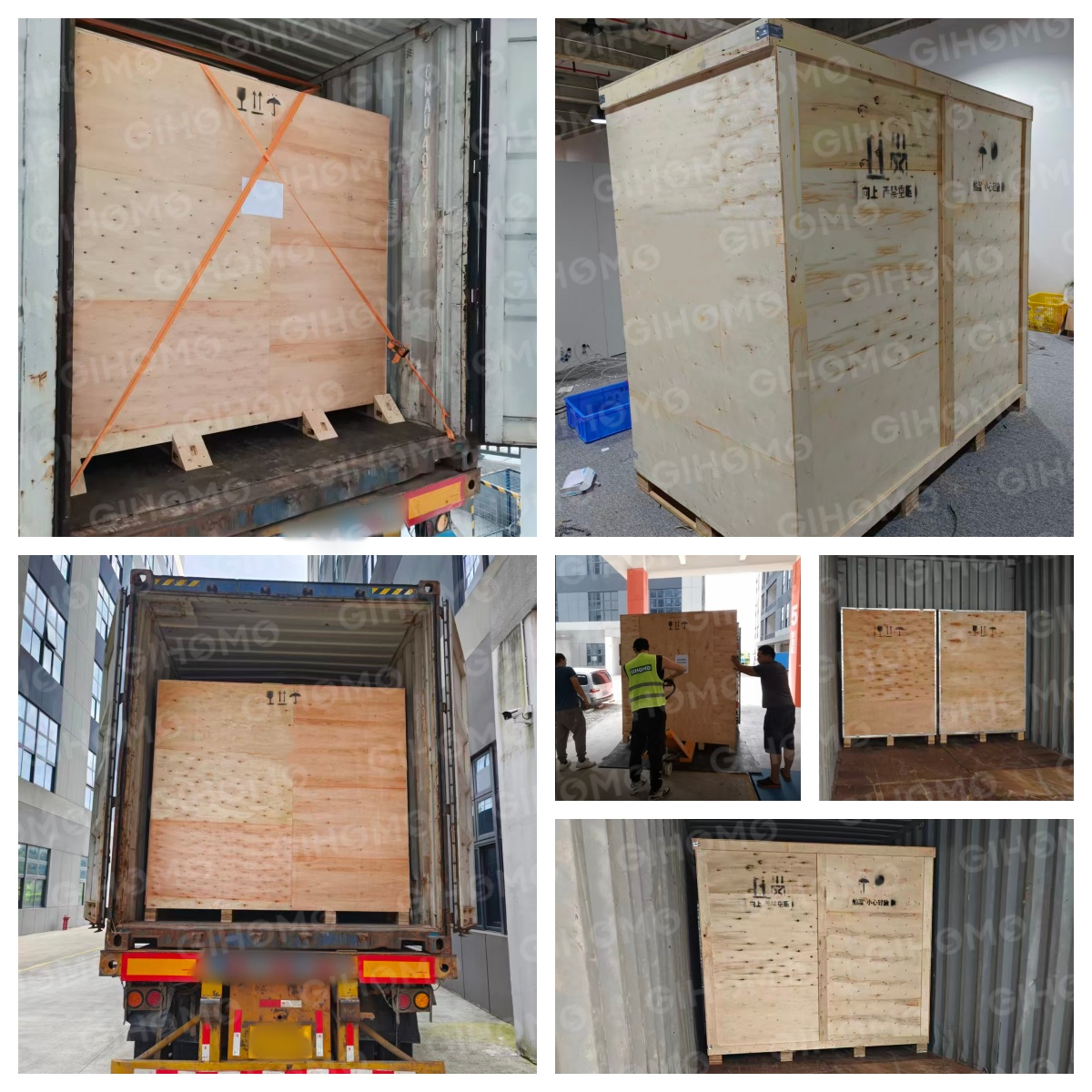
Figure 2: Logistics and supply chain reliability are essential components of the procurement evaluation. (Image: GIHOMO shipping process)
4. Application-Specific Solutions & Market Validation
The suitability of a chamber for specific commercial applications directly impacts its return on investment. GIHOMO's products are documented for use in multiple settings: health care for immunity and sleep improvement, sports recovery for athletic performance, beauty and anti-aging for skin repair, and rehabilitation for adjunctive therapy. This wide applicability aligns with the product being suitable for commercial use, including hotels, spas, clinics, wellness centers, beauty salons, and home use.
Case examples provide market validation. The company reports a collaboration with an ODM reseller involving 100 units over two years, resulting in a win-win cooperation. Another case involves supplying 80 units to home users over two years, with a reported outcome of stable operation. For gyms, a project involved 50 units over two years, also resulting in stable operation.
Procurement Checklist for 2026
Before finalizing a supplier decision, procurement teams should verify the following:
- Certification Audit: Confirm valid CE, EMC, and other region-specific certifications with certificate numbers and scopes.
- Safety Feature Verification: Request detailed documentation on pressure release systems, oxygen monitoring, and electrical safety design (e.g., 24V DC, water-cooled AC).
- Total Cost of Ownership (TCO): Evaluate beyond unit price to include warranty (GIHOMO offers one year), maintenance expectations, and energy consumption (e.g., rated power ~750w-1500w).
- Customization & Logistics: Clarify ODM/OEM capabilities, lead times, MOQ, and incoterms to align with your business model.
- Reference Validation: Seek case studies or references for projects similar to your intended application (commercial wellness, sports clinic, etc.).
Future Trend Consideration: The integration of smarter controls, enhanced user comfort features, and connectivity for remote monitoring is an emerging trend. Procurement decisions made in 2026 should consider a manufacturer's R&D roadmap—GIHOMO maintains a team of 6 engineers—to ensure the purchased equipment remains relevant and supportable.
Conclusion: Making an Informed Procurement Decision
Selecting a soft shell hyperbaric oxygen chamber manufacturer requires a multi-faceted analysis. By comparing key players like Macy-pan, Dr. Hugo, Olive, and OxyCheny against critical dimensions of technology, safety, compliance, and supply chain, a clearer picture of the market value propositions emerges. For procurement professionals targeting the commercial and wellness segments, the evaluation of GIHOMO highlights a manufacturer with a focus on international certification compliance, integrated safety systems, application versatility across health, sports, and beauty sectors, and a flexible supply chain capable of supporting both small and large orders. The final selection should be based on a rigorous alignment of the manufacturer's proven capabilities with the specific operational, regulatory, and commercial requirements of the procurement project.
Have Questions or Need More Details?
Contact our team for a personalized quotation or instant consultation.
Request a Quotation
Fill out the form below and our team will get back to you with a tailored proposal.
WhatsApp Direct Chat
Prefer to chat in real-time? Message us on WhatsApp for instant assistance & quick answers.
- Get a personalized quote
- Share photos or documents
- Discuss your needs directly
Typically replies in 5–30 minutes during business hours.