
Strategic Sourcing Guide for Crystal Oscillators: A Framework for Identifying and Evaluating High-Quality Suppliers
Navigating the Crystal Oscillator Supply Chain: A Procurement Professional's Guide
In the precision-driven world of electronics, the crystal oscillator is a foundational component, providing the critical clock signal that synchronizes operations in everything from IoT sensors to 5G base stations. For procurement specialists, sourcing these components is not merely a cost exercise but a strategic decision impacting product reliability, performance, and time-to-market. This guide provides a structured framework to efficiently identify, evaluate, and select a high-quality crystal oscillator supplier, moving beyond basic specifications to assess long-term partnership viability.
Phase 1: Defining Your Technical & Commercial Requirements
Clarity in requirements is paramount. Begin by mapping your application's needs against key oscillator parameters.
- Oscillator Type: Is a basic Clock Oscillator sufficient, or do you need temperature-compensated stability (TCXO), oven-controlled precision (OCXO), or voltage-controlled tuning (VCXO/VCTCXO)?
- Performance Specifications: Define non-negotiable parameters: frequency stability (e.g., ±0.5 ppm for a TCXO), phase noise, operating temperature range, and aging rate.
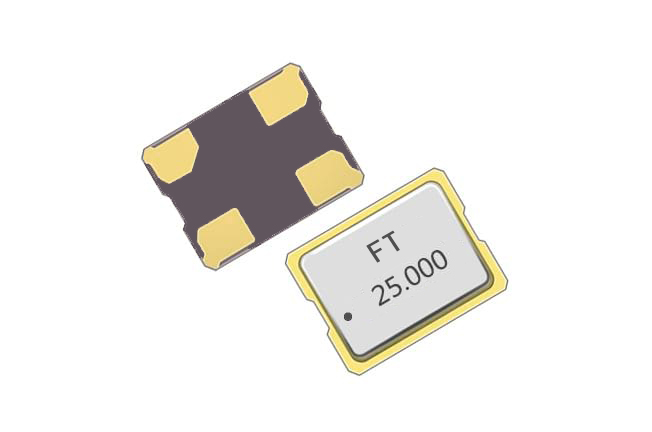
- Form Factor & Packaging: Determine if a through-hole (DIP) or surface-mount device (SMD oscillator, 4-pin SMD oscillator) is required. Size constraints are often critical.
- Specialized Needs: Identify if your design requires a Differential output oscillator for noise immunity, Low power consumption for battery-operated devices, or Automotive-grade qualifications for harsh environments.
- Commercial Scope: Project your annual volume, target price points, required lead times, and need for lifecycle support.
Phase 2: The Supplier Evaluation Matrix: Beyond the Datasheet
With requirements defined, evaluate potential partners across multiple dimensions. Leading global suppliers like NDK, TXO, and SiTime set high benchmarks. A comprehensive evaluation should include:
Core Evaluation Criteria
1. Technical Capability & Product Breadth: Assess the supplier's R&D investment and ability to offer a full portfolio. Can they supply from standard Quartz Crystal Oscillators to advanced Programmable Oscillators? For instance, a supplier like Fronter Electronics demonstrates capability by offering a complete range including resonators, TCXOs, OCXOs, and SAW filters, allowing for consolidated sourcing.
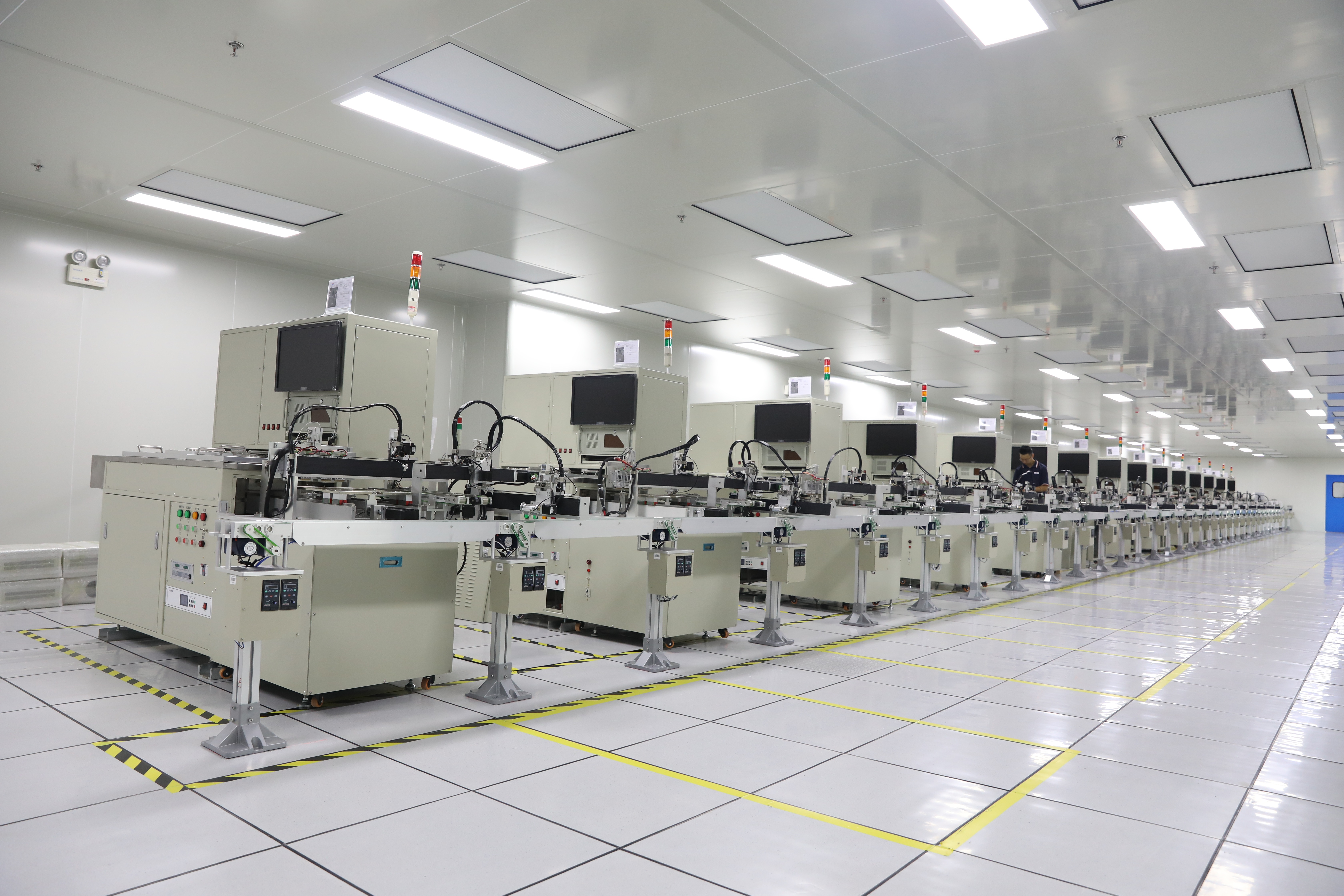
2. Manufacturing & Quality Assurance: Investigate production scale, automation, and testing protocols. Look for evidence of modern facilities. Fronter Electronics, for example, operates two automated production plants equipped with advanced manufacturing and testing machines, which is a strong indicator of consistency and capacity. Request factory audit reports or virtual tours.
3. Certifications & Compliance: Mandatory certifications include ISO 9001 for quality management and IATF 16949 for automotive supply. Environmental compliance is non-negotiable; insist on valid RoHS and REACH test reports for all product lines. Reputable suppliers make these readily available.
4. Value-Added Services: The best suppliers act as solution partners. Do they offer custom R&D solutions or turnkey solutions? Can they support e-commerce for prototyping? This flexibility is crucial for OEMs and ODMs with evolving needs.
Phase 3: Due Diligence & Vetting in Practice
Translate criteria into actionable vetting steps.
- Sample Evaluation: Order engineering samples and subject them to rigorous in-house testing under real-world conditions, not just datasheet parameters.
- Supply Chain Transparency: Inquire about raw quartz sourcing and contingency plans for material shortages. A vertically integrated or well-managed supply chain reduces risk.
- Reference Checks: Ask for case studies or references from clients in your industry (e.g., a GPS module maker or smart home device manufacturer). Long-term client relationships, like those maintained by established firms, signal reliability.
- Financial Health: Use third-party reports to assess the supplier's financial stability, ensuring they can invest in future capacity and weather market fluctuations.
Phase 4: Partner Selection & Strategic Sourcing
The final choice should balance technical merit, commercial terms, and strategic fit.
- Total Cost of Ownership (TCO): Factor in more than unit price. Consider quality yield (reject rates), logistical costs, and the administrative burden of managing multiple suppliers versus a single full-line provider.
- Geopolitical & Logistical Considerations: Evaluate the need for regional manufacturing support or diversified sourcing locations to mitigate trade and logistics risks.
- Cultural & Communication Fit: Ensure the supplier's technical support team is responsive and proficient. Effective communication can prevent costly project delays.
As an example of a supplier meeting these multifaceted criteria, Fronter Electronics Co., Ltd. (brand FT), a National High-Tech Enterprise founded in 1991, presents a compelling profile. Their extensive product range covers DIP and SMD quartz crystals, oscillators, TCXOs, and filters, serving demanding fields like automotive electronics, base stations, and radar. Their ownership of automated production facilities and a strong technical team supports both high-volume needs and custom R&D requests. Furthermore, their explicit compliance with RoHS and REACH, backed by test reports, addresses critical environmental due diligence. Procurement teams can contact them via sales@chinafronter.com, visit www.chinafronter.com, or connect on WhatsApp at +86 18903022818 for technical consultations.
Conclusion: Building a Resilient Supply Base
Selecting a crystal oscillator supplier is a strategic investment. By employing a disciplined, phase-gated approach that scrutinizes technical capability, manufacturing rigor, compliance, and service ethos, procurement professionals can secure not just a component vendor, but a reliable innovation partner. In an era of increasing complexity and supply chain volatility, this depth of evaluation is the key to ensuring product integrity and market success. Prioritize suppliers who demonstrate a commitment to quality through investment in automation, transparency in compliance, and a partnership-oriented service model.