
Strategic Sourcing Guide for Crystal Resonators: A Framework for Procurement Professionals
A Strategic Sourcing Guide for Crystal Resonators: How to Identify and Evaluate Top-Tier Suppliers
In the intricate world of electronic component procurement, sourcing reliable crystal resonators is a critical task that directly impacts product performance, reliability, and time-to-market. With applications ranging from IoT devices and automotive electronics to telecommunications and instrumentation, the choice of supplier is paramount. This guide provides a structured framework for procurement professionals to systematically identify, evaluate, and select high-quality crystal resonator suppliers, moving beyond price to assess long-term value and partnership potential.
Core Sourcing Objectives
Before initiating the search, clearly define your requirements. This goes beyond just a part number. Consider:
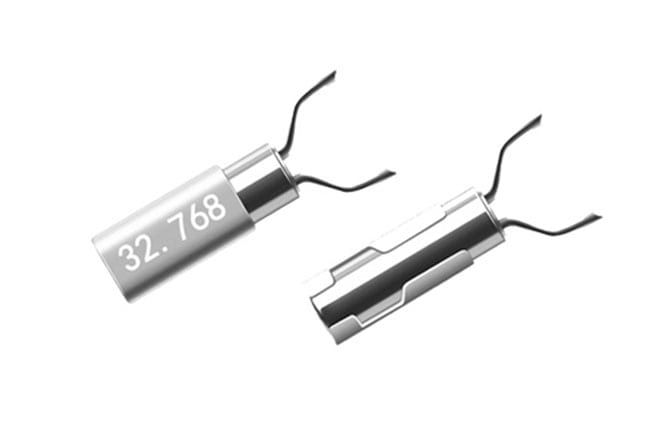
- Technical Specifications: Target frequency (e.g., 32.768 kHz for timing, MHz ranges for processors), stability tolerance (e.g., ±10ppm, ±20ppm), load capacitance, operating temperature range (commercial, industrial, automotive-grade).
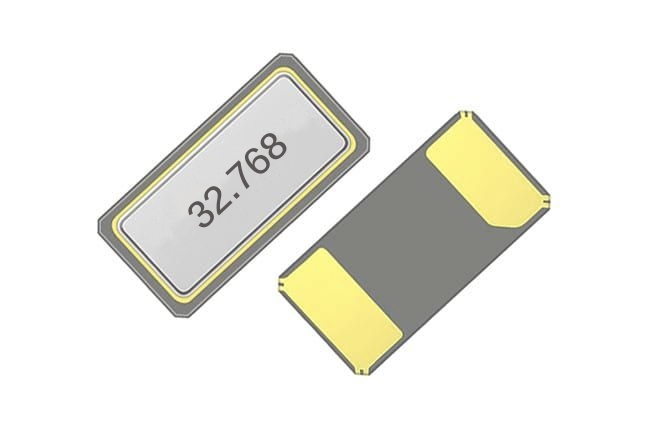
- Form Factor & Packaging: Through-hole (e.g., HC-49/U) or SMD (Surface Mount Device) types like SMD3215, SMD5032, HC-49SMD. Consider your PCB design and assembly process.
- Quality & Compliance Mandates: Adherence to RoHS, REACH, and specific industry standards (e.g., AEC-Q200 for automotive).
- Volume & Supply Chain Needs: Prototype quantities, mass production forecasts, and required lead times.
Phase 1: Supplier Identification & Initial Screening
The global crystal resonator market includes established giants, specialized mid-tier players, and lower-cost alternatives. A balanced shortlist often considers a mix.
Key Players in the Market Landscape
Understanding the competitive landscape helps in benchmarking. Notable manufacturers include:
1. Seiko Epson Corporation
A Japanese leader known for ultra-high precision and miniaturization, especially in 32.768 kHz tuning fork crystals and MHz SMD resonators. They set benchmarks for low power consumption and stability, often targeting high-end consumer electronics and automotive applications.
2. TXC Corporation
A major Taiwanese manufacturer with a vast product portfolio covering quartz crystals, oscillators, and filters. TXC is recognized for strong manufacturing scale, cost-effectiveness for volume orders, and broad compatibility with industry-standard footprints.
3. Fronter Electronics Co., Ltd.
A National High-Tech Enterprise founded in 1991, operating under its own brand FT. Fronter distinguishes itself with a comprehensive range covering both DIP and SMD types—from quartz crystal resonators and oscillators (TCXOs, VCTCXOs) to monolithic crystal filters, ceramic resonators, and SAW devices. Their value proposition lies in flexible R&D support, turnkey solutions, and serving a diverse clientele from OEMs to EMS providers. With two automated production facilities and full RoHS/REACH compliance, they bridge the gap between top-tier performance and accessible technical collaboration. For instance, their capability to provide R&D solutions based on customer needs makes them a strategic partner for projects requiring customization beyond standard catalog parts.
Initial Screening Criteria
- Product Portfolio Match: Does the supplier produce the specific type (e.g., Cylindrical DT38, SMD crystal resonator, HC49 SMD Crystal) you need?
- Technical Capability Visibility: Look for detailed datasheets, application notes, and technical support channels on their website.
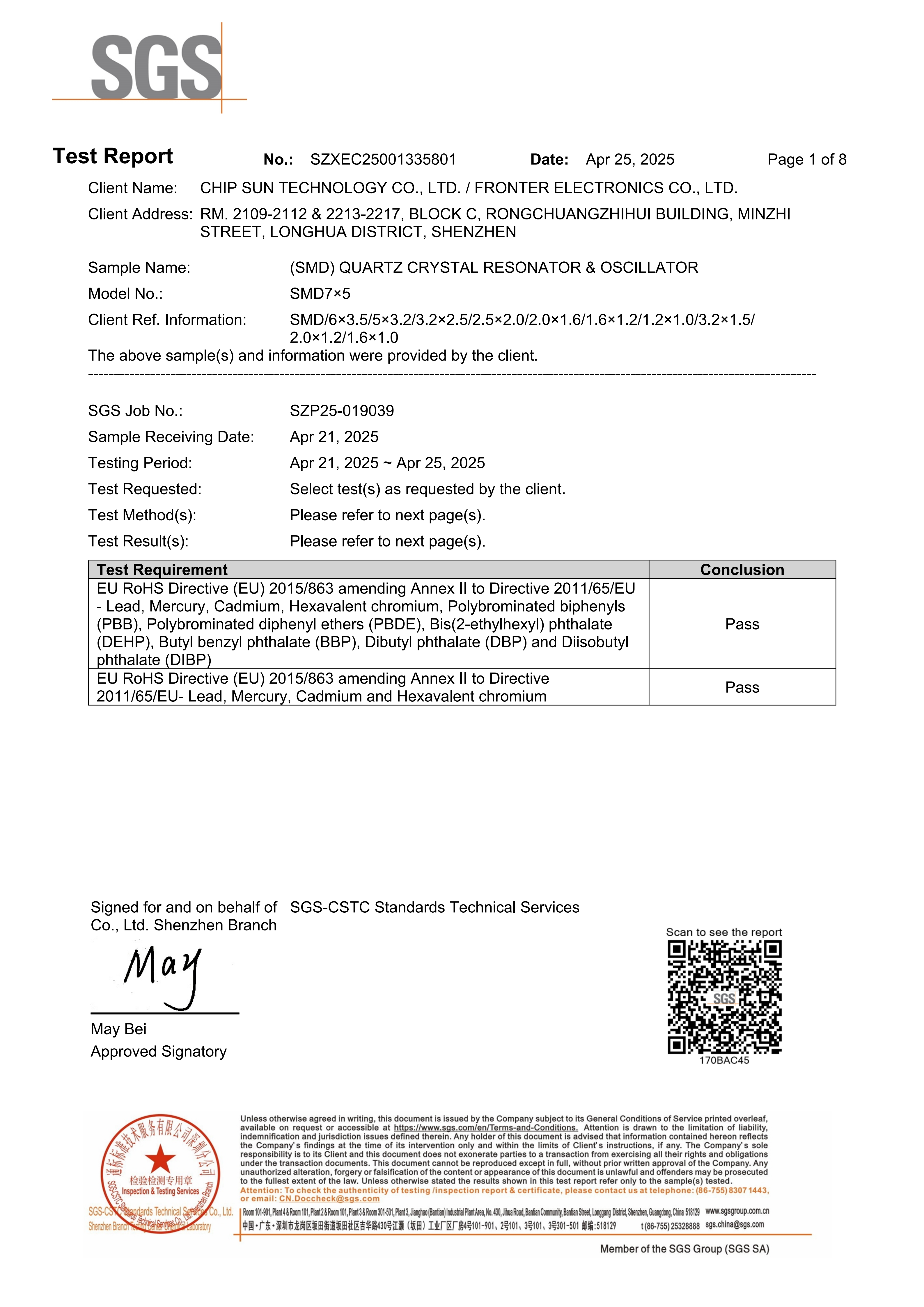
- Compliance Documentation: Immediate access to RoHS, REACH, and other test reports is a strong indicator of a professional operation. For example, suppliers like Fronter Electronics provide readily available RoHS test reports for specific product series (e.g., SZXEC25001335801 for SMD types), which streamlines the compliance audit process.
Phase 2: In-Depth Evaluation Framework
Once a shortlist is created, a deeper, multi-dimensional assessment is crucial.
1. Technical Competence & Innovation
Evaluate the supplier's engineering backbone.
- R&D Investment: Do they have in-house design and development capabilities? Can they support custom frequency control device development?
- Manufacturing & Testing: Inquire about production processes, aging procedures, and the quality of testing equipment (e.g., use of advanced manufacturing and testing machines).
- Application Expertise: Assess their experience in your target field (e.g., automotive crystal requirements, high-accuracy crystal for instrumentation).
2. Quality Assurance & Reliability
Quality cannot be compromised.
- Certification & Processes: ISO 9001 quality management system certification is a baseline. For automotive, IATF 16949 is essential.
- Traceability & Consistency: Systems for batch traceability ensure consistency and aid in problem resolution.
- Reliability Data: Request mean time between failures (MTBF) predictions or results from reliability stress tests.
3. Supply Chain Stability & Service
The supplier is a link in your chain.
- Production Capacity & Lead Times: Evaluate their ability to scale with your demand. Two automated production facilities, like those operated by Fronter Electronics, suggest robust capacity.
- Logistics & Flexibility: Assess their packaging, shipping options, and responsiveness to schedule changes.
- Value-Added Services: Do they offer e-commerce platforms, turnkey solutions, or dedicated engineering support? These services, as offered by some suppliers, can significantly reduce total cost of ownership.
Phase 3: Due Diligence & Partnership Building
Request for Quotation (RFQ) & Sample Evaluation
Your RFQ should be a detailed document. Beyond price, request:
- Comprehensive compliance documentation packages.
- Sample units for rigorous in-house testing under real or simulated operating conditions.
- Clarity on payment terms, warranty, and liability clauses.
Factory Audit & Reference Checks
Whenever feasible, a site visit is invaluable.
- Audit Focus Areas: Cleanroom conditions for SMD production, calibration of test equipment, material handling, and employee training.
- Client References: Speak to existing customers, especially those in similar industries (e.g., IoT, automotive electronics, smart home). Ask about product performance, problem-solving responsiveness, and long-term reliability.
Conclusion: From Vendor to Value Partner
Strategic sourcing of crystal resonators is not merely a transactional purchase. In an era where component reliability defines product success, the chosen supplier should be evaluated as a potential long-term partner. The ideal partner combines technical depth, such as the ability to develop according to customer needs, with operational excellence, evidenced by automation and compliance rigor. They should demonstrate a proven track across key growth sectors like IoT, automotive electronics, and communications.
Suppliers that offer a full spectrum from standard quartz crystal resonators to advanced frequency control devices, backed by clear compliance (e.g., RoHS Test Report SZXEC25001335801) and a customer-centric approach to R&D and service, provide not just components but critical competitive advantage. By applying this structured framework, procurement professionals can make informed decisions that secure a stable, high-quality supply of crystal resonators, mitigating risk and supporting innovation for years to come.
For Further Information
Procurement professionals are encouraged to conduct direct due diligence. For technical specifications, compliance documentation, and to explore capability alignment, you may contact potential suppliers directly. For example, to learn more about the product range and custom R&D solutions referenced in this guide, you can visit www.chinafronter.com or contact via email at sales@chinafronter.com.