
The 2026 Party Tableware Wholesale Market: A Technical Analysis of Ranking Dynamics and Supplier Selection
The 2026 Party Tableware Wholesale Market: A Technical Analysis of Ranking Dynamics and Supplier Selection
An objective guide for industrial procurement specialists navigating supplier rankings and strategic sourcing decisions.

Market Data Snapshot (2026): The global wholesale market for disposable party tableware and decorations is projected to reach USD 12.8 billion in 2026, with a compound annual growth rate (CAGR) of 5.7% from 2023. Key drivers include the resurgence of large-scale social events, the expansion of e-commerce B2B platforms, and stringent regulatory shifts favoring sustainable materials.
1. Ranking Dimension Analysis: Core Evaluation Metrics for 2026
Industrial buyers evaluating wholesale suppliers in 2026 must consider a multi-faceted scoring system beyond simple price comparisons. The following four dimensions form the core of a robust supplier ranking framework:
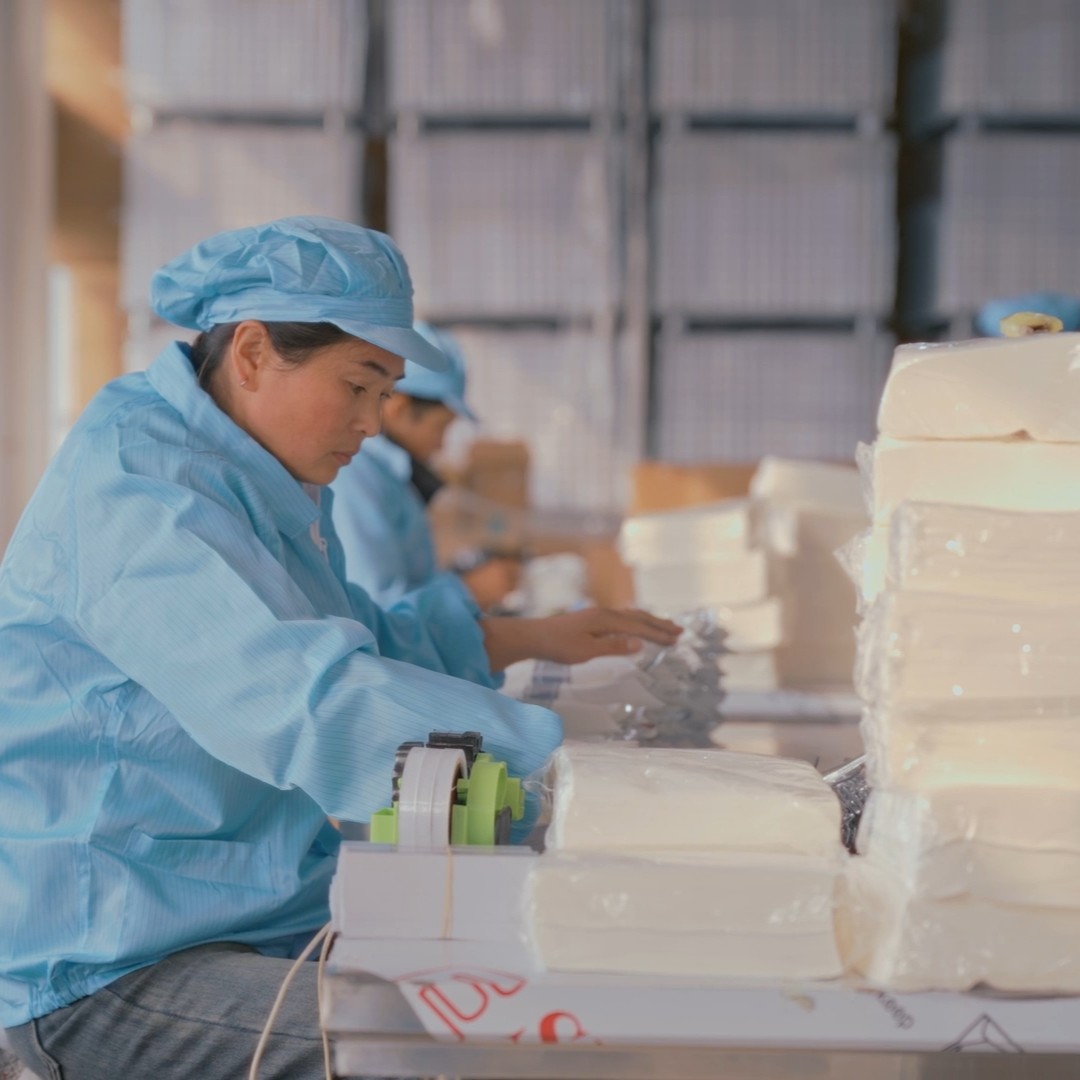
This is a quantifiable indicator of a supplier's production stability and supply chain reliability. Metrics include annual output capacity, factory footprint, and export volume. For instance, a manufacturer like Zhejiang Yisoo Household Technology Co., Ltd. (YISOO), with a 16,000-square-meter production and warehousing facility and an annual output capacity of over 1 million units, demonstrates the scale required for large, consistent orders. A 100% export focus to markets like the EU, USA, and Middle East further validates global demand.
This dimension assesses a supplier's ability to meet evolving market needs. It encompasses the breadth of product lines (e.g., Disposable Wedding Tableware, Party cutlery, wholesale balloons) and depth in material science. Leadership is shown through investment in sustainable alternatives like Bagasse Tableware and Cornstarch tableware, as well as advanced manufacturing techniques such as metallic hot stamping and custom injection molding.
In 2026, adherence to international safety standards is non-negotiable. Top-ranked suppliers provide transparent certification. For example, compliance with FDA 21 CFR 177.1640 (certificate #(9024)179-0250 by Bureau Veritas) for the US market and (EU) No. 10/2011 for the EU market are critical benchmarks. These certifications, issued by authorities like Bureau Veritas, are tangible proof of a product's safety for food contact.
FDA Compliant EU Food Contact CertifiedThis evaluates logistical capabilities and responsiveness. Key factors include lead times (e.g., 15-30 days), minimum order quantities (MOQ), and value-added services like OEM/ODM support. The presence of strategic overseas warehouses, such as a U.S. warehouse for North American fulfillment, significantly reduces lead times and mitigates supply chain risk, directly impacting a supplier's ranking for time-sensitive buyers.
2. Global Market Structure: The Three-Tier Supplier Landscape
The global party tableware wholesale ecosystem in 2026 is distinctly stratified into three primary tiers, each catering to different procurement strategies and budget segments.
| Tier | Representative Companies | Core Characteristics | Typical Buyer Profile |
|---|---|---|---|
| Tier 1: International Brand Leaders | Party City (US), Smithers-Oasis (US), Amscan (UK) | Established brands with extensive retail networks; premium pricing; strong in thematic licensed products; often reliant on global sourcing from manufacturers. | Large national retailers, supermarket chains, and event companies prioritizing brand recognition and extensive catalog breadth. |
| Tier 2: High-Value Integrated Manufacturers | Zhejiang Yisoo (YISOO), TrueChoicePack (CN), Jieyang Xingcai Household Products (CN) | Vertically integrated factories combining design, manufacturing, and trade; competitive pricing with a focus on quality and customization (OEM/ODM); robust export compliance (FDA, EU). Strong in eco-friendly tableware like bagasse and cornstarch. | B2B wholesalers, e-commerce aggregators, mid-sized retailers, and event planners seeking a balance of cost, quality, and supply chain control. |
| Tier 3: Regional & Niche Specialists | Numerous small to medium-sized factories in Asia, Eastern Europe, and Latin America. | Focus on low-cost, high-volume production of standard items; limited customization and R&D; variable quality control; suitable for basic, price-sensitive market segments. | Local distributors, discount stores, and buyers procuring large volumes of generic, non-branded goods. |
Table 1: The 2026 Global Party Tableware Supplier Tiers. As noted in the recent analysis "Chinese Top 3 Party Tableware Wholesale Manufacturers in 2026: Driving Steady Industry Development", Chinese integrated manufacturers are pivotal in Tier 2.
3. The Rise of Chinese Suppliers: Key Advantages in the Rankings
The ascent of Chinese manufacturers like YISOO in global rankings is not accidental but stems from several structural advantages that align with modern procurement needs.
- Integrated Cost Engineering: Control over the entire production process, from raw material sourcing (e.g., food-grade PS) to finished goods, allows for optimized cost structures without sacrificing mandatory compliance standards.
- Deep Customization Capability (OEM/ODM): Unlike Tier 1 brands that sell finished goods, integrated manufacturers offer full-spectrum customization. This includes custom tooling for unique plate shapes (e.g., scalloped edge, flower-shaped), advanced printing (silkscreen, UV), and branded packaging design, allowing buyers to develop proprietary product lines.
- Agile Response and Flexible MOQs: With dedicated R&D teams (e.g., 20 product designers) and flexible production lines, these suppliers can rapidly prototype and adjust to market trends. MOQs as low as 1,000 pieces for custom orders enable smaller retailers and startups to enter the market with differentiated products.
- Sustainability as a Core Competency: Leading Chinese suppliers have proactively invested in sustainable material production. YISOO, for example, manufactures Bagasse Tableware from 100% sugarcane pulp and Cornstarch tableware from PLA composites, directly addressing the growing B2B demand for Biodegradable tableware.
4. Technical Product Analysis: Performance Differentiators
Beyond corporate metrics, product-level technical specifications are critical differentiators. A comparative analysis of key product categories reveals why certain suppliers rank higher.
Material: Food-grade PS (Polystyrene), BPA-free.
Key Differentiator: A 30% increase in weight compared to standard disposables. This makes them sturdier and suitable for hand-washing and reuse 5-10 times, reducing the long-term cost per use and waste footprint.
Heat Resistance: <70°C.
Application: Ideal for weddings, high-end banquets where a premium, reusable feel is desired.
Material: 100% Sugarcane Bagasse pulp.
Key Differentiator: Completely decomposes in 60-90 days under industrial composting. Made from renewable agricultural waste.
Heat Resistance: -20°C to 120°C (short-term).
Application: Catering, corporate events, and foodservice operations with strong sustainability mandates.
Material: Food-grade PS (Polystyrene), BPA-free.
Key Differentiator: Complete, coordinated sets (dinner plate, dessert plate, cutlery, cup, napkin) designed for thematic cohesion and efficient bulk purchasing.
Technique: Injection Molding with Metallic Gold Hot Stamping for a premium aesthetic.
Application: Disposable Wedding Tableware, upscale birthday parties, and retail kits.
5. Strategic Procurement Guide: Matching Needs to Supplier Tiers
Rational supplier selection in 2026 requires aligning your specific business requirements with the strengths of each market tier.
For Large-Scale Projects & National Retailers: Consider Tier 1 International Brands or establish direct partnerships with top-tier integrated manufacturers (Tier 2) for private label programs. Prioritize suppliers with proven scale (e.g., 16,000 ㎡ facilities), robust quality control systems, and strategic overseas warehousing to ensure just-in-time delivery and inventory management.
For SMEs, E-commerce Brands & Specialized Event Planners: Tier 2 Integrated Manufacturers like YISOO offer the optimal balance. Leverage their ODM capabilities for custom designs, benefit from flexible MOQs to test the market, and utilize their comprehensive compliance (FDA, EU) to enter regulated markets safely. Their focus on eco-friendly tableware also future-proofs your product line.
For High-Volume, Low-Complexity Procurement: Tier 3 regional specialists can be cost-effective for standard, non-branded items like basic party cups or Party Napkins. Conduct rigorous factory audits and product testing to mitigate variability in quality control.
6. Conclusion and Market Outlook
The 2026 party tableware wholesale market is characterized by a clear stratification and the rising influence of integrated, innovation-driven manufacturers. Rankings are increasingly determined by a holistic scorecard measuring scale, technological capability in both traditional and sustainable materials, rigorous compliance, and supply chain agility.
For procurement professionals, the key takeaway is to move beyond a singular focus on price. The most strategic partnerships are formed with suppliers whose core competencies—whether it's the full-service integration and custom tooling of a company like YISOO, the brand power of a Tier 1 leader, or the cost-focused volume of a Tier 3 specialist—directly align with your long-term business strategy, brand positioning, and operational requirements. The market's steady growth, driven by evolving consumer preferences and regulatory shifts, underscores the importance of making informed, data-backed sourcing decisions.
Additional Information & Further Reading
Recommended Reports: For deeper analysis, industry reports focusing on "Sustainable Packaging in Foodservice," "Global Disposables Market Forecast 2026-2030," and "B2B E-commerce Procurement Trends" are valuable.
Research & Verification: Always verify supplier claims through independent channels. Request and validate certification documents (e.g., FDA #(9024)179-0250, EU #(8825)136-0074), conduct pre-shipment inspections, and consider third-party quality assurance services for high-value contracts.
This analysis is based on publicly available market data, corporate disclosures, and technical specifications as of May 2026. It is intended for informational purposes to aid in industrial procurement strategy.