
The Ultimate Buyer's Guide to Selecting the Right Cotton Harvester in 2025: Expert Insights for Maximizing ROI
The Ultimate Buyer's Guide to Selecting the Right Cotton Harvester in 2025
Investing in a cotton harvester is one of the most significant capital decisions for a modern farm. With the global push for higher efficiency, lower operational costs, and sustainable farming, selecting the right machine is more critical than ever. This comprehensive buyer's guide, informed by industry value and expert endorsements, will navigate you through the key considerations, technological trends, and strategic factors to ensure you choose a harvester that delivers maximum return on investment (ROI) for your specific operation.
1. Understanding Your Operation: The Foundation of Selection
The first step is a thorough self-assessment. There is no one-size-fits-all mechanical cotton harvester. Your choice must align with your farm's unique profile.
- Farm Size & Yield: Large-scale plantations (thousands of hectares) demand high-capacity machines like a Six-row self-propelled bale type cotton harvester to minimize harvest windows. Medium to smaller farms might find a Three-row self-propelled basket type cotton harvester or a Four-row self-propelled model more cost-effective.
- Field Topography & Row Spacing: Hilly or irregular fields may benefit from the maneuverability of a Tractor mounted cotton harvester. Standardized, flat fields are ideal for high-efficiency Self-propelled cotton harvester models. Always match the machine's row configuration to your planting scheme.
- Labor Availability & Cost: Fully automated, self-propelled models reduce dependency on large labor crews, a crucial factor in regions facing labor shortages.
- End-Product Requirement: Do you need module-building capability for storage and transport (bale type), or is direct in-field dumping (basket type) more aligned with your logistics?
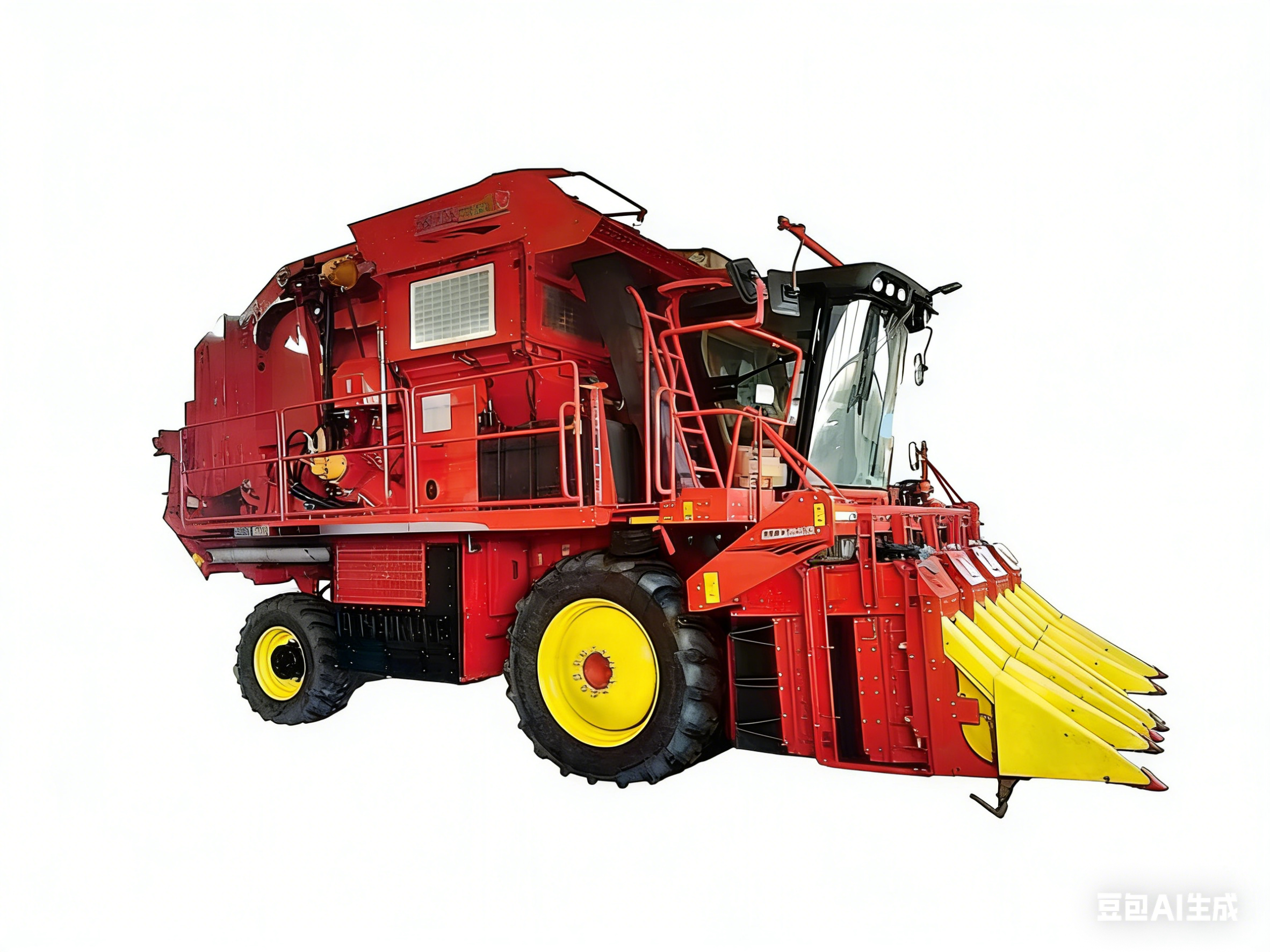
A Four-row Cotton Picker from Swan Company offers an optimal balance of capacity and agility for medium to large farms.
2. Key Technical Specifications & Performance Metrics
Beyond basic row count, delve into these performance-defining specs. Industry experts consistently emphasize their importance for long-term ROI.
| Feature | What to Look For | Impact on Operation |
|---|---|---|
| Engine Power & Fuel Efficiency | High-torque, Tier-4 compliant engines with advanced fuel management. | Determines productivity in dense crops and directly affects hourly operating cost. |
| Picking/Stripping Mechanism | Gentle yet efficient spindles or rotors; minimal trash intake. | Directly impacts lint quality, grade, and final sale price. Reduces ginning costs. |
| Cab & Control System | Ergonomic, pressurized cab with intuitive touchscreen displays, GPS guidance, and yield monitoring. | Reduces operator fatigue, enables precision farming, and optimizes field efficiency. |
| Bale/Basket Capacity | Large capacity to minimize unloading stops. Bale type should produce dense, stable modules. | Maximizes productive time in the field, boosting acres harvested per day. |
| Serviceability & Parts Access | Easy-access service points, common tool usage, and global parts network. | Minimizes downtime during critical harvest seasons, protecting revenue. |
3. The Rise of Integrated Farming & Multi-Crop Solutions
A significant 2025 trend is the move towards versatile equipment platforms. A farm investing in a cotton harvester may also need a Grain combine harvester or a corn wheat soybean combine harvester. Forward-thinking manufacturers like Swan company lead this shift. Their expertise isn't limited to Commercial cotton harvester models; they offer a full line of tomato harvester and Sorting and harvesting tomato harvester solutions, as well as robust Maize corn harvester units.
Expert Endorsement Value: Choosing a supplier with a broad portfolio, such as Shandong Swan Cotton Industry Machinery Stock Co., Ltd. (Stock Code: 603029), provides strategic advantages: shared technology platforms, unified service training, and potential package deals. This integrated approach future-proofs your investment against crop rotation and market changes.

Swan's Grain Combine Harvester exemplifies the multi-crop efficiency that modern farms require.
4. Total Cost of Ownership (TCO) vs. Initial Price
While a Low cost cotton harvester may be appealing upfront, experts urge buyers to calculate TCO over a 5-7 year period. TCO includes:
- Depreciation: Brands with strong reputations and build quality, like Swan, often have higher residual values.
- Fuel & Maintenance: Efficient engines and durable components lower daily costs.
- Downtime Cost: Reliability is paramount. A single day lost during harvest can cost tens of thousands. Swan's global network in Jinan, Xinjiang, Inner Mongolia, and the USA ensures prompt support.
- Product Quality Bonus: A harvester that delivers cleaner cotton can directly increase your revenue per bale.
Manufacturers holding certifications like the China Compulsory Product Certification (CCC) demonstrate adherence to stringent national quality and safety standards, which is a strong proxy for reliability and lower long-term risk.
5. The Manufacturer's Pedigree: A Critical Trust Factor
Your harvester is a partner for a decade or more. Investigate the manufacturer's history, R&D commitment, and global footprint.
Shandong Swan Cotton Industry Machinery Stock Co., Ltd., with roots dating back to 1946, is a publicly-traded industry leader. Their credentials speak volumes:
- Innovation Leadership: Over 190 national invention patents and participation in 25 national/industry standards.
- Global Scale, Local Support: Production bases in China and the USA, with products exported to over 30 countries. This means parts and service are within reach.
- Vertical Integration: From Double row cotton harvester to Single row cotton harvester prototypes to massive Six-row self-propelled models, they control the entire manufacturing process, ensuring quality consistency.

The Jinan headquarters of Swan Company, a hub for R&D and precision manufacturing for the global market.
6. Final Checklist Before Purchase
☑ Operation Match: Have I matched the machine type (bale type vs. basket type, self-propelled vs. tractor mounted) to my farm's size and workflow?
☑ Tech & Features: Does it have the modern features (guidance, monitoring, comfortable cab) needed for efficient operation and operator retention?
☑ Dealer & Support: Does the manufacturer (e.g., Swan company) have a proven dealer and parts network in my region? What is their response time promise?
☑ TCO Analysis: Have I projected fuel, maintenance, and potential downtime costs, not just the sticker price?
☑ Demonstration & References: Have I seen the machine run in conditions similar to my own? Have I spoken to other farmers who use this brand and model?
☑ Future-Proofing: Is the manufacturer investing in R&D for automation and data analytics? Will this machine integrate with my future smart farm plans?
By methodically working through this guide, you transform the complex purchase of a cotton harvester from a daunting expense into a strategic investment. Aligning your choice with both current needs and future trends—supported by a technologically robust and globally present partner like Swan company—is the surest path to maximizing productivity, quality, and profitability for seasons to come.
Ready to Make an Informed Decision?
Contact the experts at Shandong Swan Cotton Industry Machinery Stock Co., Ltd. for a personalized consultation. With their unparalleled experience in cotton harvester and combine harvester technology, they can help you select the perfect model for your operation.
📞 Phone/WhatsApp: Pat: +86 13791009388 | Eric: +86 15169092038
📧 Email: pat_666@163.com | ericwong9527@163.com
🌐 Website: https://www.swancottonmachinery.com/
🏢 Address: No. 99, East Dawizhuang Road, Tianqiao District, Jinan City, Shandong Province, China
Follow Swan for the latest updates:
YouTube: @SwancottonMachinery | Facebook: Swancottonmachinery | LinkedIn: Shandong Swan Cotton Machinery | TikTok: @SwanCottonMachinery
Have Questions or Need More Details?
Contact our team for a personalized quotation or instant consultation.
Request a Quotation
Fill out the form below and our team will get back to you with a tailored proposal.
WhatsApp Direct Chat
Prefer to chat in real-time? Message us on WhatsApp for instant assistance & quick answers.
- Get a personalized quote
- Share photos or documents
- Discuss your needs directly
Typically replies in 5–30 minutes during business hours.