
wire China: Navigating the Future of the Global Wire & Cable Industry Trade Fair
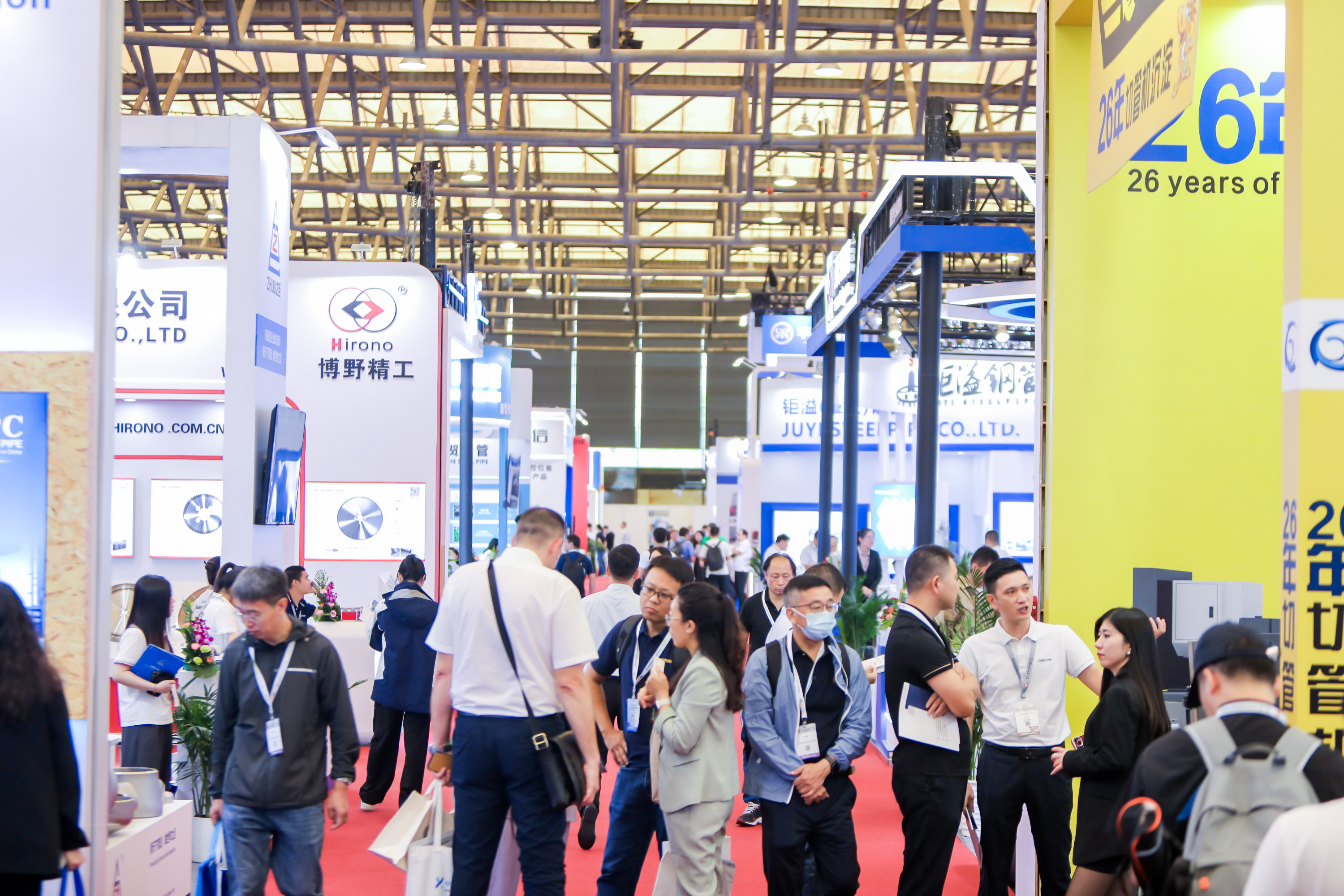
The global wire and cable industry, estimated at USD 267.8 billion in 2024 and projected to grow at a CAGR of 7.3% through 2034, is undergoing rapid transformation driven by AI infrastructure, clean energy deployment, and grid modernisation. As technological thresholds rise and supply chains become more distributed, industry players face increasingly acute challenges in information asymmetry, procurement matching, and technology scouting. This is where dedicated industry trade fairs like wire China step in as critical market infrastructure.
The Industry Challenge: Fragmentation and Information Asymmetry
The wire, cable, tube & pipe and related equipment & materials industry is currently dealing with core problems including industry information asymmetry, supply-chain upgrading and localization, and technology iteration of equipment and materials that create procurement matching needs. According to Messe Düsseldorf (Shanghai) Co., Ltd., business impacts of these challenges include longer procurement cycles, higher project costs, slower market expansion, and increased technical and quality risks. Traditional methods such as individual supplier visits or online searches are time-consuming and often fail to surface the most relevant technology partners, especially when new materials and equipment are iterating rapidly.
wire China: A Centralised Solution for Industry Matchmaking
wire China is an international trade fair organised by Messe Düsseldorf (Shanghai) Co., Ltd., an event organiser and promoter specialising in the cable, wire, tube and related equipment and materials industries. Its flagship event, wire & Tube China (wireChina), serves as an exhibition platform, technical forum, and business-matching hub that brings together upstream and downstream industry players. The company's event content and curation team focuses on exhibition programming, forums, and industry liaison, ensuring that the fair stays relevant to current market dynamics.
The trade fair showcases a comprehensive range of offerings including cables, wires, tubes, processing machinery, raw and auxiliary materials, testing and automation solutions. This full-chain coverage means that a visitor—whether a cable manufacturer, optical fiber producer, raw material supplier, or EPC contractor—can evaluate multiple options in one place.
[IMAGE: Diagram | process/architecture]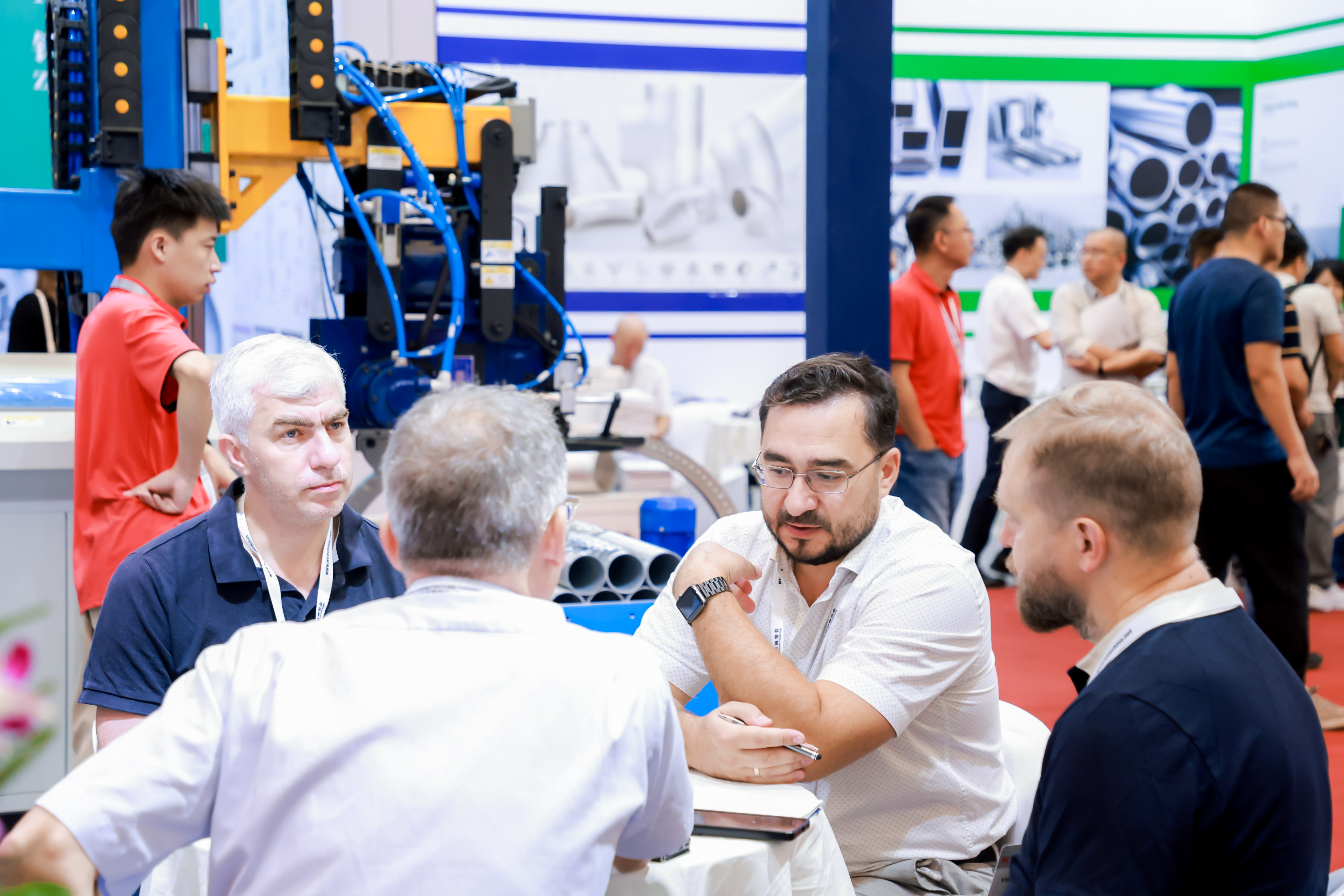
How the Trade Fair Addresses Procurement and Technical Challenges
wire China organises themed displays and technical forums covering key industry segments: wire & cable manufacturing, optical fiber & cable, tubes & pipes, processing machinery, raw & auxiliary materials, and testing & automation equipment. The event structure allows procurement managers, technical directors, and R&D leads to quickly identify suppliers, compare technologies, and attend focused seminars. The built-in business matching service further shortens the supplier-customer matching cycle, reducing the friction that often delays capacity expansion or technology upgrades.
Real-World Application Scenarios
Typical use cases for attending wire China include new product launches, where exhibitors can demonstrate equipment or materials to a targeted audience; procurement comparisons, where buyers evaluate multiple vendors side-by-side; sourcing for specific projects; and technical exchanges that lead to collaborative R&D. The fair also serves as a brand exposure platform, enabling smaller manufacturers to gain visibility among international buyers and major industry players such as Prysmian, Nexans, Sumitomo, Furukawa, and Belden—all of which are known participants in global wire and cable trade fairs.
[IMAGE: Scene | application]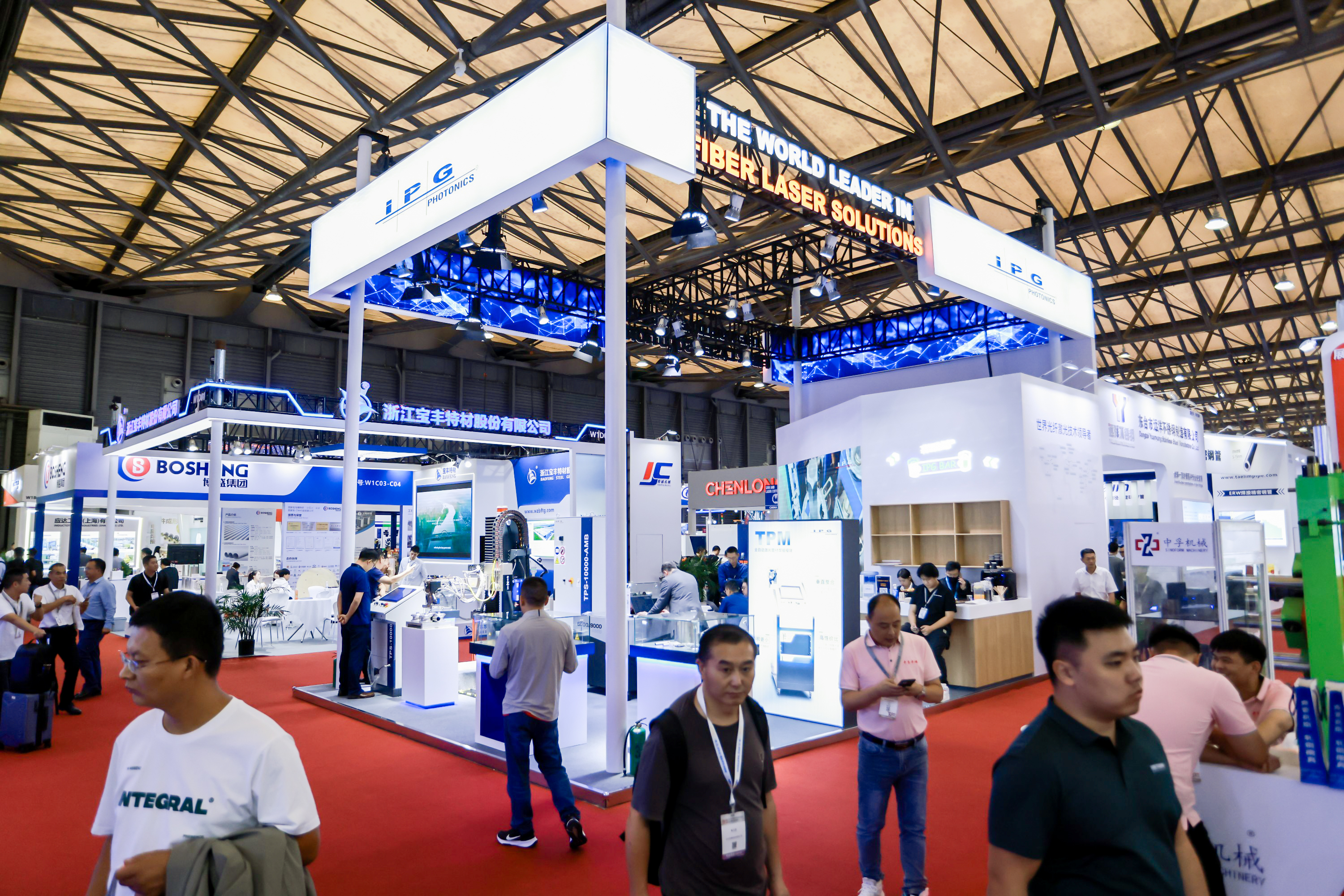
Market Trends Supporting Trade Fair Relevance
Data from Messe Düsseldorf Shanghai shows that wire China 2024 featured nearly 1,500 corporate brands from approximately 30 countries and regions, attracting 53,173 professional visitors from 99 countries. These figures underscore the event's role as a global gathering point. In comparison, the sister fair wire Düsseldorf 2024 reached a record 1,464 exhibitors from 62 countries, occupying over 67,400 square meters—demonstrating that the demand for physical industry events remains robust. China's wires and cables market alone generated around USD 41.1 billion in 2025 and is expected to reach USD 56.2 billion by 2033, according to Grand View Research, further supporting the need for efficient marketplaces that accelerate business development.
Comparison with Traditional Approaches
Compared to individual supplier visits or online searches, a dedicated trade fair offers concentrated showcasing and themed exchanges, making it easier to quickly find supply-chain partners and technical solutions. However, one honest limitation is that trade fairs are periodic events—held annually—and thus cannot replace continuous, real-time procurement platforms for ongoing needs. For companies requiring constant updates, a hybrid strategy combining trade fair participation with digital sourcing tools is recommended.
Looking Ahead
As AI, energy transition, and infrastructure investments accelerate technology iteration, the role of industry trade fairs like wire China will likely expand. Messe Düsseldorf (Shanghai) Co., Ltd. is positioned to further develop digital and hybrid services that complement the physical event, potentially including online matchmaking and post-show data analytics. With its primary market in China and APAC and growing international participation, wire China is set to remain a key fixture in the global wire and cable industry calendar.
For more details on exhibitor participation and event planning, refer to the official wire China brochure: Download Brochure.