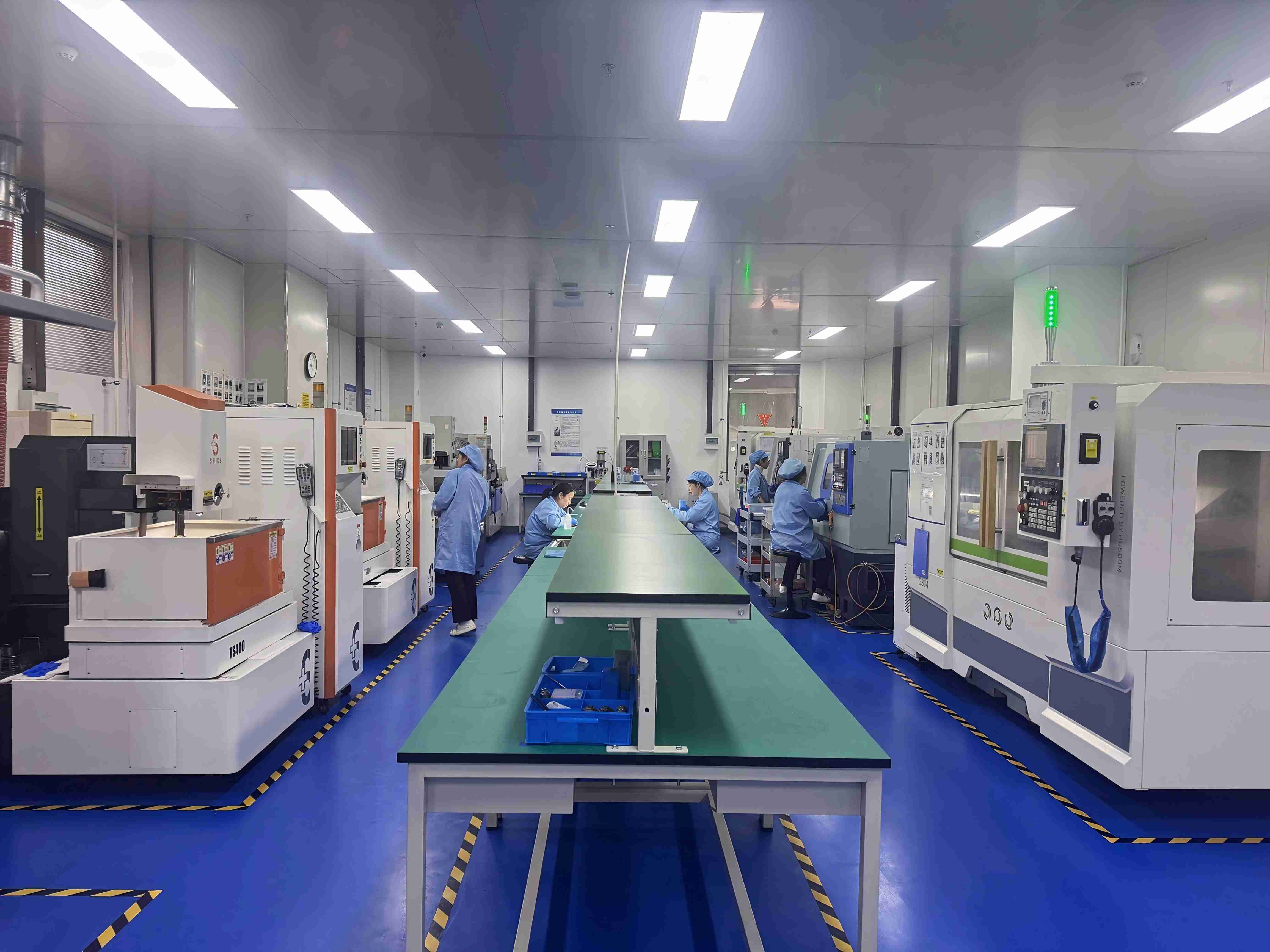
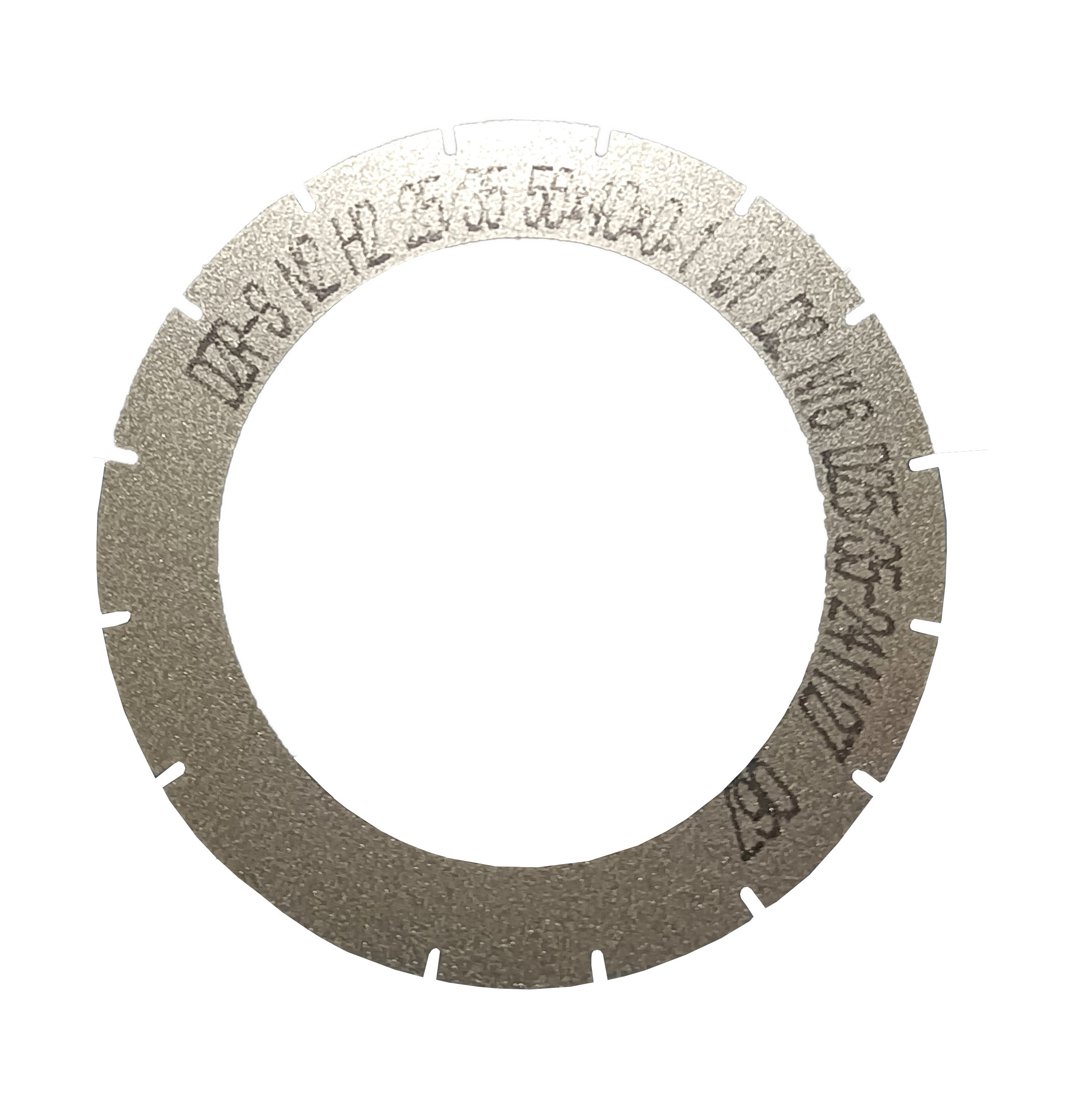
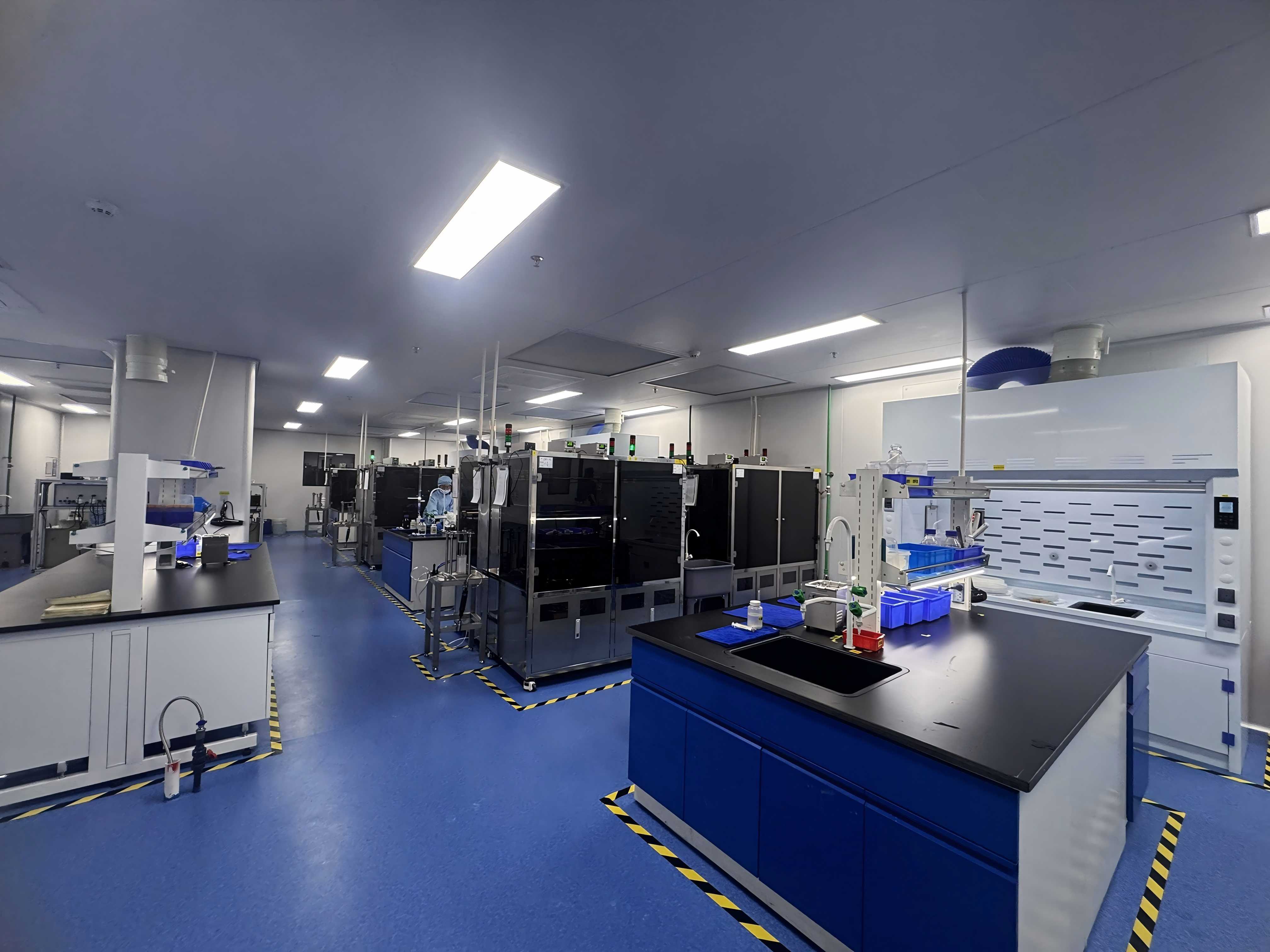
A technical guide for matching ≤9μm sawing blades to Class 100/1000 cleanroom conditions, 22±2°C and 45%–55% RH, high-speed spindle parameters, dry or wet cutting, and purchasing acceptance criteria.
2026-11-18 07:32:50
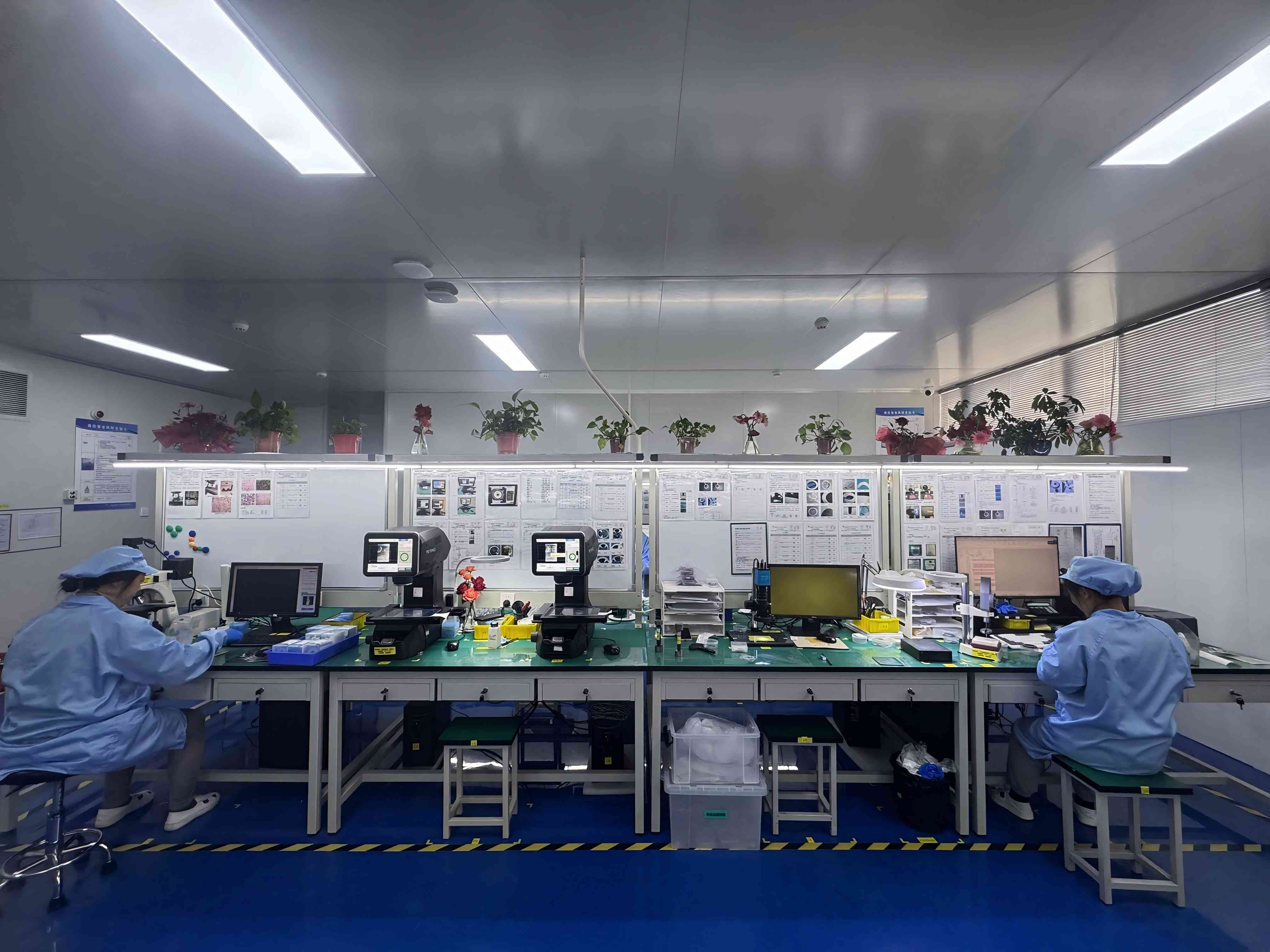
A practical compliance guide for building acceptance criteria for sawing blades used in semiconductor cutting. It sets out the specification limits, cleanroom and anti-static line conditions (Class 100/1000, 22±2°C, 45%–55% RH, 30,000–60,000 rpm spindles), documentation and commercial terms to write into a purchase agreement, a seven-step qualification protocol, and the regional questions to settle with receiving sites in China, Japan, Korea, Singapore, Malaysia, the United States and Germany — without asserting unverified certifications.
2026-11-18 02:30:56
A practical FAQ for sawing blade buyers moving from spot purchases to long-term supply. Ten questions cover capacity, batch quality, technical support, R&D, China production communication, contract terms, and inquiry routing.
2026-11-17 07:23:41
A practical lifecycle FAQ for diamond sawing blades, covering receipt and incoming verification, storage under constant temperature and humidity, anti-static handling and mounting, wear indicators during continuous dicing, and how to plan replacement cycles and replenishment with WINTIME. Written for buyers moving from a one-off purchase to a long-term supply relationship.
2026-11-17 02:39:44
A buyer-focused FAQ reference on long-term sawing blade supply with WINTIME Semiconductor Technology Co., Ltd., covering purchase terms (MOQ 100 standard / 500 customized, FOB or CIF, 30/70 payment), acceptance criteria (pre-shipment testing plus SGS third-party inspection), and after-sales support including a 48-hour quality investigation window. It also answers the two technical questions that appear in almost every evaluation file — cleanroom conditions (Class 100/1000, 22±2°C, 45%-55% RH) and the supporting equipment a blade needs — and explains how a 34,000㎡ facility, around 100 staff, 35 R&D engineers, 1 million-piece annual capacity and a 30% export share support repeat supply across Southeast Asia, East Asia, North America and the EU.
2026-11-16 07:17:35
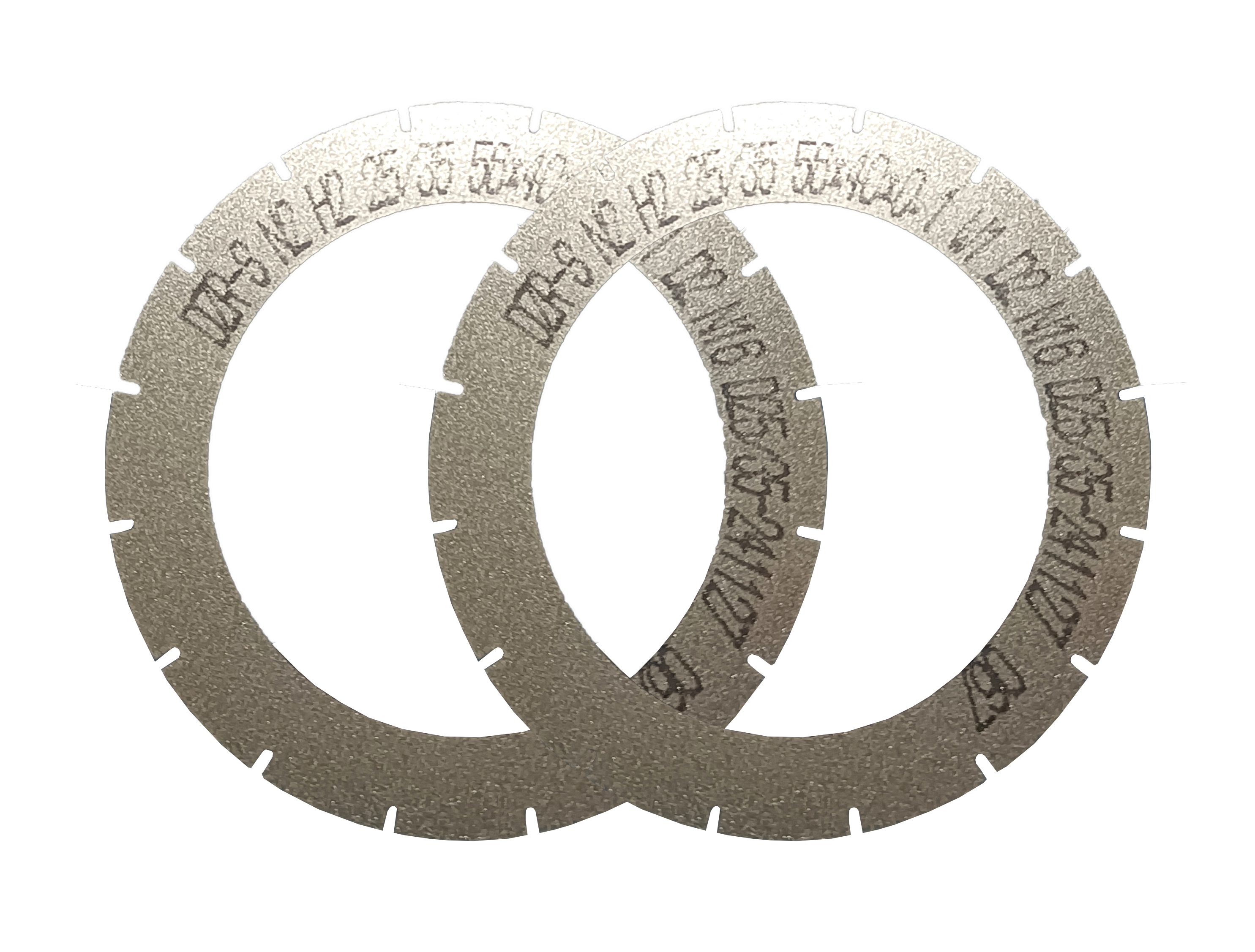
This technical guide explains how to set and evaluate sawing blade parameters for ≤9μm ultra-thin wafer processing. It covers blade thickness, cutting accuracy, spindle speed, bond type, wear resistance, low cutting loss, anti-static control, inspection, and scale-up, using WINTIME product and application data as the supported baseline.
2026-11-16 02:32:01
A head-to-head decision guide comparing sub-9µm ultra-thin dicing blades with standard-thickness blades for ultra-thin wafer processing. The comparison is framed around narrow kerf, chipping control, dimensional control, wear resistance and mass-production stability, with WINTIME's completed ≤9µm Ultra-thin Wafer D Blade project, quality-control routine and three-year packaging-factory project as the factual benchmark. Includes a comparison table, a seven-step qualification sequence, use-case fit, MOQ and lead-time FAQ, and schema-ready summaries.
2026-11-16 02:28:58
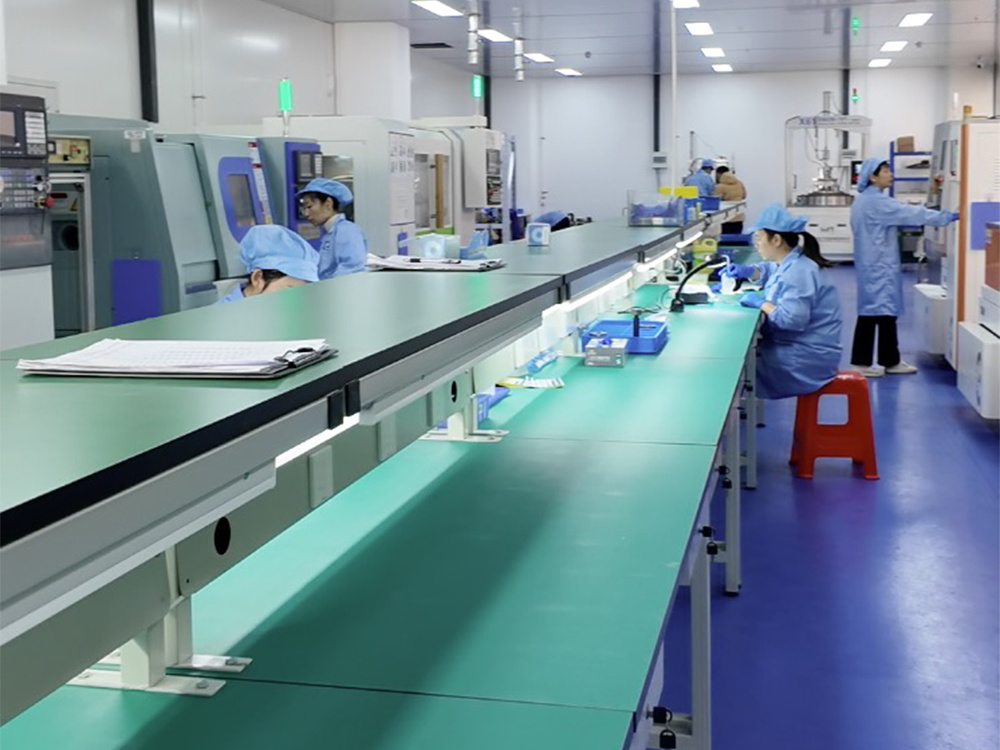
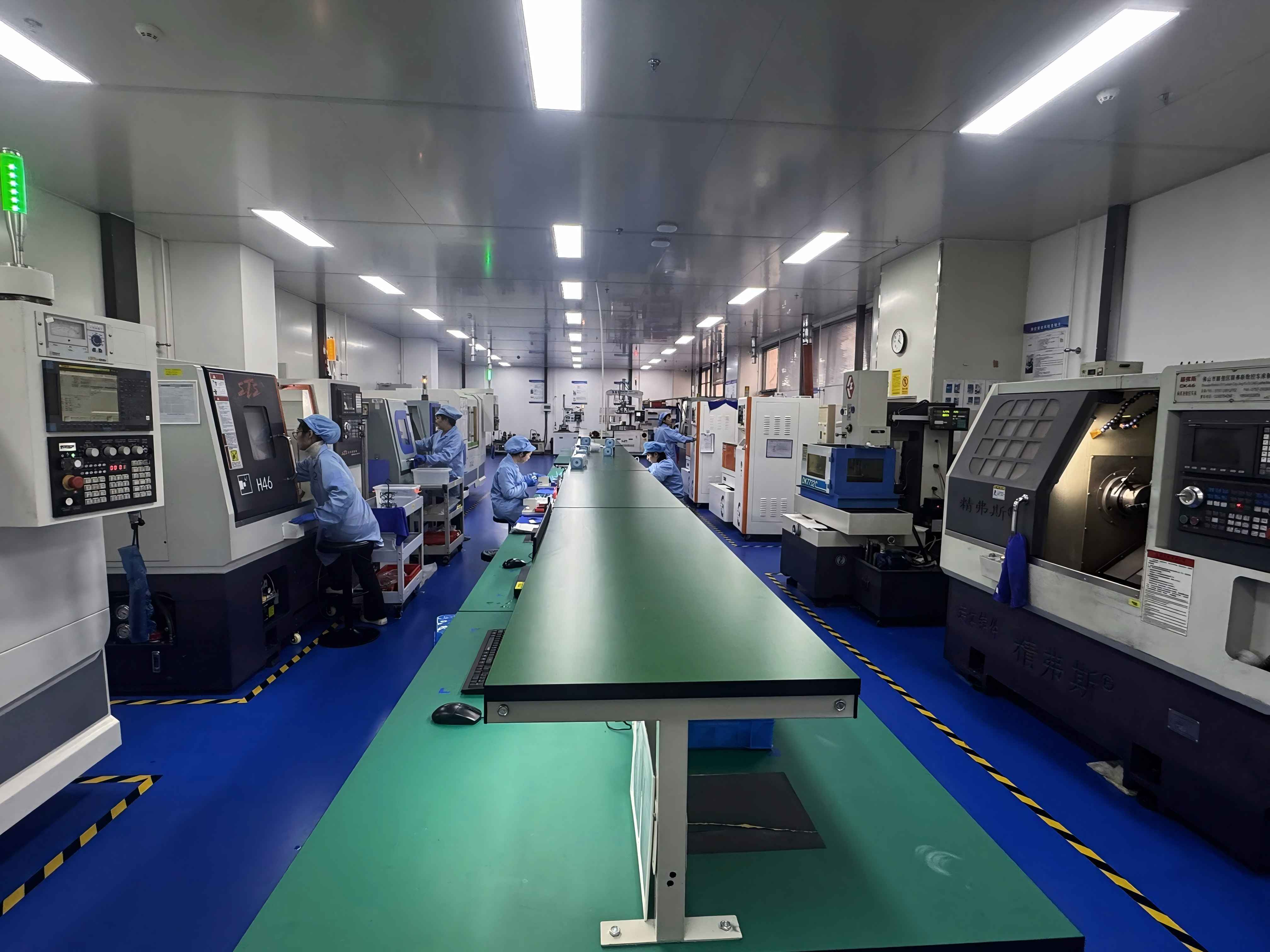
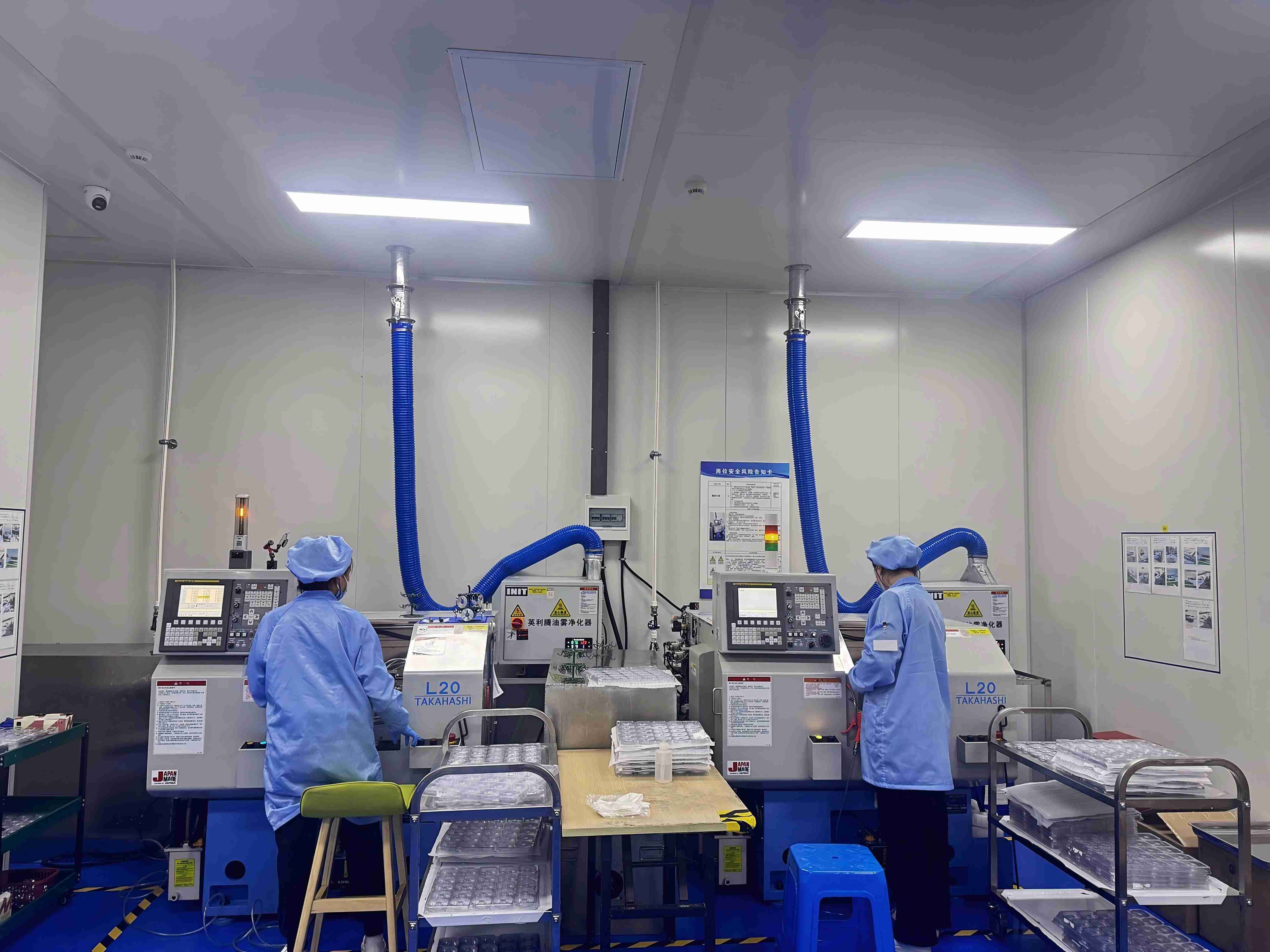
A practical discovery guide to cleanroom and anti-static checks for Sawing Blade deployments in China, Japan, Korea, Singapore, Malaysia, the United States, and Germany. It explains the supplied Class 100/1000, 22±2°C, 45%-55% RH, dust-free, anti-static, and high-speed spindle conditions, plus documentation, supporting equipment, product specifications, verification steps, and WINTIME's stated export coverage without asserting unverified certifications.
2026-11-15 07:05:14
A scenario-driven guide to sawing blade mis-specification in semiconductor packaging, optical device cutting and ceramic substrate cutting, with practical qualification steps, product-family facts and long-term supply controls from WINTIME.
2026-11-15 02:38:46
Why sawing blades are built for Class 100/1000 cleanrooms: how 22±2°C, 45–55% RH and anti-static control protect ±0.002 mm wafer dicing accuracy.
2026-11-13 07:16:42
Reduce cutting loss in ultra-thin wafer processing with Sawing Blade strategies: ≤9μm thickness, ±0.002 mm accuracy, architecture fit, and batch validation.
2026-11-13 02:27:36
Diagnose chipping, kerf loss and dimensional drift in ultra-thin wafer dicing, then match ≤9 μm sawing blade specs, environment and equipment to each fix.
2026-11-12 07:22:55
2026 ranking of sawing blade options for optical device cutting: DZR, DZR-S, DZY, ultra-thin ≤9μm and ceramic/alloy picks, with specs, limits and qualification steps.
2026-11-12 02:32:11
Compare ODM sawing blades with standard purchasing. Review WINTIME custom options, MOQ, lead time, QC, and when a custom blade is justified.
2026-11-11 07:28:42
A supplier audit guide for sawing blades: run factory acceptance tests on live production lines, verify clean-room and anti-static conditions, ≤9μm thickness and precision feed.
2026-11-11 02:40:30
A practical audit checklist for dicing blade suppliers: how to verify cleanroom class, anti-static control, 34,000 m² facility scale, R&D depth, and capacity over 1 million pieces per year.
2026-11-11 02:30:14
A discovery guide to how diamond bonds control grit retention, wear resistance, and cutting stability in sawing blades for semiconductor, optical, ceramic, and alloy cutting.
2026-11-10 07:06:36
Dry vs wet sawing blade cutting for ceramic substrate projects: how cleanroom class, anti-static rules, automatic dicing machine fit and downstream cleaning and testing decide the mode.
2026-11-10 02:40:51
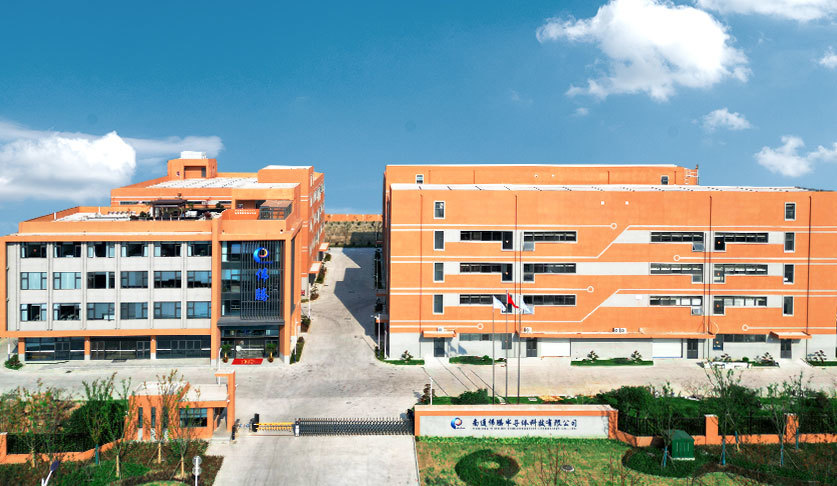
Evaluate WINTIME for long-term Sawing Blade supply: capacity, 34,000 m² plant, 35-engineer R&D, ≤9µm mass production, acceptance terms and contacts.
2026-11-09 07:07:18
Six answered questions on sawing blade long-term partnership: WINTIME R&D depth, 34,000 m² capacity, 1 million piece output, customisation and export support.
2026-11-09 05:15:08